To save content items to your account,
please confirm that you agree to abide by our usage policies.
If this is the first time you use this feature, you will be asked to authorise Cambridge Core to connect with your account.
Find out more about saving content to .
To save content items to your Kindle, first ensure no-reply@cambridge.org
is added to your Approved Personal Document E-mail List under your Personal Document Settings
on the Manage Your Content and Devices page of your Amazon account. Then enter the ‘name’ part
of your Kindle email address below.
Find out more about saving to your Kindle.
Note you can select to save to either the @free.kindle.com or @kindle.com variations.
‘@free.kindle.com’ emails are free but can only be saved to your device when it is connected to wi-fi.
‘@kindle.com’ emails can be delivered even when you are not connected to wi-fi, but note that service fees apply.
Paediatric patients with heart failure requiring ventricular assist devices are at heightened risk of neurologic injury and psychosocial adjustment challenges, resulting in a need for neurodevelopmental and psychosocial support following device placement. Through a descriptive survey developed in collaboration by the Advanced Cardiac Therapies Improving Outcomes Network and the Cardiac Neurodevelopmental Outcome Collaborative, the present study aimed to characterise current neurodevelopmental and psychosocial care practices for paediatric patients with ventricular assist devices.
Method:
Members of both learning networks developed a 25-item electronic survey assessing neurodevelopmental and psychosocial care practices specific to paediatric ventricular assist device patients. The survey was sent to Advanced Cardiac Therapies Improving Outcomes Network site primary investigators and co-primary investigators via email.
Results:
Of the 63 eligible sites contacted, responses were received from 24 unique North and South American cardiology centres. Access to neurodevelopmental providers, referral practices, and family neurodevelopmental education varied across sites. Inpatient neurodevelopmental care consults were available at many centres, as were inpatient family support services. Over half of heart centres had outpatient neurodevelopmental testing and individual psychotherapy services available to patients with ventricular assist devices, though few centres had outpatient group psychotherapy (12.5%) or parent support groups (16.7%) available. Barriers to inpatient and outpatient neurodevelopmental care included limited access to neurodevelopmental providers and parent/provider focus on the child’s medical status.
Conclusions:
Paediatric patients with ventricular assist devices often have access to neurodevelopmental providers in the inpatient setting, though supports vary by centre. Strengthening family neurodevelopmental education, referral processes, and family-centred psychosocial services may improve current neurodevelopmental/psychosocial care for paediatric ventricular assist device patients.
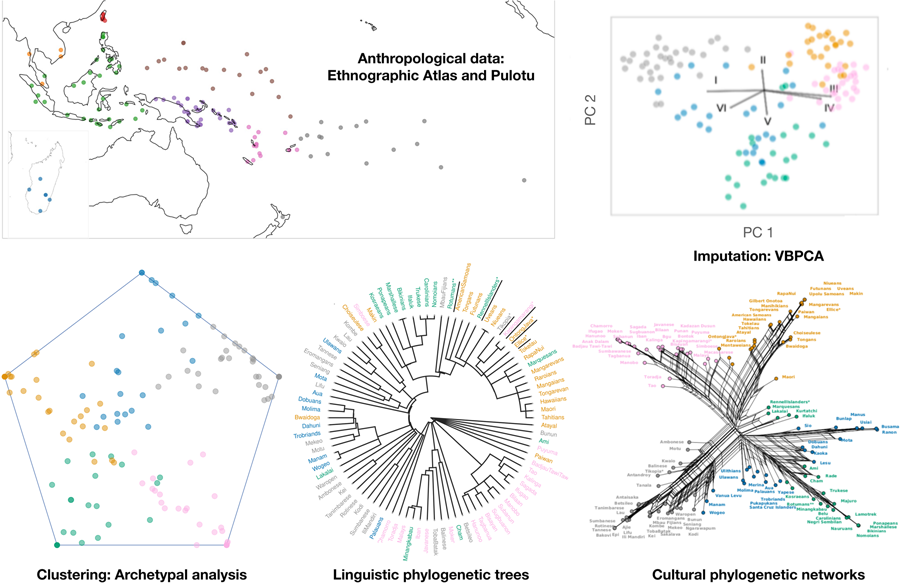
With its linguistic and cultural diversity, Austronesia is important in the study of evolutionary forces that generate and maintain cultural variation. By analysing publicly available datasets, we have identified four classes of cultural features in Austronesia and distinct clusters within each class. We hypothesized that there are differing modes of transmission and patterns of variation in these cultural classes and that geography alone would be insufficient to explain some of these patterns of variation. We detected relative differences in the verticality of transmission and distinct patterns of cultural variation in each cultural class. There is support for pulses and pauses in the Austronesian expansion, a west-to-east increase in isolation with explicable exceptions, and correspondence between linguistic and cultural outliers. Our results demonstrate how cultural transmission and patterns of variation can be analysed using methods inspired by population genetics.
Machine learning is increasingly being utilised across various domains of nutrition research due to its ability to analyse complex data, especially as large datasets become more readily available. However, at times, this enthusiasm has led to the adoption of machine learning techniques prior to a proper understanding of how they should be applied, leading to non-robust study designs and results of questionable validity. To ensure that research standards do not suffer, key machine learning concepts must be understood by the research community. The aim of this review is to facilitate a better understanding of machine learning in research by outlining good practices and common pitfalls in each of the steps in the machine learning process. Key themes include the importance of generating high-quality data, employing robust validation techniques, quantifying the stability of results, accurately interpreting machine learning outputs, adequately describing methodologies, and ensuring transparency when reporting findings. Achieving this aim will facilitate the implementation of robust machine learning methodologies, which will reduce false findings and make research more reliable, as well as enable researchers to critically evaluate and better interpret the findings of others using machine learning in their work.
This article reviews Paul Crosthwaite’s Speculative Time: American Literature in an Age of Crisis (2024) and Liliana Doganova’s Discounting the Future: The Ascendancy of a Political Technology (2024), situating them within recent scholarship on a future-oriented, speculative, and economic subject. It focuses on the relationship between financial speculation and temporalities in the twentieth century, specifically on futures and the politics of value in American literature and the calculating technology of discounting. These books bridge what have been two distinct scholarly approaches to studies of capitalist futures: a theoretical focus on futures as cultural imaginaries or narratives of economic action and a material emphasis on practices for anticipating futures and managing risk. The article concludes with a discussion of power and profit in speculation and discounting, emphasizing inequitable access to speculative futures, and suggests that the multidirectional, nonlinear, recursive mode of financialized temporalities in these books might offer a guide to imagining and creating more just futures for us all.
Suicide accounts for a proportion of the early mortality in people affected by psychotic disorders. The early phase of illness can represent a particularly high-risk time for suicide. Therefore, in a cohort of young people presenting with first-episode psychosis, this study aimed to determine: (i) the prevalence of suicidal ideation, intent with plan and self-harm and any associated demographic or clinical factors and (ii) the prevalence of depressive symptoms and any associated demographic or clinical factors.
Methods:
Young people with a first episode of psychosis attending the Early Psychosis Prevention and Intervention Centre in Melbourne were included. Suicidal behaviours were recorded using a structured risk assessment – ‘Clinical Risk Assessment and Management in the Community’, and depressive symptoms were measured using the PHQ-9.
Results:
A total of 355 young people were included in the study. 57.2% were male, 95.4% were single and over one quarter were migrants. At the time of presentation, 34.6% had suicidal ideation, 6.2% had suicidal intent with a plan, and 21.4% had engaged in self-harm before their presentation. Combined, 39.7% (n = 141) presented with suicidal ideation, intent with plan or self-harm. A total of 71.5% (n = 118) had moderately severe or severe depressive symptoms, which was strongly associated with suicidal ideation or behaviours at the time of presentation (OR = 4.21, 95% C.I. 2.10–8.44).
Conclusions:
Depressive symptoms, self-harm and suicidal behaviours are commonly present in the early phases of a psychotic disorder, which has important clinical implications for assessment and management.
A recent study published in Oryx proposed that the extinct Javan tiger Panthera tigris sondaica may still survive on the Island of Java, Indonesia, based on mitochondrial DNA analysis of a single hair sample collected from a location where a tiger was reportedly encountered. However, upon reanalysing the genetic data presented in that study, we conclude that there is little support for this claim. The sequences of the putative tiger hair and Javan tiger museum specimens generated are not from tiger cytoplasmic mitochondrial DNA but more likely the nuclear pseudogene copies of mitochondrial DNA. In addition, the number of mismatches between the two Javan tiger sequences is unusually high for homologous sequences that are both from tigers, suggesting potential issues with data reliability. The paper provides insufficient details on quality control measures, making it impossible to rule out the possibility that errors were introduced during the analysis. Consequently, it is inappropriate to use the sequences presented in that study to infer the existence of the Javan tiger.
The association between cannabis and psychosis is established, but the role of underlying genetics is unclear. We used data from the EU-GEI case-control study and UK Biobank to examine the independent and combined effect of heavy cannabis use and schizophrenia polygenic risk score (PRS) on risk for psychosis.
Methods
Genome-wide association study summary statistics from the Psychiatric Genomics Consortium and the Genomic Psychiatry Cohort were used to calculate schizophrenia and cannabis use disorder (CUD) PRS for 1098 participants from the EU-GEI study and 143600 from the UK Biobank. Both datasets had information on cannabis use.
Results
In both samples, schizophrenia PRS and cannabis use independently increased risk of psychosis. Schizophrenia PRS was not associated with patterns of cannabis use in the EU-GEI cases or controls or UK Biobank cases. It was associated with lifetime and daily cannabis use among UK Biobank participants without psychosis, but the effect was substantially reduced when CUD PRS was included in the model. In the EU-GEI sample, regular users of high-potency cannabis had the highest odds of being a case independently of schizophrenia PRS (OR daily use high-potency cannabis adjusted for PRS = 5.09, 95% CI 3.08–8.43, p = 3.21 × 10⁻¹⁰). We found no evidence of interaction between schizophrenia PRS and patterns of cannabis use.
Conclusions
Regular use of high-potency cannabis remains a strong predictor of psychotic disorder independently of schizophrenia PRS, which does not seem to be associated with heavy cannabis use. These are important findings at a time of increasing use and potency of cannabis worldwide.
Combining different pharmaceuticals may be beneficial when treating disorders with complex neurobiology, including alcohol use disorder (AUD). The gut-brain peptides amylin and GLP-1 may be of potential interest as they individually reduce alcohol intake in rodents. While the combination of amylin receptor (AMYR) and glucagon-like peptide-1 receptor (GLP-1R) agonists have been found to decrease feeding and body weight in obese male rats synergistically, their combined impact on alcohol intake is unknown.
Methods:
Therefore, the effect of the combination of an AMYR (salmon calcitonin (sCT)) and a GLP-1R (dulaglutide) agonist on alcohol intake in rats of both sexes was explored in two separate alcohol-drinking experiments. The first alcohol-drinking experiment evaluated the potential of adding sCT to an ongoing dulaglutide treatment, whereas the second alcohol-drinking experiment examined the effect when adding sCT and dulaglutide simultaneously.
Results:
When adding sCT to an ongoing dulaglutide treatment, a reduction in alcohol intake was observed in both male and female rats. However, when combining sCT and dulaglutide simultaneously, an initial reduction in alcohol intake was observed in rats of both sexes, whereas tolerance towards treatment was observed. In both alcohol-drinking experiments, this treatment combination consistently decreased food consumption and body weight in males and females. While the treatment combination did not affect inflammatory mediators, the gene expression of AMYR or GLP-1R, it changed fat tissue morphology.
Conclusions:
Further investigation needs to be done on the combination of AMYR and GLP-1R agonists to assess their combined effects on alcohol intake.
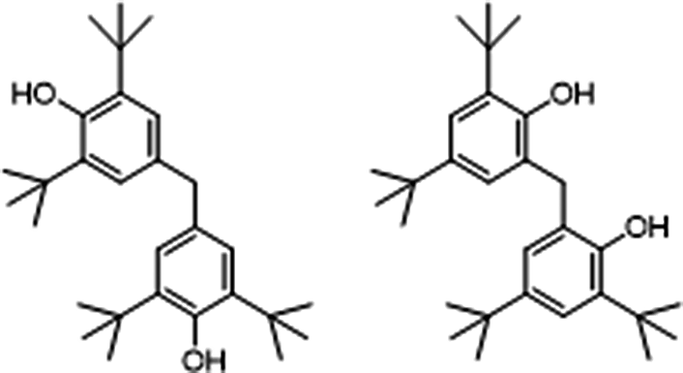
The March 2, 2022, United Nations Environment Assembly Resolution 5/14: “End plastic pollution: Toward an international legally binding instrument by 2024” provides an important path for addressing global plastic pollution, from monomer design and production through the value chain to the final fate of plastic products, including resource recovery. Of the goals set for this effort, simplifying the polymer and additive universe is among the most significant. One primary obstacle to resource recovery from plastic waste is polymer variability, which renders post-use plastic inherently waste-like. While simplification will not address microplastics and leaching of chemicals during use, these measures simplify the plastic universe and mitigate leakage which is critical to ensuring circular plastic use. This study provides a pathway for simplification of formulations through the elimination of problematic additives and revealing paths toward simplifying and reducing the variability in polymers, waste streams and pollution, while preserving critical uses. This study focuses on phenolic antioxidants to support this concept; however, these principles can be applied to other additive classes. The results show extensive duplication of chemical species with different trade names and the appearance of only minor changes to species with the intention of evergreening patents for improved marketability.
In response to its severe environmental problems, China's government is pursuing a national goal to “build an ecological civilization.” One approach used to theorize about China's environmental governance is environmental authoritarianism (EA). Drawing on work in political steering theory and the governmentality tradition, this paper addresses the “soft” side of EA by analysing the eco-civilization discourse on food and eating in policy documents and consumer guidebooks. It argues that China's EA works not only through coercion but also through citizen responsibilization. The emerging discourse of eco-civilization outlines a cultural nationalist programme focused on virtue and vice, in which consumer behaviour is morally charged. Consumers are expected to cultivate themselves into models of ecological morality to fulfil their civic duty and support the state's goal of building an ecological civilization.
Hunting pits are common archaeological features in northern landscapes, mainly researched from a morphological perspective, as dateable material is scarce. This has resulted in a limited and generalized understanding of hunting pits. While human land use in non-agrarian settings is often subtle, it can still be understood in terms of distribution and management by using relational approaches that address spatial organization and the nature of land use. This study, based on extensive field surveys and GIS analyses and guided by the concept of landscape domestication, has identified the characteristics of approximately 1500 previously unrecorded hunting pits in the Arctic region of Sweden. It examines how hunting pit systems, their selective spatial distribution, and strategic arrangement can be seen as expressions of landscape domestication. The author concludes that, through profound knowledge and deliberate resource management, communities invested in the landscape, generating dense spatial and temporal manifestations in the form of hunting pits. These systems reflect an elaborate hunting technique involving the whole landscape.
This article proposes to examine an obscure episode in the long career of the well-known Welsh Baptist missionary Timothy Richard, who went to China in 1870 and spent most of the next 45 years there. Richard attended the second general Protestant Missionary Conference in Shanghai in 1890 and served on committees, spoke at meetings, and presented a paper. The information available, though scanty, confirms key components of his approach to mission at this time: his goal was to achieve Chinese ‘salvation’ by promoting the principles and practices of what might be broadly termed ‘Christian civilisation’; his means of propagation was the written word; his preferred point of entry was contact with members of China's ‘ruling’ or ‘governing’ classes. In response to his call for action against anti-Christian, anti-Church propaganda, the conference appointed a permanent committee, with Richard as chair, to present an address on the ‘missionary question’ to the Qing government. It was this project that took him to Beijing in 1895, where he met with court officials and members of the educated elite, and established connections that involved him, rather haphazardly, in court politics in 1898. The sequence of events sheds light on an intriguing aspect of Sino–foreign relations during the late Qing period.
This paper investigates an encounter in a multilingual welfare setting where a child with migration experiences is the rights holder. The empirical basis is a story told by the interpreter Nour, about an encounter at a youth clinic. The analysis is guided by the concept of linguistic (in)justice. Findings show that linguistic injustices are a result of the reproduction of monolingual mindsets and linguistic paternalism in the intersection of layers of power asymmetries when welfare professionals do not let the child client talk, when adults talk on the child’s behalf, and the speakers give priority to the majority language on behalf of the language that the child speak. These findings suggest that professionals and policymakers must recognise the special conditions of a multilingual setting and children as a particular group of language rights holders.
Tuberculosis (TB) is one of the deadliest infectious diseases globally, ranking as 13th leading cause of mortality and morbidity. According to the Global Tuberculosis Report 2022, TB claimed the lives of 1.6 million people worldwide in 2021. Among the casualties, 1 870 000 individuals with HIV co-infections contributed to 6.7% of the total fatalities, accounting TB as the second most lethal infectious disease following COVID-19. In the quest to identify biomarkers for disease progression and anti-TB therapy, microRNAs (miRNAs) have gained attention due to their precise regulatory role in gene expression in disease stages and their ability to distinguish latent and active TB, enabling the development of early TB prognostic signatures. miRNAs are stable in biological fluids and therefore will be useful for non-invasive and broad sample collection. However, their inherent lack of specificity and experimental variations may lead to false-positive outcomes. These limitations can be overcome by integrating standard protocols with machine learning, presenting a novel tool for TB diagnostics and therapeutics. This review summarizes, discusses and highlights the potential of miRNAs as a biomarker, particularly their differential expression at disease stages. The review assesses the advantages and obstacles associated with miRNA-based diagnostic biomarkers in pulmonary TB and facilitates rapid, point-of-care testing.
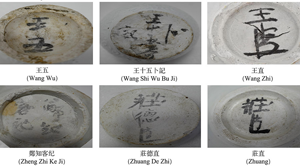
Identification of the origins of maritime-traded porcelain, though key to unravelling ancient production and trade dynamics, remains challenging. The authors present a pioneering micro-provenance analysis of Dehua-style porcelain from the late-twelfth-century Nanhai I shipwreck, recovered from the South China Sea. By pinpointing the origins of porcelain subtypes, including those bearing ink inscriptions, this study provides greater nuance in understanding spatial patterns of production and the impact of buyer/seller choice in maritime trade. The findings further highlight the effectiveness of portable x-ray fluorescence as a high-precision provenancing analysis and offer insights into porcelain production timelines in south-east China.
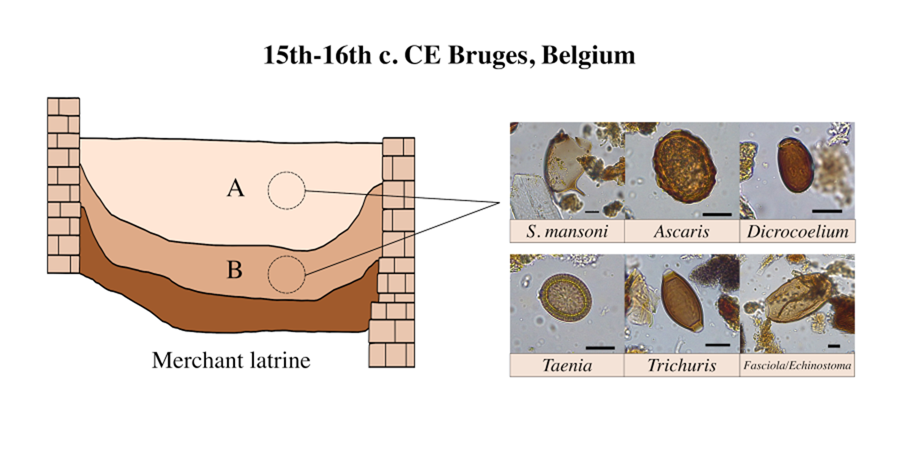
Paleoparasitological studies have made important contributions to our understanding of the past epidemiology of parasites, infection in past populations and lifestyle in the past. In some cases, these ancient parasites can also provide evidence for long distance travel or migration of people in the past. Three sediment samples from a 15th–16th c. CE latrine from the Spanish nation house in Bruges, Belgium were analysed for preserved helminth eggs using microscopy. Bruges was a major trading centre in medieval Europe, thus it was home to a large merchant population with extensive trading networks. Paleoparasitological analysis revealed a preserved parasite egg from Schistosoma mansoni, which causes intestinal schistosomiasis. Roundworm, whipworm, liver fluke and Taenia tapeworm eggs were also found in the latrine which is consistent with parasites previously found in the local population in the medieval period. These new data provide direct evidence for the movement of S. mansoni outside of its endemic area. Today the vast majority of S. mansoni infections occur in Sub-Saharan Africa, with additional endemic areas in the Arabian peninsula and South America. The introduction of S. mansoni into South America is proposed to have occurred relatively recently in human history, as the result of forced movement of people from Africa to the Americas with the Atlantic slave trade. Thus, this infection may have occurred in a merchant who acquired the parasite during trade voyages to Africa or in an individual living in Africa who migrated to Bruges.
To examine feasibility, acceptability, and preliminary effectiveness of a novel group-based telemedicine psychoeducation programme aimed at supporting psychological well-being among adolescents with Fontan-palliated CHD.
Study design:
A 5-week telemedicine psychoeducation group-based programme (WE BEAT) was developed for adolescents (N = 20; 13–18 years) with Fontan-palliated CHD aimed at improving resiliency and psychological well-being. Outcome measures included surveys of resilience (Connor–Davidson Resilience Scale), benefit finding (Benefit/Burden Scale for Children), depression, anxiety, peer relationships, and life satisfaction (National Institutes of Health Patient-Reported Outcomes Measurement Information System scales). Within-subject changes in these outcomes were compared pre- to post-intervention using Cohen’s d effect size. In addition, acceptability in the form of satisfaction measures and qualitative feedback was assessed.
Results:
Among eligible patients reached, 68% expressed interest in study participation. Of those consented, 77% have been scheduled for a group programme to date with 87% programme completion. Twenty adolescents (mean age 16.1 ± SD 1.6 years) participated across five WE BEAT group cohorts (range: 3–6 participants per group). The majority (80%) attended 4–5 sessions in the 5-session programme, and the median programme rating was a 9 out of 10 (10 = most favourable rating). Following WE BEAT participation, resiliency (d = 0.44) and perceptions of purpose in life increased (d = 0.26), while depressive symptoms reduced (d = 0.36). No other changes in assessed outcome measures were noted.
Conclusions:
These findings provide preliminary support that a group-based, telemedicine delivered psychoeducation programme to support psychological well-being among adolescents with CHD is feasible, acceptable, and effective. Future directions include examining intervention effects across diverse centres, populations, and implementation methods.
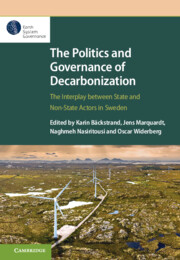
This book examines how, and under what conditions, states – in collaboration with non-state actors – can govern a societal transformation toward large-scale decarbonization in line with the goals of the Paris Agreement. It advances an innovative analytical framework on how the state governs through collaborative climate governance to foster cooperation, deliberation, and consensus between state and non-state actors. The book focuses on Sweden, which aims to become a fossil-free state. The chapters analyze Sweden's progress toward net-zero emissions, its role in international climate governance, and how the COVID-19 pandemic affected climate networks. Providing valuable policy insights for other countries endeavoring to decarbonize, this book is a useful reference for graduate students and researchers in climate governance, political science, and international relations. It is one of a series of publications associated with the Earth System Governance Project. For more publications, see www.cambridge.org/earth-system-governance. This title is also available as Open Access on Cambridge Core.