To save content items to your account,
please confirm that you agree to abide by our usage policies.
If this is the first time you use this feature, you will be asked to authorise Cambridge Core to connect with your account.
Find out more about saving content to .
To save content items to your Kindle, first ensure no-reply@cambridge.org
is added to your Approved Personal Document E-mail List under your Personal Document Settings
on the Manage Your Content and Devices page of your Amazon account. Then enter the ‘name’ part
of your Kindle email address below.
Find out more about saving to your Kindle.
Note you can select to save to either the @free.kindle.com or @kindle.com variations.
‘@free.kindle.com’ emails are free but can only be saved to your device when it is connected to wi-fi.
‘@kindle.com’ emails can be delivered even when you are not connected to wi-fi, but note that service fees apply.
Whether anorexic patients should be able to refuse treatment when this refusal potentially has a fatal outcome is a vexed topic. A recent proposal for a new category of “terminal anorexia” suggests criteria when a move to palliative care or even physician-assisted suicide might be justified. The author argues that this proposed diagnosis presents a false sense of certainty of the illness trajectory by conceptualizing anorexia in analogy with physical disorders and stressing the effects of starvation. Furthermore, this conceptualization is in conflict with the claim that individuals who meet the diagnostic criteria for terminal anorexia have decision-making capacity. It should therefore be rejected.
We present a simple analytical formalism based on the Lorentz-Scherrer equation and Bernoulli statistics for estimating the fraction of crystallites (and the associated uncertainty parameters) contributing to all finite Bragg peaks of a typical powder pattern obtained from a static polycrystalline sample. We test and validate this formalism using numerical simulations, and show that they can be applied to experiments using monochromatic or polychromatic (pink-beam) radiation. Our results show that enhancing the sampling efficiency of a given powder diffraction experiment for such samples requires optimizing the sum of the multiplicities of reflections included in the pattern along with the wavelength used in acquiring the pattern. Utilizing these equations in planning powder diffraction experiments for sampling efficiency is also discussed.
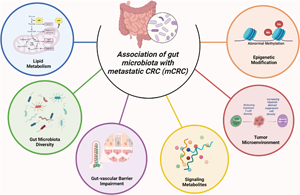
The microbiome's interactions with immune cells, modulation of gene expression, and involvement in DNA damage response highlight its critical role in cancer progression and metastasis, offering potential therapeutic targets for intervention.
The role of oncobiosis, characterized by dysregulated microbial ecosystems associated with cancer, has been increasingly acknowledged in promoting the metastasis and dissemination of tumour cells. A comprehensive understanding of the complex interactions between the gut microbiome and metastatic colorectal cancer (mCRC) presents promising avenues for the development of innovative therapeutic approaches centred around modulating the gut microbiome to prevent or hinder metastatic spread. In this comprehensive review, we aim to provide a molecularly focused summary of the implications of the human gut microbiome and microbial metabolites in the initiation and advancement of mCRC. By elucidating these intricate mechanisms, we strive to establish a foundation for future research and the design of novel interventions targeting the gut microbiome to combat this devastating disease.
Though commonly used to model affective disorders, zebrafish display notable differences in terms of the structure and function of the brain serotonin system, including responses to pharmacological interventions, as compared to mammals. For example, elevation of brain serotonin following acute administration of serotonin reuptake inhibitors (SRIs) generally has anxiogenic effects, both in the clinical situation and in rodent models of anxiety, but previous research has indicated the opposite in zebrafish. However, several issues remain unresolved. We conducted a systematic review of SRI effects in zebrafish models of anxiety and, on the basis of these results, performed a series of experiments further investigating the influence of serotonin-releasing agents on anxiety-like behaviour in zebrafish, with sex-segregated wild-type animals being administered either escitalopram, or the serotonin releaser fenfluramine, in the light-dark test. In the systematic review, we find that the available literature indicates an anxiolytic-like effect of SRIs in the novel-tank diving test. Regarding the light-dark test, most studies reported no behavioural effects of SRIs, although the few that did generally saw anxiolytic-like responses. In the experimental studies, consistent anxiolytic-like effects were observed with neither sex nor habituation influencing treatment response. We find that the general effect of acute SRI administration in zebrafish indeed appears to be anxiolytic-like, indicating, at least partly, differences in the functioning of the serotonin system as compared to mammals and that caution is advised when using zebrafish to model affective disorders.
Training can improve healthcare providers’ cultural competence and increase their awareness of bias and discrimination in medical decision-making. Cultural competences training is lacking in the education of dieticians in the Netherlands. The aim of this study was to describe the pilot-implementation of a cultural competence training for dieticians and preliminary evaluation of the training.
Methods:
A training was developed based on Seeleman’s cultural competence framework and previously held interviews with migrants, dieticians, and experts. The training consisted of a mixture of didactic and experiential methods, alternating knowledge transfer with exercises to increase awareness, reflection, and feed-back on recorded consultations, and communication training with migrant training actors. The training was piloted in 8 participating dieticians and preliminary mixed-method evaluation was done using a Cultural Competence Questionnaire, Experience Evaluation Questionnaire, and consultation observations.
Results:
The questionnaires showed that dieticians were positive about the training. They found it valuable and educational. Participants reported an increase in self-perceived cultural competence and attitudes. Knowledge and skills remained approximately the same. The observations showed that dieticians applied the teach-back method and discussed treatment options more often after training. There was no increase in the use of visual materials.
Conclusion:
The training was well appreciated and, although a small-scale pilot, this mixed-method study suggests an ability to change cultural competence. The combination of a self-assessment instrument and consultation observations to evaluate cultural competence was highly valuable and feasible. These encouraging results justify a broader implementation of the training.
While clinical research intends to improve health outcomes for all, access to research participation is often limited and inequitable. Geographic proximity is a recognized barrier, thus, systemic infrastructure solutions through federal programs including General Clinical Research Centers and Clinical and Translational Science Awards have sought to improve accessibility. Even with such support, academic medical centers often have limited clinical research-dedicated space apart from shared exam rooms in difficult-to-navigate hospitals or clinics. In 2019, the Duke University School of Medicine looked beyond its medical center campus to identify free-standing sites within Durham communities for participant study visits. Catalyzed by the COVID-19 pandemic, Duke Research at Pickett, a 22 000-square-foot building with a laboratory, 30 exam rooms, and on-site parking, opened in October 2020 to support vaccine and treatment trials. Upon the lifting of many COVID-19 restrictions, and in partnership with the Research Equity and Diversity Initiative (READI) Community Advisory Council, the building was transformed to encourage community gatherings, education, and training programs. To date, Duke Research at Pickett has hosted 2692 participants in 78 research trials and 14 community-engaged activities.
Research for development (R4D) projects are designed to enhance the research community's contribution to implementation of the 2030 Agenda of the United Nations. We studied seven R4D projects that specifically addressed Sustainable Development Goal (SDG) 15 (life on land) in 14 contexts across Asia, Africa, and South America. We then analyzed how these projects interacted with other SDGs. Our findings reveal that the positive and negative interactions between project objectives and SDG targets vary significantly across contexts, highlighting the importance of considering local conditions when designing and implementing R4D initiatives.
Technical summary
We analyze how the objectives of research for development (R4D) projects that focus on a particular Sustainable Development Goal (SDG) – SDG 15 (life on land) – interact with the targets of other SDGs. We studied seven R4D projects in 14 contexts across Asia, Africa, and Latin America, comparing expert judgement of interactions between project objectives and SDG targets. Our findings indicate that the success of these projects depends largely on whether they are also working toward SDG targets other than those contained in SDG 15. In particular, working toward targets contained within SDGs on poverty, hunger, water, energy, production and consumption, and global partnerships – was often considered indivisible from the project objectives. Further, while all of the projects focused on SDG 15, our findings suggest that addressing only this goal is not sufficient. A range of other targets that were a priori not the immediate focus of the projects were revealed as ‘crucial’ to the project objectives across contexts. Finally, we list several implications, such as the need for policies to integrate local realities and the need for environmental R4D projects to adopt a holistic scope, particularly in terms of (a) securing social foundations, (b) building enabling institutions, and (c) negotiating competing claims on land.
Social media summary
What can we learn from land-related research for development projects and their links to the SDGs in concrete contexts?
Palmer amaranth (Amaranthus palmeri S. Watson, AMAPA) is one of the most troublesome weeds in North America due to its rapid growth rate, substantial seed production, competitiveness and the evolution of herbicide-resistant populations. Though frequently encountered in the South, Midwest, and Mid-Atlantic regions of the United States, A. palmeri was recently identified in soybean [Glycine max (L.) Merr.] fields in Genesee, Orange, and Steuben counties, NY, where glyphosate was the primary herbicide for in-crop weed control. This research, conducted in 2023, aimed to (1) describe the dose response of three putative resistant NY A. palmeri populations to glyphosate, (2) determine their mechanisms of resistance, and (3) assess their sensitivity to other postemergence herbicides commonly used in NY crop production systems. Based on the effective dose necessary to reduce aboveground biomass by 50% (ED50), the NY populations were 42 to 67 times more resistant to glyphosate compared with a glyphosate-susceptible population. Additionally, the NY populations had elevated EPSPS gene copy numbers ranging from 25 to 135 located within extrachromosomal circular DNA (eccDNA). Label rate applications of Weed Science Society of America (WSSA) Group 2 herbicides killed up to 42% of the NY populations of A. palmeri. Some variability was observed among populations in response to WSSA Group 5 and 27 herbicides. All populations were effectively controlled by labeled rates of herbicides belonging to WSSA Groups 4, 10, 14, and 22. Additional research is warranted to confirm whether NY populations have evolved multiple resistance to herbicides within other WSSA groups and to develop effective A. palmeri management strategies suitable for NY crop production.
Child maltreatment impacts approximately one in seven children in the United States, leading to adverse outcomes throughout life. Adolescence is a time period critical for the development of executive function, but there is little research examining how abuse and neglect may differently affect the developmental trajectories of executive function throughout adolescence and into young adulthood. In the current study, 167 adolescents participated at six time points from ages 14 to 20. At each time point, adolescents completed behavioral tasks measuring the three dimensions of executive function (working memory, inhibitory control, and cognitive flexibility). Neglect and abuse in early life (ages 1–13) were reported at ages 18–19. Unconditional growth curve models revealed age-related improvement in all three executive function dimensions. Conditional growth curve models tested the prospective effects of recalled neglect and abuse on the developmental trajectories of executive function. The results revealed that neglect was associated with developmental changes in working memory abilities, such that greater levels of neglect during ages 1–13 were associated with slower increases in working memory abilities across ages 14–20. These findings highlight the adverse consequences of early neglect experiences shown by delayed working memory development during adolescence into young adulthood.
We prove novel asymptotic freeness results in tracial ultraproduct von Neumann algebras. In particular, we show that whenever $M = M_1 \ast M_2$ is a tracial free product von Neumann algebra and $u_1 \in \mathscr U(M_1)$, $u_2 \in \mathscr U(M_2)$ are Haar unitaries, the relative commutants $\{u_1\}' \cap M^{\mathcal U}$ and $\{u_2\}' \cap M^{\mathcal U}$ are freely independent in the ultraproduct $M^{\mathcal U}$. Our proof relies on Mei–Ricard’s results [MR16] regarding $\operatorname {L}^p$-boundedness (for all $1 < p < +\infty $) of certain Fourier multipliers in tracial amalgamated free products von Neumann algebras. We derive two applications. Firstly, we obtain a general absorption result in tracial amalgamated free products that recovers several previous maximal amenability/Gamma absorption results. Secondly, we prove a new lifting theorem which we combine with our asymptotic freeness results and Chifan–Ioana–Kunnawalkam Elayavalli’s recent construction [CIKE22] to provide the first example of a $\mathrm {II_1}$ factor that does not have property Gamma and is not elementary equivalent to any free product of diffuse tracial von Neumann algebras.



Volunteer corn (Zea mays L.) is a competitive weed in corn-based cropping systems. Scientific literature does not exist about the water use of volunteer corn grown in different crops and irrigation systems. The objectives of this study were to characterize the growth and evapotranspiration (ETa) of volunteer corn in corn, soybean [Glycine max (L). Merr.], and sorghum [Sorghum bicolor (L.) Moench] under center-pivot irrigation (CPI) and subsurface drip irrigation (SDI) systems. Field experiments were conducted in south-central Nebraska in 2021 and 2022. Soil moisture sensors were installed at depths of 0 to 0.30, 0.30 to 0.60, and 0.60 to 0.90 m to track soil water balance and quantify seasonal total ETa. Corn was the most competitive, as volunteer corn had the lowest biomass, leaf area, and plant height compared with the fallow. Soybean was the least competitive with volunteer corn, as the plant height, biomass, and leaf area of volunteer corn in soybean were similar to fallow at 15, 30, 45, and 60 d after transplanting (DATr). Averaged across crop treatments, irrigation type did not affect volunteer corn growth at 15 to 45 DATr. Soil water depletion and ETa were similar across crop treatments with and without volunteer corn, as water was not a limiting factor in this study. The ETa of volunteer corn was the highest in soybean (623 mm), followed by sorghum (622 mm), and corn (617 mm) under CPI. The SDI had higher irrigation efficiency, because without affecting crop yield, it had 3%, 6%, and 8% lower ETa in soybean (605 mm), sorghum (585 mm), and corn (571 mm), respectively. Although soil water use did not differ with volunteer corn infestation, a soybean yield loss of 27% was observed, which suggests that volunteer corn may not compete for moisture under fully irrigated conditions; however, it can impact the crop yield potential due to competition for factors other than soil moisture.
Around 55 million people worldwide live with dementia, and more are expected due to population ageing. We aimed to investigate associations between healthy diet and mild cognitive impairment and dementia in 1753 older adults aged 60–64 from the PATH (Personality and Total Health Through Life Cohort) study. Healthy diet was defined by the Mediterranean-DASH diet Intervention for Neurological Delay (MIND) and two dietary guideline quality scores (Dietary Guideline Index (DGI) and Index Diet Quality (IDQ)), which were calculated from baseline FFQ. Higher dietary scores indicated higher diet quality. Incidence of Alzheimer’s disease/vascular dementia (National Institute of Neurological Disorders criteria) and mild cognitive impairment (Winbald criteria) was assessed after 12 years of follow-up using validated questionnaires with nominated proxies. Logistic regression explored associations between dietary scores and cognitive function, adjusting for demographics, lifestyle factors and medical preconditions. Adjusted logistic regression comparing the per unit linear increase in diet scores showed MIND (OR = 0·82, 95 % CI = 0·68, 0·99), but not DGI (0·99 (0·97, 1·00)) or IDQ (1·12 (0·95, 1·32)), was significantly associated with lower odds of developing cognitive impairment. In conclusion, a healthier neuroprotective dietary pattern is associated with better cognitive function over time, whereas dietary patterns generated from general dietary guidelines did not show a significant association. Further research and well-designed clinical studies are needed to determine the effects of the MIND diet on cognitive impairment in older adults without a family history of dementia.
Dioctophyme renale, the giant kidney worm, is a nematode related to Trichuris sp and is distributed worldwide. These parasites locate in the kidney of their definitive hosts (mainly belonging to the order Carnivora) and have an indirect life cycle with an annelid as the main intermediate host. Humans are rarely affected, but in those that are, 1 or both kidneys are destroyed. In South America, D. renale is widespread in riparian regions where changing climatic conditions, environmental degradation, and compromised sanitation are increasing the risk of distribution of this parasite, including humans. Here, we provide the descriptions of the genetic diversity of the parasite in the region by analysing 73 adult D. renale samples collected from domestic and wild carnivores. The most common hosts were (Canis lupus familiaris) and maned wolf (Chrysocyon brachyurus Fam. Canidae) among domestic and wild carnivores, respectively. This work shows the descriptions of the genetic diversity of this parasite complementing molecular methods and classical and probabilistic phylogeography. Our results strongly suggest that this parasite has been present on the continent long enough to develop local genetic variants. Also, the phylogenies show transmission between localities and bidirectional transmission between domestic and wild species. We now have new tools to understand the ecological dynamics of this parasite such as molecular markers to study its genetic diversity as well as for identification and reporting in cryptic cases.
On September 17, 2024, at 15:30 local time, thousands of pagers used by members of a specific party group detonated across Lebanon. As a result of the explosions, 2800 were wounded and 12 lost their lives. Almost two-thirds of the injuries were in the face, eyes, or hands. The Lebanese American University Medical Center received 38 injured and admitted 36 patients, 13 of them to the Intensive care unit. A total of 33 patients needed surgeries. All medical and nursing staff were deployed. The health care workers faced major challenges that night: the severity of the injuries and the unprecedented types of injuries with the same pattern, and the urgent need for ophthalmology and orthopedics within the hospital and across the country. Learning from the Pager Explosion, each hospital should perform assessments of their disaster response plan, develop trainings, and conduct regular exercises in preparation for future disasters.
Plateau icefields are large stores of fresh water, preconditioned to enhanced mass loss due to their gently sloping accumulation areas. Accurate modelling of their mass balance is therefore crucial for sea-level rise projections. Here, we use the COupled Snowpack and Ice surface energy and mass-balance model in PYthon (COSIPY) to simulate historical and future mass balance of the Juneau Icefield, Alaska – a high elevation (>1200 m) plateau icefield. We force the model with dynamically downscaled climate simulations, for both past and future (RCP 8.5) conditions. The icefield's mass balance decreased from a mean of −0.22 ± 0.38 m w.e. a−1 (1981–2019) to −1.52 ± 0.27 m w.e. a−1 (2031–2060), with many glaciers shifting from positive to negative mass balances at the start of the 21st century. This mass loss is attributed to projected rising air temperatures and reduced snowfall, causing the equilibrium line altitude to rise and triggering albedo and melt-elevation feedbacks. These processes exacerbate melt, potentially leading to increased glacier disconnections at icefalls.
We present a new model for understanding ice cliff dynamics within a debris-covered glacier ablation zone. This simple energy-balance model incorporates a moving frame of reference, made necessary by the melt of the surrounding debris-covered ice. In so doing, this also formalises how different types of field measurements can be utilised and compared. Our predictions include showing: ice cliffs can endogenously select their own slope angles; that there should be an indifference between illuminated north- and south-facing ice cliff slopes; that ice cliffs grow steeper with thicker debris layers; that ice cliffs cannot stably exist below a certain critical debris thickness and that some modelling of ice cliffs (when not incorporating the moving frame) may incorrectly estimate ice mass losses. All of our results are produced using parametrisations from Baltoro Glacier, Karakoram.
In VIVRE (NCT04448431), vortioxetine was associated with significantly higher rates of symptomatic and functional remission, better daily and social functioning, and greater treatment satisfaction than desvenlafaxine in patients with major depressive disorder (MDD) and partial response to selective serotonin reuptake inhibitor (SSRI) therapy. This analysis further explored the relative improvement in patient functioning with vortioxetine versus desvenlafaxine.
Methods
VIVRE was a randomized, double-blind study of vortioxetine (10 or 20 mg/day) versus desvenlafaxine (50 mg/day) in adults with MDD and partial response to initial SSRI monotherapy. Mean percentage changes from baseline to week 8 in Functioning Assessment Short Test (FAST) total and domain scores were analyzed by treatment group in the overall population and in working patients.
Results
In the overall population, the mean reduction in FAST total score from baseline after 8 weeks of treatment was 37.2% in vortioxetine-treated patients versus 31.8% in desvenlafaxine-treated patients (P = 0.04). Significantly greater improvements versus desvenlafaxine were seen in vortioxetine-treated patients for FAST autonomy, cognitive functioning, and interpersonal-relationships scores (all P < 0.05). In working patients, the mean reduction in FAST total score from baseline at week 8 was 38.7% versus 32.1% in the vortioxetine and desvenlafaxine groups, respectively (P = 0.04). Significant correlations were seen between absolute changes in patient functioning, and those in depression severity and health-related quality of life.
Conclusion
Vortioxetine was significantly better than desvenlafaxine in improving overall functioning as well as daily, social, and cognitive functioning in patients with MDD with inadequate response to prior SSRI therapy.
Previous literature suggests that in masculinized domains, a stereotypical portrayal of women has a negative impact on society’s perception of them. However, the influence of media representation on people’s perceptions of athletes depending on their gender, as well as its possible consequences for both men and women, remains unexplored in the sports sphere. Through two experimental studies employing a scenario methodology, we aimed to address this gap in the literature: In Study 1 (N = 190), we tested the influence of the media’s representation (focused on the professional field vs. extraprofessional field) and the athlete’s gender (man vs. woman) on perceptions, and in Study 2 (N = 625), we examined the effect of gender for an athlete receiving media coverage focused on the extraprofessional field. Study 1’s results showed that when media representation was based on the professional (vs. extraprofessional) field, participants perceived the news as more credible, believed that the media valued the athlete’s capacity to a greater extent, and attributed more merit to the athlete. Moreover, Study 2, focused on an extraprofessional field, indicated that when a man athlete (vs. woman athlete) was portrayed, participants were more likely to consider the news content accurate, which, in turn, was associated with a higher attribution of competence to the athlete and a higher intention to consume sports media in the future. The study will hopefully help reduce beliefs about existing stereotypes as well as discrimination against women, whether in sports or in any other field (e.g., professionally or in education).
Informal digital learning of English (IDLE) is a promising way of learning English that has received growing attention in recent years. It has positive effects on English as a foreign language (EFL) learners and also creates valuable opportunities for EFL teachers to improve their teaching skills. However, there has been a lack of a valid and reliable scale to measure IDLE among teachers in EFL contexts. To address this lacuna, this study aims to develop and validate a scale to measure IDLE for EFL teachers in Iran. For this purpose, a nine-step rigorous validation procedure was undertaken: administering pilot interviews; creating the first item pool; running expert judgment; running interviews and think-aloud protocol; running the pilot study; performing exploratory factor analysis, Cronbach’s alpha, and confirmatory factor analysis; creating the second item pool; conducting expert reviews; and performing translation and translation quality check. Findings yielded a 41-item scale with six subscales: IDLE-enhanced benefits (12 items), IDLE practice (five items), support from others (nine items), authentic L2 experience (three items), resources and cognition (four items), and frequency and device (eight items). The scale demonstrated satisfactory psychometric properties such that it can be used for research and educational purposes in future.