To save content items to your account,
please confirm that you agree to abide by our usage policies.
If this is the first time you use this feature, you will be asked to authorise Cambridge Core to connect with your account.
Find out more about saving content to .
To save content items to your Kindle, first ensure no-reply@cambridge.org
is added to your Approved Personal Document E-mail List under your Personal Document Settings
on the Manage Your Content and Devices page of your Amazon account. Then enter the ‘name’ part
of your Kindle email address below.
Find out more about saving to your Kindle.
Note you can select to save to either the @free.kindle.com or @kindle.com variations.
‘@free.kindle.com’ emails are free but can only be saved to your device when it is connected to wi-fi.
‘@kindle.com’ emails can be delivered even when you are not connected to wi-fi, but note that service fees apply.
Intrinsic relation between form and substance in law and between the institutional law of the EU and its substantive goals – idea and criteria for a ‘substantive core’ to the legal order – the internal market as early EU law’s substantive core – the EU’s changing policy substance and the subsequent ‘de-coring’ of the legal order – the consequences of de-coring and its impact on EU law’s relevance and legitimacy – early attempts to reconcile EU law with the changing substance of EU policy.
We experimentally and numerically characterize rapidly rotating radiatively driven thermal convection, beyond the sole heat transport measurements reported by Bouillaut et al. (Proc. Natl Acad. Sci., vol. 118, 2021, e2105015118). Based on a suite of direct numerical simulations (DNS) and additional processing of the experimental data collected by Bouillaut et al. (Proc. Natl Acad. Sci., vol. 118, 2021, e2105015118), we report the simultaneous validation of the scaling predictions of the ‘geostrophic turbulence’ regime – the diffusivity-free or ‘ultimate’ regime of rapidly rotating convection – for the heat transport and the temperature fluctuations. Following such cross-validation between DNS and laboratory experiments, we further process the numerical data to validate the ‘geostrophic turbulence’ scaling predictions for the flow velocity and horizontal scale. Radiatively driven convection thus appears as a versatile set-up for the laboratory observation of the diffusivity-free regimes of various convective flows of geophysical and/or astrophysical interest.
COVID-19 was a collective traumatic event; however, different individuals may have perceived it differently.
Aims
This study investigated what older people in a collective culture perceived as stressful during COVID-19 and examined how different stressors related to COVID-19 infection and mental health risks.
Method
Thirty-six participants from diverse backgrounds engaged in a three-round Delphi study to generate items for a COVID-19-related stress scale for older adults (CSS-OA). Subsequently, 4674 people (aged ≥60 years) participated in a cross-sectional telephone survey; interviewers collected their responses to CSS-OA and information about COVID-19 infection, depressive symptoms, anxiety, loneliness and demographics. Exploratory factor analysis and confirmatory factor analysis were conducted on CSS-OA. A multiple indicator multiple cause (MIMIC) model was used to examine associations between CSS-OA and other measures.
Results
The Delphi process generated eight items, all secondary or tertiary stressors related to infection. Exploratory factor analysis revealed a three-factor model, and confirmatory factor analysis confirmed an excellent fit (comparative fit index = 0.99, root mean square error of approximation = 0.06). Pre-existing mental health conditions, having family members/friends infected with COVID-19, loneliness, anxiety and depressive symptoms were associated with higher stress. Conversely, self-infection with COVID-19, older age, being female and living alone were negatively associated with some domains of CSS-OA (all P < 0.05).
Conclusions
The Delphi process enhanced our understanding of what older people perceived as stressful, much of which resulted from certain healthcare strategies and reflected cultural influences. These and the MIMIC results highlight the need to balance public health policies with respect to infectious diseases and older people's mental health and quality of life.
This study explores the integration of generative artificial intelligence (GenAI) in informal digital learning of English (IDLE) practices, focusing on its potential to enhance language learning outcomes and addressing the technological challenges language teachers face in utilising AI-based tools to facilitate second language acquisition. Based on the research context of IDLE and holistic learning ecology and drawing on the theoretical frameworks of technological pedagogical and content knowledge and social cognitive theory, we performed a mixed-methods investigation with an empirical experiment to assess the effectiveness of GenAI followed by semi-structured interviews. The results suggest that the GenAI-mediated IDLE practices effectively improve college students’ oral proficiency in English from both technological and humanistic perspectives. However, results also indicate that the GenAI conversational partner alone is not adequate to provoke continuous extramural GenAI-mediated IDLE practices. We discuss the theoretical and pragmatic significance of GenAI-mediated IDLE in educational equity and reformation.
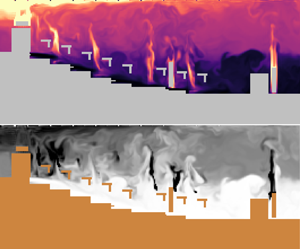
Melting and solidification in periodically time-modulated thermal convection are relevant for numerous natural and engineering systems, for example, glacial melting under periodic sun radiation and latent thermal energy storage under periodically pulsating heating. It is highly relevant for the estimation of melt rate and melt efficiency management. However, even the dynamics of a solid–liquid interface shape subjected to a simple sinusoidal heating has not yet been investigated in detail. In this paper, we offer a better understanding of the modulation frequency dependence of the melting and solidification front. We numerically investigate periodic melting and solidification in turbulent convective flow with the solid above and the melted liquid below, and sinusoidal heating at the bottom plate with the mean temperature equal to the melting temperature. We investigate how the periodic heating can prevent the full solidification, and the resulting flow structures and the quasi-equilibrium interface height. We further study the dependence on the heating modulation frequency. As the frequency decreases, we found two distinct regimes, which are ‘partially solid’ and ‘fully solid’. In the fully solid regime, the liquid freezes completely, and the effect of the modulation is limited. In the partially solid regime, the solid partially melts, and a steady or unsteady solid–liquid interface forms depending on the frequency. The interface height can be derived based on the energy balance through the interface. In the partially solid regime, the interface height oscillates periodically, following the frequency of modulation. Here, we propose a perturbation approach that can predict the dependency of the oscillation amplitude on the modulation frequency.
The importance of automating pavement maintenance tasks for highway systems has garnered interest from both industry and academia. Despite significant research efforts and promising demonstrations being devoted to reaching a level of semi-automation featuring digital sensing and inspection, site maintenance work still requires manual processes using special vehicles and equipment, reflecting a clear gap to transition to fully autonomous maintenance. This paper reviews the current progress in pavement maintenance automation in terms of inspection and repair operations, followed by a discussion of three key technical challenges related to robotic sensing, control, and actuation. To address these challenges, we propose a conceptual solution we term Autonomous Maintenance Plant (AMP), mainly consisting of five modules for sensing, actuation, control, power supply, and mobility. This AMP concept is part of the “Digital Roads” project’s cyber-physical platform where a road digital twin (DT) is created based on its physical counterpart to enable real-time condition monitoring, sensory data processing, maintenance decision making, and repair operation execution. In this platform, the AMP conducts high-resolution survey and autonomous repair operations enabled (instructed) by the road DT. This process is unmanned and completely autonomous with an expectation to create a fully robotized highway pavement maintenance system.
BioForms integrates sacrificial formworks, agent-based computational algorithms and biological growth in the generation of biodegradable internal wall panel systems. These wall panel systems are intended to minimize material waste, utilize local botany and generate a symbiosis between the artificially made and the naturally grown. This is achieved by utilizing local waste as a structural compressive core, mycelium as the binder, and recycled pellets as the architectural skin. Leveraging mycelium’s structural, acoustic and thermal properties, this exploration delves into unique methods of incorporating fungi and waste into architectural construction. The motivations for this research stem from the need to address the building industry’s contribution to climate change, by considering the lifecycle of our materials. BioForms aims to retrofit existing buildings by replacing foam insulation and MDF (medium-density fiberboard) wall panels with biodegradable and recyclable 3D-printed skins embedded with a mycelium core. Analysing mycelium’s reaction to BioForms I, the second iteration, BioForms II, evolves in design complexity and materiality. BioForms II explored robotically fabricated wood-based polylactic acid plastic (PLA) composite materials. Within the second iteration of this research stream, mycelia was both embedded within the compressed fabricated skins and on the external surface. Whilst BioForms explored the generation of biodegradable wall panel systems, the broader aims of this research is aimed at infiltrating biological matter into human-occupied spaces, completely omitting the use of synthetic building materials within the construction industry and advancing the architects relationship to nature in the generation of form.
The Pliensbachian–Toarcian succession of North Yorkshire provides a global reference for the interval incorporating the Toarcian Oceanic Anoxic Event (T-OAE, ∼183 Ma). Major and trace element, carbon stable-isotope (δ13Corg) and total organic carbon (TOC) data for the Dove’s Nest core, drilled close to the classic outcrop sections of the Yorkshire coast, demonstrate geochemical, mineralogical and grain-size trends linked to sea level and climate change in the Cleveland Basin. High-resolution correlation between the core and outcrop enables the integration of data to generate a comprehensive chemostratigraphic record. Palaeoredox proxies (Mo, U, V, TOC/P, DOP and Fe speciation) show a progressive shift from oxic bottom waters in the late Pliensbachian through dysoxic–anoxic conditions in the earliest Toarcian to euxinia during the T-OAE. Anoxia–dysoxia persisted into the middle Toarcian. Elemental and isotope data (Re, Re/Mo, δ34SCAS, δ98Mo and ε205Tl) from the coastal sections evidence global expansion of anoxic and euxinic seafloor area driving drawdown of redox-sensitive metals and sulfate from seawater leading to severe depletion in early Toarcian ocean water. The record of anoxia–euxinia in the Cleveland Basin largely reflects global-scale changes in ocean oxygenation, although metal depletion was temporarily enhanced by periods of local basin restriction. Osmium and Sr isotopes demonstrate a pulse of accelerated weathering accompanying the early Toarcian hyperthermal, coincident with the T-OAE. The combined core and outcrop records evidence local and global environmental change accompanying one of the largest perturbations in the global carbon cycle during the last 200 Ma and a period of major biotic turnover.
We employed an interrupted time series analysis to assess the impact of changing electronic medical records, concurrent with a Catheter-Associated Urinary Tract Infection (CAUTI) Taskforce, on CAUTI rates. We found that rates increased in most ICUs before returning to baseline. These findings suggest that a multi-faceted approach may reduce CAUTI rates.
Indoor ventilation is underutilized for the control of exposure to infectious pathogens. Occupancy restrictions during the pandemic showed the acute need to control detailed airflow patterns, particularly in heavily occupied spaces, such as lecture halls or offices, and not just to focus on air changes. Displacement ventilation is increasingly considered a viable energy efficient approach. However, control of airflow patterns from displacement ventilation requires us to understand them first. The challenge in doing so is that, on the one hand, detailed numerical simulations – such as direct numerical simulations (DNSs) – enable the most accurate assessment of the flow, but they are computationally prohibitively costly, thus impractical. On the other hand, large eddy simulations (LES) use parametrizations instead of explicitly capturing small-scale flow processes critical to capturing the inhomogeneous mixing and fluid–boundary interactions. Moreover, their use for generalizable insights requires extensive validation against experiments or already validated gold-standard DNSs. In this study, we start to address this challenge by employing efficient monotonically integrated LES (MILES) to simulate airflows in large-scale geometries and benchmark against relevant gold-standard DNSs. We discuss the validity and limitations of MILES. Via its application to a lecture hall, we showcase its emerging potential as an assessment tool for indoor air mixing heterogeneity.
Glacier surges can create ice-dammed lakes when the advancing terminus blocks drainage. Such lakes are inherently unstable and can drain abruptly as glacial lake outburst floods (GLOFs), presenting a hazard to downstream populations and infrastructure in high mountain environments. We present satellite image analysis of the evolution of an ice-dammed lake formed by the 2018–20 surge of Shisper Glacier, western Karakoram. Our analysis identifies six phases of lake evolution. A large lake of up to 33.7 ± 9% million m3 formed in 2018–19, 2019–20, 2020–21 and 2021–22. In each case, the lake began to fill late in the year, reached a maximum size in May, and had completely drained between May and July, typically over 1–2 days. This analysis provides further evidence that GLOF hazards associated with lakes dammed by glacier surges can persist for several years after surge termination.
We study the Cauchy problem on the real line for the nonlocal Fisher-KPP equation in one spatial dimension,
\begin{equation*} u_t = D u_{xx} + u(1-\phi *u), \end{equation*}
where $\phi *u$ is a spatial convolution with the top hat kernel, $\phi (y) \equiv H\left (\frac{1}{4}-y^2\right )$. After observing that the problem is globally well-posed, we demonstrate that positive, spatially periodic solutions bifurcate from the spatially uniform steady state solution $u=1$ as the diffusivity, $D$, decreases through $\Delta _1 \approx 0.00297$ (the exact value is determined in Section 3). We explicitly construct these spatially periodic solutions as uniformly valid asymptotic approximations for $D \ll 1$, over one wavelength, via the method of matched asymptotic expansions. These consist, at leading order, of regularly spaced, compactly supported regions with width of $O(1)$ where $u=O(1)$, separated by regions where $u$ is exponentially small at leading order as $D \to 0^+$. From numerical solutions, we find that for $D \geq \Delta _1$, permanent form travelling waves, with minimum wavespeed, $2 \sqrt{D}$, are generated, whilst for $0 \lt D \lt \Delta _1$, the wavefronts generated separate the regions where $u=0$ from a region where a steady periodic solution is created via a distinct periodic shedding mechanism acting immediately to the rear of the advancing front, with this mechanism becoming more pronounced with decreasing $D$. The structure of these transitional travelling wave forms is examined in some detail.


This article presents a little-known story of Jewish-Muslim coexistence in Germany after World War Two. Using an ethnographic case study of Frankfurt am Main’s train-station district (Bahnhofsviertel), the analysis investigates long-term and partially forgotten Jewish-Muslim narratives, relations, and neighborhood encounters, paying particular attention to the changing political, spatial, and temporal dimensions that have blurred or closed symbolic boundaries between Jews and Muslims since the late 1960s. Bringing together the scholarship on symbolic boundaries and urban diversity, the theoretical discussion contributes to a more nuanced understanding of the variegated processes of Jewish-Muslim boundary-making and un-making over time, as well as the macro- and micro-level influences which shape these negotiations and outcomes. Studying Jewish-Muslim relations at the neighborhood level by adopting a boundary-related approach brings out more clearly the tensions over groupism and fluidity in theoretical debates and removes the current exceptionalism around Jewish-Muslim themes, making them more easily compared with other boundary processes within everyday life.
Responsive materials can transform their visual appearance in reaction to environmental stimuli. One example of such responsiveness involves the use of plant-based anthocyanins as pH-mediated allochroic pigments. Despite the increasing interest and applications of this pigment, its applications in urban contexts are very limited. By using pH-mediated colour change as a phenomenon to trial a colourimetric quantitative framework, this study seeks to bridge smart material design with colour science approaches to enable future scale-up applications. The colour values of anthocyanins immobilised in sodium alginate-based hydrogel discs and yarns were measured in response to varying pH values. The colourimetric measurements in CIELAB colour space provided a device for setting independent colour values that demonstrated a clear pattern across the pH range of 1–12. The colour difference (ΔE00) of mean colour values was perceivably different across the pH scale, with a minimum value of 2.7. Key variables of the process have been summarised, and their relationships have been discussed. Finally, a proof-of-concept small-scale textile prototype encompassing anthocyanin-laden hydrogel yarns was developed. The findings of this study contribute towards the integration of non-destructive means of colour measurement as a quantitative tool for biochemical process evaluation.
It’s less than a year since OpenAI’s board voted to fire Sam Altman as CEO, in a palace coup that lasted just a weekend before Altman was reinstated. That weekend and subsequent events in OpenAI’s storyline provide all the ingredients for a soap opera. So, just in case Netflix is interested, here’s a stab at a synopsis of what might be just the first of many seasons of ‘The Generative AI Wars’.
Climatic and atmospheric conditions impact mental health, including increased incidents of depression associated with air pollution. A growing body of research considers time-bound ‘snap-shots’ of climatic drivers and mental health outcomes. Less is known about the likely effects of future climate change on mental health. Research is often inhibited by data scarcity, the challenge of synthesising data across multiple geospatial and temporal scales, and the under-representation of hard-to-reach groups. Thus, research methods are needed to integrate and analyse complex environmental and mental health multi-datasets while improving the visibility of under-represented groups. In this methods paper we present a novel approach for investigating the impact of climate change on mental health and addressing some challenges with, a) invisibility of vulnerable groups, and b) integrating complex environmental and mental health multi-datasets. The research aim is to pilot a web-based and smartphone application (Methane Early Warning Network (ME-NET)) for investigating the role of methane as a precursor of on-ground ozone, and the impact of ozone on mental health outcomes to improve civic knowledge and health-protection behaviour in the United Kingdom and Ghana. The methods include exploring the feasibility of using machine learning to develop an ozone early warning system and application co-design.
Fungal metabolites are known to have potent and diverse properties such as antiviral, antidiabetic, antitumour, antioxidant, free radical scavenging, and antibacterial effects which can be utilized to treat diseases. In this study, we investigated the functional activity of stereumamide A (StA) derived from a culture broth of Trichaptum fuscoviolaceum during the in vitro fertilization (IVF) of pig oocytes, to determine its effects on sperm penetration. Oocytes matured in vitro were fertilized in the absence or presence of varying concentrations of StA (0-50 μg/ml StA). When StA was directly added into the IVF medium, significantly lower fertilization rates were seen with the 20 or 50 μg/ml StA (2.0–17.5%) treatments compared with those of 10 μg/ml StA or the controls (60.9–62.3%), whereas StA had no influence on the survival of oocytes and spermatozoa throughout the IVF process. For evaluating the control of sperm entry, mature oocytes were pre-incubated in a medium containing 20 μg/ml StA for 1 h, and then IVF was subsequently performed. The incidence of polyspermy was significantly reduced when oocytes were pre-incubated with StA (15.0% vs. 50.4–57.5% in controls). In conclusion, sperm penetration was inhibited in the medium in the presence of StA during IVF, while StA did not affect sperm motility and fertility competence. Fertilization was controlled when mature oocytes were incubated with StA prior to IVF, suggesting the possible use of the fungal metabolite in assisted reproductive technology for humans and animals.
Repetition is a critical issue in interpreting the work of Herodotus. Detlev Fehling, for one, has pointed to recurrence of motif and scene as evidence of the historian’s ‘free invention’. Words that occur twice in Herodotus are an efficient way to consider pressing issues at the centre of how and why Herodotus put together his narrative in the way he has. Pairs where the uses are close together in stories with a lot in common suggest that we may be seeing Herodotus’ ‘habit of presentation’, especially when phrasal repetition is also found. Where pairs are found further apart, the issue of deliberate linkage between discrete episodes may be indicated through the strategic redeployment of a key term. Finally, with Xerxes’ invasion, recurring terms help us to see how Herodotus could operate over large portions of text, deliberately linking one episode to another through the deployment of twice-occurring words, thereby also connecting the whole account of the campaign to the largest project of the History.
We evaluated SARS-CoV-2 anti-nucleocapsid (anti-N) seroconversion and seroreversion rates, risk factors associated with SARS-CoV-2 seroconversion, and COVID-19 risk perceptions among academic healthcare center employees in a rural state.
Methods:
Among employees aged ≥18 years who completed a screening survey (n = 1,377), we invited all respondents reporting previous COVID-19 (n = 85; 82 accepted) and a random selection of respondents not reporting previous COVID-19 (n = 370; 220 accepted) to participate. Participants completed surveys and provided blood samples at 3-month intervals (T0, T3, T6, T9). We used logistic regression to identify risk factors for seropositivity at T0.
Results:
The cohort was primarily direct patient caregivers (205/302; 67.9%), white (278/302; 92.1%), and female (212/302; 70.2%). At T0, 86/302 (28.4%) participants were seropositive. Of the seronegative participants, 6/198 (3.0%), 6/183 (3.3%), and 14/180 (7.8%) had seroconverted at T3, T6, and T9, respectively. The overall seroreversion rate was 6.98% at T9. At T0, nursing staff (odds ratio [OR], 2.37; 95% confidence interval [CI], 1.08, 5.19) and being within six feet of a non-household member outside of work (OR, 2.91; 95% CI, 1.02, 8.33) had significantly higher odds of seropositivity. Vaccination (OR, 0.05; 95% CI, 0.02, 0.12) and face mask use (OR, 0.36; 95% CI, 0.17, 0.78) were protective.
Conclusions:
The seroconversion and seroreversion rates were low among participants. Public health and infection prevention measures implemented early in the COVID-19 pandemic – vaccination, face mask use, and social distancing – were associated with significantly lower odds of SARS-CoV-2 seropositivity among participants.
A Christian approach to suffering, sin, and evil cannot offer now a full theodicy. We now ‘know in part’ only regarding divine purposes in allowing suffering, sin, and evil. We can clarify instead how God interacts in righteousness with people as their God of promise and voucher in the midst of suffering, sin, and evil. To that end, this article illuminates a divine effort toward human reconciliation with God in righteousness and resurrection, despite our gaps in explaining suffering, sin, and evil. It identifies current reconciliation with God and resurrection by God that do not fully explain suffering, sin, and evil, but can be a voucher now in human experience and life for eventual eschatological reparations promised by God. If the Spirit of God can be such a voucher, so also can the reconciliation and resurrection now empowered by that Spirit. This article recognizes a special role for the divine ‘fruit of the Spirit’ identified by Paul. It also explains how this role figures in spiritual resurrection with Christ now, in advance of any resurrection of the body. The article contends that the spiritual resurrection in question emerges through reconciliation with God now in volitional cooperation with God’s unique moral personality traits.