To save content items to your account,
please confirm that you agree to abide by our usage policies.
If this is the first time you use this feature, you will be asked to authorise Cambridge Core to connect with your account.
Find out more about saving content to .
To save content items to your Kindle, first ensure no-reply@cambridge.org
is added to your Approved Personal Document E-mail List under your Personal Document Settings
on the Manage Your Content and Devices page of your Amazon account. Then enter the ‘name’ part
of your Kindle email address below.
Find out more about saving to your Kindle.
Note you can select to save to either the @free.kindle.com or @kindle.com variations.
‘@free.kindle.com’ emails are free but can only be saved to your device when it is connected to wi-fi.
‘@kindle.com’ emails can be delivered even when you are not connected to wi-fi, but note that service fees apply.
Indigenous peoples belong to the most underprivileged groups worldwide. To address this situation, countries in Latin America and beyond increasingly recognize Indigenous rights constitutionally. However, these constitutional rights are not implemented equally everywhere. This could relate to the corresponding ordinary law—or lack thereof. Here I ask, under which conditions are Indigenous peoples represented in ordinary legislation? To answer this question, I collected the original INDILEX dataset on the status of Indigenous peoples and their rights in the legislation of sixteen Latin American countries (1979–2018). Building on the political representation literature, I contrast descriptive representation with political allies, social movements, and favorable context factors as determinants of the substantive representation of Indigenous peoples. The analysis shows that leftist presidents and a broad constitutional mandate are key predictors of Indigenous rights legislation. The role of Indigenous civil society and democracy depends on the time frame and operationalization choice.
This study examines whether women politicians address violence against women (VAW) more effectively than their male counterparts at the local level in Mexico. Using a regression discontinuity design that leverages close mayoral elections, we find that women mayors reduce some of the most egregious violent crimes committed against women, with estimates suggesting a 64.7% reduction in homicides of women over their 3-year terms. As evidence of potential mechanisms, we find that women mayors actively work to combat VAW, appoint more women to leadership and support roles, and expand specialized services for crime victims. These findings suggest that women’s representation in local politics may be an important factor in advancing women’s safety.
The central role of creativity in product engineering is evident in the generation of solutions with high innovative potential. Even in times of artificial intelligence being creative is still a skill in which the human outperforms the machine. Product engineering activities often take place in distributed environments, which elevates the importance of creative tasks due to the unique challenges these settings present. Furthermore, these distributed environments frequently involve intercultural teams. With intercultural team settings come additional benefits but also challenges. To support the creative processes of intercultural, distributed product engineering teams, the cultural synergy spectrum (CSS) method has been developed. The CSS method is designed to assist distributed product engineering teams with being creative while being culturally sensitive. To achieve this goal, mutual understanding is enhanced, and learning within the team is promoted. Using five phases to lead the participants through a creative process, the CSS starts with a warm-up, followed by building a knowledge baseline. The third phase is targeted at cultural learning, after which the creativity phase starts. Here, the actual problem-solving takes place. The final phase is for reflection and feedback. This study seeks to validate the CSS method’s effectiveness through application in a partially distributed team. Two teams, consisting of mechanical engineers in a research group at Shanghai Jiao Tong University, collaborated to address a practical problem using this method. The team is primarily Chinese as a follow-up to previous validation iterations that were done with teams with more diverse backgrounds, but who lived in Germany. To ensure that this bias due to the intercultural experience of living in another country is overcome, this study is performed with researchers in China with little intercultural experience. The CSS was applied successfully, proving that the CSS is suitable for the partially distributed or hybrid setting in which it was applied and for the team that applied it. The participants made use of the option to include additional tools and improvements to the method, like a more comprehensive warm-up.
Jellyfish are widely distributed throughout the world’s oceans. However, understanding jellyfish species’ distributions remains poor. Here, we addressed this knowledge gap by applying an approach that uses citizen science observations to inform collection of samples which then undergo molecular analysis. Doing so allowed us to confirm the presence of the jellyfish Cyanea purpurea in the waters of Hong Kong SAR for the first time. Due to morphological overlap in Cyanea species, DNA analysis confirmed specimen identification. Samples were taken from 19 jellyfish individuals for subsequent DNA analysis. Ten samples (53%) were confirmed as C. purpurea, two samples (10%) were identified as Cyanea nozakii, and seven samples (37%) were not able to be identified. The combined application of citizen science and DNA analysis has proven effective in confirming the presence of C. purpurea in Hong Kong waters. This approach of using citizen science observations to inform the collection of samples for subsequent molecular analysis could be transferrable to other similar situations in which identification based solely on morphology is insufficient, potentially enhancing our ability to recognise species occurrence.
Technological developments and affordable price structures have increased the usage of unmanned aerial vehicles (UAVs) across almost all sectors, hence increasing demand. Since UAVs can fly and perform various tasks without requiring a human operator, the most dangerous and time-consuming tasks previously performed by humans in many sectors are now accomplished by using UAVs. The increased use of UAVs has also introduced critical safety and security risks, including airspace congestion, collisions and malicious use, and therefore, identifying and assessing the risks associated with UAVs and finding ways to mitigate them is of great importance. This qualitative study investigates the safety and security risks posed by the increased use of UAVs and discusses ways to mitigate these risks. Semi-structured interviews with aviation professionals, including pilots, air traffic controllers and academicians, were conducted, and the collected data were analysed by using MAXQDA 24 qualitative analysis software. The results indicate that 86% of participants emphasised air traffic density as a major safety concern, while 71% underlined the need for dedicated air corridors and robust legal frameworks to reduce collision risks. These insights suggest that the safe integration of UAVs into current aviation systems demands a multifaceted strategy involving regulatory interventions, such as clearly defined UAV flight zones and essential technological enhancements. Overall, the study underscores the urgent need for coordinated efforts–legal, technological, and inter-institutional–to ensure the secure incorporation of UAVs into national airspace.
One of the most devastating and costly consequences of CM is that it persists across generations. Yet, we know little about whether there is intergenerational continuity of diverse dimensions of CM exposure (e.g., chronicity, multi-subtype) or unique patterns of exposure. This is a critical gap, given evidence that different forms of CM confer unique consequences. To enhance our understanding of intergenerational continuity of CM, the current study applied a multidimensional framework to be the first to investigate whether unique forms of CM exposure (characterized by the subtypes and whether multi-type exposure occurred) exhibited homotypic/heterotypic patterns of intergenerational continuity. Latent class analysis (LCA) was used to identify patterns of CM exposure in mothers and their offspring (aged 8–13) who were part of a high-risk, economically disadvantaged sample of maltreated and nonmaltreated youth (N = 1240). Four distinct classes of CM exposure were identified in both mothers (“Single-Subtype without Sexual Abuse”; “Sexual Abuse”, “Multi-Subtype Exposure”; and “No Maltreatment”) and offspring (“No Maltreatment”; “Single Type-Neglect”; “Single Type-Abuse”; and “Chronic, Multi-type”). Patterns of homotypic and heterotypic intergenerational continuity were identified, with a pattern of multi-type exposure emerging as an enduring form of exposure across generations. Implications for preventive interventions are discussed. Intergenerational continuity of multidimensional patterns of child maltreatment exposure: A person-centered approach
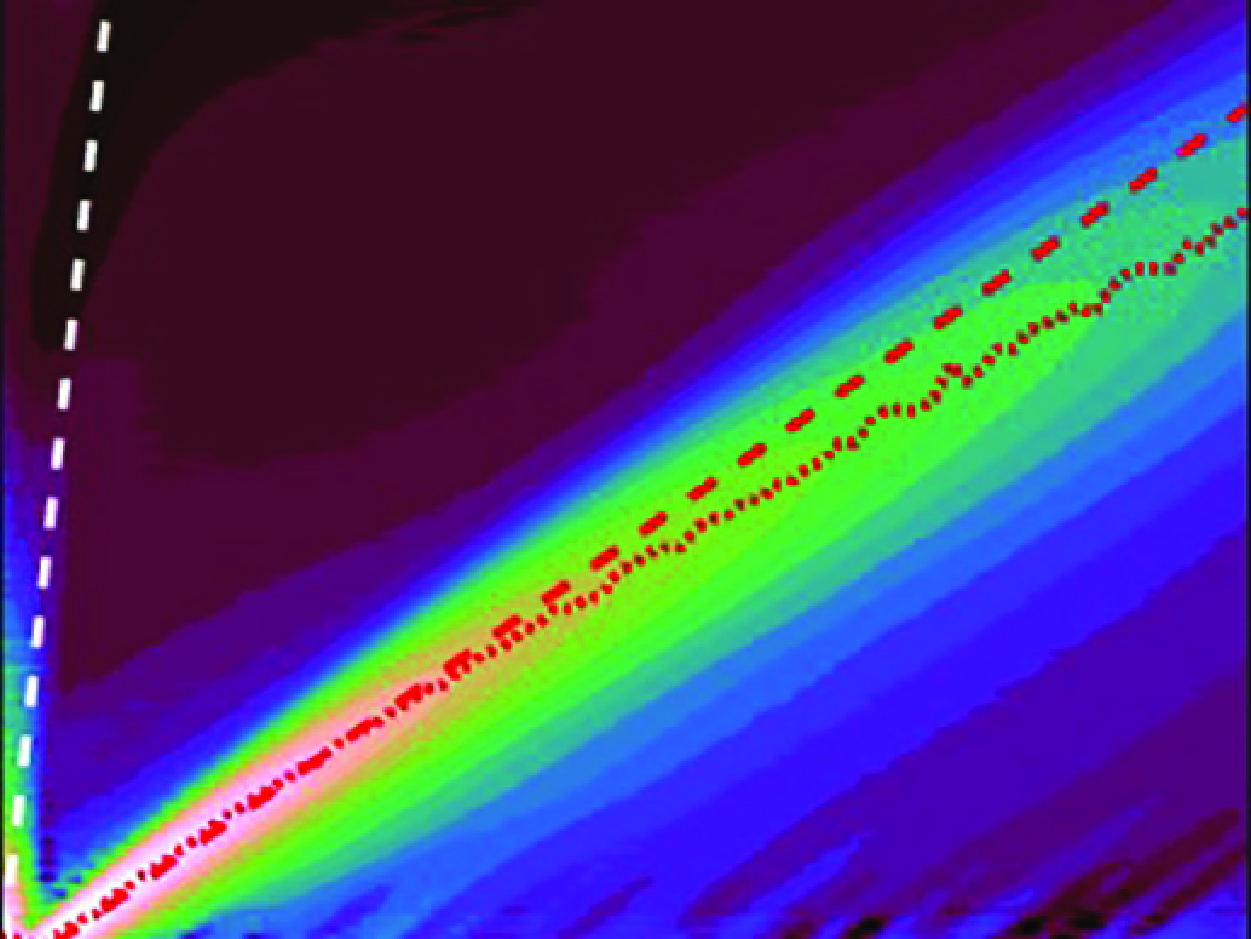
Sub-convective wall pressure fluctuations play a critical role in vibroacoustic and noise analyses of vehicle structures as they serve as the primary forcing function. However, measuring these fluctuations is challenging due to their weak pressure magnitudes, typically $10^{-3}{-}10^{-5}$ of convective fluctuations. This study introduces a non-intrusive measurement technique using an array of multi-pore Helmholtz resonator sensors to capture sub-convective fluctuations with high resolution. The array features large-area, spanwise-oriented sensors arranged linearly for optimal sampling. Results provide a continuous streamwise wavenumber–frequency spectrum, resolving sub-convective fluctuations with sufficient range and accuracy. Convergence analysis indicates that long sampling durations, $\mathcal{O}(10^6 \delta ^*/U_\infty )$, $\delta^*$ is the displacement thickness of the boundary layer. $U_\infty$ is the freestream velocity are necessary to capture true sub-convective levels. Comparisons with four existing wall pressure models, which account for sensor area averaging, reveal discrepancies in predicted levels, convection speed relations and convective ridge characteristics. Notably, the measured data align most closely with the Chase (1980, J. Sound Vib., vol.70, pp. 29–67) model at convective peak levels and in the sub-convective domain. However, the observed roll-off at wavenumbers exceeding the convective wavenumber decays more slowly than predicted, giving the convective ridge an asymmetric profile about the convective line. These findings underscore the need for improved wall pressure models that incorporate frequency-dependent convective speed relations, ridge asymmetry, and more accurate sub-convective levels. Further validation using a microphone array from Farabee & Geib (1991) confirms the accuracy of our measurements, which indicate sub-convective pressure levels lower than reported previously.

To develop an effective, targeted educational intervention that can serve as a teaching tool to educate African American (AA) populations, especially the elderly, on end-of-life (EOL) options prior to critical care.
Methods
A survey was used to assess the level of preparation and determine deficits in knowledge regarding EOL choices in the AA community of Saginaw, Michigan, before and after educational intervention. We used a paired-sample t-test to assess changes in understanding about EOL planning options, McNemar’s to test changes in intention to use hospice and palliative care, and Spearman correlations to identify demographics influencing change of outcomes. Outcome scores associated with multiple demographic variables were regressed on these demographics.
Results
Our data indicated that the intervention was an effective teaching tool in educating the AA population on EOL choices. Significant changes were observed in understanding of EOL options, concerns about palliative and hospice care, and intention to use palliative and hospice care. Age and education were also associated with selected outcome changes.
Significance of results
AA patients are more likely than other ethnic groups to choose life-sustaining measures at the end of their lives, leading to patients not receiving care to help them die peacefully. This decision is partly based on lack of knowledge of the available EOL care options. This study provides evidence needed for physicians to increase their educational efforts with the AA population regarding EOL options. An educational tool like the one developed in this study may be helpful and lessen the time of education so that physicians can answer questions at the end of the session and empower individuals and communities to take an active role in creating a culture of wellness at the EOL and decreasing morbidity.
Whether consumer law should address inequality has been approached from different perspectives in Latin America and Europe. EU consumer law has primarily relied on the interpretive benchmark of the average consumer, leading to a model of “empowerment through information” in service of maximum harmonization and economic integration. In Latin America, by contrast, statutes emphasize consumer protection based on the paradigm of the vulnerable consumer, leading to more robust substantive protection in addition to classic disclosure rules. This chapter compares the EU regime to the heterodox approach of Argentina, where courts have embraced the task of using consumer protection law to reduce inequality. Moreover, a recent Argentinean reform introduced the category of the hyper-vulnerable consumer to provide enhanced protection to consumers in a situation of aggravated vulnerability due to age, gender, physical or mental state, or social, economic, ethnic, and/or cultural circumstances. The chapter also discusses the prospect of reverse convergence (i.e., EU law converging to the Latin American mode) in view of European scholars’ growing call for the recognition of “structural vulnerabilities” in the context of the digital economy, which happens to be dominated by US companies.
For Stokes waves in finite depth within the neighbourhood of the Benjamin–Feir stability transition, there are two families of periodic waves, one modulationally unstable and the other stable. In this paper we show that these two families can be joined by a heteroclinic connection, which manifests in the fluid as a travelling front. By shifting the analysis to the setting of Whitham modulation theory, this front is in wavenumber and frequency space. An implication of this jump is that a permanent frequency downshift of the Stokes wave can occur in the absence of viscous effects. This argument, which is built on a sequence of asymptotic expansions of the phase dynamics, is confirmed via energetic arguments, with additional corroboration obtained by numerical simulations of a reduced model based on the Benney–Roskes equation.
How do private law institutions of developing countries differ from those of developed countries? A common view is that the legal systems of the Global South are often outdated, failed transplants of Global North models, or plagued by enforcement challenges. This book project offers a different perspective by focusing on legal innovation and adaptation in the Global South. We examine how countries in the Global South have embraced legal doctrines and solutions that deviate from approaches that currently hold the status of orthodoxy in richer countries, and pursue distinct and potentially broader public policy objectives or reflect different values, in response to conditions that are commonplace in developing countries. Our analysis points to reasons why the legacy of colonialism, limited fiscal capacity, economic dependence on richer countries, and macro-economic volatility may encourage lawmakers in poor countries to develop heterodox doctrines. We explore different manifestations of legal heterodoxy across various areas of private law in a range of countries in the Global South. Recognizing legal heterodoxies in the Global South enlarges our understanding of legal experiences and possibilities, and contributes to our understanding about the driving forces and direction of legal evolution around the world.
Echinococcosis, caused by cestodes of the genus Echinococcus, poses significant public health and veterinary concerns globally. In Armenia, cystic echinococcosis (CE) is well-documented in livestock and humans, while alveolar echinococcosis (AE) has long been considered non-endemic. However, a recent retrospective study identified human AE cases, suggesting an underestimation of the parasite’s presence. To address knowledge gaps, a pilot survey was conducted to identify Echinococcus species and other taeniids in free-roaming dogs and wild carnivores in Armenia. Fecal samples (n = 112) were opportunistically collected from eight wild carnivore species and stray dogs across six Armenian provinces between 2017 and 2018. Samples were analysed for taeniid eggs using flotation and molecular techniques. Echinococcus multilocularis was identified in a free-roaming dog, marking the first confirmed detection of the parasite in a definitive host in Armenia. Additionally, E. canadensis G6/7 and E. ortleppi were detected in a wolf, while E. canadensis G6/7, Taenia hydatigena, and T. laticollis were found in a lynx. These findings indicate the involvement of both domestic and wild carnivores in the transmission cycles of Echinococcus species and suggest the presents of a potential sylvatic cycle involving E. canadensis G6/7 and E. ortleppi. The presence of E. multilocularis in a dog underscores the risk of human infection, necessitating further epidemiological studies. This study provides initial insights into the epidemiology of Echinococcus in Armenia and highlights the need for continued surveillance to assess public health risks.
A brief introduction to this special issue on theme of experimental philosophy of religion—the project of taking the tools and resources of the human sciences and bringing them to bear on important issues within philosophy of religion, toward philosophical ends.
Ochoterenella is a large group of filarial parasites of anurans distributed throughout Central and South America. In the present study, we describe a new species of Ochoterenella parasitizing 2 frogs, Boana geographica and Boana multifasciata, from different localities in the Brazilian Amazon. The main morphological traits that differ Ochoterenella casiraghii n. sp. from its congeners are the smaller body size, a shorter cephalic plate, smaller parastomal structures, and the small, short and rounded cuticular bosses on the body of both sexes. The females have a shorter ovejector, and the number of caudal papillae distinguishes males. Pairwise sequence comparisons of the new species reveal a high level of divergence from Ochoterenella spp. Our phylogenetic analyses, based on cox1 and concatenated partial mitochondrial genes, support the monophyly of all subfamilies and genera examined herein. The new species represents the 17th in the Ochoterenella genus and a new parasite record for both anuran species. We provide the first ultrastructural description of the species in the genus and establish the phylogenetic relationships of the new species among parasites of amphibians and reptiles from the Onchocercidae.
This paper explores the construction of quadratic Lyapunov functions for establishing the conditional stability of shear flows described by truncated ordinary differential equations, addressing the limitations of traditional methods like the Reynolds–Orr equation and linear stability analysis. The Reynolds–Orr equation, while effective for predicting unconditional stability thresholds in shear flows due to the non-contribution of nonlinear terms, often underestimates critical Reynolds numbers. Linear stability analysis, conversely, can yield impractically high limits due to subcritical transitions. Quadratic Lyapunov functions offer a promising alternative, capable of proving conditional stability, albeit with challenges in their construction. Typically, sum-of-squares programs are employed for this purpose, but these can result in sizable optimisation problems as system complexity increases. This study introduces a novel approach using linear transformations described by matrices to define quadratic Lyapunov functions, validated through nonlinear optimisation techniques. This method proves particularly advantageous for large systems by leveraging analytical gradients in the optimisation process. Two construction methods are proposed: one based on general optimisation of transformation matrix coefficients, and another focusing solely on the system’s linear aspects for more efficient Lyapunov function construction. These approaches are tested on low-order models of subcritical transition and a two-dimensional Poiseuille flow model with degrees of freedom nearing 1000, demonstrating their effectiveness and efficiency compared with sum-of-squares programs.
This study explores the link between receiving basic income support (BIS) and political alienation in Germany, with a focus on political trust and satisfaction with democracy. We argue that receiving BIS is associated with experiences of material and social exclusion and impairs subjective social integration. Against the background of major structural welfare reforms in recent decades, we assume that BIS recipients are likely to attribute responsibility for their socio-economic disadvantages to the wider political system. We use data from the Panel Study Labour Market and Social Security (PASS) for the years 2019–2021 and employ multivariate regression analysis. We find that political alienation is more likely to occur among recipients of BIS, especially long-term recipients, than among non-recipients. Social exclusion is an important mechanism: With a higher risk of material deprivation and fewer opportunities for social participation and civic engagement than non-recipients, BIS recipients are more likely to experience subjective social exclusion, which, in turn, contributes to their political alienation. Moreover, our study offers indications that trustful and supportive interactions with welfare authorities can mitigate tendencies of political alienation among BIS recipients.
India’s landmark corporate law reform in 2013 contained a pioneering attempt to mandate corporate spending of 2 percent of average profits on corporate social responsibility (CSR) initiatives. This chapter explores a puzzle: The CSR requirement could have been written as a CSR tax rather than a CSR spending requirement, so why did the government choose the latter, more heterodox, option? The analysis suggests that the motivation for the reforms reflects a blend of political optics and state capacity or efficiency considerations informed by historical experiences with market-oriented reforms. On the efficiency and state capacity front, the Indian state might not have been as well placed to enforce a CSR tax as Indian firms might have been able to manage a CSR spending requirement in 2013. On the political optics side there was a prevailing perception that the liberalization had primarily benefited only a very small sliver of the country. If corporations were engaged in CSR then it might look like the gains from economic liberalization were beginning to find their way from India Inc. to the general citizenry. This blended account provides interesting insights about this rather unique set of reforms and subsequent developments.
Prevailing stereotypes depict the corporate laws of developing countries as either antiquated or plagued by problems of enforcement and misfit despite formal convergence. This chapter offers a different view by showing how Global South jurisdictions have pioneered heterodox stakeholder approaches in corporate law. Examples of those approaches include the erosion of limited liability for purposes of stakeholder protection in Brazil and India, the adoption of mandatory corporate social responsibility in Indonesia and India, and a large-scale program of Black corporate ownership and empowerment in South Africa, among many others. By incorporating broader public policy and distributional objectives into corporate law, heterodox stakeholderism can be interpreted as an institutional adaptation to a context of high inequality and externalities that remain unaddressed through other areas of law. As the rise of inequality and growing distrust of the state’s ability to tackle social and environmental concerns have brought the Global North closer to the Global South’s realities, the resurgent interest in stakeholderism in the developed world constitutes a surprising form of “reverse convergence” that merits greater attention. Heterodox stakeholderism in the Global South also responds to critical, but heretofore neglected, distributional implications of corporate law rules.