To save content items to your account,
please confirm that you agree to abide by our usage policies.
If this is the first time you use this feature, you will be asked to authorise Cambridge Core to connect with your account.
Find out more about saving content to .
To save content items to your Kindle, first ensure no-reply@cambridge.org
is added to your Approved Personal Document E-mail List under your Personal Document Settings
on the Manage Your Content and Devices page of your Amazon account. Then enter the ‘name’ part
of your Kindle email address below.
Find out more about saving to your Kindle.
Note you can select to save to either the @free.kindle.com or @kindle.com variations.
‘@free.kindle.com’ emails are free but can only be saved to your device when it is connected to wi-fi.
‘@kindle.com’ emails can be delivered even when you are not connected to wi-fi, but note that service fees apply.
Shipwrecks are archaeological, economic, historical, and political time capsules waiting to be unlocked. Their discovery results in debates over matters relating to their protection including ownership, jurisdiction, and the manner of their preservation. Interested parties include flag States, particularly in case of sunken State vessels, States in the maritime zone of which the wrecks are found, private owners of items submerged with the wrecks as well as other States linked to the objects. Sunken State vessels involve the additional disputing issue of sovereign immunity. Africa has thousands of historic shipwrecks lying around its coasts. This article examines, in the context of the African Renaissance, laws from 22 select African States in protecting underwater cultural heritage, particularly sunken (State) vessels, in light of relevant international treaties particularly the United Nations Convention on the Law of the Sea and the UNESCO Convention on the Protection of Underwater Cultural Heritage.
We show that a firm’s financial constraints trigger investment disruptions that propagate through the production network. Propagation effects account for about half of the total investment reduction due to constraints. Network rigidities such as high input specificity and the scarcity of alternative partners amplify these spillovers. Firms mitigate investment disruptions by supporting constrained partners through trade credit or equity stakes. To bolster identification, we employ a Network Regression Discontinuity Design that accounts for spillovers. Our estimates are robust to network measurement error, endogenous selection, and various constraint measures. The results demonstrate that interdependent investments amplify the consequences of capital-market frictions.
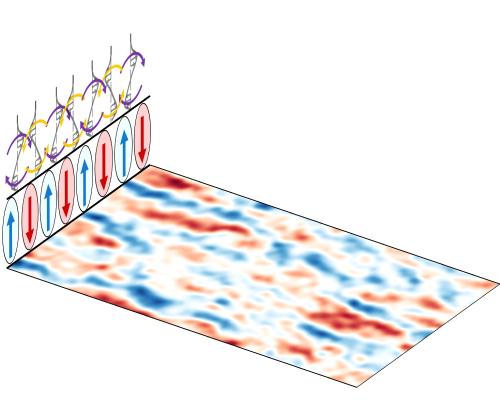
The interaction between acoustic and surface gravity waves is generally neglected in classical water-wave theory due to their distinct propagation speeds. However, nonlinear dynamics can facilitate energy exchange through resonant triad interactions. This study focuses on the resonant triad interaction involving two acoustic modes and a single gravity wave in water of finite and deep depths. Using the method of multiple scales, amplitude equations are derived to describe the spatio-temporal behaviour of the system. Energy transfer efficiency is shown to depend on water depth, with reduced transfer in deeper water and enhanced interaction in shallower regimes. Numerical simulations identify parameter ranges, including resonant gravity wavenumber, initial acoustic amplitude and wave packet width, where the gravity-wave amplitude is either amplified or reduced. These results provide insights into applications such as tsunami mitigation and energy harnessing.
Virtual neurological assessments were increasingly used during the COVID-19 pandemic with relatively unknown accuracy. Clinical records were reviewed in a predominant multiple sclerosis outpatient clinic at an academic teaching hospital from March 23, 2020, to March 23, 2021. Patients assessed had an initial virtual assessment followed by a subsequent in-person evaluation. Among 1036 patients analyzed, 27.8% (n = 288) of consultations were conducted via video teleconferencing and 72.2% (n = 748) via telephone. Overall, 86.2% of the consultations revealed congruent conclusions between virtual and in-person assessments. However, 13.8% (n = 143) of virtual consultations revealed clinical disparities, including 13.5% (n = 39) video and 13.9% (n = 104) telephone.
Evidence in the literature confirms that advance care planning (ACP) discussions, assumed to benefit patients, their caregivers, and clinicians, occur at various rates, lower than intended and not as early as thought to be beneficial. The literature, however, provides limited reasons why this trend continues. When ACP discussions do occur, particularly between clinicians and patients with advanced-stage cancer, we have even less understanding of the ACP experience. Thus, the goal of our study was to characterize patient beliefs and experiences pertaining to ACP discussions, and to explore factors that may be associated with patient experiences. One hundred adults with advanced cancer participated in this cross-sectional survey study. The majority (63%) had heard about ACP, and 81% believed that health care providers should have ACP discussions with their patients. However, only 23% of participants in this sample had an ACP discussion. Among those who reported having an ACP discussion, 74% indicated that they spoke with family members about ACP, and 48% reported having spoken with their oncologist about ACP. Among those who had not had an ACP discussion with a health care provider, commonly reported reasons for not doing so included the respondent’s desire to speak with family members first and the perception that one was not sick enough to need such a discussion yet. These findings can be used to inform the development of future interventions to improve provider communication about ACP and enhance patient experiences around ACP discussions.
Chinese spelling correction has achieved significant progress, but critical challenges remain, especially in handling visually and phonetically similar errors within complex syntactic structures. This paper introduces a novel approach combining a Long Short-Term Memory Network (LSTM)-enhanced Transformer for error detection and Bidirectional Encoder Representations from Transformers (BERT)-based correction with a dynamic adaptive weighting scheme. Transformer uses global attention mechanism to capture dependencies between any two positions in the input sequence. By processing each token in the sequence recursively, LSTM is able to more finely capture local context and sequential information within the sequence. Based on adaptive weighting coefficient, weights of multi-task learning are automatically adjusted to help the model better balance the learning process between the detection and correction network, enabling it to converge faster and achieve higher precision. Comprehensive evaluations demonstrate improved performance over existing baselines, particularly in addressing complex error patterns.
The abandonment of collective tombs in Middle Bronze Age Crete testifies to substantial transformations in funerary, ritual and social practices on the island. Yet, the processes and timing of this abandonment were not uniform, and each cemetery can potentially offer new insights. While some collective tombs fell gradually into disuse, others were deliberately and ritually terminated. Here, the authors explore the cemetery at Sissi, where gradual abandonment in some areas contrasts with the ultimate demolition and burial of tombs in Zone 9 during a ceremony that marked a major shift in the social history of the associated community.
Psychotic disorders are known to be associated with elevated dopamine synthesis; yet, nondopamine factors may underlie the manifestation of some psychotic symptoms that are nonresponsive to dopamine-blocking agents. One under-explored nondopamine mechanism is neuroplasticity. We propose an account of the course of psychotic symptoms based on the extensive evidence for dopamine facilitation of Hebbian synaptic plasticity in cortical and subcortical memory systems. The encoding of psychotic experiences in autobiographical memory (AM) is expected to be facilitated in the hyperdopaminergic state associated with acute psychosis. However, once such ‘spurious AM of psychosis’ (SAMP) is encoded, its persistence may become dependent more on synaptic factors than dopamine factors. Under this framework, the involuntary retrieval of residual SAMP is postulated to play a key role in mediating the reactivation of symptoms with similar contents, as often observed in patients during relapse. In contrast, with active new learning of normalizing experiences across diverse real-life contexts, supported by intact dopamine-mediated salience, well-integrated SAMP may undergo ‘extinction’, leading to remission. The key steps to the integration of SAMP across psychotic and nonpsychotic memories may correspond to one’s ‘recovery style’, involving processes similar to the formation of ‘non-believed memory’ in nonclinical populations. The oversuppression of dopamine can compromise such processes. We synthesize this line of evidence into an updated dopamine-gated memory framework where neuroplasticity processes offer a parsimonious account for the recurrence, persistence, and progression of psychotic symptoms. This framework generates testable hypotheses relevant to clinical interventions.
This article addresses problematic behaviors of Markov chain Monte Carlo (MCMC) methods for finite mixture models due to what we call degenerate nonidentifiability. We discuss the reasons for these behaviors, propose diagnostics to detect them, and show through simulations that using more informative priors than the vague defaults can mitigate the problems in growth mixture models (GMMs). Our motivating example is an application of GMMs to data from the National Longitudinal Survey of Youth (NLSY) to examine heterogeneity in the development of reading skills in children aged 6–14. We also suggest ways of describing and visualizing within-class heterogeneity in GMMs, provide a literature review of likelihood identification and Bayesian identification, propose a viable definition of Bayesian identification for latent variable models based on the marginal likelihood (integrated over the latent variables), and give a brief didactic description of Hamiltonian Monte Carlo (HMC) as implemented in Stan.
Non-traumatic back pain commonly leads people to seek health care from paramedics via triple-zero (emergency phone number in Australia), yet the management approaches by providers of ambulance services remain unclear.
Study Objectives:
This study aims to investigate paramedic management of non-traumatic back pain in New South Wales (NSW), Australia, including the call characteristics, provisional diagnoses, and the clinical care being delivered by paramedics.
Methods:
This study is a retrospective analysis of NSW Ambulance computer-aided dispatch and electronic medical records from January 1, 2017 through December 31, 2022. Adults who sought ambulance service with a chief complaint of back pain, were triaged as non-traumatic back pain, and subsequently received treatment by paramedics were included. Multivariable logistic regression models were used to explore factors associated with primary outcomes; ambulance transport, opioid use, and use of medication combinations were reported as odds ratios (ORs).
Results:
There were 73,128 calls to NSW Ambulance with a chief complaint of back pain that were triaged as non-traumatic back pain. Of these, 54,444 (74.4%) were diagnosed with spinal pain, of which 52,825 (97.1%) were categorized by the paramedic as back or neck pain, 1,573 (2.9%) as lumbar radicular pain, and 46 (0.1%) as serious spinal pathology. Eight out of ten patients with spinal pain were transported to emergency departments. The medicine most administered by a paramedic was an opioid (37.4% of patients with spinal pain). Older patients (OR = 1.36; 95% CI, 1.30 to 1.44) were more likely to be transported to an emergency department. Patients with moderate (OR = 4.39; 95% CI, 4.00 to 4.84) and severe pain (OR = 18.90; 95% CI, 17.18 to 20.79) were more likely to be administered an opioid.
Conclusions:
Paramedic management of non-traumatic back pain in NSW typically results in the administration of an opioid and transport to an emergency department.
Drawing inspiration from Oliver Williamson’s work, we employ a ‘discriminating alignment’ approach to explain how established organizations select and govern external sources of innovation. Our framework integrates ‘standard’ governance mechanisms, such as licensing and joint ventures, with ‘emerging’ mechanisms, such as hackathons and accelerators. First, we classify governance mechanisms into three types – market scanning, opportunity support, and opportunity control – based on four attributes: the degree of reallocation of decision rights, the degree of pooling of property rights, set-up costs, and ex post adaptation costs. We then argue that two key variables – uncertainty and technological distance – jointly help determine the choice of the appropriate mechanism for transactions involving entrepreneurial opportunities. By developing a comprehensive taxonomy of arrangements linked to the governance of external innovations, this study offers propositions that identify the drivers of ‘efficient alignment’ between transactions attributes and organizational choices in entrepreneurial contexts.
The expansion of schooling in the early 20th Century required the modernization of state governments at the subnational level and related fiscal policy reform. Organized educators in California and Washington promoted legislation in 1920 that would increase each state’s support for schooling. In spite of similar fiscal policy goals and a shared commitment to the support of public schooling in both states, the legislation passed in California and failed in Washington. This comparative analysis of fiscal policy reform in the two states demonstrates the relationship between education fiscal policy and state formation, between tax policy and social change, the role of states as subnational sites for fiscal policy experimentation in the early twentieth century, and the role of policy feedback in fiscal policy reform. A close study of factors contributing to the divergent legislative outcomes illuminates underlying relationships between fiscal policy and associative action at state levels over the 70-year-period preceding the 1920 reform campaigns and demonstrates the centrality of education to research in fiscal sociology and political development.
Nations are revising dietary guidelines to include sustainability recommendations in response to climate change concerns. Given low adherence to current guidelines, consumer inertia is a challenge. A proliferation of nutrition information providers and dietary messages contributes to confusion. All this suggests that health professionals will face considerable obstacles in facilitating a population shift towards sustainable and healthy (SuHe) diets. This review explores the role of nutrition science in shaping dietary behaviour and the challenges of shifting the nutrition narrative to encompass both health and sustainability. Societal transformation towards the ‘asks’ of a SuHe diet will rely on consumer-level transformation of food acquisition, preparation, consumption, storage and disposal behaviours. Acceptance of a higher share of plant-based food and a reduction in animal protein in the diet is likely to provoke disorientations as consumers’ previously unexamined beliefs are challenged. The challenges presented by portion size distortion, protein reduction and replacement, and the role of ultra-processed food are discussed here in terms of sources of confusion. The routes to change involve deeper understanding of responses to disorientations through processes of belief formation and transformation, which are the foundations of subjective knowledge and attitudes, likely mediated through affective factors. In tandem with introducing new potentially disorienting-to-consumers information, health professionals need to consider the environments where this information is presenting and consider how these environments are designed to support action. In doing so, reactance and backlash through belief rejection and behavioural non-adherence could be reduced.
Forcibly displaced persons (FDPs) exposed to torture and trauma require multidisciplinary therapies to address their complex needs in mental and physical health. In this systematic review and meta-analysis, we explored the efficacy of models of care that integrated psychological and physical interventions for PTSD outcomes. We searched the Cochrane Central Register of Controlled Trials, Cochrane Database of Systematic Reviews, PubMed, EMBASE, CINAHL, PsychINFO, and Web of Science databases. We performed the meta-analysis on studies with randomized controlled trials and non-randomized controlled trial designs, followed by a subgroup analysis of moderators. In all meta-analyses, a random-effects model was used with standardized mean differences to accommodate for the heterogeneity of studies and outcome measures. In a meta-analysis of a between-group analysis of 11 studies comprising 610 participants, integrated intervention showed a moderate effect size (Hedges’ g = −0.46 (95% CI −0.80 to −0.12) in reducing PTSD symptoms. The proportion of variation in observed effects reflects 82% of variation in true effects (I2 = 82%). The efficacy of transdisciplinary interventions was higher compared to multidisciplinary models. Moderator analysis found that the type of PTSD measure, format of intervention, and type of personnel providing the intervention were significant predictors of efficacy. Integrated interventions are efficacious in reducing PTSD outcomes for people with FDPs and those exposed to war trauma. Factors such as the type of integration of interventions and service delivery need to be further studied with high-quality designs and larger numbers in future studies.
Long-term growth expectations are central to investment analysis and corporate valuation. Despite a dominant effect on firm value, the academic literature and practitioner conventions provide little guidance on determining this long-term growth rate. This article takes a step in addressing this gap: we estimate the relationship between long-term growth and an extensive selection of firm, industry, and market characteristics. Market prices do not seem to fully capture long-term growth information. Cross sectional tests yield substantial positive abnormal returns for firms with high expected long-term growth.
Herbicide-resistant weeds demand particular attention in the selection of management strategies, considering the characteristics and fitness differences between susceptible and resistant plants. This study aimed to analyze two heterogeneous junglerice populations, glyphosate-susceptible (EC-S) and glyphosate-resistant (EC-R), derived from field-collected seeds, to quantify the productivity of EC-S and EC-R, to analyze the impact of soybean plants, and to evaluate density dependence. Experiments were conducted in a growth chamber using plastic pots, combining three factors: junglerice density (2, 4, and 8 plants pot−1), the proportion of EC-S and EC-R (100% EC-S, 50% EC-S:50% EC-R, 100% EC-R), and soybean density (0 and 1 plants pot−1). One-leaf junglerice seedling and soybean seeds were planted in plastic pots. After 65 d, plant height (PLH), total number of tillers (TIL), seed number (SEN), seed weight (SEW) per plant, weight of 100 seeds (HSW), and aboveground dry matter (ADM) were measured. The variables measured were affected primarily by junglerice density and the presence of soybean. Vegetative and reproductive structures of EC-S and EC-R exhibited strongly density-dependent patterns. One soybean plant increased (P < 0.05) junglerice productivity at low densities but had no effect at high densities (8 plants pot−1). Mostly EC-S and EC-R showed the same competitive ability. However, EC-S presented a higher index of competitive ability than EC-R in SEN and SEW at lower densities with a soybean plant. A resource complementarity (RYT ∼ 1) between EC-S and EC-R was observed (P < 0.05), regardless of the presence of the crop. These results demonstrate that, even in the absence of glyphosate, fitness differences favor heterogeneous resistant populations. This highlights the inherent adaptive advantage of resistant populations and, considering the extensive reliance on glyphosate in current production systems, underscores the urgent need for integrated weed management strategies to mitigate the evolution and spread of resistant populations.
Online customer feedback management (CFM) is becoming increasingly important for businesses. Providing timely and effective responses to guest reviews can be challenging, especially as the volume of reviews grows. This paper explores the response process and the potential for artificial intelligence (AI) augmentation in response formulation. We propose an orchestration concept for human–AI collaboration in co-writing within the hospitality industry, supported by a novel NLP-based solution that combines the strengths of both human and AI. Although complete automation of the response process remains out of reach, our findings offer practical implications for improving response speed and quality through human–AI collaboration. Additionally, we formulate policy recommendations for businesses and regulators in CFM. Our study provides transferable design knowledge for developing future CFM products.