To save content items to your account,
please confirm that you agree to abide by our usage policies.
If this is the first time you use this feature, you will be asked to authorise Cambridge Core to connect with your account.
Find out more about saving content to .
To save content items to your Kindle, first ensure no-reply@cambridge.org
is added to your Approved Personal Document E-mail List under your Personal Document Settings
on the Manage Your Content and Devices page of your Amazon account. Then enter the ‘name’ part
of your Kindle email address below.
Find out more about saving to your Kindle.
Note you can select to save to either the @free.kindle.com or @kindle.com variations.
‘@free.kindle.com’ emails are free but can only be saved to your device when it is connected to wi-fi.
‘@kindle.com’ emails can be delivered even when you are not connected to wi-fi, but note that service fees apply.
Māori, the Indigenous population of Aotearoa New Zealand, face a substantial burden of nutrition-related diseases, especially obesity and type 2 diabetes. Weight loss, through dietary change, is a central component of obesity and diabetes prevention and management; however, most approaches have not been designed with or evaluated specifically for Māori. The aim of this study was to review literature on the enablers and barriers to dietary change, for Māori.
Design:
Relevant literature published from January 2000 to May 2024 was identified by searches in Medline (Ovid), Embase (Ovid), Scopus, Indigenous health (informit), CINAHL (EBSCO), Web of Science and NZResearch. Studies included Māori and reflected enablers and barriers to dietary change for individuals/whānau (families). Data identifying the aims, methods, interventions, location, population studied and identified enablers and barriers to dietary change and responsiveness to Māori were extracted. Enablers and barriers to dietary change were mapped to a New Zealand Indigenous health framework, the Meihana model.
Setting:
Settings included studies based in Aotearoa New Zealand, where participants were free living and able to determine their dietary intake.
Participants:
Studies included at least 30 % Māori participants.
Results:
Twenty-two of the seventy-seven identified records met the inclusion criteria. Records included a diverse range of research approaches.
Conclusions:
Using a relevant Indigenous model, this study highlights that multiple and diverse enablers and barriers to dietary change exist for Māori and the critical importance of developing interventions, in close partnership with Indigenous communities, grounded in Indigenous understandings of health.
The epidemiology of respiratory infections may vary depending on factors such as climate changes, geographical features, and urbanization. Pandemics also change the epidemiological characteristics of not only the relevant infectious agent itself but also other infectious agents. This study aims to assess the impact of the COVID-19 pandemic on the epidemiology of viral respiratory infections in children. We retrospectively reviewed the medical records of children aged ≤18 years with laboratory-confirmed viral respiratory infections other than COVID-19 from January 2018 to March 2023. Data on demographic characteristics, month and year of admission, and microbiological results were collected. During the study period, 1,829 respiratory samples were sent for polymerase chain reaction testing. Rhinovirus was identified in 24% of the patients, mixed infections in 21%, influenza virus in 20%, and respiratory syncytial virus in 12.5%. A 38.6% decrease in viral respiratory infections was observed in 2020, followed by a 188% increase in 2021. The respiratory syncytial virus was significantly more common in the post-pandemic period (13.8%) compared to the pre-pandemic period (8.1%), but no seasonal shift in respiratory syncytial virus infection was observed. There was also a yearly increase in influenza infections in the post-pandemic period compared to the pre-pandemic period. After the COVID-19 pandemic, the frequency of parainfluenza virus infections increased during the summer months, and this finding provides a new contribution to the existing literature.
This is a review of the activities and successes of the 44th residential JACT Latin Summer School, run in July–August 2024. Specifically, it covers our typical teaching arrangement, lectures, trips and events and acknowledges the generosity of our sponsors.
To compare the effectiveness of universal admission testing (UAT) and risk-based testing (RBT) in preventing nosocomial coronavirus disease 2019 (COVID-19) after the implementation of strict infection control measures.
Design:
Retrospective multicenter cohort study.
Setting:
Five community hospitals in Japan.
Patients:
14,028 adult patients admitted emergently from June 1, 2022, to January 31, 2023.
Methods:
We calculated crude incidence density rates of community-acquired COVID-19 (positive test ≤4 days postadmission), hospital-acquired COVID-19 (positive test ≥8 days postadmission), total postadmission COVID-19 (all cases of positive test postadmission), and primary cases (sporadic and index cases). A generalized estimating equation model was used to adjust for local incidence (new COVID-19 patients per 100,000 population), single-bed room proportion, and admission proportion of patients older than 65 years.
Results:
The weekly local incidence in the study areas was less than 1,800 per 100,000 population (1.8%). Two hospitals implemented RBT and 3 implemented UAT. The median admission testing rate was higher in the UAT group than in the RBT group (95% vs 55%; difference 45.2%, 95% CI, 40.3%–48.8%). Crude and adjusted analyses revealed no significant associations between incidence density rates (IRR; >1 indicates higher incidence with UAT) and admission strategies for any of the outcomes: community-acquired cases (adjusted IRR = 1.23; 95% CI, 0.46–3.31), hospital-acquired cases (1.46; 0.80–2.66), total postadmission COVID-19 (1.22; 0.79–1.87), and primary cases (0.81; 0.59–1.12).
Conclusions:
Compared with risk-based testing, universal admission testing may have limited additional benefits in preventing nosocomial COVID-19 transmission during a period of low-moderate local incidence.
The parallel and synergistic developments of atomic resolution structural information, new spectroscopic methods, their underpinning formalism, and the application of sophisticated theoretical methods have led to a step function change in our understanding of photosynthetic light harvesting, the process by which photosynthetic organisms collect solar energy and supply it to their reaction centers to initiate the chemistry of photosynthesis. The new spectroscopic methods, in particular multidimensional spectroscopies, have enabled a transition from recording rates of processes to focusing on mechanism. We discuss two ultrafast spectroscopies – two-dimensional electronic spectroscopy and two-dimensional electronic-vibrational spectroscopy – and illustrate their development through the lens of photosynthetic light harvesting. Both spectroscopies provide enhanced spectral resolution and, in different ways, reveal pathways of energy flow and coherent oscillations which relate to the quantum mechanical mixing of, for example, electronic excitations (excitons) and nuclear motions. The new types of information present in these spectra provoked the application of sophisticated quantum dynamical theories to describe the temporal evolution of the spectra and provide new questions for experimental investigation. While multidimensional spectroscopies have applications in many other areas of science, we feel that the investigation of photosynthetic light harvesting has had the largest influence on the development of spectroscopic and theoretical methods for the study of quantum dynamics in biology, hence the focus of this review. We conclude with key questions for the next decade of this review.
High-fidelity simulations are conducted to investigate the turbulent boundary layers around a finite-span NACA0012 wing with a rounded wing-tip geometry at a chord-based Reynolds number of $Re_c=200\,000$ and at various angles of attack up to $10^\circ$. The study aims to discern the differences between the boundary layers on the finite-span wing and those on infinite-span wings at equivalent angles of attack. The finite-span boundary layers exhibit: (i) an altered streamwise and a non-zero spanwise pressure gradient as a result of the variable downwash induced by the wing-tip vortices (an inviscid effect typical of finite-span wings); (ii) differences in the flow history at different wall-normal distances, caused by the variable flow angle in the wall-normal direction (due to constant pressure gradients and variable momentum normal to the wall); (iii) laminar flow entrainment into the turbulent boundary layers near the wing tip (due to a laminar–turbulent interface); and (iv) variations in boundary layer thickness across the span, attributed to the variable wall-normal velocity in that direction (a primarily inviscid effect). These physical effects are then used to explain the differences in the Reynolds stress profiles and other boundary layer quantities, including the reduced near-wall peak of the streamwise Reynolds stress and the elevated Reynolds stress levels near the boundary layer edge, both observed in the finite-span wings. Other aspects of the flow, such as the downstream development of wing-tip vortices and their interactions with the surrounding flow, are reserved for future investigations.
A 2300 year old bark shield found in Enderby, Leicestershire, in 2015 is the only known example of its type. Made from the bark of a willow tree, it has a woven basket boss, a roundwood handle, and a rim of split roundwood edging and lime bast bindings. Pre-Roman shields made from organic materials rarely survive in Britain and Ireland and those without metal components are exceptionally rare. Contemporaneous wooden shields are known from anaerobic environments in Scandinavia but, unlike Enderby, none of these has a body of tree bark. The complexity of the design of the Enderby shield, the skill with which it was made, and the similarities between this and metal examples suggests it was a tried and tested design, rather than a one-off. With no other example against which to compare it, experiments in reproducing the shield have been used as a tool for interpretation and have proved vital to understanding the original design. As a result of this research, it is proposed that this single artefact represents a more commonly available form of shield in the 1st millennium bc than does any metal enhanced version.
In this work we consider the problem of optimizing a stellarator subject to hard constraints on the design variables and physics properties of the equilibrium. We survey current numerical methods for handling these constraints, and summarize a number of methods from the wider optimization community that have not been used extensively for stellarator optimization thus far. We demonstrate the utility of new methods of constrained optimization by optimizing a quasi-axisymmetric stellarator for favourable physics properties while preventing strong shaping of the plasma boundary, which can be difficult to create with external current sources.
Achieving proficiency in reading Latin is the stated aim of nearly every Latin course the world over. However, very little research has been devoted to how beginner students attempt to process Latin when it is placed in front of them for the first time. This paper aims to fill this gap, based on a study of students still relatively close to the start of their Latin journeys. I found that they tend to read Latin sentences in their original order, breaking them down into individual lexical items, and trying to discern their meaning by looking for similarities with words they already know. They will usually skip over words they do not recognise, returning to them later. This suggests that, as they become more familiar with Latin vocabulary and grammar, and so long as they are not taught to read in a different order, they will continue to read Latin in the order it is written. There is, however, a perception among many of the students that grammar is difficult, and so they tend to overly rely on context and common sense instead. Going forward, I would try to ensure my students become more confident with their grammar, as context can sometimes lead them astray. However, it is clear that, rather than just giving them tables and lists to learn, they need as much exposure to the grammatical forms ‘in the wild’ as possible, to promote ease of recognition.
During the course of my teacher training, I have encountered two distinct classroom contexts for oracy: a term that refers to the ability to express oneself in speech. At my first placement school, very few students were willing to answer questions or present arguments in front of their peers. Conversely, the majority of students at my second placement school are keen to demonstrate their knowledge, yet often speak over one another during discussion tasks. In both schools, dialogue is mainly directed towards the teacher; students rarely offer extended answers during lessons, and oral reasoning and argumentation generally take place as a precursor to written work. I therefore wanted to implement a sequence of lessons where the learning was intentionally carried out and measured through student talk and cooperation. In particular, I wanted to examine how far teaching specific oracy skills and providing informal scaffolded opportunities for presentational and exploratory talk can support the development of historical thinking skills in Year 7 (age 11): in other words, students' ability to consider multiple historical perspectives; to appreciate the difference between modern and ancient values; to critically engage with historical terminology, and to present and justify an argument. Students' responses were generally positive and engagement raised. I conclude with further thoughts about future practice.
High rates of intimate partner violence (IPV) and mental disorders are present in Mozambique where there is a significant treatment gap. We aimed to report Mozambican community stakeholder perspectives of implementing couple-based interpersonal psychotherapy (IPT-C) in preparation for a pilot trial in Nampula City.
Methods
We conducted 11 focus group discussions (6–8 people per group) and seven in-depth interviews with key informants in mental health or gender-based violence (n = 85) using purposive sampling. We used grounded theory methods to conduct an inductive coding and then deductively applied the consolidated framework for implementation research (CFIR).
Results
For the outer setting, local attitudes that stigmatize mental health conditions and norm IPV as well as an inefficient legal system were barriers. Stakeholders expressed high acceptability of IPT-C, although a lack of resources was a structural challenge for the inner setting. Adaptation of the approach to screen for and address potential mediators of IPV was important for adopting a multisectoral response to implementation and planning. Delivering IPT-C in the community and in collaboration with community stakeholders was preferable.
Conclusion
Stakeholders recommended multilevel involvement and inclusion of community-based programming. Task shifting and use of technology can help address these resource demands.
Guidelines recommend screening for psychiatric co-morbidities in patients with congenital heart defects alongside cardiac outpatient follow-ups. These recommendations are not implemented in Denmark. This study aimed to investigate the psychiatric co-morbidities in children and adolescents with Fontan circulation in Denmark and to evaluate the feasibility of an online screening measure for psychiatric disorders.
Methods:
Children, adolescents, and their families answered the Development and Well-Being Assessment questionnaire and a questionnaire about received help online. Development and Well-Being Assessment ratings present psychiatric diagnoses in accordance with ICD-10 and DSM-5. Parent-reported received psychiatric help is also presented. Feasibility data are reported as participation rate (completed Development and Well-Being Assessments) and parental/adolescent acceptability from the feasibility questionnaire.
Results:
The participation rate was 27%. Of the participating children and adolescents, 53% (ICD-10)/59% (DSM-5) met full diagnostic criteria for at least one psychiatric diagnosis. Of these, 50% had not received any psychiatric or psychological help. Only 12% of participants had an a priori psychiatric diagnosis.
Conclusions:
We found that a large proportion of children and adolescents with Fontan circulation are underdiagnosed and undertreated for psychiatric disorders. The results from our study emphasise the need for psychiatric screening in this patient group. Development and Well-Being Assessment may be too comprehensive for online electronic screening in children and adolescents with CHD.
The “digital twin” is now a recognized core component of the Industry 4.0 journey, helping organizations to understand their complex processes, resources and data to provide insight, and help optimize their operations. Despite this, there are still multiple definitions and understandings of what a digital twin is; all of which has led to a “mysticism” around the concept. Following the “hype curve” model, it can be seen that digital twins have moved past their initial hype phase with only minimal implementation in industry, this is often due to the perceived high cost of initial development and sensor outfit. However, a second hype peak is predicted through the development of “lean digital twins.” Lean digital twins represent conceptual or physical systems in much lower detail (and hence at much lower cost to build and manage the models), focusing in on the key parameters and operators that most affect the desired optimal outcomes of the physical system. These lean digital twins are requirements managed with the system to ensure added value and tapping into existing architectures such as onboard platform management systems to minimize costs. This article was developed in partnership between BMT and Siemens to demystify the different definitions and components of a lean digital twin and discuss the process of implementing a lean digital twin solution that is tied to the core benefits in question and outlining the tools available to make implementation a reality.
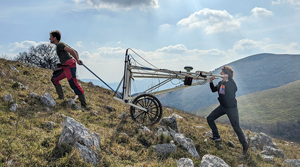
During the second half of the first millennium BC, hundreds of hillforts dotted the central Italian Apennines. Often interpreted as ‘proto-towns’, the authors present results of investigations at Monte Santa Croce-Cognolo that challenge this idea. Previous studies identified a small area (<1ha) of occupation and suggested that habitation extended across the whole 18ha site. Combining geophysical and pedestrian survey with remotely sensed data, and local ethnographic accounts, the authors detect little evidence for permanent habitation and instead argue for activities connected with animal husbandry. The results challenge urban-centric interpretations by demonstrating the coexistence of monumental but uninhabited hillforts and urban sites—usually seen across the Mediterranean and Europe.
To establish the prevalence of double burden of malnutrition (DBM) and triple burden of malnutrition (TBM) among mother–child pairs in Malawi and explore their geographical distribution and associated multilevel factors.
Design:
Cross-sectional study using secondary data from the 2015–2016 Malawi Demographic and Health Survey using a mixed effects binomial model to identify multilevel factors associated with DBM and TBM. Georeferenced covariates were used to map the predicted prevalence of DBM and TBM.
Setting:
All twenty-eight districts in Malawi.
Participants:
Mother–child pairs with mothers aged 15–49 years and children aged below 60 months (n 4618 pairs) for DBM and between 6 and 59 months (n 4209 pairs) for TBM.
Results:
Approximately 5·5 % (95% confidence interval (CI): 4·7 %, 6·4 %) of mother–child pairs had DBM, and 3·1 % (95 % CI: 2·5 %, 4·0 %) had TBM. The subnational-level prevalence of DBM and TBM was highest in cities. The adjusted odds of DBM were threefold higher (adjusted Odds Ratio, AOR: 2·8, 95 % CI: 1·1, 7·3) with a higher proportion of wealthy households in a community. The adjusted odds of TBM were 60 % lower (AOR: 0·4; 95 % CI: 0·2, 0·8) among pairs where the women had some education compared with women with no education.
Conclusions:
Although the prevalence of DBM and TBM is currently low in Malawi, it is more prevalent in pairs with women with no education and in relatively wealthier communities. Targeted interventions should address both maternal overnutrition and child undernutrition in cities and these demographics.
We study covering numbers of subsets of the symmetric group $S_n$ that exhibit closure under conjugation, known as normal sets. We show that for any $\epsilon>0$, there exists $n_0$ such that if $n>n_0$ and A is a normal subset of the symmetric group $S_n$ of density $\ge e^{-n^{2/5 - \epsilon }}$, then $A^2 \supseteq A_n$. This improves upon a seminal result of Larsen and Shalev (Inventiones Math., 2008), with our $2/5$ in the double exponent replacing their $1/4$.
Our proof strategy combines two types of techniques. The first is ‘traditional’ techniques rooted in character bounds and asymptotics for the Witten zeta function, drawing from the foundational works of Liebeck–Shalev, Larsen–Shalev, and more recently, Larsen–Tiep. The second is a sharp hypercontractivity theorem in the symmetric group, which was recently obtained by Keevash and Lifshitz. This synthesis of algebraic and analytic methodologies not only allows us to attain our improved bounds but also provides new insights into the behavior of general independent sets in normal Cayley graphs over symmetric groups.
Despite chronicles from the 16th century describing fertile alluvial plains and densely populated wetlands, archaeology in western Mexico has been little studied. The Directorate of Archaeological Salvage (DSA) of National Institute of Anthropology and History (INAH) has initiated a study of two sites in Costa Canuva, at the southern part of Nayarit state: Becerros and Naranjos. Thirty charcoal and shell samples were radiocarbon (14C) dated to determine occupation history. A Bayesian approach was used to build a chronological modeling from charcoal samples. Charcoal and shell samples found in the same context allowed us to calculate the ΔR values of marine offset for this period. In general, the archaeological sites of this area are divided into three major periods: Formative, Classic, and Postclassic. The 14C dating of Becerros recovered materials provided a chronological framework for the site’s occupation, from cal AD 169–1025, corroborating the ceramic studies in the sense that human settlement activities date from the Formative (300 BC–AD 600) to the Early Postclassic (AD 900–1200). Naranjos started in the Classic period and reached its occupancy peak in the Late Classic. The site’s occupation may have persisted for at least two centuries after the conquest of the Altiplano in 1521. The comparison of charcoal dates and associated shell samples from the Naranjos Unit gave a probability distribution for ΔR, that ranged from 118.5 to 199.5 with a mean value of 159 ± 4, slightly higher than other values obtained at nearby sites.
Despite advances in treatment and outcomes for paediatric heart failure, both physical and psychosocial comorbidities remain notable among this patient population. We aimed to qualitatively describe the psychosocial experiences of adolescent and young adults with heart failure and their caregivers’ perceptions, with specific focus on personal challenges, worries, coping skills, and resilience.
Methods:
Structured, in-depth interviews were performed with 16 adolescent and young adults with heart failure and 14 of their caregivers. Interviews were recorded and transcribed. Content analysis was performed, and themes were generated. Transcripts were coded by independent reviewers.
Results:
Ten (63%) adolescent and young adults with heart failure identified as male and six (37.5%) patients self-identified with a racial or ethnic minority group. Adolescent and young adults with heart failure generally perceived their overall illness experience more positively and less burdensome than their caregivers. Some adolescent and young adults noted specific worries related to surgeries, admissions, major complications, death, and prognostic/treatment uncertainty, while caregivers perceived their adolescent and young adult’s greatest worries to be around major complications and death. Adolescent and young adults and their caregivers were able to define and reflect on adolescent and young adult experiences of resilience, with many adolescent and young adults expressing a sense of optimism and gratitude as it relates to their medical journey.
Conclusions:
This study is the first of its kind to qualitatively describe the psychosocial experiences of a racially and socioeconomically diverse sample of adolescent and young adults with heart failure, as well as their caregivers’ perceptions of patient experiences. Findings underscore the importance of identifying distress and fostering resilient processes and outcomes in young people with advanced heart disease.
To determine the short- and medium-term cardiac outcomes in children admitted with multisystem inflammatory syndrome in children at a tertiary care centre in Pakistan.
Methods:
Children fulfilling the criteria for multisystem inflammatory syndrome and admitted to the hospital between April 2020 and March 2022 were enrolled in this prospective longitudinal cohort study. From admission to discharge, laboratory and cardiac parameters were recorded for all patients, who were subsequently followed up in clinics at various intervals. Data analysis was conducted using STATA version 15.0.
Results:
A total of 51 children were included, with viral myocarditis (41.2%) and toxic shock syndrome (33.3%) being the most common phenotypes. The cardiovascular system was most commonly affected in 27 children (53%) with laboratory evidence of inflammation and myocardial injury with median and interquartile levels of ferritin 1169 (534-1704), C-reactive protein 83 (24-175), lactate dehydrogenase 468 (365-1270), N-terminal pro-B-type natriuretic peptide 8,656 (2,538-31,166), and troponin 0.16 (0.02-2.0).
On admission, decreased left ventricular ejection fraction was observed in 58.8% of patients and impaired global longitudinal strain in 33.3%. At discharge, left ventricular ejection fraction had normalised in 83% of patients. Pericardial effusion resolved in all patients, and valvulitis resolved in 86% by 12 months. Paediatric ICU admission was required in 42 (82%) of patients with an overall mortality of 12% (n = 6).
Conclusion:
Our study finds high hospital mortality for multisystem inflammatory syndrome in children compared to 1-2% from previous studies. Yet, in Pakistan, surviving children with multisystem inflammatory syndrome show favourable short- to medium-term cardiac outcomes