To save content items to your account,
please confirm that you agree to abide by our usage policies.
If this is the first time you use this feature, you will be asked to authorise Cambridge Core to connect with your account.
Find out more about saving content to .
To save content items to your Kindle, first ensure no-reply@cambridge.org
is added to your Approved Personal Document E-mail List under your Personal Document Settings
on the Manage Your Content and Devices page of your Amazon account. Then enter the ‘name’ part
of your Kindle email address below.
Find out more about saving to your Kindle.
Note you can select to save to either the @free.kindle.com or @kindle.com variations.
‘@free.kindle.com’ emails are free but can only be saved to your device when it is connected to wi-fi.
‘@kindle.com’ emails can be delivered even when you are not connected to wi-fi, but note that service fees apply.
We derive and analyse well-posed boundary conditions for the linear shallow water wave equation. The analysis is based on the energy method and it identifies the number, location and form of the boundary conditions so that the initial boundary value problem is well-posed. A finite-volume method is developed based on the summation-by-parts framework with the boundary conditions implemented weakly using penalties. Stability is proven by deriving a discrete energy estimate analogous to the continuous estimate. The continuous and discrete analysis covers all flow regimes. Numerical experiments are presented verifying the analysis.
Phonological processes tend to involve local dependencies, an observation that has been expressed explicitly or implicitly in many phonological theories, such as the use of minimal symbols in SPE and the inclusion of primarily strictly local constraints in Optimality Theory. I propose a learning-based account of local phonological processes, providing an explicit computational model. The model is grounded in experimental results that suggest children are initially insensitive to long-distance dependencies and that as their ability to track non-adjacent dependencies grows, learners still prefer local generalisations to non-local ones. The model encodes these results by constructing phonological processes starting around an alternating segment and expanding outward to incorporate more phonological context only when surface forms cannot be predicted with sufficient accuracy. The model successfully constructs local phonological generalisations and exhibits the same preference for local patterns that humans do, suggesting that locality can emerge as a computational consequence of a simple learning procedure.
This article analyses the endogenous choice of farmers to be organic or conventional in a groundwater evolutionary model when a tax on fertiliser on conventional farmers is implemented by a regulatory agency. The analysis of the model shows that the coexistence of both type of farmers only occurs when the decrease in productivity due to organic production is relatively low and the price premium for organic products is relatively high. However, even if conversion is welfare improving, our results show that this conversion may be done at the expense of the water resource with a lower water table. An application to the Western la Mancha aquifer (Spain) illustrates the main results.
A previous paper of the authors (Duck & Stephen, J. Fluid Mech., vol. 917, 2021, A56) considered the effect of three-dimensional, temporally periodic, linear and incompressible disturbances on a Blasius boundary layer, in particular when the disturbance wavelength is both comparable to and longer than the boundary-layer thickness. This previous study revealed that, unlike the two-dimensional counterpart, a mode exists that exhibits regimes of downstream spatial growth. In this paper we extend the analysis to the compressible regime, based on the boundary-region equations methodology. The aforementioned unstable mode is seen to persist into the compressible regime, and is studied using a combination of numerical and asymptotic methods. The paper adopts several approaches. First is a numerical approach in which the spatial development of the disturbances is assessed. This then leads to a consideration of the far-downstream behaviour, using (several) asymptotic limits. Of some note, in addition to unstable modes found in the incompressible case, is the existence of a further class of instability, not found in the incompressible case (which is also analysed asymptotically), corresponding to what amounts to an inviscid instability. The far-downstream analysis enables a (sub-)classification into entropy and non-entropy modes. The former, according to this analysis, are spatially damped, with one caveat, as revealed by our marching procedure, which highlights how spatial development of disturbances can be important.
This article investigates dictionary usage with Year 7 students of Latin. During my lesson observations I noticed how much students relied on looking up words in the dictionary when working on translation from Latin to English. I wanted to find out if there was the potential for a more interactive and/or memorable way for students to work with their dictionaries. This action research project was carried out in an all-boys, secondary, selective school. I noticed that when students were set to work on translation from Latin to English, they spent a significant amount of time looking up words in the dictionary at the back of the booklet. Often by the time they had looked up the word in question and then turned back to the translation, they had already forgotten the meaning of the word they had looked up. Additionally, the words they were looking for were words that they had already encountered several times but forgotten the meaning of since the last time they had looked it up or seen it. The research confirmed that merely copying the words that students looked up down multiple times helped them recall the vocabulary better than if they simply looked the words up.
(1) To develop a new regression equation for estimating fat mass percentage (%FM) from anthropometric measurements in a heterogeneous Caucasian population and (2) to compare it with the Durnin and Womersley equation, which is one of the most used anthropometric equations for FM assessment.
Design:
Body mass, stature and four skinfolds (biceps, triceps, subscapular and supracrestal) were assessed by an accredited anthropometrist, according to the International Society for Advancement in Kinanthropometry. Participants completed a dual-energy X-ray absorptiometry (DXA) whole-body scan to determine their %FM. A new anthropometric equation to estimate %FM was developed using multiple forward regression analyses with DXA as the reference method. Tests for the accuracy of the different equations included mean differences, coefficient of determination, SE of the estimate (SEE), concordance correlation coefficient (CCC) and Bland–Altman plots.
Setting:
Spain.
Participants:
Two hundred and eighteen healthy Caucasian participants aged 18–65 years participated in this cross-sectional study.
Results:
Our proposed equation explained 89·9 % of the variance in the DXA-derived %FM, with a low random error (SEE = 3·00 %), a very strong agreement (CCC = 0·93), no fixed or proportional bias and a relatively low individual variability (5·84 %). However, the Durnin and Womersley equations obtained a fixed bias of –3·65 % when compared with DXA and a greater individual variability (6·74 %).
Conclusions:
The proposed equation can accurately estimate %FM in a heterogeneous Caucasian population with a wide age range (18–65 years). Additionally, the Durnin and Womersley equation was inadequate when applied to our participants.
Control over the legislative messaging agenda has important political, electoral and policy consequences. Existing models of congressional agenda-setting suggest that national polarization drives the agenda. At the same time, models of home style and formal models of leadership hypothesize that legislators shift their messaging as they balance coordination and information problems. We say the coordination problem dominates when conditions incentivize legislators to agree on the same message rather than fail to reach consensus. Conversely, the information problem is said to dominate in circumstances where legislators prefer to say nothing at all rather than reach consensus on the wrong political message. Formal theories predict that when coordination problems are pressing, legislative members follow the policy positions of party leaders. When their party’s information problem is acute, party members instead rely on the wisdom of the caucus to set the party’s agenda. To test these theories, we analyze the Twitter accounts of U.S. House members with a Joint Sentiment Topic model, generating a new understanding of House leadership power. Our analyses reveal complex leader-follower relationships. Party leaders possess the power to substantially affect the propensity of rank-and-file members to discuss topics, especially when the coordination problem dominates; these effects are pronounced even when coordination problems are pressing. That said, when the underlying politics are unclear, rank-and-file members exert influence on the discussion of a topic because the information problem is more acute. At the same time and for these uncertain topics, leadership influence decreases, consistent with theory. We show these results are robust to the underlying dynamics of contemporary political discussion and context, including leading explanations for party leadership power, such as national polarization.
Game riskiness is an index to describe the variance of outcomes of choosing cooperation relative to that of choosing defection in prisoner’s dilemmas (PD). When the variance of cooperation is larger (smaller) than that of defection, the PD is labeled as a more-risky PD (less-risky PD). This article extends the previous work on game riskiness by examining its moderating role on the effect of expectation on cooperation under various PDs. We found across three studies that game riskiness moderated the effect of expectation on cooperation such that the effect of expectation on cooperation was larger in more-risky PDs than in less-risky counterparts. This effect was observed in N-person PD (Study 1), PD presented in both gain and loss domains (Study 2), and PD where expectation was manipulated instead of measured (Study 3). Furthermore, we found that participants cooperated more in PDs presented in the gain domain compared to those presented in the loss domain, and this effect was again moderated by game riskiness. In addition, we illustrated mathematically that game riskiness is related to other established indices of PD, including the index of cooperation, fear index, and greed index. This article identified game riskiness as a robust situational factor that can impact decisions in social dilemmas. It also provided insights into the underlying motivations of cooperation and defection under different expectations and how game riskiness can be utilized in cooperation research.
Migrants and refugees face elevated risks for mental health problems but have limited access to services. This study compared two strategies for training and supervising nonspecialists to deliver a scalable psychological intervention, Group Problem Management Plus (gPM+), in northern Colombia. Adult women who reported elevated psychological distress and functional impairment were randomized to receive gPM+ delivered by nonspecialists who received training and supervision by: 1) a psychologist (specialized technical support); or 2) a nonspecialist who had been trained as a trainer/supervisor (nonspecialized technical support). We examined effectiveness and implementation outcomes using a mixed-methods approach. Thirteen nonspecialists were trained as gPM+ facilitators and three were trained-as-trainers. We enrolled 128 women to participate in gPM+ across the two conditions. Intervention attendance was higher in the specialized technical support condition. The nonspecialized technical support condition demonstrated higher fidelity to gPM+ and lower cost of implementation. Other indicators of effectiveness, adoption and implementation were comparable between the two implementation strategies. These results suggest it is feasible to implement mental health interventions, like gPM+, using lower-resource, community-embedded task sharing models, while maintaining safety and fidelity. Further evidence from fully powered trials is needed to make definitive conclusions about the relative cost of these implementation strategies.
The European Legal order, created by the European Court of Justice [ECJ], is an astonishingly effective treaty enforcement system. Previous explanations of its ‘transnational’ or ‘constitutional’ development have focused on the politics of judicial networks, and the wider political and economic context of postwar European democracy. Judicial biography has been almost entirely overlooked, even in the case of Robert Lecourt, widely acknowledged as the leading judge in the Court’s revolutionary period. Unknown to research on the ECJ, however, Lecourt had already spearheaded the adoption of the famous Article 49-3 of France’s 1958 Constitution. This paper demonstrates that the constitutional doctrines of European law and Article 49-3 were in fact premised on a similar ideology, that the pursuit of ‘effectiveness’ may require unprecedented restrictions on the traditional law-making role of national parliaments. Those were the constitutional values of the judge that, more than any other, built the foundations of the European legal order.
The goals of this investigation were to 1) identify and measure exposures inside homes of individuals with chemical intolerance (CI), 2) provide guidance for reducing these exposures, and 3) determine whether our environmental house calls (EHCs) intervention could reduce both symptoms and measured levels of indoor air contaminants.
Background:
CI is an international public health and clinical concern, but few resources are available to address patients’ often disabling symptoms. Numerous studies show that levels of indoor air pollutants can be two to five (or more) times higher than outdoor levels. Fragranced consumer products, including cleaning supplies, air fresheners, and personal care products, are symptom triggers commonly reported by susceptible individuals.
Methods:
A team of professionals trained and led by a physician/industrial hygienist and a certified indoor air quality specialist conducted a series of 5 structured EHCs in 37 homes of patients reporting CI.
Results:
We report three case studies demonstrating that an appropriately structured home intervention can teach occupants how to reduce indoor air exposures and associated symptoms. Symptom improvement, documented using the Quick Environmental Exposure and Sensitivity Inventory Symptom Star, corresponded with the reduction of indoor air volatile organic compounds, most notably fragrances. These results provide a deeper dive into 3 of the 37 cases described previously in Perales et al. (2022).
Discussion:
We address the long-standing dilemma that worldwide reports of fragrance sensitivity have not previously been confirmed by human or animal challenge studies. Our ancient immune systems’ ‘first responders’, mast cells, which evolved 500 million years ago, can be sensitized by synthetic organic chemicals whose production and use have grown exponentially since World War II. We propose that these chemicals, which include now-ubiquitous fragrances, trigger mast cell degranulation and inflammatory mediator release in the olfactory-limbic tract, thus altering cerebral blood flow and impairing mood, memory, and concentration (often referred to as ‘brain fog’). The time has come to translate these research findings into clinical and public health practice.
The impact of shoaling on linear water waves is well known, but it has only been recently found to significantly amplify both the intensity and frequency of rogue waves in nonlinear irregular wave trains atop coastal shoals. At least qualitatively, this effect has been partially attributed to the ‘rapid’ nature of the shoaling process, i.e. shoaling occurs over a distance far shorter than that required for waves to modulate themselves and adapt to the reduced water depth. Through a theoretical model and highly accurate nonlinear simulations, we disentangle the respective effects of the length and angle of a shoal's slope. We investigate the effects of the shoaling process rapidness on the evolution of key statistical and spectral sea-state parameters. We let the wave field evolve over a slope with constant angle in all cases while we vary the slope length. Our results indicate that the non-equilibrium dynamics is not affected by the slope length, because further extending the slope length does not influence the magnitude of the statistical and spectral measures as long as the non-equilibrium dynamics dominates the wave evolution. Thus, the shoaling effect on rogue waves is deduced to be mainly driven by the slope magnitude rather than the slope length.
The aim of this study is to conduct a comparative analysis across nations to: (1) identify the determinants influencing knowledge and attitudes related to sodium (Na) intake and (2) to analyse the association between knowledge and attitudes related to Na intake.
Design:
We utilised a secondary data from a cross-sectional study that was conducted across seven nations. Structural equation modelling (SEM) was utilised to assess the impact of socio-economic and health-related predictors on knowledge and attitudes pertaining to Na intake and further to investigate the relationship between knowledge and attitude.
Setting:
Indonesia, Brazil, Thailand, Japan, France, the UK and the USA.
Participants:
7090 participants aged 15 years and above were included in the study.
Results:
SEM analysis showed a strong association between knowledge about Na intake and related attitude across all countries, particularly in the UK (2·65, 95 % CI 1·48–3·82), France (2·62, 1·45–3·79) and the USA (1·97, 1·21–2·73). In Brazil, Japan and France, individuals or family members having certain health conditions such as raised blood pressure, heart diseases, strokes or other diseases exhibited a positive attitude towards reducing Na intake. Conversely, socio-economic factors like education and income demonstrated the complexity of influences on knowledge and attitudes about Na intake.
Conclusion:
The study underscores the need for tailored public health interventions to reduce excessive Na consumption, considering the diverse cultural, social and economic factors. It highlights the complex determinants of knowledge and attitudes towards Na intake, calling for further research in varied populations.
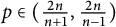
We study the $L^p$ regularity of the Bergman projection P over the symmetrized polydisc in $\mathbb C^n$. We give a decomposition of the Bergman projection on the polydisc and obtain an operator equivalent to the Bergman projection over antisymmetric function spaces. Using it, we obtain the $L^p$ irregularity of P for $p=\frac {2n}{n-1}$ which also implies that P is $L^p$ bounded if and only if $p\in (\frac {2n}{n+1},\frac {2n}{n-1})$.
In this paper, we develop a framework for studying the role of group identities in contemporary cleavage formation. Identities, we suggest, hold the key to a central conundrum of current political sociology: the fact that today’s electoral realignments appear to be rooted in the social structure of post-industrial societies, while the decline of mass organizations has dissolved traditional links between politics and social structure. Bringing cleavage theory into dialog with the sociology of Pierre Bourdieu, we theorize how group identities may play an important role in stabilizing a new universalism-particularism cleavage emerging in Western Europe today. We identify two key processes of cleavage identity formation: bottom-up processes of “social closure” and top-down “classification struggles” waged by political entrepreneurs. For both processes, we review empirical findings and formulate an agenda for further research.
Emotional prototypicality (EmoPro) quantifies the extent to which an emotion-label word represents emotion concepts. While previous research demonstrated faster recognition for high EmoPro words than low EmoPro words in Spanish, the modulation of EmoPro on emotion word recognition in other languages and its dependence on task demands remain unclear. This study employed both the lexical decision task (Experiment 1) and the valence judgment task (Experiment 2) to investigate the EmoPro effect among Chinese speakers. The results not only confirmed the role of EmoPro in Chinese emotion word recognition, supporting the prototype theory of emotion concepts, but also highlighted that the EmoPro effect was more pronounced in the valence judgment task (an explicit emotion task) than in the lexical decision task (an implicit emotion task). This suggests that EmoPro is associated with the ease of accessing emotion concepts and serves as an affective-semantic variable.
Creating a sustainable residency research program is necessary to develop a sustainable research pipeline, as highlighted by the recent Society for Academic Emergency Medicine 2024 Consensus Conference. We sought to describe the implementation of a novel, immersive research program for first-year emergency medicine residents. We describe the curriculum development, rationale, implementation process, and lessons learned from the implementation of a year-long research curriculum for first-year residents. We further evaluated resident perception of confidence in research methodology, interest in research, and the importance of their research experience through a 32-item survey. In two cohorts, 25 first-year residents completed the program. All residents met their scholarly project requirements by the end of their first year. Two conference abstracts and one peer-reviewed publication were accepted for publication, and one is currently under review. Survey responses indicated that there was an increase in residents’ perceived confidence in research methodology, but this was limited by the small sample size. In summary, this novel resident research curriculum demonstrated a standardized, reproducible, and sustainable approach to provide residents with an immersive research program.
I have written this article primarily as an overview for students who are studying Greek at A level and beyond; it may also be useful for their teachers. It covers the period from the Archaic age up to the beginning of Medieval Greek (c. 750 BCE to 500 CE). There is an emphasis on Classical Greek both within and beyond the Classical period, since the Classical form, or approximations to it, has never ceased to be learned, the only form of Greek of which this can be said. It has also left a sizeable imprint on Modern Greek, especially but not exclusively on its more educated forms. I hope though that the article will serve to draw the users’ attention to the many other forms of the language apart from Classical Greek. I know that I could have done with something like this when I was a student: I was hardly aware of the existence of the κοινή, except perhaps as a form of Greek used by Christian writers long after the end of the Classical period.
Major depressive disorder is one of the most common serious illnesses worldwide; the disease is also among those with the lowest rates of treatment. Barriers to access to care, both practical and psychological, contribute significantly to these low treatment rates. Among such barriers are regulations in many nations that require a physician’s prescription for most pharmacological treatments including selective serotonin reuptake inhibitors (SSRIs). These rules are designed to protect patients. However, such regulations involve a tradeoff between the welfare of “visible” victims, who might suffer negative consequences from a lack of regulation, and the well-being of invisible “victims,” who likely experience negative consequences that result from increased barriers to care. This article explores these tradeoffs and argues in favor of shifting SSRIs from prescription-only to over-the-counter status.
A macroscopic model for perfect-slip flow in porous media is derived in this work, starting from the pore-scale flow problem and making use of an upscaling technique based on the adjoint method and Green's formula. It is shown that the averaged momentum equation has a Darcy form in which the permeability tensor, $\boldsymbol{\mathsf{K}}_{ps}$, is obtained from an associated adjoint (closure) problem that is to be solved on a (periodic) unit cell representative of the structure. Similarly to the classical permeability tensor, $\boldsymbol{\mathsf{K}}$, in the no-slip regime, $\boldsymbol{\mathsf{K}}_{ps}$ is intrinsic to the porous medium under consideration and is shown to be symmetric and positive. Integral relationships between $\boldsymbol{\mathsf{K}}_{ps}$, the partial-slip flow permeability tensor, $\boldsymbol{\mathsf{K}}_{s}$, and $\boldsymbol{\mathsf{K}}$ are derived. Numerical simulations carried out on two-dimensional model porous structures, together with an approximate analytical solution and an empirical correlation for a particular configuration, confirm the validity of the macroscopic model and the relationship between $\boldsymbol{\mathsf{K}}_{ps}$ and $\boldsymbol{\mathsf{K}}$.