To save content items to your account,
please confirm that you agree to abide by our usage policies.
If this is the first time you use this feature, you will be asked to authorise Cambridge Core to connect with your account.
Find out more about saving content to .
To save content items to your Kindle, first ensure no-reply@cambridge.org
is added to your Approved Personal Document E-mail List under your Personal Document Settings
on the Manage Your Content and Devices page of your Amazon account. Then enter the ‘name’ part
of your Kindle email address below.
Find out more about saving to your Kindle.
Note you can select to save to either the @free.kindle.com or @kindle.com variations.
‘@free.kindle.com’ emails are free but can only be saved to your device when it is connected to wi-fi.
‘@kindle.com’ emails can be delivered even when you are not connected to wi-fi, but note that service fees apply.
Labor scholars have increasingly recognized the need to look beyond the workplace and explore where and how workers lived, socialized, shopped, or protested. The six books reviewed in this essay contribute to understanding how modern cities shaped the process of working-class formation as well as workers’ identity, experiences, and economic and material conditions. From different standpoints, these urban and labor histories of Paris, Mexico City, Miami, Port Said, Montevideo, and Santiago, Chile, demonstrate the impact of urban modernization, industrial capitalism, and migration on working families. By bringing together books from different regions and historiographical traditions, this essay also reflects on the possibilities and challenges of writing a global labor urban history.
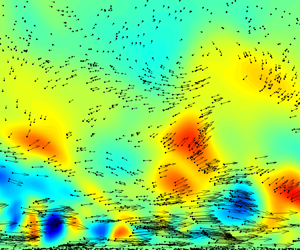
This study presents a direct numerical simulation that investigates the transport mechanisms of sand particles in the neutrally stable atmospheric Ekman boundary layer (AEBL). The simulation models the AEBL in a half-channel flow, taking into account the Earth's rotation and adding a Coriolis term to the Navier–Stokes equations. The Lagrangian point-particle method with one-way coupling is used to track the sand particles. The main objective is to examine the impact of gravity and particle Stokes number on the sand particle dynamics. The results indicate that gravity has a significant effect on large-size sand particles, as seen in the mean and root-mean-square sand velocity profiles. The slip velocity profiles of sand particles relative to the surrounding air show that larger particles experience higher drag forces in the viscous sublayer, which hinders their forward movement. This effect is also amplified by gravity. Furthermore, the mean profiles of the streamwise and spanwise slip velocities exhibit distinct demarcations of the viscous sublayer, buffer layer and log-law region. The spatial and temporal Voronoï analysis reveals that gravity increases the clustering level of sand particles in the entire turbulent Ekman layer and reduces the time for the change of the Voronoï volume, particularly for large-size particles.
Prospective university students experience substantial academic stressors and psychological vulnerabilities, yet their mental health literacy (MHL) remains inadequately explored. This study investigates four dimensions of MHL – help-seeking behaviors, stigma, knowledge about mental health and understanding of mental illnesses. Besides, Geographic Information System (GIS) techniques are employed to analyze spatial disparities in MHL, which is the first in the context of MHL research. A total of 1,485 students were assessed for sociodemographic characteristics, admission-related variables, health behaviors and family histories of mental health issues. Data were analyzed using SPSS and ArcGIS software. Multivariable linear regression analyses unveiled predictors of the MHL dimensions, with gender, family income, admission test performance, smoking, alcohol and drug use, physical and mental health history, current depression or anxiety and family history of mental health and suicide incidents emerging as common predictors. GIS analysis unraveled notable regional disparities in MHL, particularly in knowledge of mental health and mental illness, with northern and some southern districts displaying higher literacy levels. In conclusion, these findings accentuate significant gender and sociodemographic inequalities in MHL among prospective university students, highlighting the imperative for targeted interventions to enhance MHL and foster mental well-being in this cohort.
Any system health work must look at decision-making because decisions propagate throughout a system, shaping system dynamics. Usually, human decision-making is conducted from an individualist, objectivist perspective. What happens when we use an approach based on the radical relationality of Radical Participatory Design and Relational Design? This is the fourth paper in a series of papers which introduced Radical Participatory Design in the first two papers and Relational Design in the third paper. In this fourth paper, we explore the decision-making dynamics in Radical Participatory Design and Relational Design projects.
We use the term political ecology to speak about the power dynamics within any ecological system – a geographical population, a community, an ecosystem, and so forth. We analyze the political ecologies of individualist decision-making models. Then we explore how to embody a relational ontology within decision-filled human ecosystems and how a relational way of being changes decision-making. Referring to biology, we discuss ingredients for relational decision-making – relationality, emergent design principles, and autonomy. Those ingredients can lead to emergent and symbiotic design. Emergent design refers to design that emerges from consistently following a few basic principles. Symbiotic design occurs over time when deeply, relationally embedded entities retain autonomy and indirectly evolve to create a design that would not have occurred through an intentional design process. We then introduce Radical Biocracy as a type of decision-making model where decisions are not deliberated by groups or team members but emerge from the relationally autonomous choices and actions of individuals.
Over recent decades it has consistently been shown that disabled adults in the UK fare worse in the labour market and have lower levels of wellbeing than non-disabled adults. However, this is in part due to the selection into dis-ability of those with existing socio-economic disadvantages. In this article, we use panel data from the combined British Household Panel Survey and Understanding Society, covering the 27 years from 1991 to 2018, to distinguish between the effect of selection, the effect of dis-ability onset and the effect of dis-ability duration on a range of labour market and wellbeing outcomes. We show that there is important selection both into dis-ability and into longer experience of dis-ability on the basis of observable characteristics. We also show the importance of controlling for time-invariant unobservable individual characteristics that similarly affect selection into dis-ability and duration of dis-ability. Even after controlling for both forms of selection, we find significant negative effects of dis-ability onset and duration, and offer policy solutions to address them.
Generation Z is the most educated and yet pessimistic about the future. At the same time, populist parties have much support among young voters. Do they find an answer to their discouraging socio-economic situation in populist appeals? In this article, we analyse how pessimistic economic expectations shape the preference for populist parties among the young in Spain. By using conjoint experiments, we explore which specific features of populist parties (‘thin’ or ‘thick’ characteristics) are decisive in attracting young and pessimistic voters. Unlike older generations, for whom immigration is the most relevant factor, Generation Z, especially the pessimistic, focuses more on the thin ideological elements of populism. This finding contradicts previous experimental studies, which argue that thin populist characteristics are irrelevant in explaining the general population’s voting behaviour. Ideology plays a significant mediating role, as young pessimists on the left tend to be attracted by anti-elitism, while those on the centre-right by people-centrism.
Importance-performance analysis (IPA) is widely used for needs analysis, product positioning, and strategic planning in product design. Previous research on IPA often employs single-source data such as customer surveys or online reviews with unavoidable subjective bias. In contrast, product maintenance records provide objective information on product quality and failure patterns, which can be cross-validated with customers’ personal experiences from surveys or online reviews. In this paper, we propose an integrated framework for conducting IPA from online reviews and product maintenance records jointly. An attribute-keyword dictionary is first established using keyword extraction and clustering methods. Then, semantic groups, including product attributes and associated descriptions, are extracted using dependency parsing analysis. The sentiment scores of identified product attributes are determined by a voting mechanism using two pre-trained sentiment analysis models. The importance of product attributes in IPA is estimated from the impact of sentiments of each product attribute on product ratings with the extreme gradient boosting (XGBoost) model, while the performance is estimated from the sentiment scores of online reviews or the quality statistics from product maintenance records. In addition, we propose two methods to validate the IPA results, in which the IPA results are compared with the actual product improvements on the market or compared with the analysis of customer reviews from different time periods, respectively. The validated IPA results from online reviews and maintenance records are then integrated to obtain a more comprehensive understanding of customer needs. A case study of passenger vehicles is used to demonstrate the framework. The proposed framework enables automatic data processing and can support companies in making efficient design decisions with more comprehensive perspectives from multisource data.
Work-related conditionality policy in the UK is built around the problematic assumption that people should commit to ‘full-time’ work and job search efforts as a condition of receiving benefits. This is potentially in conflict with the idea that what is required of people should be tailored to their circumstances in some way – ‘personalised conditionality’ – and implies a failure to recognise that conditionality is being applied to a diverse group of people and in a context where the paid work that is available is often temporary and insecure. Drawing on thirty-three qualitative interviews with people subject to intensive work-related conditionality whilst receiving Universal Credit or Jobseeker’s Allowance in Manchester, the paper explores the work-related time demands that people were facing and argues that these provide a lens for examining the rigidities and contradictions of conditionality policy. The findings indicate that expectations are often set in relation to an ideal of full-time hours and in a highly asymmetric context that is far from conducive to being able to negotiate a reasonable set of work-related expectations. Work search requirements affect people differently depending on their personal circumstances and demand-side factors, and can act to weaken the position of people entering, or already in, work.
Low levels of vitamin D during pregnancy are associated with offspring behavioral problems but little is known about pre-pregnancy influences. Additionally, Black American individuals are underrepresented in studies, limiting translational impact. We tested independent and interactive effects of preconception and prenatal vitamin D in Black women in relation to positive behavioral and emotional outcomes in early childhood.
Methods
Black-identifying participants (N = 156) enrolled in the longitudinal Pittsburgh Girls Study (PGS) provided venous blood samples before and during pregnancy to measure 25-hydroxyvitamin D (25[OH]D) levels. Participants completed questionnaires assessing sociodemographic factors, depression severity and life stress, and later reported on child behavioral and emotional problems and prosocial behavior between 2 and 4 years.
Results
Mean serum 25(OH)D concentrations were 15.5 ng/ml (s.d. = 7.7) before pregnancy and 18.0 ng/ml (s.d. = 9.2) during pregnancy; below the sufficiency threshold according to commonly used dietary guidelines. After adjusting for covariates, prenatal 25(OH)D was negatively related to behavior problems and positively related to prosocial behavior in children, although the association attenuated for behavior problems after accounting for preconception 25(OH)D, which may reflect patterns of stability. Maternal 25(OH)D was unrelated to child emotional problems, and no synergistic effects of 25(OH)D timing were observed for any child outcome.
Conclusions
Findings have relevance for Black women living in the northeast U.S. Results suggest specific associations between maternal vitamin D and positive behaviors in early childhood, regardless of sufficiency levels and suggest potential opportunities for early interventions to support healthy child development.
This study aimed to assess the association between emotional attitudes towards diabetes, eating behaviour styles and glycaemic control in outpatients with type 2 diabetes.
Design:
Observational study.
Setting:
Endocrinology Division of Hospital de Clínicas de Porto Alegre, Brazil.
Participants:
Ninety-one outpatients diagnosed with type 2 diabetes. Baseline assessments included data on clinical parameters, lifestyle factors, laboratory results, eating behaviour styles and emotional attitudes. All patients received nutritional counseling following diabetes recommendations. A follow-up visit was scheduled approximately 90 days later to evaluate changes in weight, medication dosages and glycated Hb (HbA1c) values. Patients were categorised based on their emotional attitude scores towards diabetes (positive or negative), and their characteristics were compared using appropriate statistical tests.
Results:
At baseline, no differences were observed in the proportion of patients with good glycaemic control, eating behaviour styles and emotional attitudes. However, patients with a positive attitude towards the disease exhibited a significantly better response in glycaemic control compared with the reference group (OR = 3·47; 95 % CI = 1·12, 10·75), after adjusting for diabetes duration, sex and medication effect score. However, when BMI was included in the model, the association did not reach statistical significance. Therefore, these results should be interpreted with caution.
Conclusions:
Patients with a positive attitude towards diabetes showed a greater reduction in HbA1c levels following nutritional counseling. However, baseline BMI could be a potential confounding factor.
This paper explores educational fallout from the realisation that the world system has planetary boundaries as limits that are real and that require different thinking and governance concerning how human beings ought to inhabit the planet. It will be difficult to have billions of people think about global concerns when they are focused on their own well-being. And so it comes to governance, locally, with bigger things in mind. Environmental education rhetoric has already begun to expand thinking to engage world systems as groundings for the politics that underpins decision-making above and beyond levels of theory/praxis. The educational challenge will be to lay out background theory and guidelines as we find ways to engage politically the problems amidst the power and control of the people that we elect as “leaders” at each level of educational and political systems. However, the challenge has been taken up and environmental education has created openings for exploring complexities of political ecology within environmental education.
This case study presents an analysis of community-driven partnerships, focusing on the nonprofit Baltimore CONNECT (BC) network and its collaborative efforts with a Community-Engaged Research (CEnR) team of the Johns Hopkins Institute for Clinical and Translational Research (ICTR). BC has built a network of over 30 community-based organizations to provide health and social services in Baltimore City. The study emphasizes the role of CEnR in supporting community-led decision-making, specifically in the planning and implementation of community health resource fairs. These fairs address social determinants of health by offering a variety of services, including health education, screenings, vaccinations, and resource distribution. The paper details the methods, resource mobilization, and collaborative framing processes in the execution of these fairs in a community-academic collaboration with the ICTR. Results from a 2.5-year period show the positive impact of the fairs on individuals, families, and the community at large in East Baltimore. The findings underscore the importance of community-led collaborations in addressing health disparities and improving overall community well-being. It concludes by reflecting on the sustained engagement, trust-building, and shared learning that emerges from such partnerships, suggesting a model for future community-academic health initiatives.
Cover crops are becoming an increasingly important tool for weed suppression. Biomass production in cover crops is one of the most important predictors of weed suppressive ability. A significant challenge for growers is that cover crop growth can be patchy within fields, making biomass estimation difficult. This study tested ground-based structure-from-motion (SfM) for estimating and mapping cereal rye (Secale cereale L.) biomass. SfM generated 3D point clouds from red, green, and blue (RGB) videos collected by a handheld GoPro camera over five fields in North Carolina during the 2022 to 2023 winter season. A model for predicting biomass was generated by relating measured biomass at termination using a density–height index (DH) from point cloud pixel density multiplied by crop height. Overall biomass ranged from 320 to 9,200 kg ha−1, and crop height ranged from 10 to 120 cm. Measured biomass at termination was linearly related to DH (r2 = 0.813) through levels of 9,000 kg ha−1. Based on independent data validation, predicted biomass and measured biomass were linearly related (r2 = 0.713). In the field maps generated by kriging, measured biomass data were autocorrelated at a range of 5.4 to 42.2 m, and predicted biomass data were autocorrelated at a range of 3.4 to 12.0 m. However, the spatial arrangement of high- and low-performing areas was similar for predicted and measured biomass, particularly in fields with greatest patchiness and spatial correlation in biomass values. This study provides proof-of-concept that ground-based SfM can potentially be used to nondestructively estimate and map cover crop biomass production and identify low-performing areas at higher risk for weed pressure and escapes.
The COVID-19 pandemic impacted the transmission of many pathogens. The aim was to determine the effect of non-pharmaceutical interventions on the incidence of diseases transmitted via food. Weekly incidence rates for nine foodborne pathogens were collected from national surveillance registries. Weekly pathogen incidence during lockdown weeks of 2020 and 2021 were compared with corresponding weeks in 2015–2019. The same analyses were performed to determine the effect of self-defined expected impact levels of measures (low, intermediate and high). Eight out of 9 diseases showed a significant decrease in case number in 2020, except for listeriosis, which remained unchanged. The largest decrease was observed for rotavirus gastronteritis A (−81%), norovirus gastroenteritis (−78%), hepatitis A (−75%) and shigellosis (−72). In 2021, lower case numbers were observed for 6 out of 9 diseases compared with 2015-2019, with the largest decrease for shigellosis (−5/%) and hepatitis E (−47%). No significant change was observed for listeriosis, STEC infection and rotavirus gastroenteritis. Overall, measures with increased expected impact level did not result in a larger decrease in number of cases, except for Campylobacter, and norovirus and rotavirus gastroenteritis. Disease transmitted via food significantly decreased during the COVID-19 pandemic, with a more pronounced effect during 2020 than 2021.
Big Tech companies such as Meta, the owner of Facebook, are increasingly accused of enabling human rights violations. The proliferation of toxic speech in their digital platforms has been in the background of recent episodes of mass atrocity, the most salient of which recently transpired in Myanmar and Ethiopia. The involvement of Big Tech companies in mass atrocity raises multiple normative and conceptual challenges. One is to properly conceptualize Meta’s responsibility for the circulation of toxic speech. On one view, endorsed by the corporation itself, Meta can be absolved from any significant share of responsibility for these atrocities because toxic speech is the speech of some (rogue) users, hosted but neither created nor endorsed by the company; if anything, Meta is responsible for failing to anticipate and swiftly remove that speech. I will argue that this view is misleading, as it misses the underlying forces crafting toxic speech. Meta’s business model relies on what one might call the algorithmic capture of attention, which it achieves by manipulating its users and by creating an environment in which manipulative practices of some users thrive over others. This fact alone turns the company into a co-creator of toxic speech rather than a mere conduit of the toxic speech of others. As a result, it is safe to claim that Meta bears significant causal responsibility and sufficient moral responsibility for the dissemination of toxic speech, such that it justifies its inclusion in transitional justice processes and grounds its moral obligation to act in ways that advance these processes.
Sublingual ranulas present diagnostic and therapeutic challenges due to their heterogenous clinical presentations. This systematic review and meta-analysis aims to synthesise treatment outcomes and proposes a new classification for this condition.
Methods
Following PRISMA guidelines, a thorough literature search identified studies on patients with sublingual ranulas receiving medical or surgical treatment. Proportion meta-analysis compared success rates among studies using a random-effects model.
Results
Forty-two studies were included, covering 686 endoral ranulas, 429 plunging ranulas, and 16 ranulas extending into the parapharyngeal space. Sublingual sialoadenectomy with or without pseudocyst wall excision showed low heterogeneity and the highest success rates. Consequently, a new classification system is proposed categorising ranulas by intraoral (Type 1), cervical (Type 2) or parapharyngeal space (Type 3) extension.
Conclusion
This study confirms the role of sublingual gland resection as standard of care and highlights the need for a revised classification to improve patient outcomes.
The cliff and foreshore sections at Blue Anchor Bay, north Somerset, provide a detailed picture of the transitional Triassic–Jurassic succession. The site has been recorded as a location for fossil fishes for over 200 years, and yet the assemblages from the bone beds have not been described. Here, we present new observations on the two bone beds and find major faunal differences: the classic basal bone bed at Blue Anchor Bay contains an assemblage dominated by osteichthyan teeth, unexpected because elsewhere the ichthyofauna is usually dominated by chondrichthyans. The upper bone bed at Blue Anchor Bay is indeed more typical, being dominated by teeth of hybodont chondrichthyans. We report two unusual finds, first five teeth of the rare shark Parasycylloides turnerae, only the fifth such record in the UK. Further, we report here for the first time a tooth of the pycnodontiform Eomesodon, the first report of this taxon from the Triassic of the UK or Europe. The two bone beds are distinguished not only by different assemblages, but also by evidence of different degrees of anoxia and water depth: the upper bone bed contains abundant pyrite and marcasite, indicating highly anoxic conditions, and perhaps deposition in deeper water than the basal bone bed.
To measure SARS-CoV-2 anti-nucleocapsid (anti-N) antibody seropositivity among healthcare personnel (HCP) without a history of COVID-19 and to identify HCP characteristics associated with seropositivity.
Design:
Prospective cohort study from September 22, 2020, to March 3, 2022.
Setting:
A tertiary care academic medical center.
Participants:
727 HCP without prior positive SARS-CoV-2 PCR testing were enrolled; 559 HCP successfully completed follow-up.
Methods:
At enrollment and follow-up 1–6 months later, HCP underwent SARS-CoV-2 anti-N testing and were surveyed on demographics, employment information, vaccination status, and COVID-19 symptoms and exposures.
Results:
Of 727 HCP enrolled, 27 (3.7%) had a positive SARS-CoV-2 anti-N test at enrollment. Seropositive HCPs were more likely to have a household exposure to COVID-19 in the past 30 days (OR 7.92, 95% CI 2.44–25.73), to have had an illness thought to be COVID-19 (4.31, 1.94–9.57), or to work with COVID-19 patients more than half the time (2.09, 0.94–4.77). Among 559 HCP who followed-up, 52 (9.3%) had a positive SARS-CoV-2 anti-N antibody test result. Seropositivity at follow-up was associated with community/household exposures to COVID-19 within the past 30 days (9.50, 5.02–17.96; 2.90, 1.31–6.44), having an illness thought to be COVID-19 (8.24, 4.44–15.29), and working with COVID-19 patients more than half the time (1.50, 0.80–2.78).
Conclusions:
Among HCP without prior positive SARS-CoV-2 testing, SARS-CoV-2 anti-N seropositivity was comparable to that of the general population and was associated with COVID-19 symptomatology and both occupational and non-occupational exposures to COVID-19.
‘Relaxed’ events are now common across the public Arts and Heritage sectors. Although designed with the needs of autistic children and their families in mind, they suit people with a range of access needs. Our project at The Open University asked: what would a ‘relaxed tutorial’ look like, and who might benefit from it? Across two years (2021–2023), tutors in the Department of Classical Studies at The Open University trialled a set of autism-friendly accessibility adjustments to live online tutorials for distance learners on a Roman History module. We found that relaxed tutorials were welcomed by students with anxiety disorders, caring responsibilities, chronic conditions and low confidence, as well as by autistic students. Since the project was concluded in 2023, relaxed tutorials have been rolled out across further Classical Studies modules at The Open University. Their principles and structure offer a new way of looking at accessibility adjustments which could be adapted to other teaching contexts and levels.