To save content items to your account,
please confirm that you agree to abide by our usage policies.
If this is the first time you use this feature, you will be asked to authorise Cambridge Core to connect with your account.
Find out more about saving content to .
To save content items to your Kindle, first ensure no-reply@cambridge.org
is added to your Approved Personal Document E-mail List under your Personal Document Settings
on the Manage Your Content and Devices page of your Amazon account. Then enter the ‘name’ part
of your Kindle email address below.
Find out more about saving to your Kindle.
Note you can select to save to either the @free.kindle.com or @kindle.com variations.
‘@free.kindle.com’ emails are free but can only be saved to your device when it is connected to wi-fi.
‘@kindle.com’ emails can be delivered even when you are not connected to wi-fi, but note that service fees apply.
It is well established that there is a substantial genetic component to eating disorders (EDs). Polygenic risk scores (PRSs) can be used to quantify cumulative genetic risk for a trait at an individual level. Recent studies suggest PRSs for anorexia nervosa (AN) may also predict risk for other disordered eating behaviors, but no study has examined if PRS for AN can predict disordered eating as a global continuous measure. This study aimed to investigate whether PRS for AN predicted overall levels of disordered eating, or specific lifetime disordered eating behaviors, in an Australian adolescent female population.
Methods
PRSs were calculated based on summary statistics from the largest Psychiatric Genomics Consortium AN genome-wide association study to date. Analyses were performed using genome-wide complex trait analysis to test the associations between AN PRS and disordered eating global scores, avoidance of eating, objective bulimic episodes, self-induced vomiting, and driven exercise in a sample of Australian adolescent female twins recruited from the Australian Twin Registry (N = 383).
Results
After applying the false-discovery rate correction, the AN PRS was significantly associated with all disordered eating outcomes.
Conclusions
Findings suggest shared genetic etiology across disordered eating presentations and provide insight into the utility of AN PRS for predicting disordered eating behaviors in the general population. In the future, PRSs for EDs may have clinical utility in early disordered eating risk identification, prevention, and intervention.
Sjögren's syndrome (SS) is a chronic autoimmune disease caused by immune system disorders. The main clinical manifestations of SS are dry mouth and eyes caused by the destruction of exocrine glands, such as the salivary and lacrimal glands, and systemic manifestations, such as interstitial pneumonia, interstitial nephritis and vasculitis. The pathogenesis of this condition is complex. However, this has not been fully elucidated. Treatment mainly consists of glucocorticoids, disease-modifying antirheumatic drugs and biological agents, which can only control inflammation but not repair the tissue. Therefore, identifying methods to regulate immune disorders and repair damaged tissues is imperative. Cell therapy involves the transplantation of autologous or allogeneic normal or bioengineered cells into the body of a patient to replace damaged cells or achieve a stronger immunomodulatory capacity to cure diseases, mainly including stem cell therapy and immune cell therapy. Cell therapy can reduce inflammation, relieve symptoms and promote tissue repair and regeneration of exocrine glands such as the salivary glands. It has broad application prospects and may become a new treatment strategy for patients with SS. However, there are various challenges in cell preparation, culture, storage and transportation. This article reviews the research status and prospects of cell therapies for SS.
This study aimed to investigate the relationship between lexical coverage and TV viewing comprehension. Previous studies have indicated that 95% to 98% of lexical coverage may be needed for reading comprehension (Hu & Nation, 2000). To understand informal listening passages, lower coverage figures (95%-90%) may suffice. However, no study has researched the lexical coverage needed to understand audiovisual texts. We adopted a counter-balanced within-participants design, in which 5%, 10%, or 20% of the words in four 2-min documentaries were replaced with nonwords. Native and non-native speakers of English participated in this study. Results showed that comprehension scores decreased as lexical coverage decreased; comprehension at 100% coverage was significantly higher than 90% and 80% in the two groups; and optimal adequate comprehension is achieved with an optimal lexical coverage of 95%, whereas minimal adequate comprehension is reached with a minimal lexical coverage of 80%.
Venlafaxine is used to treat depression worldwide. Previous reviews have demonstrated that venlafaxine lowers scores on depression rating scales, producing statistically significant results but the relevance to patients remains uncertain. Knowledge of the incidence of the adverse effects associated with venlafaxine has previously been based on the results of non-randomised studies. Our primary objective was to assess the risks of adverse events with venlafaxine in the treatment of adults with major depressive disorder in randomised trials.
Methods
We searched relevant databases and other sources from inception to 7 March 2024 for randomised clinical trials comparing venlafaxine versus placebo or no intervention in adults with major depressive disorder. Data were synthesised using meta-analysis and Trial Sequential Analysis. The primary outcomes were suicides or suicide attempts, serious adverse events and non-serious adverse events.
Results
We included 28 trials randomising 6,253 participants to venlafaxine versus placebo. All results were at high risk of bias, and the certainty of the evidence was very low. All trials assessed outcomes at a maximum of 12 weeks after randomisation. Meta-analysis and Trial Sequential Analysis showed insufficient information to assess the effects of venlafaxine on the risks of suicides or suicide attempts. Meta-analysis showed evidence of harm of venlafaxine versus placebo on serious adverse events (risk ratio: 2.66; 95% confidence interval: 1.67–4.25; p < 0.01; 22 trials), mainly due to a higher risk of sexual dysfunction and anorexia. Meta-analysis showed that venlafaxine also increased the risk of several non-serious adverse events: nausea, dry mouth, dizziness, sweating, somnolence, constipation, nervousness, insomnia, asthenia, tremor and decreased appetite.
Conclusions
Short-term results show that venlafaxine has uncertain effects on the risks of suicides but increases the risks of serious adverse events (especially sexual dysfunction and anorexia) and many non-serious adverse events. The long-term effects of venlafaxine for major depressive disorder are unknown. It is a particular cause for concern that there are no data on the long-term adverse effects of venlafaxine given that so many people use these drugs for several years.
The “la Caixa” Foundation has been experimenting with artificial intelligence (AI)-assisted decision-making geared toward alleviating the administrative burden associated with the evaluation pipeline of its flagship funding program, piloting an algorithm to detect immature project proposals before they reach the peer review stage, and suggest their removal from the selection process to a human overseer. In this article, we explore existing uses of AI by publishers and research funding organizations to automate their selection pipelines, in addition to analyzing the conditions under which the focal case corresponds to a responsible use of AI and the extent to which these conditions are met by the current implementation, highlighting challenges and areas of improvement.
This article examines questions pertaining to Indigenous people’s citizenship status, the problematic definition of orphanhood, rule of law, and structural racism in Brazilian society. The definition of orphanhood was articulated in a way that allowed for the extralegal abuse and racialized exploitation of labor to continue long past the legal end of Indigenous slavery (1755). Indigenous persons’ legal status, the definition of orphanhood, and guardianship laws worked together to legitimate the permanence of child separation as a means for wealthier Brazilians to get free child labor. The article uncovers the ambiguities in defining Indigenous people’s legal status, making citizenship status a subjective determination contested on a case-by-case basis. With this foreground understanding, the article presents the practice of child separation and the created discourse to legitimize Indigenous, Black, and mixed-race children as unpaid criadas de casa (housemaids).
The present study delves into the structure and lexical organization of L1 and L2 mental lexicons. Indirect access to the mental lexicon is provided by semantic fluency tasks, which inform researchers about how the words are organized in the mental lexicon and retrieved when necessary. Here, two groups of participants were asked to retrieve as many words of the category fruits and vegetables as possible in two minutes. The first group is made up of native speakers of Spanish who responded in Spanish L1, whereas the second group is made up of native speakers of Greek who are learning Spanish foreign language (SFL) who responded first in Spanish FL and later in Greek L1. The three sets of responses were scrutinized and compared for similarities and differences. Results point to a retrieval mechanism based on L1-mediated access for SFL learners and slightly different structures of the mental lexicon. Even in very advanced learners, lexical organization and word retrieval in the FL resembles L1 organization.
How does the decline of traditional news outlets affect political polarization? We provide novel evidence on this question by examining the link between local newspaper exits, media consumption, and electoral behaviour in a multiparty setting. Our empirical analysis combines a unique panel of all German local newspapers between 1980 and 2009, electoral returns, and an annual media consumption survey of more than 670,000 respondents. Using a difference-in-differences design, we demonstrate that local newspaper exits increase electoral polarization. Additional analysis points to changes in media consumption as the underlying mechanism driving this result: following local news exits, consumers substitute local news with national tabloid news. Our findings extend prior results in the US context to a multiparty setting and shed new light on the causal chain running from changing local news landscapes to electoral behaviour.
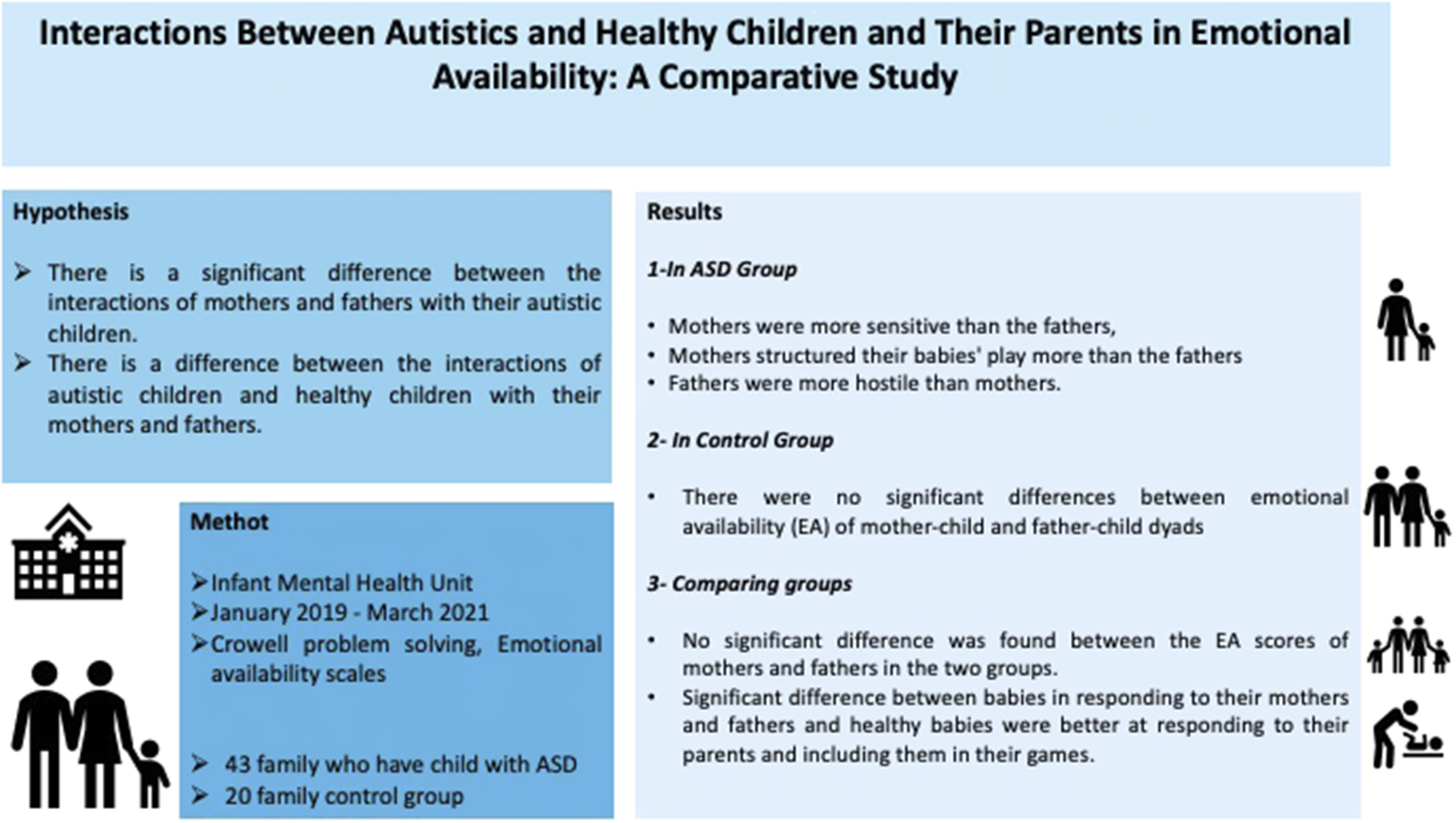
In this study, we assessed the interactions of mothers and fathers with their children diagnosed with autism spectrum disorder (ASD) in terms of emotional availability (EA) and compared them with the interactions of healthy controls. Children, aged 13–60 months and applied to the Infant Mental Health Unit between January 2019 and March 2021 and their parents without any clinical diagnosis, were included. The EA levels of mothers and fathers of the autistic group, which included 30 boys and 13 girls, and those of the control group, which included 10 boys and 10 girls, were compared. According to the results obtained, it was determined that the EA levels of mothers and fathers of healthy controls were not different; however, the mothers were more sensitive and better in structuring the content of play compared with the fathers in the ASD group. It was noted that the fathers of children with ASD were more hostile than the mothers. EA should be taken as a criterion to determine the intensity and content of treatment, particularly in ASD. Additionally, increased awareness of fathers in EA may provide better results in the intervention process.
The increased global prevalence of type II diabetes mellitus (T2DM) is associated with consumption of low fibre ‘Western diets’. Characteristic metabolic parameters of these individuals include insulin resistance, high fasting and postprandial glucose, as well as low-grade systemic inflammation. Gut microbiota composition is altered significantly in these cohorts suggesting a causative link between diet, microbiota and disease. Dietary fibre consumption has been shown to alleviate these changes and improve glucose parameters in individuals with metabolic disease. We previously reported that yeast β-glucan (yeast beta-1,3/1,6-D-glucan; Wellmune) supplementation ameliorated hyperinsulinaemia and insulin resistance in a murine model. Here, we conducted a randomised, placebo-controlled, two-armed dietary fibre phase I exploratory intervention study in patients with T2DM. The primary outcome measure was alteration to microbiota composition, while the secondary outcome measures included markers of glycaemic control, inflammation as well as metabolomics. Patients were supplemented with 2·5g/day of maltodextrin (placebo) or yeast β-1,3/1,6-D-glucan (treatment). Yeast β-glucan (Wellmune) lowered insulin resistance compared with the placebo maltodextrin after 8 weeks of consumption. TNFα was significantly lower after 4 weeks of β-glucan supplementation. Significantly higher fecal concentrations of several bile acids were detected in the treatment group when compared with the placebo after 8 weeks. These included tauroursodeoxycholic acid, which was previously shown to improve glucose control and lower insulin resistance. Interestingly, the hypoglycaemic and anti-inflammatory effect of yeast β-glucan was independent of any changes in fecal microbiota composition or short-chain fatty acid levels. Our findings highlight the potential of yeast β-glucan to lower insulin resistance in patients with T2DM.
Carbohydrate intake and key food sources of carbohydrates in early childhood are poorly understood. The present study described total carbohydrate intake and subtypes (i.e. starch, sugar), their primary food sources and their tracking among young Australian children. Data from children at ages 9 months (n 393), 18 months (n 284), 3·5 years (n 244) and 5 years (n 240) from the Melbourne InFANT Program were used. Three 24-hour recalls assessed dietary intakes. The 2007 AUSNUT Food Composition Database was used to calculate carbohydrates intake and food groups. Descriptive statistics summarised total carbohydrate and subtype intake and their main food sources. Tracking was examined using Pearson correlations of residualised scores between time points. Total carbohydrate, starch and sugar intakes (g/d) increased across early childhood. The percentage of energy from total carbohydrates (% E) remained stable overtime (48·4–50·5 %). From ages 9 months to 5 years, the %E from total sugar decreased from 29·4 % to 22·6 %, while the %E from starch increased from 16·7 % to 26·0 %. Sources of total carbohydrate intake changed from infant formula at 9 months to bread/cereals, fruits and milk/milk products at 18 months, 3·5 and 5 years. Across all time points, the primary sources of total sugar intake were fruit, milk/milk products and cakes/cookies, whereas main food groups for starch intake included bread/cereals, cakes/cookies and pasta. Weak to moderate tracking of total carbohydrates, total sugar and starch (g/d) was observed. These findings may have the potential to inform the refinement of carbohydrate intake recommendations and design of interventions to improve children’s carbohydrate intake.
This article presents the results of two studies investigating increased intra-individual variability (IIV) in the performance of individuals with attention deficit hyperactivity disorder (ADHD), in two cognitive domains: numerosity judgments and quantitative and verbal reasoning.
Methods
Study 1, a pre-registered experiment, involved approximately 200 participants (42.66% female; mean age: 36.86; standard deviation of age: 10.70) making numerical judgments at two time-points. ADHD-symptom severity was assessed on a continuous scale. In Study 2, we collected the data of approximately 3000 examinees who had taken a high-stakes admissions test for higher education (assessing quantitative and verbal reasoning). The sample comprised only people formally diagnosed with ADHD. The control group consisted of approximately 200 000 examinees, none of whom presented with ADHD.
Results
The results of Study 1 revealed a positive correlation between IIV (distance between judgments at the two time-points) and ADHD symptom severity. The results of Study 2 demonstrated that IIV (distance between the scores on two test chapters assessing the same type of reasoning) was greater among examinees diagnosed with ADHD. In both studies, the findings persisted even after controlling for performance level.
Conclusions
The results indicate that individuals with ADHD, v. those without, exhibit less consistent numerosity judgments and greater fluctuation in performance on verbal and quantitative reasoning. The measurement of the same psychological constructs appears to be less precise among individuals with ADHD compared to those without. We discuss the theoretical contributions and practical implications of our results for two fields: judgment and decision-making, and assessment.
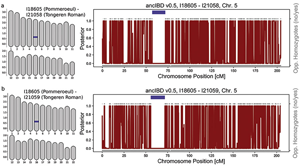
Post-mortem manipulation of human bodies, including the commingling of multiple individuals, is attested throughout the past. More rarely, the bones of different individuals are assembled to create a single ‘individual’ for burial. Rarer still are composite individuals with skeletal elements separated by hundreds or even thousands of years. Here, the authors report an isolated inhumation within a Gallo-Roman-period cremation cemetery at Pommerœul, Belgium. Assumed to be Roman, radiocarbon determinations show the burial is Late Neolithic—with a Roman-period cranium. Bioarchaeological analyses also reveal the inclusion of multiple Neolithic individuals of various ages and dates. The burial is explained as a composite Neolithic burial that was reworked 2500 years later with the addition of a new cranium and grave goods.
Alzheimer’s dementia (AD) is a progressive, neurodegenerative disease often accompanied by neuropsychiatric symptoms that profoundly impact both patients and caregivers. Agitation is among the most prevalent and distressing of these symptoms and often requires treatment. Appropriate therapeutic interventions depend on understanding the biological basis of agitation and how it may be affected by treatment. This narrative review discusses a proposed pathophysiology of agitation in Alzheimer’s dementia based on convergent evidence across research approaches. Available data indicate that agitation in Alzheimer’s dementia is associated with an imbalance of activity between key prefrontal and subcortical brain regions. The monoamine neurotransmitter systems serve as key modulators of activity within these brain regions and circuits and are rendered abnormal in AD. Patients with AD who exhibited agitation symptoms during life have alterations in neurotransmitter nuclei and related systems when the brain is examined at autopsy. The authors present a model of agitation in Alzheimer’s dementia in which noradrenergic hyperactivity along with serotonergic deficits and dysregulated striatal dopamine release contribute to agitated and aggressive behaviors.
Inappropriate antibiotic use is a key driver of antibiotic resistance and one that can be mitigated through stewardship. A better understanding of current prescribing practices is needed to develop successful stewardship efforts. This study aims to identify factors that are associated with human cases of enteric illness receiving an antibiotic prescription. Cases of laboratory-confirmed enteric illness reported to the FoodNet Canada surveillance system between 2015 and 2019 were the subjects of this study. Laboratory data were combined with self-reported data collected from an enhanced case questionnaire that included demographic data, illness duration and symptoms, and antibiotic prescribing. The data were used to build univariable logistic regression models and a multivariable logistic regression model to explore what factors were associated with a case receiving an antibiotic prescription. The final multivariable model identified several factors as being significantly associated with cases being prescribed an antibiotic. Some of the identified associations indicate that current antibiotic prescribing practices include a substantial level of inappropriate use. This study provides evidence that antibiotic stewardship initiatives targeting infectious diarrhoea are needed to optimize antibiotic use and combat the rise of antibiotic resistance.
Physical health conditions are more common in individuals with autism. Some, like epilepsy, have considerable evidence supporting their increased prevalence, but many diseases lack literature to make strong conclusions.
Aims
To investigate the prevalence of physical health comorbidities in autism.
Method
We undertook a nested cross-sectional study, using a sample from the National Centre for Mental Health database. It included participants from England and Wales who reported a clinician-made diagnosis of autism (n = 813), and a control sample without autism or mental illness (n = 2781). Participants had provided a medical history at enrolment. Analysis was carried out by binomial logistic regressions controlling for age, gender, smoking status, and antipsychotic and mood stabiliser use. A subanalysis of individuals with concurrent intellectual disability (n = 86) used binomial logistic regression with the same control variables.
Results
Many physical health conditions were significantly more common in autism. Sixteen out of 28 conditions showed increased odds, with the highest odds ratios observed for liver disease, chronic obstructive pulmonary disease, kidney disease, osteoporosis and rheumatoid arthritis. A subanalysis demonstrated a similar pattern of physical health in individuals with autism with and without concurrent intellectual disability. Some conditions, including osteoporosis, hyperthyroidism, head injury and liver disease, had larger odds ratios in individuals with concurrent intellectual disability.
Conclusions
Physical health conditions occur more commonly in individuals with autism, and certain conditions are further increased in those with concurrent intellectual disability. Our findings contribute to prior evidence, including novel associations, and suggest that people with autism are at greater risk of physical health problems throughout adulthood.
Nico Silins [(2012). ‘Judgment as a Guide to Belief.’ In D. Smithies and D. Stoljar (eds), Introspection and Consciousness, pp. 295–327. Oxford: Oxford University Press; (2013). ‘Introspection and Inference.’ Philosophical Studies163, 291–315; (2020). ‘The Evil Demon Inside.’ Philosophy and Phenomenological Research100, 325–343] argues that conscious judgements justify self-attribution of belief in the content judged. In defending his view, he makes use of Moore's paradox, seeking to show how his theory can explain what seems irrational or absurd about sentences of the form, ‘p and I do not believe that p’. I show why his argument strategy is not available to defend the view that conscious judgements can justify the self-attribution of belief in the content judged. I then propose an amended version of his theory, which holds that sincerely asserting a proposition – whether aloud or silently – justifies self-ascribing belief in the proposition expressed. In doing so, I draw on an argument which I made in Gregory [(2018). ‘The Feeling of Sincerity: Inner Speech and the Phenomenology of Assertion.’ Thought7, 225–236] that there is something it is like to make a sincere assertion which is different from what it is like to make an insincere assertion. The phenomenology of sincere assertion provides immediate justification for self-ascription of belief in a proposition which has been sincerely asserted; nonetheless, it may be that we need to interpret our own assertions in order to determine which propositions they express. This paves the way for showing how two competing schools of thought about self-knowledge – one which holds that self-knowledge is immediate and one which holds that self-knowledge is inferential – might be combined.
A Nebraska statewide webinar series was initiated during the coronavirus disease 2019 (COVID-19) pandemic for long-term care (LTC) and acute care/outpatient (AC) facilities. An impact survey was completed by 48 of 96 AC and 109 of 429 LTC facilities. The majority reported increased regulatory awareness (AC: 65%, LTC: 54%) and updated COVID-19 (AC: 61%, LTC: 69%) and general infection prevention (AC: 61%, LTC: 60%) policies.
For the very first time, in the Spring of 2023, the European Commission (EC) carried out a survey across all member states to assess their level of financial literacy. This survey complements other national surveys and fills an important gap because it provides a consistent metric that allows comparisons among the European Union (EU) countries. The motivation behind the EC’s survey stems from the need to advance the state of financial literacy to safeguard financial stability and promote important projects, such as the creation of a Capital Markets Union. In this paper, we analyze these new data and confirm findings in the literature about the importance of being financially knowledgeable to achieve good financial outcomes. Unfortunately, the survey also confirms that barely one in two individuals, on average in the EU, is financially literate.
Nearly two-thirds of individuals with a mental disorder start experiencing symptoms during adolescence or early adulthood, and the onset of a mental disorder during this critical life stage strongly predicts adverse socioeconomic and health outcomes. Subthreshold manifestations of autism spectrum disorders (ASDs), also called autistic traits (ATs), are known to be associated with a higher vulnerability to the development of other psychiatric disorders. This study aimed to assess the presence of ATs in a population of young adults seeking specialist assistance and to evaluate the study population across various psychopathological domains in order to determine their links with ATs.
Methods
We recruited a sample of 263 adolescents and young adults referring to a specialized outpatient clinic, and we administered them several self-report questionnaires for the evaluation of various psychopathological domains. We conducted a cluster analysis based on the prevalence of ATs, empathy, and sensory sensitivity scores.
Results
The cluster analysis identified three distinct groups in the sample: an AT cluster (22.43%), an intermediate cluster (45.25%), and a no-AT cluster (32.32%). Moreover, subjects with higher ATs exhibited greater symptomatology across multiple domains, including mood, anxiety, eating disorder severity, psychotic symptoms, and personality traits such as detachment and vulnerable narcissism.
Conclusions
This study highlights the importance of identifying ATs in young individuals struggling with mental health concerns. Additionally, our findings underscore the necessity of adopting a dimensional approach to psychopathology to better understand the complex interplay of symptoms and facilitate tailored interventions.