To save content items to your account,
please confirm that you agree to abide by our usage policies.
If this is the first time you use this feature, you will be asked to authorise Cambridge Core to connect with your account.
Find out more about saving content to .
To save content items to your Kindle, first ensure no-reply@cambridge.org
is added to your Approved Personal Document E-mail List under your Personal Document Settings
on the Manage Your Content and Devices page of your Amazon account. Then enter the ‘name’ part
of your Kindle email address below.
Find out more about saving to your Kindle.
Note you can select to save to either the @free.kindle.com or @kindle.com variations.
‘@free.kindle.com’ emails are free but can only be saved to your device when it is connected to wi-fi.
‘@kindle.com’ emails can be delivered even when you are not connected to wi-fi, but note that service fees apply.
Lack of psychological safety within surgical teams and fear of damaging one’s career or reputation may counteract the effect of formal reporting as a tool for preventing bullying. Also, personality traits of cardiothoracic surgeons may promote bullying. In the current study, we evaluate these factors and their association with bullying in cardiothoracic surgical teams.
Methods:
Forty-four cardiothoracic surgeons filled in the Negative Acts Questionnaire-Revised, Safety Attitude Questionnaire, and Big Five Inventory.
Results:
Of the 44 participants, 18 (40.90%) experienced bullying during their careers. Psychological safety was negatively associated with work-related bullying and positively associated with the agreeableness and openness personality factors.
Conclusion:
Bullying within the cardiothoracic surgical teams is a prominent problem that is negatively associated with psychological safety. Psychological safety is positively associated with agreeableness and openness, and interventions focusing on promoting an organizational culture based on such factors may improve the effectiveness of such interventions.
Research suggests that most mental health conditions have their onset in the critically social period of adolescence. Yet, we lack understanding of the potential social processes underlying early psychopathological development. We propose a conceptual model where daily-life social interactions and social skills form an intermediate link between known risk and protective factors (adverse childhood experiences, bullying, social support, maladaptive parenting) and psychopathology in adolescents – that is explored using cross-sectional data.
Methods
N = 1913 Flemish adolescent participants (Mean age = 13.8; 63% girls) were assessed as part of the SIGMA study, a large-scale, accelerated longitudinal study of adolescent mental health and development. Self-report questionnaires (on risk/protective factors, social skills, and psychopathology) were completed during class time; daily-life social interactions were measured during a subsequent six-day experience-sampling period.
Results
Registered uncorrected multilevel linear regression results revealed significant associations between all risk/protective factors and psychopathology, between all risk/protective factors and social processes, and between all social processes and psychopathology. Social processes (social skills, quantity/quality of daily social interactions) were uniquely predicted by each risk/protective factor and were uniquely associated with both general and specific types of psychopathology. For older participants, some relationships between social processes and psychopathology were stronger.
Conclusions
Unique associations between risk/protective factors and psychopathology signify the distinct relevance of these factors for youth mental health, whereas the broad associations with social processes support these processes as broad correlates. Results align with the idea of a social pathway toward early psychopathology, although follow-up longitudinal research is required to verify any mediation effect.
This article studies a theoretical term for diasporic cultural production proposed by the contemporary Black Brazilian writer Conceição Evaristo—escrevivência. Evaristo’s first novel, Becos da Memória ([2006] 2017)—semiautobiographical remembrances of a midcentury favela community during its eviction—exemplifies escrevivência as a theory of the transmission of a culture of resistance to imposed dispossession. The term has been cited in a proliferation of antiracist critiques and studies on marginal subjects in Brazil. My argument is that escrevivência is crucial for Brazilian decolonial thought, given the temporally recursive frame it enunciates, which opens the present and future to prior articulations of Black culture in Brazil. I make three approaches to Becos within escrevivência’s temporal frame, examining literary anteriority (the influence of Carolina Maria de Jesus’s works), narrated marginality (polyphony, embodiment, domestic labor, minor literature), and cultural heritage (the instantiation and circulation of Black language).
In the context of the ongoing Russian invasion and the uncertainties surrounding the potential return migration of millions of displaced Ukrainians, this study explores the future of (return) migration through an innovative and inclusive participatory foresight approach, engaging 20 displaced Ukrainians residing in Valencia, Spain, from May to December 2023. The foresight process included workshops, discussions via online messaging groups, interviews, participatory observations, and culminated in an open art exhibition. Through this process, we conducted a collective horizon scanning, identifying weak signals and emerging trends, followed by an examination of critical uncertainties, which led to the development of four distinct scenarios: Exhaustion Return, Energetic Return, Virtual Return, and Disconnection. The insights derived from this foresight exercise hold practical relevance for both Ukrainian and EU migration policymakers, emphasizing the importance of lived experiences in shaping anticipatory migration policies. This study also offers theoretical contributions by applying participatory foresight to the field of return migration, challenging established knowledge paradigms, and fostering a more inclusive and nuanced understanding of migration dynamics and their broader implications.
Let $\mathbb {F}$ be a field and $(s_0,\ldots ,s_{n-1})$ be a finite sequence of elements of $\mathbb {F}$. In an earlier paper [G. H. Norton, ‘On the annihilator ideal of an inverse form’, J. Appl. Algebra Engrg. Comm. Comput.28 (2017), 31–78], we used the $\mathbb {F}[x,z]$ submodule $\mathbb {F}[x^{-1},z^{-1}]$ of Macaulay’s inverse system $\mathbb {F}[[x^{-1},z^{-1}]]$ (where z is our homogenising variable) to construct generating forms for the (homogeneous) annihilator ideal of $(s_0,\ldots ,s_{n-1})$. We also gave an $\mathcal {O}(n^2)$ algorithm to compute a special pair of generating forms of such an annihilator ideal. Here we apply this approach to the sequence r of the title. We obtain special forms generating the annihilator ideal for $(r_0,\ldots ,r_{n-1})$ without polynomial multiplication or division, so that the algorithm becomes linear. In particular, we obtain its linear complexities. We also give additional applications of this approach.




This paper explores the necessary adaptations to the theory of administrative discretion when using AI systems. Regulatory frameworks in the EU, US, and Spain do not prohibit the application of AI in discretionary decision-making. Particularly, AI systems can be used when discretionary power involves correlations. However, to meet Rule of Law conditions, it is essential to establish adaptations and boundaries in areas such as duty of care, reason-giving, and judicial review. These conditions should focus on the impact of decisions on the affected individuals.
The sharing economy is anchored to two opposite logics: sharing and market exchange. This results in tensions between a pro-social orientation and communal norms on the one hand (i.e. solidarity, mutuality, generalized reciprocity and communal belonging) and a for-profit orientation and market norms on the other hand (i.e. profit maximization, self-interest and utilitarian motives). This article aims to distinguish among the different practices and phenomena related to the sharing economy, focusing on the tensions emanating from renting private possessions through collaborative consumption platforms.
Latinx individuals in the U.S. have higher levels of stress than other ethnic groups. Latinx immigrants living in non-traditional immigration destinations (NTIDs) have worse access to social and medical support and were particularly vulnerable during the COVID-19 pandemic. This study aims to contextualize stress in Latinx immigrants in an NTID during the COVID-19 pandemic and to understand Latinx immigrants’ preferences for stress management interventions given the sociopolitical and public health context.
Method
Using a community-based participatory research approach with mixed methods research design, community co-researchers gathered data using a quantitative survey and then contextualized survey results using a qualitative community conversation.
Results
Community conversation participants were surprised at the relatively low levels of reported stress and pandemic impact in survey participants, and they proposed the reason was the level of pre-pandemic stressors. Guatemalan immigrants in an NTID reported more stigma but fewer changes between pre- and post-pandemic stress levels. Survey respondents preferred to learn about stress management through YouTube videos or groups led by professionals.
Conclusions
Understanding the diversity of stress experiences among Latinx immigrant groups is critical to developing effective interventions. Coping strategy preferences are variable among different Latinx immigration groups, but asynchronous and/or professional-led stress management was preferred.
Interstage monitoring programs for single ventricle disease have been developed to reduce morbidity and mortality. There is increased use of telemedicine and mobile application monitoring. It is unknown if there are disparities in use based on patient socio-demographic factors.
Methods:
We conducted a retrospective cohort study of patients enrolled in the single ventricle monitoring program and KidsHeart application at a single centre from 4/21/2021 to 12/31/2023. We investigated the association of socio-demographic factors with telemedicine usage, mobile application enrollment and usage. We assessed resource utilisation and weight changes by program era.
Results:
There were 94 children in the cohort. Patients with Norwood and ductal stent had higher mean telemedicine visits per month (1.8 visits, p = 0.004), without differences based on socio-demographic factors. There were differences in application enrollment with more Black patients enrolled compared to White patients (p = 0.016). There were less Hispanic patients enrolled than Non-Hispanic patients (p = 0.034). There were no Spaish speaking patient’s enrolled (p = 0.0015). There were no patients with maternal education of less than high school enrolled and all those with maternal education of advanced degree were enrolled (p = 0.0016). There was decreased mobile application use in those from neighbourhoods in the lowest income quartile. There were decreased emergency department visits with mobile application monitoring. Mean weight-for-age z-scores had increased from start to completion of the program in all eras.
Discussion:
Differences were seen in mobile application enrollment and usage based on socio-demographic factors. Further work is needed to ensure that all patients have access to mobile application usage.
Patient dignity is a key concern during end-of-life care. Dignity Therapy is a person-centered intervention that has been found to support patient dignity interviews focused on narrating patients’ life stories and legacies. However, mechanisms that may affect utility of the Dignity Therapy have been little studied. In this study, we evaluate whether the extent to which patients are more communal in their interviews acts as a mechanism for increased patient dignity.
Methods
We analyzed the written transcripts from Dignity Therapy interviews with 203 patients with cancer over the age of 55 receiving outpatient palliative care (M = 65.80 years; SD = 7.45 years, Range = 55–88 years; 66% women). Interviews followed core questions asking patients about their life story and legacy. We used content-coding to evaluate the level of communion narrated in each interview, and mediation analyses to determine whether communion affected dignity impact.
Results
Mediation analyses indicated that the extent to which patients narrated communion in their interview had a significant direct effect on post-test Dignity Impact. Communion partially mediated the effect of pre-test on post-test Dignity Impact. For both the life story and legacy segments of the session, narrating communion had a direct effect on post-test Dignity Impact.
Significance of results
Narrating communion serves as a mechanism for enhancing patient dignity during Dignity Therapy. Providers may consider explicitly guiding patients to engage in, elaborate on, communal narration to enhance therapeutic utility. In addition, encouraging patients with advanced illness to positively reflect on relationships in life may improve patient dignity outcomes in palliative and end-of-life care.
Provide an in-depth examination of consumers’ food safety beliefs and practices to draw implications for interventions to improve nutrition and food safety in Ethiopia.
Design:
Adapted Focused Ethnographic Study approach using in-person semi-structured interviews and free-listing exercises, in two iterative phases.
Setting:
A traditional food market in Hawassa, a mid-sized city.
Participants:
Forty-six market shoppers, selected randomly in line with quotas for age and gender.
Results:
Consumers did not clearly differentiate between quality and safety, seeing them through connected concepts such as ‘freshness’. While most respondents had some understanding of the causes of unsafe food, they did not generally worry about becoming ill themselves and felt food safety risks were easily mitigated through in-home behaviours. Thus, food safety practices were not a main motivator of market or vendor choice. There was no evidence that food safety concerns led consumers to prefer packaged, processed food or to avoid consuming fresh foods.
Conclusions:
The study offers novel depth and detail on a topic of strong policy relevance. While building on an encouraging base of understanding of food safety, there remains considerable scope for increasing knowledge, particularly with regard to the need to procure safe food as opposed to expecting household-level practices to mitigate all safety risks. Motivating customers to give food safety factors more consideration when making food purchasing decisions, such as by leveraging emotion-based communication from trusted messengers to elevate the issue’s salience in their minds, may contribute to improvements in food safety in low-income countries such as Ethiopia.
Hyperplexed in-situ targeted proteomics via antibody immunodetection (i.e., >15 markers) is changing how we classify cells and tissues. Differently from other high-dimensional single-cell assays (flow cytometry, single-cell RNA sequencing), the human eye is a necessary component in multiple procedural steps: image segmentation, signal thresholding, antibody validation, and iconographic rendering. Established methods complement the human image evaluation, but may carry undisclosed biases in such a new context, therefore we re-evaluate all the steps in hyperplexed proteomics. We found that the human eye can discriminate less than 64 out of 256 gray levels and has limitations in discriminating luminance levels in conventional histology images. Furthermore, only images containing visible signals are selected and eye-guided digital thresholding separates signal from noise. BRAQUE, a hyperplexed proteomic tool, can extract, in a marker-agnostic fashion, granular information from markers which have a very low signal-to-noise ratio and therefore are not visualized by traditional visual rendering. By analyzing a public human lymph node dataset, we also found unpredicted staining results by validated antibodies, which highlight the need to upgrade the definition of antibody specificity in hyperplexed immunostaining. Spatially hyperplexed methods upgrade and supplant traditional image-based analysis of tissue immunostaining, beyond the human eye contribution.
As demographics and gender norms shift, more older men will be providing care for their wives living with dementia than ever before. Research on husbands as caregivers is limited and offers an incomplete picture of their role development and how they experience caregiving. This study examined husbands whose wives have dementia and how they provide care and construct their sense of self. Semi-structured interviews with 11 men aged 61–88 were conducted in Ontario, Canada. Data were analyzed using constant comparison analysis and a constructivist grounded theory (CGT) approach. Two categories were developed: Adapting to the Role of Caregiver and Staying a Husband. Caregiving as a husband for a wife living with dementia required revision of the role of husband to include that of caregiver by reimaging intimacy, being a protector in new ways, and finding new meanings to being a provider and the value of wealth.
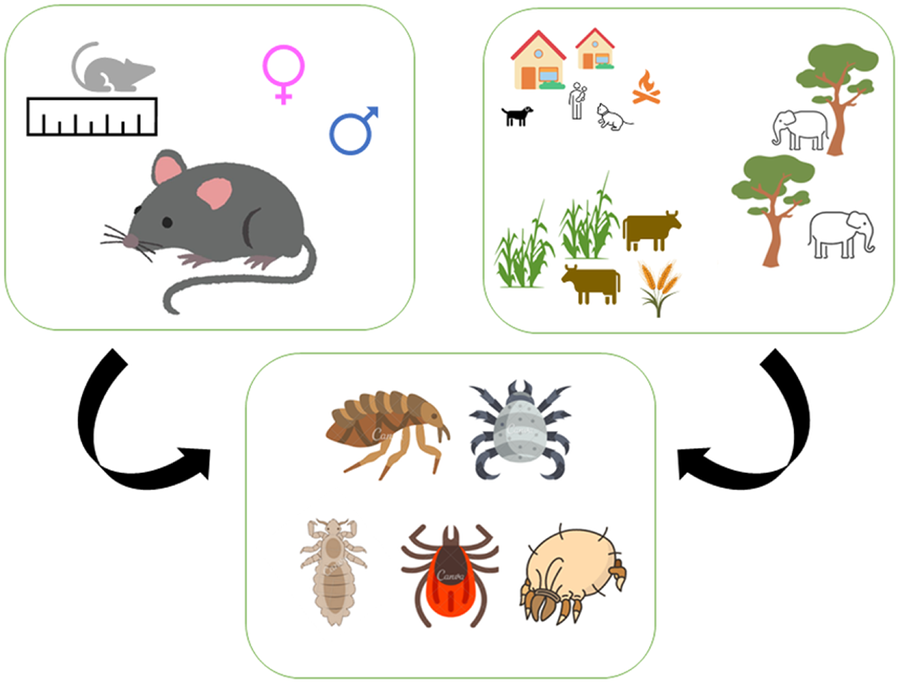
Mastomys natalensis and M. coucha are commensal rodent species endemic to Africa. A recent taxonomic revision within Mastomys leaves the parasite–host list of M. natalensis questionable and that of M. coucha incomplete. The current study aimed to develop a better understanding of the ectoparasite diversity associated with the 2 distinct but closely related rodent species and to explore the influence of host and habitat type on ectoparasite infestations. Between 2014 and 2020, 590 rodents were trapped in 3 habitat types (village, agriculture and natural) across a wildlife-human/domestic animal interface. In total 48 epifaunistic species (45 ectoparasitic and 3 predatory) represented by 29 genera from 4 taxonomic groups (fleas, lice, mites and ticks) were recorded. Only 50% of the epifauna were shared between the 2 rodent species, with mites the most speciose taxon in both host species. The abundance of epifaunistic individuals, and also those of mites and fleas, were significantly higher on male M. natalensis, while ticks were significantly higher on reproductively active M. natalensis. For both rodent species, infestations by most epifaunistic taxa (on M. natalensis) and some taxa (on M. coucha) were significantly lower in the village as opposed to the less disturbed agricultural and natural habitat types. The study highlights the importance of host life history, even in closely related rodent species, in shaping parasite profiles and a loss of parasite diversity in more extreme anthropogenic habitats.
Pain resilience and regional gray matter volume (rGMV) are established correlates of adaptation to chronic pain within cross-sectional studies. Extending such work, this prospective cohort study tested the status of baseline pain resilience dimension scores and rGMV as risk factors for subsequent exacerbations in chronic pain disability and intensity.
Methods
142 adults with chronic musculoskeletal pain completed an initial assessment comprising a structural magnetic resonance imaging scan and self-report measures of cognitive/affective positivity and behavioral perseverance pain resilience dimensions, disability, pain intensity, and demographics. Disability and pain intensity were outcomes re-assessed at a 6-month follow-up. The impact of pain resilience dimension scores and identified rGMV sites on follow-up outcomes was examined after controlling for other baseline correlates of outcomes. Mediating effects of identified rGMV sites on pain resilience dimension-follow-up outcome relations were also evaluated.
Results
Aside from the significant multivariate effect of lower behavioral perseverance and cognitive/affective positivity scores, augmented left precuneus, temporal pole, superior temporal gyrus (STG), and precentral gyrus rGMV combined to predict higher follow-up disability levels, independent of covariates. Higher left fusiform gyrus rGMV levels predicted follow-up exacerbations in pain intensity, but pain resilience dimension scores did not. Finally, left precuneus and left temporal pole STG rGMV partially mediated cognitive/affective positivity-follow-up disability relations.
Conclusions
Findings underscore deficits in pain resilience and increased rGMV as potential risk factors for poorer subsequent outcomes of chronic musculoskeletal pain and provide foundations for further prospective extensions as well as targeted intervention research.
The literature has shown that, in developing countries, large cash transfers to older people improve the wellbeing of the recipients and their families. While social pensions have recently emerged in East Asia to deliver small cash benefits to older people, there is little consistent evidence of their effects. We examine the effects of the Basic Pension Scheme, a social pension in South Korea, on income and consumption poverty among older adults. We apply a difference-in-differences event study design and other complementary approaches to data covering the full period of program development from 2006 to 2021. The results show that the social pension decreases income poverty but not consumption poverty. While this study analysed the best data currently available, using better-quality data in future research would enable more robust analysis. Further research is also warranted to find how to improve the effectiveness of a non-contributory pension programme as a tool for reducing income and consumption poverty among older adults.
Educational attainment (EduA) is correlated with life outcomes, and EduA itself is influenced by both cognitive and non-cognitive factors. A recent study performed a ‘genome-wide association study (GWAS) by subtraction,’ subtracting genetic effects for cognitive performance from an educational attainment GWAS to create orthogonal ‘cognitive’ and ‘non-cognitive’ factors. These cognitive and non-cognitive factors showed associations with behavioral health outcomes in adults; however, whether these correlations are present during childhood is unclear.
Methods
Using data from up to 5517 youth (ages 9–11) of European ancestry from the ongoing Adolescent Brain Cognitive DevelopmentSM Study, we examined associations between polygenic scores (PGS) for cognitive and non-cognitive factors and cognition, risk tolerance, decision-making & personality, substance initiation, psychopathology, and brain structure (e.g. volume, fractional anisotropy [FA]). Within-sibling analyses estimated whether observed genetic associations may be consistent with direct genetic effects.
Results
Both PGSs were associated with greater cognition and lower impulsivity, drive, and severity of psychotic-like experiences. The cognitive PGS was also associated with greater risk tolerance, increased odds of choosing delayed reward, and decreased likelihood of ADHD and bipolar disorder; the non-cognitive PGS was associated with lack of perseverance and reward responsiveness. Cognitive PGS were more strongly associated with larger regional cortical volumes; non-cognitive PGS were more strongly associated with higher FA. All associations were characterized by small effects.
Conclusions
While the small sizes of these associations suggest that they are not effective for prediction within individuals, cognitive and non-cognitive PGS show unique associations with phenotypes in childhood at the population level.
Radiotherapy (RT) plays a key role in the tumour microenvironment (TME), impacting the immune response via cellular and humoral immunity. RT can induce local immunity to modify the TME. It can stimulate dendritic cell maturation and T-cell infiltration. Moreover, B cells, macrophages and other immune cells may also be affected. Tertiary lymphoid structure (TLS) is a unique structure within the TME and a class of aggregates containing T cells, B cells and other immune cells. The maturation of TLS is determined by the presence of mature dendritic cells, the density of TLS is determined by the number of immune cells. TLS maturation and density both affect the antitumour immune response in the TME. This review summarized the recent research on the impact and the role of RT on TLS, including the changes of TLS components and formation conditions and the mechanism of how RT affects TLS and transforms the TME. RT may promote TLS maturation and density to modify the TME regarding enhanced antitumour immunity.
As climate change progresses, natural hazards are projected to continue to increase in frequency and intensity, posing a new form of social risk, implicating both the welfare and environmental state and raising the salience of ecosocial policy as a mechanism to attend to the distributional effects of climate change mitigation and adaptation. This study posits a novel conceptual framework for ecosocial policy and offers the US ecosocial safety net as a case analysis. While we conceptualise disaster relief policy as a mode of the environmental state, it includes unique ecosocial policies that constitute the backbone of the US ecosocial safety net. This study describes and compares the developmental and functional synergies between the US welfare and environmental state manifested in the form of an ecosocial safety net by explicating the Individual Assistance Program and the National Flood Insurance Program. Our findings reveal synergies between US disaster relief and welfare, including parallel developmental trends, philosophies of deserving/undeserving, functions of racial capitalism and relationships with economic growth. This study and its conceptual framework of ecosocial policy offer a groundwork for the study of ecosocial policy in other contexts.
The relationship between nutrition and ageing is complex. The metabolism and synthesis of micronutrients within the gut microbiome can influence human health but is challenging to study. Furthermore, studying ageing in humans is time-consuming and difficult to control for environmental factors. Studies in model organisms can guide research efforts in this area. This review describes how the nematode Caenorhabditis elegans can be used to study how bacteria and diet influence ageing and inform follow-on studies in humans. It is known that certain bacteria accelerate ageing in C. elegans. This age-accelerating effect is prevented by inhibiting folate synthesis within the bacteria, and we propose that in the human microbiome, certain bacteria also accelerate ageing in a way that can be modulated by interfering with bacterial folate synthesis. Bacterial-derived folates do not promote ageing themselves; rather, ageing is accelerated by bacteria in some way, either through secondary metabolites or other bacterial activity, which is dependent on bacterial folate synthesis. In humans, it may be possible to inhibit bacterial folate synthesis in the human gut while maintaining healthy folate status in the body via food and supplementation. The supplement form of folic acid has a common breakdown product that can be used by bacteria to increase folate synthesis. Thus, supplementation with folic acid may not be good for health in certain circumstances such as in older people or those with an excess of proteobacteria in their microbiome. For these groups, alternative supplement strategies may be a safer way to ensure adequate folate levels.