To save content items to your account,
please confirm that you agree to abide by our usage policies.
If this is the first time you use this feature, you will be asked to authorise Cambridge Core to connect with your account.
Find out more about saving content to .
To save content items to your Kindle, first ensure no-reply@cambridge.org
is added to your Approved Personal Document E-mail List under your Personal Document Settings
on the Manage Your Content and Devices page of your Amazon account. Then enter the ‘name’ part
of your Kindle email address below.
Find out more about saving to your Kindle.
Note you can select to save to either the @free.kindle.com or @kindle.com variations.
‘@free.kindle.com’ emails are free but can only be saved to your device when it is connected to wi-fi.
‘@kindle.com’ emails can be delivered even when you are not connected to wi-fi, but note that service fees apply.
In Indonesia, as in other countries, a large proportion of tax returns are filed at the last minute. In a population-wide randomised controlled trial (n = 11,157,069), we evaluated the impact of behavioural email prompts on the proportion of annual tax returns filed at least two weeks before the deadline; and overall filing rate. In two control conditions, taxpayers either received no email or an email used in prior years, emphasising regulatory information. The five treatments informed by behavioural science were (1) a simplified version of the existing email, emphasising early filing; (2) the simplified version with additional guidance on filing taxes; (3) the simplified version with a planning prompt and option to sign up for email reminders; (4) a version combining treatments 1, 2 and 3; and (5) an email appealing to national pride. Compared to the no-email control, all emails led to a statistically significant increase in early and overall filing rates. The planning email (3) was the most effective, increasing early filling from 34.9% to 37% (b 2.07 percentage points (pp), p < 0.001, 95% confidence interval (CI) 1.97–2.17pp), and overall filing from 65.6% to 66.7% (b 1.10pp, p < 0.001, 95% CI 0.99–1.19pp).
We investigated the interrelations between chronological age, theory of mind (ToM), Yield (as a measure of individual suggestibility), memory and acceptance of experimental suggestion in a sample of children between 3 and 7 years old (N = 106). One week after participants interacted with ‘a Teacher’, they were asked to recall activities carried out with the Teacher (direct experience) and the contents of a story read to them by the Teacher (indirect experience). Data were examined with an analysis of developmental trajectories, which allows establishing the predictor value of socio-cognitive developmental factors regardless of participants’ chronological age. It also estimates predictor values in interaction with the age and determines whether age is the best predictor for performance. As in previous research, results showed that chronological age was the main predictor of memory performance, both for direct experience (i.e., activities performed) and indirect experience (i.e., contents of the story). However, ToM and Yield, together with participants’ ages, modulated their acceptance of the external suggestions received (presented only once, one week after the event). A turning point was observed at age 4.6. Below this age, the greater the mentalist skills (higher ToM), the lower was the vulnerability to external suggestion. Still, children below this age characterized individually as being suggestible (Yield medium or high) were more vulnerable to suggestion the younger they were. Thus, developmental socio-cognitive factors might modulate young children’s vulnerability to external suggestions, even if received only once.
Theorists acknowledge that conspiracy beliefs represent an established psychological construct. The study of conspiracy beliefs is important because allied ideation potentially influences everyday attitudes and behaviors across a range of domains (i.e., cognitive, social, cross-cultural, and political psychology). In this article, we analyze the internal structure and construct validity of the Spanish adaptation of the Generic Conspiracist Beliefs Scale (GCBS). Correlational and confirmatory factor analyses using an international sample of 732 Spanish-speakers revealed a five-factor structure equivalent to the original instrument. Convergent validity was demonstrated using educational level, political orientation, need for uniqueness, and four social axioms (social cynicism, religiosity, reward for application, and fate control). In comparison to two English samples (N = 794 and N = 421), the adaptation demonstrated satisfactory, although restricted, levels of invariance. Accordingly, findings support the use of this translated form of the GCBS with Spanish speakers.
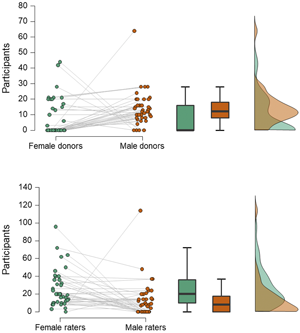
Recent work has demonstrated that human body odour alters with changing emotional state and that emotionally laden odours can affect the physiology and behaviour of people exposed to them. Here we review these discoveries, which we believe add to a growing recognition that the human sense of smell and its potential role in social interactions have been underappreciated. However, we also critically evaluate the current evidence, with a particular focus on methodology and the interpretation of emotional odour studies. We argue that while the evidence convincingly indicates that humans retain a capacity for olfactory communication of emotion, the extent to which this occurs in ordinary social interaction remains an open question. Future studies should place fewer restrictions on participant selection and lifestyle and adopt more realistic experimental designs. We also need to devote more consideration to underlying mechanisms and to recognise the constraints that these may place on effective communication. Finally, we outline some promising approaches to address these issues, and raise some broader theoretical questions that such approaches may help us to answer.
Likert items are often used in social and health sciences. However, the format is strongly affected by acquiescence and reversed items have traditionally been used to control this response bias, a controversial practice. This paper aims to examine how reversed items affect the psychometric properties of a scale. Different versions of the Grit-s scale were applied to an adult sample (N = 1,419). The versions of the scale had either all items in positive or negative forms, or a mix of positive and negative items. The psychometric properties of the different versions (item analysis, dimensionality and reliability) were analyzed. Both negative and positive versions demonstrated better functioning than mixed versions. However, the mean total scores did not vary, which is an example of how similar means could mask other significant differences. Therefore, we advise against using mixed scales, and consider the use of positive or negative versions preferable.
Children’s processing and comprehension of metonymy have received little attention in the developmental literature, which has mainly focused on children’s acquisition of metaphor abilities. However, it has been found that metonymy production and comprehension precede metaphor production and comprehension (Falkum et al., 2017; Nerlich et al., 1999; Pérez-Hernández & Duvignau, 2016; Runblad & Annaz, 2010). Nerlich et al. (1999) suggest that metonymic relations are exploited in overextensions produced by children up to age 2;5 and call these “compelled metonymic overextensions”. At this very early age, a child’s vocabulary is still relatively small, and this compels them to extend already known words to cope with their increasing communicative needs. These overextensions are, however, in most cases not random, as some type of associative relation (e.g., cause–effect, object–act, container–content, etc.) between the concepts referred to can be identified. This study focuses on the metonymic relations exploited by 18 Afrikaans-speaking infants and toddlers (between the ages of 0;6 and 2;0) in their early overextensions. The metonymic relations as described by Norrick (1981) as well as Radden and Kövecses (1999) are employed in the analysis. A total of 207 out of 1371 one-word utterances were identified as compelled metonymic overextensions and 11 types of metonymic relations could be identified as underlying these utterances. This study illustrates that the metonymic relations identified in such young children’s early language provide insight and understanding into how they categorise and associate various concepts with each other.
The distribution of human leukocyte antigens in the population assists in matching solid organ donors and recipients when the typing methods used do not provide sufficiently precise information. This is made possible by linkage disequilibrium (LD), where alleles co-occur more often than random chance would suggest. There is a trade-off between the high bias and low variance of a broad sample from the population and the low bias but high variance of a focused sample. Some of this trade-off could be alleviated if sub-populations shared LD despite having different allele frequencies. These experiments show that Bayesian estimation can balance bias and variance by tuning the effective sample size of the reference panel, but the LD as represented by an additive or multiplicative copula is not shared.
Mistakes made by players during a game are common in football, and when handled well they provide opportunities to learn and develop skills. However, when there is excessive self-criticism associated with the error, leading to dysfunctional cognitions about the self, there is the potential for a reduction in performance and wellbeing. Self-criticism can serve a number of functions but when it is excessive and undermines a player’s sense of adequacy and self-esteem it can lead to anxiety and depression. The current article explores the use of self-compassion techniques as methods for reducing the potential negative impacts of self-criticism.
This paper is a narrative review of the literature, examining the theory and evidence base associated with the use of self-compassion approaches in sport, particularly football. The article presents protocols used with professional footballers to promote performance and wellbeing.
Key learning aims
(1) Elite athletes are prone to a range of mistakes and stressors, sport and non-sport related, that they are required to deal with in order to maintain their performance and wellbeing.
(2) Self-compassion strategies are useful techniques for elite athletes to both help maintain wellbeing and prevent the occurrence of ‘mental health symptoms’.
(3) Evidence suggests that self-compassion strategies are helpful to footballers, and beneficial protocols have been used in studies with professional footballers.
Underutilisation of school counselling services was prevalent prior to the COVID-19 pandemic. Using the theory of planned behaviour (TPB) as a framework, this qualitative study seeks to elicit salient beliefs towards help-seeking from a school counsellor in secondary school contexts. Through focus-group discussions and individual interviews, 29 students from 10 secondary schools were interviewed. Constructive content analysis was utilised to identify specific salient behavioural beliefs, salient normative norms and salient control belief. The salient beliefs identified include perceiving counselling as a form of professional help, nonjudgment, stigmatisation, and past counselling experience. This study identified and highlighted a systematic approach to understanding specific socio-cognitive factors that support and hinder school counselling utilisation in an Asian school context. Implications arising from the study were discussed in the light of the findings.
Manual co-speech gestures can facilitate language comprehension, but do they influence language comprehension in simultaneous interpreters, and if so, is this influence modulated by simultaneous interpreting (SI) and/or by interpreting experience? In a picture-matching task, 24 professional interpreters and 24 professional translators were exposed to utterances accompanied by semantically matching representational gestures, semantically unrelated pragmatic gestures, or no gestures while viewing passively (interpreters and translators) or during SI (interpreters only). During passive viewing, both groups were faster with semantically related than with semantically unrelated gestures. During SI, interpreters showed the same result. The results suggest that language comprehension is sensitive to the semantic relationship between speech and gesture, and facilitated when speech and gestures are semantically linked. This sensitivity is not modulated by SI or interpreting experience. Thus, despite simultaneous interpreters’ extreme language use, multimodal language processing facilitates comprehension in SI the same way as in all other language processing.
This article reports on a survey study comparing the general public's attitude towards nudging to its attitude towards the traditional tools of government: information, subsidies, taxes and mandates. The study was based on responses from a representative sample of the adult Swedish population. In separate evaluations, the respondents rated how positively or negatively they perceived a set of specific policy tools, traditional and behavioral, across different policy goals. Overall, information and subsidies were more positively perceived than the other types of policy tools, nudging included. Respondents’ attitudes towards the policy tools were partly explained by individualistic ideological views, whether they agreed with the intended policy goals, and certain socio-demographic variables. Implications for future research and public policy are discussed.
Psychological distress is common after stroke, and affects recovery. However, there are few evidence-based psychological treatments. This study evaluates a bibliotherapy-based approach to its amelioration.
Aims:
To investigate a stroke-specific self-management book, based on acceptance and commitment therapy (ACT), as a therapist-supported intervention for psychological distress after stroke.
Method:
The design was a single case, randomised non-concurrent multiple-baseline design (MBD). Sixteen stroke survivors, eight males and eight females (mean age 60.6 years), participated in an MBD with three phases: A (randomised-duration baseline); B (intervention); and follow-up (at 3 weeks). During the baseline, participants received therapist contact only. In the bibliotherapy intervention, participants received bi-weekly therapist support. The primary measures of psychological distress (General Health Questionaire-12; GHQ-12) and quality of life (Satisfaction with Life Scale; SWLS) were completed weekly. Secondary measures of mood, wellbeing and illness impact were completed pre- and post-intervention.
Results:
Omnibus whole-group TAU-U analysis was statistically significant for each primary measure with a moderate effect size on both (0.6 and 0.3 for GHQ-12 and SWLS, respectively). Individual TAU-U analyses demonstrated that the majority of individuals exhibited positive change. All the secondary measures showed significant pre–post improvements. Eighty-one per cent of participants reported the book was helpful and 81% also found the ACT-based sections helpful. Relative risk calculations showed finding the book helpful was associated with improvement in GHQ-12 and SWLS scores.
Conclusions:
ACT-based bibliotherapy, with therapist support, is a promising intervention for psychological difficulties after stroke.
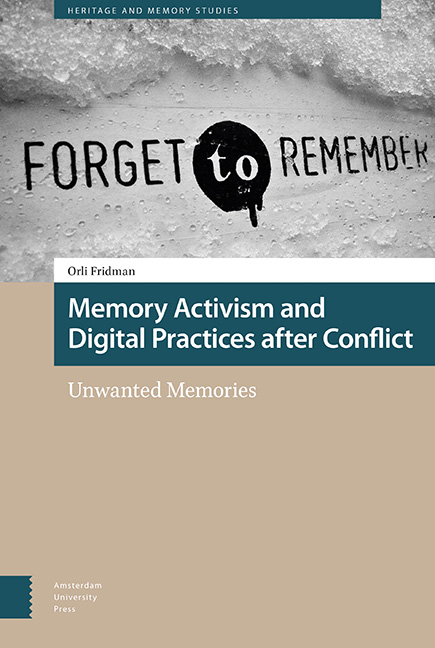
This book investigates the study of memory activism and memory of activism, emerging after conflict, as a political civic action. It examines the appearance and growth of memory activism in Serbia amid the legacies of unwanted memories of the wars of the 1990s, approaching the post-Yugoslav region as a region of memory and tracing the alternative calendars and alternative commemorative practices of memory activists as they have evolved over a period of more than two decades. By presenting in-depth accounts of memory activism practices, on-site and online, Memory Activism and Digital Practices after Conflict: Unwanted Memories analyses this evolution in the context of generational belonging and introduces frameworks for the study of #hashtag #memoryactivism, alternative commemorations and commemorative solidarity.
Language switching is often associated with language competition and switching costs. However, the underlying mechanisms might differ depending on context (free versus cued naming) and modality (production or comprehension). In this study, we assessed how response-stimulus intervals (RSI) influence language-switching costs. Longer RSIs might provide more time for interference from the previous trial to decay and result in smaller switching costs. Mandarin–English bilinguals completed two dual-language production tasks (Experiment 1: cued and voluntary picture naming) and one comprehension task (Experiment 2: animacy judgement) with a short RSI and a long RSI condition. While switching costs were present in all tasks, they were only influenced by RSI length in the cued-production task, with smaller switching costs in the long RSI condition. In contrast, RSI did not influence voluntary-production or comprehension costs. This suggests that bilinguals might apply language control differently to switch languages depending on the type of switching and modality.
Variations in pubertal timing and tempo have relevance to psychosocial development. Accounting for pubertal timing, tempo, and psychosocial development simultaneously in a model remains challenging. This study aimed to document the typology of pubertal development in a cohort of Taiwanese adolescent boys and then to examine how the associations between psychosocial variables across time vary by the patterns of pubertal development. A group of adolescent boys (n = 1,368) reported pubertal signs and psychosocial variables for 3 years since seventh grade. The growth mixture model revealed three major classes of pubertal transition: average pubertal growth, late-onset with rapid catch-up, and late-onset with slow catch-up. In a cross-lagged panel model, the multigroup analysis found the regression coefficients mostly invariant across all three classes, except those between deviant behavior and subsequent changes in depressive symptoms that were significantly positive only in the late-onset with slow catch-up group. Adolescent boys in this group were estimated to have the highest marginal level of depressive symptoms and deviant behavior in ninth grade among the three classes. Our study highlights the heterogeneity in boys’ pubertal development and the role of the pubertal development pattern in their psychosocial development.
Sentence reading involves constant competition between lexical candidates. Previous research with monolinguals has shown that the neighbours of a read word are inhibited, making their retrieval as a subsequent target more difficult, but the duration of this interference may depend on reading skills. In this study, we examined neighbour priming effects in sentence reading among proficient Norwegian–English bilinguals reading in their L2. We investigated the effects of the distance between prime and target (short vs. long) and the nature of the overlap between the two words (beginning or end), and related these to differences in individual cognitive skills. Our results replicated the inhibition effects found in monolinguals, albeit slightly delayed. Interference between form-related words was affected by the L2 reading skills and, crucially, by the phonological decoding abilities of the bilingual reader. We discuss the results in light of competition models of bilingual reading as well as episodic memory accounts.
The present study examined the association between adolescents’ extracurricular activities and bullying perpetration and victimisation. The sample was drawn from the 2016 National Survey of Children’s Health dataset. Analyses included descriptive statistics and logistic regression for the early adolescent and middle adolescent groups. Among early adolescents, sports were negatively associated with victimisation. Participation in clubs/organisations, organised activities or lessons, and community services were negatively associated, while employment was positively related to bullying perpetration. Among middle adolescents, all extracurricular activities were negatively related to victimisation. As for bullying perpetration, organised activities or lessons and community services were negatively associated with bullying. The study highlights the potential for sport and extracurricular involvement as ways to possibly deter bullying perpetration and victimisation. Future research should consider these associations longitudinally.
To investigate how orthography and semantics interact during bilingual visual word recognition, Dutch–English bilinguals made lexical decisions in two masked priming experiments. Dutch primes and English targets were presented that were either neighbour cognates (boek – BOOK), noncognate translations (kooi – CAGE), orthographically related neighbours (neus – NEWS), or unrelated words (huid - COAT). Prime durations of 50 ms (Experiment 1) and 83 ms (Experiment 2) led to similar result patterns. Both experiments reported a large cognate facilitation effect, a smaller facilitatory noncognate translation effect, and the absence of inhibitory orthographic neighbour effects. These results indicate that cognate facilitation is in large part due to orthographic-semantic resonance. Priming results for each condition were simulated well (all r's >.50) by Multilink+, a recent computational model for word retrieval. Limitations to the role of lateral inhibition in bilingual word recognition are discussed.
Peer victimization is a developmentally salient stressor that elevates adolescents’ risk for anxiety disorders. However, modifiable mechanisms that explain this link and can be targeted via therapeutic interventions remain poorly understood. Drawing from psychobiological models implicating aberrant threat sensitivity in the development and maintenance of psychopathology, the current study investigated sensitivity to peer-related social threats as a mechanism underlying the association between peer victimization and anxiety. A sample of 197 dyads of early adolescents (Mage = 12.02; 46% female) and parents/guardians (Mage = 41.46; 90% female) completed online surveys assessing peer victimization, sensitivity to potential (i.e., ambiguous) social threats, and anxiety. Controlling for potentially confounding demographic and psychosocial factors, both self- and parent-reported peer victimization were positively associated with adolescent anxiety symptoms. Additionally, there were significant indirect effects from self- and parent-reported peer victimization to anxiety via social threat sensitivity. Supplemental analyses indicated unique effects of covert, but not overt, peer victimization on social threat sensitivity and anxiety. The findings provide initial evidence that peer victimization experiences lower adolescents’ threshold for interpreting threats in ambiguous social situations, which contributes to heightened anxiety. These results implicate social threat sensitivity as a potential therapeutic target for interrupting links from peer victimization to psychological distress.