To save content items to your account,
please confirm that you agree to abide by our usage policies.
If this is the first time you use this feature, you will be asked to authorise Cambridge Core to connect with your account.
Find out more about saving content to .
To save content items to your Kindle, first ensure no-reply@cambridge.org
is added to your Approved Personal Document E-mail List under your Personal Document Settings
on the Manage Your Content and Devices page of your Amazon account. Then enter the ‘name’ part
of your Kindle email address below.
Find out more about saving to your Kindle.
Note you can select to save to either the @free.kindle.com or @kindle.com variations.
‘@free.kindle.com’ emails are free but can only be saved to your device when it is connected to wi-fi.
‘@kindle.com’ emails can be delivered even when you are not connected to wi-fi, but note that service fees apply.
The procreation asymmetry is a widely held view in ethics, claiming that one should make existing people happy but has no reason to make happy people. Here, I shall present a new objection demonstrating from modest premises that one has a reason to take a sequence of actions that simply creates a happy person; yet this judgment in combination with plausible principles about sequences of actions entails that one has some reason to simply create a happy person. Additionally, I will argue that one's reasons to create a happy person are quite strong.
What explains voter attitudes toward immigration in Latin America? This article argues that increased refugee arrivals moderate the impact of social identities on immigration attitudes. We propose that informational cues associated with increased immigration make cosmopolitan identities less important—and exclusionary national identities more important—determinants of immigration preferences. Analyzing 12 Latin American countries from the 2017–2022 wave of the World Values Survey, we demonstrate that cosmopolitanism is positively associated with pro-immigration attitudes, but only in countries experiencing low-to-moderate refugee inflows. Conversely, nationalism is negatively associated with pro-immigrant attitudes, and increasingly so as refugee inflows increase. The uneven distribution of refugee migration has therefore reshaped public opinion in Latin America by moderating the effects of competing social identities (i.e., cosmopolitanism and nationalism). These findings contribute to broader debates on the behavioral impacts of immigration by highlighting an indirect mechanism by which increased immigration may generate anti-immigrant hostility.
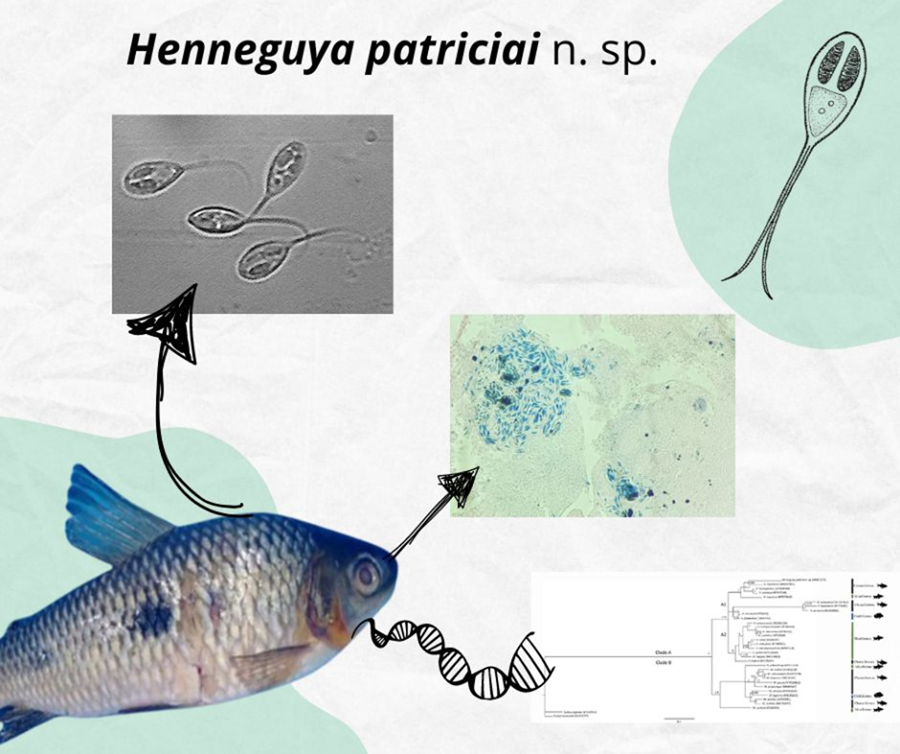
The Amazon basin has the largest number of fish in the world, and among the most common fishes of the Neotropical region, the threespot (Leporinus friderici) is cited, which in relation to its microparasitic fauna, has described only 1 species of the genus Henneguya, Henneguya friderici. The Myxozoa class is considered an obligate parasite, being morphologically characterized by spores formed by valves connected by a suture line. This study describes a new species of Henneguya sp. in the Amazon region for L. friderici. This parasite was found in the host's pyloric caeca and caudal kidney, with mature spores with a total spore length of 38.4 ± 2.5 (35.9–40.9) μm; the spore body 14.4 ± 1.1 (13.3–15.5) μm and 7.3 ± 0.6 (6.7–7.9) μm wide. Regarding its 2 polar capsules, they had a length of 5.1 ± 0.4 (4.7–5.5) μm and a width of 2.0 ± 0.1 (1.9–2.1) μm in the same pear-shaped, and each polar capsule contained 9–11 turns. Morphological and phylogenetic analyses denote that this is a new species of the genus Henneguya.
In this paper, we consider a delayed discrete single population patch model in advective environments. The individuals are subject to both random and directed movements, and there is a net loss of individuals at the downstream end due to the flow into a lake. Choosing time delay as a bifurcation parameter, we show the existence of Hopf bifurcations for the model. In homogeneous non-advective environments, it is well known that the first Hopf bifurcation value is independent of the dispersal rate. In contrast, for homogeneous advective environments, the first Hopf bifurcation value depends on the dispersal rate. Moreover, we show that the first Hopf bifurcation value in advective environments is larger than that in non-advective environments if the dispersal rate is large or small, which suggests that directed movements of the individuals inhibit the occurrence of Hopf bifurcations.
We present a dynamic pay-how-you-drive pricing scheme for motor insurance using telematics signals. More specifically, our approach allows the insurer to apply penalties to a baseline premium on the occurrence of events such as hard acceleration or braking. In addition, we incorporate a bonus-malus system (BMS) adapted for telematics data, providing a credibility component based on past telematics signals to the claim frequency predictions. We purposefully consider a weekly setting for our ratemaking approach to benefit from the signal’s high-frequency rate and to encourage safe driving via dynamic premium corrections. Moreover, we provide a detailed structure that allows our model to benefit from historical records and detailed telematics data collected weekly through an onboard device. We showcase our results numerically in a case study using data from an insurance company.
The gastrointestinal (GI) tract plays a critical role in nutrition and the pathophysiology of disease, and there is an increasing variety of methodologies available for the assessment of various aspects of GI physiology. Advancements in assessment methods, including techniques to study gut motility, fermentation, permeability, and microbiota composition, have provided researchers with powerful tools to investigate the impact of diet on GI tract physiology and the microbiota-gut-brain axis. Mechanistic evidence from reverse translational studies, which apply findings from human studies to preclinical models in a ‘bedside-to-bench’ approach, have also enhanced our understanding of the bidirectional interactions and candidate signalling molecules among the diet-gut-brain relationship. Interpreting data from these advanced techniques and study designs requires a thorough understanding of their principles, applications, and limitations. This review aims to summarise the methodological advances in GI tract physiology measurements and their application in nutritional studies, focusing on gut motility, fermentation, and permeability. We will present examples of how these techniques have been utilised in recent research, discuss their advantages and limitations, and provide insights on their use and interpretation in research. Understanding the capabilities and limitations of these tools is crucial for designing robust studies and elucidating the complex interplay between diet and the GI tract. The scope of this review encompasses recent advancements in GI tract assessment methodologies and their implications for nutritional research, providing a comprehensive overview for researchers in the field.
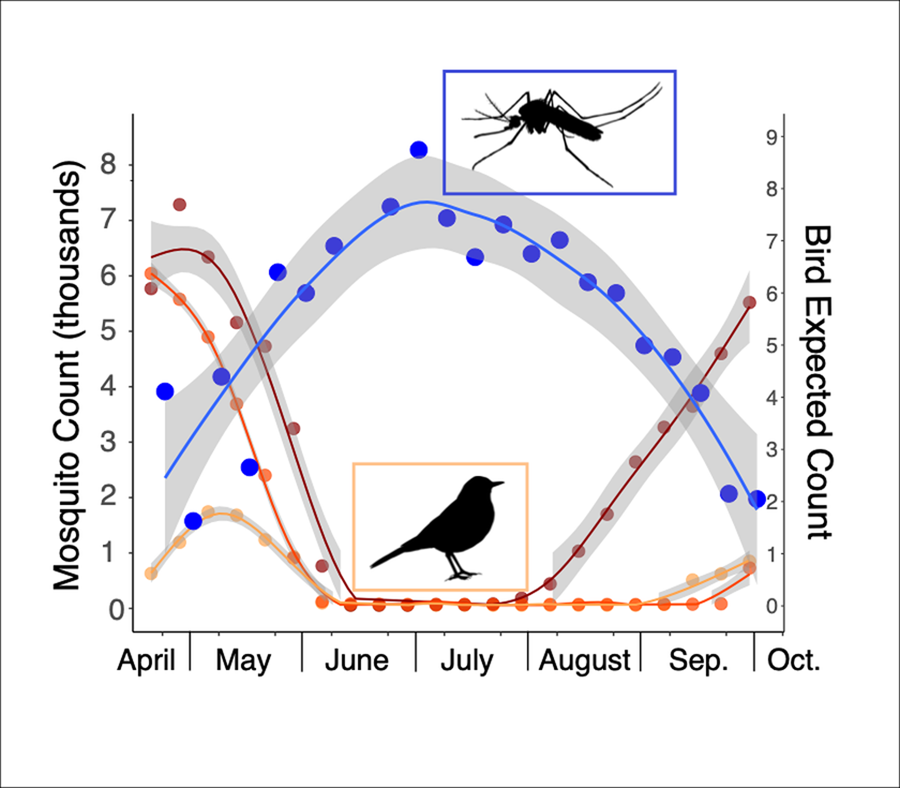
Migratory animals likely play an important role in the geographic spread of parasites. In fact, a common assumption is that parasites are potentially transmitted by migratory animals at temporary stopover sites along migratory routes, yet very few studies have assessed whether transmission at stopover sites can or does occur. We investigated the potential for a group of vector-transmitted parasites, the avian haemosporidians, to be transmitted during migratory stopover periods at Rushton Woods Preserve in Pennsylvania, USA. Using an analysis of 1454 sampled avian hosts, we found that while a core group of abundant haemosporidians was shared between local breeding birds and passing migrants, the parasite community of migratory birds at Rushton was distinct from that of local breeding birds and showed similarity to a previously sampled boreal forest haemosporidian community. Haemosporidians that were unique to passing migratory birds were associated with sampling sites in North America with cooler summer temperatures than haemosporidians that are transmitted at Rushton, suggesting that the transmission of these parasites may be restricted to high-latitude regions outside of our temperate stopover site. We also found that the abundance of mosquitoes in our study region is offset from that of migratory bird abundance during avian migratory periods, with the peak period of bird migration occurring during periods of low mosquito activity. Collectively, these findings suggest that although abundant haemosporidians are possibly transmitted between local and passing migratory birds, a combination of biotic and abiotic factors may constrain haemosporidian transmission during avian stopover at our study site.
The Prof pegmatite is located NW of Revelstoke, British Columbia, Canada on Boulder Mountain. Due to the abundance of petalite, the pegmatite is classified as a petalite subtype Li-Cs-Ta pegmatite or a Group one pegmatite. The Prof pegmatite contains a suite of minerals indicative of a highly evolved pegmatite melt including petalite, elbaite, lepidolite and Nb–Ta oxides. Four textural zones are present: (1) border; (2) intermediate, including (2.1) graphic texture dominant and (2.2) overgrowth dominant, where diverse minerals form rims around one another; (3) central; and (4) quartz. The border zone has a similar mineralogy to the intermediate zone and is interpreted to represent a chilled margin. The intermediate zone has a feldspar, mica, garnet and dravite–schorl dominant composition. The central zone hosts an evolved pegmatite core, which contains the majority of the lithium mineralisation composed of petalite, elbaite and lepidolite. The tourmaline, Nb–Ta oxides and mica within the pegmatite record the geochemical evolution of the melt from more primitive Fe- and Mg-rich minerals to a Li-, Mn- and Nb-rich assemblage indicative of a highly evolved geochemical system. The various pegmatitic textures and extremely fractionated geochemical composition of the pegmatite indicate that the melt was undercooled and crystallised rapidly. Three phases of metasomatism are recognised in the Prof pegmatite: an albitisation event observed cutting primary orthoclase; followed by a transition to a Na–Li–F-rich event mostly containing secondary albite, trilithionite and elbaites; and a sericitisation event.
The Prof pegmatite has a similar mineralogy to known pegmatites at Mount Begbie, 15 km to the south, in particular the notable presence of the rare mineral qitianlingite, petalite, lepidolite and elbaite. Together, these pegmatite bodies form part of an extensive, poorly mapped pegmatite field. Additional work is required to assess the extent and nature of mineralisation within this field.
Precipitation is one of the most relevant weather and climate processes. Its formation rate is sensitive to perturbations such as by the interactions between aerosols, clouds, and precipitation. These interactions constitute one of the biggest uncertainties in determining the radiative forcing of climate change. High-resolution simulations such as the ICOsahedral non-hydrostatic large-eddy model (ICON-LEM) offer valuable insights into these interactions. However, due to exceptionally high computation costs, it can only be employed for a limited period and area. We address this challenge by developing new models powered by emerging machine learning approaches capable of forecasting autoconversion rates—the rate at which small droplets collide and coalesce becoming larger droplets—from satellite observations providing long-term global spatial coverage for more than two decades. In particular, our approach involves two phases: (1) we develop machine learning models which are capable of predicting autoconversion rates by leveraging high-resolution climate model data, (2) we repurpose our best machine learning model to predict autoconversion rates directly from satellite observations. We compare the performance of our machine learning models against simulation data under several different conditions, showing from both visual and statistical inspections that our approaches are able to identify key features of the reference simulation data to a high degree. Additionally, the autoconversion rates obtained from the simulation output and satellite data (predicted) demonstrate statistical concordance. By efficiently predicting this, we advance our comprehension of one of the key processes in precipitation formation, crucial for understanding cloud responses to anthropogenic aerosols and, ultimately, climate change.
People with type 2 diabetes (T2D) are more likely to experience binge eating than the general population, which may interfere with their diabetes management. Guided self-help (GSH) is one of the recommended treatment options for binge eating disorder, but there is currently a lack of evidenced treatment for binge eating in individuals living with T2D. The aims of this pilot study were to test the feasibility and acceptability of recruiting and delivering the adapted, online Working to Overcome Eating Difficulties GSH intervention to adults with T2D and binge eating. The intervention comprises GSH materials presented online in seven sections delivered over 12 weeks, supported by a trained Guide. Twenty-two participants were recruited in a case series design to receive the intervention and we interviewed four Guides and five participants afterwards. We measured binge eating, mental wellbeing, quality of life and weight at pre-post and 12-week follow-up. Results showed a significant reduction in binge eating at the end of the intervention, which continued to improve at follow-up. Before the programme, 92 % of participants scored above cut-off for binge eating. This reduced to 41 % post-intervention and no-one at follow-up. These changes were accompanied by significant improvements in depression, anxiety and small changes in eating disorder symptoms. Participants reported making better lifestyle choices, eating more mindfully and having increased self-confidence. The study shows preliminary evidence for online GSH tailored to the needs of individuals with T2D as a feasible and acceptable approach to improving binge eating, diabetes management and mental wellbeing.
Currently, electroretinograms (ERGs) are mainly recorded while using flashes as stimuli. In this review, we will argue that strong flashes are not ideal for studying visual information processing. ERG responses to periodic stimuli may be more strongly associated with the activity of post-receptoral neurons (belonging to different retino-geniculate pathways) and, therefore, be more relevant for visual perception. We will also argue that the use of periodic stimuli may be an attractive addition to clinically available retinal electrophysiological methods.
This article compares two different ways in which German industries, during the half century before 1914, managed to integrate useful results from scientific research: At the time, on the one hand there was single-firm-based industrial research, and on the other the cooperation of science, business, and government in the Emperor William Society for the Advancement of Sciences (1911) out of which, after the Second World War, the Max Planck Society emerged. On this basis, the article discusses similarities and tensions between capitalism and the sciences which, in spite of some structural similarities, follow different logics.
Horses employ a range of subtle to overt behaviours to communicate their current affective state. Humans who are more cognisant of their own bodily sensations may be more attuned to recognising affective states in horses (Equus caballus) thereby promoting positive human-horse interactions. This study investigated human ability to categorise human-horse interactions depicted in media relative to equine behaviour experts and compared participant scores to their level of interoception. Using an online survey, participants (n = 534) categorised 31 photographs and videos as (overt) positive, likely (subtle) positive, neutral, likely (subtle) negative or (overt) negative human-horse interactions from the horse’s point of view and completed the Multidimensional Assessment of Interoceptive Awareness questionnaire (MAIA-2) to assess their level of interoception. Demographic information was also collected (age, gender, education, level of experience with horses, location). Participants differed from expert categorisations of horse affective states across all categories, exactly matching experts only 52.5% of the time and approximately matching experts for positive and negative valence 78.5% of the time. The MAIA-2 did not predict participant ability to accurately categorise human-horse interactions. Women outperformed men in categorising overt positive, overt negative and subtle negative human-horse interactions. Increased levels of education and greater experience with horses were associated with improved categorisation of certain human-horse interactions. More training or awareness is needed to recognise behavioural indicators of horse affect to guide appropriate human-horse activities that impact horse welfare.
In recent years, a number of online outlets aligned with the right has emerged in Thai politics. Though it is often assumed that such actors are merely an extension of the Thai state propaganda apparatus, as the moniker “IO (short for Information Operation)” implies, closer inspection of their contents suggests a more complicated picture. Employing the morphological approach of ideological analysis, this article argues that the Thai Online Right articulates a decidedly conservative worldview, upholding a social order centred around the monarchy, and opposing particular instigators of change, similar to more traditional Thai conservatives. The concepts and ideas they deploy to bolster these core ideas, however, seem to emphasise more materialistic and personalised elements, as well as draw from more contemporaneous “Western” right-wing conspiracy theories, making their conservative expression a strange blend of the old and the new. The findings have implications to the study of conservatisms, both in the Thai context and comparatively.
In this overview, we examine some of the ways in which archaeologists have increasingly turned their attention to the contemporary world, focusing not on ancient artefacts but on the material legacies that we ourselves are creating and what they tell us about ourselves, including the impact we are having on planetary and human health. One aspect of this “contemporary archaeology” is the study of modern waste, an area of research often referred to as “garbology.” Originating in the later 1960s, this study of modern waste is typically focused on the plastics that characterise what is now commonly referred to as the Plastic Age, a supposedly more familiar past aligning with both cultural experience and memory. The paper emphasises archaeology’s strong interdisciplinary traditions, particularly in its use of scientific methods, which make it easier for archaeologists to work within interdisciplinary teams and with other stakeholders and with policymakers, these being particularly relevant in studies that focus on the contemporary world. The paper concludes by describing how archaeologists are using these perspectives on the contemporary world to cast their eyes forward to the future.
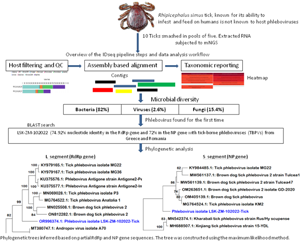
Ticks are widespread arthropods that transmit microorganisms of veterinary and medical significance to vertebrates, including humans. Rhipicephalus simus, an ixodid tick frequently infesting and feeding on humans, may play a crucial role in transmitting infectious agents across species. Despite the known association of many Rhipicephalus ticks with phleboviruses, information on R. simus is lacking. During a study in a riverine area in Lusaka Zambia, ten R. simus ticks were incidentally collected from the grass and bushes and subjected to metagenomic next generation sequencing (mNGS) in 2 pools of 5. Analysis detected a diverse microbial profile, including bacteria 82% (32/39), fungi 15.4% (6/39), and viruses 2.6% (1/39). Notably, viral sequence LSK-ZM-102022 exhibited similarity to tick phleboviruses, sharing 74.92% nucleotide identity in the RdRp gene and 72% in the NP gene with tick-borne phlebovirus (TBPV) from Greece and Romania, respectively. Its RNA-dependent RNA polymerase (RdRp) encoding region carried conserved RdRp and endonuclease domains characteristic of phenuiviridae viruses. Phylogenetic analysis positioned LSK-ZM-102022 in a distinct but lone lineage within tick phleboviruses basal to known species like brown dog tick phlebovirus and phlebovirus Antigone. Pair-wise genetic distance analysis revealed similar findings. This study emphasizes the urgency of further research on the ecology, transmission dynamics, and pathogenic potential of LSK-ZM-102022 and related TBPVs, crucial for local and global preparedness against emerging tick-borne diseases.
Annivite-(Zn), Cu6(Cu4Zn2)Σ6Bi4S13, is a new IMA-approved mineral species from the Geister vein, Jáchymov ore district, Czech Republic. It occurs as anhedral grains, up to 50 μm in size, and growth zones, up to 100 μm in thickness, hosted by oscillatory zoned annivite-(Zn)/tennantite-(Zn) grains, and associated with Bi-rich tennantite-(Zn), tennantite-(Fe), tetrahedrite-(Zn), the not-yet approved ‘annivite-(Fe)’, bismuth, emplectite, wittichenite and supergene bismite, walpurgite and metazeunerite. In reflected light, annivite-(Zn) is isotropic, pale grey with a brownish shade and very rare pale brown internal reflections. Reflectance data for the four COM wavelengths in air are [λ (nm): R (%)]: 470: 32.3; 546: 32.0; 589: 32.0; 650: 31.6. Electron microprobe analysis gave (in wt.% – average of 5 spot analyses): Cu 36.29, Ag 0.14, Fe 0.08, Zn 7.11, Pb 0.19, As 6.07, Sb 4.50, Bi 21.08, S 23.68, total 99.14. On the basis of ΣMe =16 atoms per formula unit, the empirical formula of annivite-(Zn) is Cu10.13Ag0.02Zn1.93Fe0.03Pb0.02Bi1.79As1.43Sb0.66S13.10. Annivite-(Zn) is cubic, I$\bar 4$3m, with unit-cell parameters a = 10.3545(6) Å, V = 1110.16(19) Å3 and Z = 2. Its crystal structure was refined by single-crystal X-ray diffraction data to a final R1 = 0.0493 on the basis of 278 unique reflections with Fo > 4σ(Fo) and 23 refined parameters. Annivite-(Zn) is isotypic with other tetrahedrite-group minerals. Its crystal chemistry is discussed, and previous findings of Bi-rich tetrahedrite-group minerals are briefly reviewed, along with the description of a second finding of annivite-(Zn) from the abandoned Mauritius tin mine, Hřebečná, Krušné hory Mountains, Czech Republic.
22q11.2 deletion syndrome (22q11.2DS) is associated with cognitive impairments and an increased risk of psychopathology. Most of the research has been conducted in children and adolescents, although the majority of affected individuals live well into adulthood. Hence, limited data are available on functional outcomes in adults.
Aims
To provide more insight in cognitive and adaptive abilities, and daily life functioning (marital status, living situation and work situation) in adults with 22q11.2DS.
Method
This retrospective study included 250 Dutch-speaking adults (16–69 years) with 22q11.2DS from three sites in The Netherlands and Belgium. Data on full-scale IQ (FSIQ) scores (assessed with the Wechsler Adult Intelligence Scale), adaptive functioning (assessed with the Vineland Adaptive Behavior Scale II), and functional outcomes including marital status, living and work situation were systematically collected from clinical files. In addition, we examined predictors of adaptive functioning.
Results
The majority of individuals in our adult sample demonstrated a low level of adaptive functioning (65%). In contrast to previous findings in children and adolescents, the majority functioned at an intellectual disability level (56%). Male sex, lower FSIQ and autism spectrum disorder were predictors of lower adaptive functioning (P = 0.016, P < 0.001 and P = 0.16, respectively).
Conclusions
These results suggest that low levels of cognitive and adaptive functioning are common in adults with 22q11.2DS. Future longitudinal and multicentre studies including older patients (>40 years) are needed to further investigate cognitive and adaptive trajectories and their interactions with physical and psychiatric comorbidities.
In this paper, we conduct an in-depth review of and commentary on two frameworks for international comparative work focused on education systems and skill formation – specifically, welfare regime and production regime approaches. We focus on how tertiary education is understood to function relationally within a national policy repertoire and explore the interplay between education and economic systems. Whereas the welfare regime literature illuminates why some regimes are conducive to human capital production and create more equitable educational and labour market opportunities, the production regime literature focuses on the ways that actors such as government, educational institutions, and unions optimise skill formation. These two theoretical perspectives offer both rival and complementary explanations of varying patterns in public investment, differentiation in education systems, and participation rates in tertiary education across countries. Our analytical account provides useful insights for understanding different national education policies and framing future research, including informing these perspectives with the more recent theoretical contributions of the social investment approach. In relation to changing conceptions of the knowledge economy, education, skill development, and the nature of employment, these two theoretical perspectives continue to provide useful conceptual lenses to examine the education/skill /employment nexus.