To save content items to your account,
please confirm that you agree to abide by our usage policies.
If this is the first time you use this feature, you will be asked to authorise Cambridge Core to connect with your account.
Find out more about saving content to .
To save content items to your Kindle, first ensure no-reply@cambridge.org
is added to your Approved Personal Document E-mail List under your Personal Document Settings
on the Manage Your Content and Devices page of your Amazon account. Then enter the ‘name’ part
of your Kindle email address below.
Find out more about saving to your Kindle.
Note you can select to save to either the @free.kindle.com or @kindle.com variations.
‘@free.kindle.com’ emails are free but can only be saved to your device when it is connected to wi-fi.
‘@kindle.com’ emails can be delivered even when you are not connected to wi-fi, but note that service fees apply.
Linguistics faculty are sometimes reluctant to provide explicit writing instruction in their courses. One major point of hesitancy is that there is not enough time to “add” writing to the curriculum. We argue, in contrast, that spending strategic time on writing reinforces and enriches the linguistics curriculum, rather than detracting from it. When students apply linguistics to the real world through relevant writing assignments, linguistics becomes more meaningful, which increases student engagement and improves the perception of linguistics. Explicit writing instruction is beneficial for all students, but especially marginalized students. Teaching students how to write also provides them with transferable skills that they can take with them to their future careers.
Outlining the economic significance of the role of global supply chains (GSCs) in the organisation of the global economy, this paper initially presents some indications of health and safety outcomes in low- and middle-income counties (LMICs) where GSCs source much of the production destined for use in advanced economies. It goes on to discuss the operational dynamics of these chains and the corporate priorities that they reflect, which, it argues, do little to improve the poor work health and safety (WHS) outcomes in LMICs. It then examines evidence for the effectiveness of various private and public regulatory strategies that are claimed to bring about improved health and safety practices and outcomes among GSC suppliers in these countries. The paper critically evaluates this evidence and argues that, while there may be some examples of effective strategies and regulatory practices in particular contexts, their overall influence remains limited. It identifies and discusses the principal reasons for these limitations and concludes that the global regulation of conditions of labour – including WHS – at the end of GSCs falls well short of universal best practice and is, more generally, insufficient to counter the economic forces working against the maintenance of adequate standards of worker protection.
Strict social distancing and lockdown measures imposed to curb transmission during the early phase of the outbreak of the COVID-19 pandemic posed challenges to people’s psychological wellbeing, limited access to social support, and disrupted routine mental health service delivery. In response, a consortium of mental health stakeholders from Goa, India launched the COVIDAV program, which provided pro-bono virtual psychiatric and counselling consultations across India through an online platform. This study describes the acceptability and feasibility of the program from the perspective of various stakeholders.
Methods
Data were collected via a survey with clinicians who had volunteered on COVIDAV (n = 40), in depth interviews of the clinicians (n = 14), and focus group discussion with key collaborators (n = 1). Process data were mapped at various stages during the online platform’s development and use. The qualitative and quantitative data was analysed using thematic analysis and a descriptive analysis respectively.
Results
Over 17 months, 63 clinicians conducted 2245 online sessions through the COVID platform, primarily accessed by youth across the country. The clinicians acknowledged the online platform’s ability to enhance access and reduce stigma. Challenges included session time constraints, connectivity issues, and user interface inconsistencies that interfered with clients’ accessibility to the services. High satisfaction rates amongst the service providers were reported, with 79.3% content with the service provision and 82.8% with pro bono contributions through the platform.
Conclusions
This study illustrates the feasibility, flexibility, and applicability of a rapidly designed pro-bono online platform for delivering mental health care services through the collaboration of stakeholder groups in the mental health care, private, social, and governmental sector. Our findings highlight the potential of rapidly deployed digital platforms, developed via cross-sector partnerships, to meet mental health care needs during unprecedented global emergencies such as the COVID-19 pandemic.
Young people are increasingly distressed by the climate and ecological crises (eco-distress). This has been associated with the failure of people in power to act appropriately, which may cause moral distress and moral injury. We examined this hypothesis by interviewing 13 young adults (19–25 years) in the UK about their climate concerns and perceptions of how State actors and authorities are responding to climate change. Using reflexive thematic analysis, four themes were developed: (1) Climate change is a wicked problem, (2) Moral distress is associated with witnessing acts of omission and commission, (3) Moral distress drives eco-distress, and (4) Opportunities for moral repair. Climate concerns extended to broader concerns about ecological degradation (eco-distress), linked to feelings of moral distress arising from repeatedly witnessing powerful people failing to act on climate change. Eco-distress was also exacerbated by (a) witnessing others in society failing to take appropriate responsibility, (b) realising the limitations of individual action, and (c) being embedded within a culture where personal contribution to climate change is inescapable. In contrast, eco-distress was lessened by seeing authorities engage with the issues morally, and further mitigated by collective, ethical, pro-environmental action. This adds empirical evidence to support the hypothesis that eco-distress involves moral distress and injury arising when State authorities and other powerful bodies engage in wrongful acts and omissions on climate change. We argue that this is affecting the wellbeing of young people and supports the argument that such wrongful (in)action infringes human rights. Clinical implications are discussed.
Key learning aims
(1) To understand how and why moral distress and moral injury relate to the distress that young people feel about climate change (eco-distress).
(2) To consider the clinical implications of formulating eco-distress in a way that includes reference to the violation of core moral codes.
(3) To explore what opportunities exist that could reduce moral distress and support young people.
(4) To understand how research into moral distress and moral injury in relation to climate change can offer important insight into the relevance of eco-distress to human rights infringements and justice-oriented care.
(5) To discuss practical solutions that might support moral repair, both in psychotherapy settings and in broader social policy.
Iodine (I) is a trace element with health and environmental significance. Iodate (IO3-), iodide (I-) and organic iodine (org-I) are the major species of iodine that exist in the environment. Dissimilatory IO3--reducing bacteria reduce IO3- to I- directly under anoxic conditions via their IO3- reductases that include periplasmic iodate reductase IdrABP1P2, extracellular DMSO reductase DmsEFAB and metal reductase MtrCAB. IdrAB and DmsEFAB reduce IO3- to hypoiodous acid (HIO) and H2O2. The reaction intermediate HIO is proposed to be disproportionated abiotically into I- and IO3- at a ratio of 2:1. The H2O2 is reduced to H2O by IdrP1P2 and MtrCAB as a detoxification mechanism. Additionally, dissimilatory Fe(III)- and sulfate-reducing bacteria reduce IO3- to I- directly via their IO3- reductases and indirectly via the reduction products Fe(II) and sulfide in the presence of Fe(III) and sulfate, respectively. I--oxidizing bacteria oxidize I- to molecular iodine (I2) directly under oxic conditions via their extracellular multicopper iodide oxidases IoxAC. In addition to I2, a variety of org-I compounds are also produced by the I--oxidizing bacteria during I- oxidation. Furthermore, ammonia-oxidizing bacteria oxidize I- to IO3- directly under oxic conditions, probably via their intracellular ammonia-oxidizing enzymes. Many bacteria produce extracellular reactive oxygen species that can oxidize I- to triiodide (I3-). Bacteria also accumulate I- during which I- is oxidized to HIO by their extracellular vanadium iodoperoxidases. The HIO is then transported into the bacterial cells. Finally, bacteria methylate I- to org-I CH3I, probably via their methyltransferases. Thus, bacteria play crucial and versatile roles in the global biogeochemical cycling of iodine via IO3- reduction, I- oxidation and accumulation and org-I formation.
Newly emerging US cyberspace warfighting concepts highlight the need to update US legal doctrine. Concepts adapted to future high-intensity, high-paced armed conflict, including command post dispersal and integration of cyberspace into other targeting domains, present opportunities to refine US understandings of the law of war attack threshold and overlooked rules applicable to destruction and seizure. The advantages of staking out clear and current opinio juris on these and other matters extend beyond providing responsible and consistent operational law advice. Updated and authoritative military cyber legal doctrine will serve the strategic and diplomatic legal interests of the United States and the international legal system as a whole.
Russian thistle (Salsola tragus L.) is a significant summer annual weed in the semiarid Pacific Northwest, causing yield losses of up to 50%. Understanding the biology and ecology of S. tragus is vital for developing effective integrated weed management strategies. This study focused on (1) S. tragus emergence and seedbank persistence in two cropping systems: fallow–winter wheat (Triticum aestivum L.) and spring wheat–fallow–winter wheat rotations, and (2) S. tragus plant biomass and viable seed production in fallow and spring wheat fields. A 4-yr experiment (2020 to 2023) was conducted at the Columbia Basin Agriculture Research Center in Adams, OR, using a randomized block design with four replications. Salsola tragus seeds were sprinkled only at the beginning of the experiment, and seedling numbers were recorded throughout. Most seedlings emerged in the first year, with the highest rates in spring wheat (72%) and fallow (32%), followed by significantly lower rates (0.25% to 5%) in subsequent years. Seedling emergence began in late March and early April in the first and second years but was delayed to May in the third year. Plant biomass and viable seed production were greater in fallow than in spring wheat, with early-season plants having more biomass than later-emerging plants. Plants emerged between early and mid-May produced the most viable seeds. Viable seed production was very low until it peaked in mid-September. Findings indicated that most S. tragus seedlings emerged in the first year after dispersal coinciding with spring precipitation and lasting approximately 2 mo. Additionally, most S. tragus plants produce viable seeds in September, and seeds persist in the soil for more than 2 yr. These results demonstrate the need for growers to control S. tragus emergence to prevent reinfestations and ultimately the need to control S. tragus plants before September to prevent the species from producing viable seed.
The purpose of this study is to examine the national impact of workplace factors during the SARS-CoV-2 pandemic on mental health experienced by non-physician healthcare workers (HCWs).
Methods
This study consisted of an online sample of non-physician HCWs across the United States, including nurses, medical assistants, and physician assistants. The survey consisted of 93 questions, which included the Perceived Stress Scale, the Center for Epidemiological Studies-Depression (CESD-10) scale, questions about COVID-19 vaccination, sources of trusted information, and questions about work environment and training during the COVID-19 pandemic. Descriptive statistics were used to evaluate associations.
Results
In the final sample (N = 220), (81.8%) reported receiving at least one dose of a COVID vaccine. Most respondents trusted the CDC’s information on the SARS-CoV-2 virus and COVID-19 disease. Several workplace-related factors that occurred during the pandemic were associated with moderate to high levels of perceived stress, fatigue, and higher risk of developing depression. In particular, concerns about exposing others, experiencing discrimination related to their jobs, and caring for patients who died from COVID-19 were associated with increased perceived stress, depression, and fatigue.
Conclusions
The importance of planning by healthcare facilities should include planning for workplace factors associated with poor mental health among all HCWs.
Pollinators risk exposure to insecticide residue when visiting weedy flowers in urban landscapes. Previous research shows that pollinators are routinely exposed to a variety of pesticides, but herbicides have exhibited minimal toxicity and did not contribute to the modeled risk quotients. Herbicides from different modes of action may deter pollinators from visiting turfgrass weeds, but their temporal influence on floral quality and pollinator foraging is unaddressed. Research experiments were conducted at Blacksburg, VA, in 2023 to assess the effect of four herbicides on floral morphology and ultraviolet (UV) reflectance of three different UV floral classes of weeds and associated pollinator foraging visits. Among 1,080 assessments per weed species, honeybees (Apis mellifera), bumble bees (Bombus spp.), solitary bees (Chelostoma florisomne), and flies (Diptera spp.) accounted for 94%, 2%, 3%, and 1%, respectively, of the total pollinator visitations on white clover (Trifolium repens L.) inflorescences; 71%, 2%, 0%, and 27%, respectively, on dandelion (Taraxacum officinale F.H. Wigg.) flowers; and 0%, 0%, 78%, and 22%, respectively, on bulbous buttercup (Ranunculus bulbosus L.) flowers. Pollinator visitation and floral quality were temporarily affected by herbicide application, with some herbicides eliminating food resources, while others transiently impacted floral quality and density. The combination of 2,4-D + dicamba + MCPP and topramezone eliminated pollinator foraging visits, but on differing temporal scales of 3 d for auxins and 14 d for topramezone. Halosulfuron and sulfentrazone transiently suppressed floral quality and density, with varying degrees of deterrence on pollinators depending on the weed species. All evaluated herbicides reduced radiometric UV reflectance of T. officinale petal apices, but only synthetic auxin and topramezone reduced digitally assessed floral UV-reflecting area. Petal UV reflectance appears to contribute but not solely influence pollinator foraging behavior. UV-absorbing and UV-reflecting flowers differed in UV-reflectance response to herbicides, but pollinators were similarly deterred. Results suggest that herbicides may offer a variety of management solutions to pollinator deterrence in areas slated for insecticide treatment, including long-term or transient deterrence with potential food-resource preservation.
In recent years, the importance of telemedicine has increased significantly. Especially in the field of echocardiography, virtual reality glasses offer the possibility of real-time data transmission without restrictions in the examination process. In particular, the care of critically ill newborns with suspected CHD might be improved by allowing a specialized paediatric cardiologist to remotely guide an echocardiographic examination. The current study aims to prove whether novices, under Google Glass guidance by a paediatric cardiologist, can perform an appropriate neonatal echocardiography.
Methods:
The current study is a prospective monocentric single-blinded pilot study. Participants were supposed to perform two test runs: The first test run was “unguided” and the second test run was instructed via Google Glass. A validated training simulator for neonatal echocardiography “EchocomNeo, Echocom GmbH” was used. The study took place at the Leipzig Heart Center, Department of Pediatric Cardiology from April 2022 to November 2022.
Results:
A total of 21 medical students were enrolled. In total 252 views (126 views in each test run) were recorded. The overall performance was significantly higher in the Google Glass guided test run compared to “unguided” (structure score: 77.6% vs. 63.2%. p < 0.001 and quality score: 58.7% vs. 47.2%, p < 0.001). Also, the time was significantly lower in the Google Glass guided test run than in the unguided test run, p = 0.014.
Conclusion:
Google Glass guidance by a paediatric cardiologist could optimize the performance of novices in echocardiography using a standardized neonatal echo-simulator with structural normal cardiac anatomy.
Autism spectrum disorder prevalence more than quadrupled in the United States between 2000 and 2020. Ice storm-related prenatal maternal stress (PNMS) predicts autistic-like trait severity in children exposed early in gestation. The objective was to determine the extent to which PNMS influences the severity and trajectory of autistic-like traits in prenatally flood-exposed children at ages 4–7 years and to test moderation by sex and gestational timing. Soon after the June 2008 floods in Iowa, USA, 268 women pregnant during the disaster were assessed for objective hardship, subjective distress, and cognitive appraisal of the experience. When their children were 4, 5½, and 7 years old, mothers completed the Social Communication Questionnaire (SCQ) to assess their children’s autistic-like traits; 137 mothers completed the SCQ for at least one age. The final longitudinal multilevel model showed that the greater the maternal subjective distress, the more severe the child’s autistic-like traits, controlling for objective hardship. The effect of PNMS on rate of change was not significant, and there were no significant main effects or interactions involving sex or timing. Prenatal maternal subjective distress, but not objective hardship or cognitive appraisal, predicted more severe autistic-like traits at age 4, and this effect remained stable through age 7.
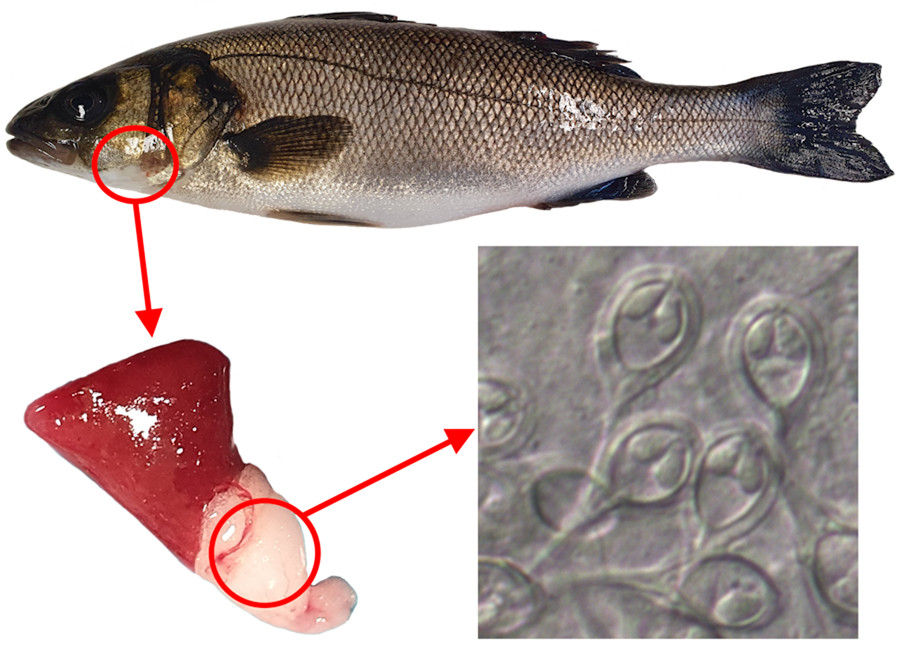
A new species of Myxobolidae, Henneguya cardii n. sp., is described infecting the European seabass Dicentrarchus labrax, a fish of high commercial value intensively cultivated in southern Europe. Henneguya cardii n. sp. was found in the bulbus arteriosus and spleen with a prevalence of infection of 13.5%. In the heart, it forms irregular whitish plasmodia measuring 1 mm in size. Mature myxospores are broadly obovoid in frontal view and ellipsoidal in lateral view, with 2 equal caudal appendages. Polar capsules are ovoid and symmetric, with 3–4 polar tubule coils. Myxospores measure 10.2 ± 0.6 (8.8–11.6) μm in length, 8.0 ± 0.7 (5.3–8.8) μm in width and 5.6 ± 0.2 (5.1–6.4) μm in thickness. Caudal appendages are 36.6 ± 3.2 (27.4–42.9) μm long. Total spore length is 47.6 ± 3.2 (41.2–53.2) μm. Polar capsules measure 4.0 ± 0.2 (3.4–4.6) by 2.2 ± 0.1 (1.9–2.6) μm. Small subunit ribosomal RNA-based tree topologies position H. cardii n. sp. within a lineage of marine myxobolids that is mostly comprised of other Henneguya species. Host-relatedness is reinforced as the main evolutionary driver for myxobolids, with the positioning of H. cardii n. sp. further suggesting tissue tropism as another important evolutionary driver for marine heart infecting Henneguya. Nonetheless, the inner complexity of this lineage suggests that identification of the evolutionary patterns driving its phylogeny will require discovery of the true diversity of marine myxobolids.
How does a candidate's racial background affect the inferences voters make about them? Prior work finds that Black candidates are perceived to be more liberal. Using two survey experiments, we test whether this effect persists when candidate partisanship and issue positions are specified and also consider other consequential voter perceptions. We make two contributions. First, we show that while Black candidates are perceived to be more liberal than White candidates with the same policy positions, this difference is smaller for Black candidates who adopt more conservative positions on race-related issues. Second, we find that voters, both Black and White, believe Black candidates will prioritize the interests of Black constituents over those of White constituents, regardless of candidate positions.
One of the goals of open science is to promote the transparency and accessibility of research. Sharing data and materials used in network research is critical to these goals. In this paper, we present recommendations for whether, what, when, and where network data and materials should be shared. We recommend that network data and materials should be shared, but access to or use of shared data and materials may be restricted if necessary to avoid harm or comply with regulations. Researchers should share the network data and materials necessary to reproduce reported results via a publicly accessible repository when an associated manuscript is published. To ensure the adoption of these recommendations, network journals should require sharing, and network associations and academic institutions should reward sharing.
The UK government launched a two-component sugar-reduction programme in 2016, one component is the taxation of sugar-sweetened beverages, the Soft Drinks Industry Levy, and the second is a voluntary sugar reduction programme for products contributing most to children’s sugar intakes. These policies provided incentives both for industry to change the products they sell and for people to change their food and beverage choices through a ‘signalling’ effect that has raised awareness of excess sugar intakes in the population. In this study, we aimed to identify the relative contributions of the supply- and demand-side drivers of changes in the sugar density of food and beverages purchased in Great Britain. While we found that both supply- and demand-side drivers contributed to decreasing the sugar density of beverage purchases (reformulation led to a 19 % reduction, product renewal 14 %, and consumer switching between products 8 %), for food products it was mostly supply-side drivers (reformulation and product renewal). Reformulation contributed consistently to a decrease in the sugar density of purchases across households, whereas changes in consumer choices were generally in the opposite direction, offsetting benefits of reformulation. We studied the social gradient of sugar density reduction for breakfast cereals, achieved mostly by reformulation, and found increased reductions in sugar purchased by households of lower socio-economic status. Conversely, there was no social gradient for soft drinks. We conclude that taxes and reformulation incentives are complementary and combining them in a programme to improve the nutritional quality of foods increases the probability of improvements in diet quality.
Infant carrying and more generally load carrying may impact bipedal locomotion and thus the energy cost of the daily activities, in living people but also in our ancestors. In order to improve our knowledge of infant carrying strategies we investigate the biomechanics of infant carrying in a non-mechanised group. The Qashqai are nomadic people who still carry loads and infants habitually without any daily assistance in varied natural environments. Our analysis focuses on the sagittal kinematics using a high-speed camera (joint angles, speed, position of the centre of mass) and kinetics (ground reaction forces and displacement of the centre of mass) using a six-degree of freedom force plate. We assessed the unloaded and loaded (infant) walking of 26 Qashqai women, living in the Fars province (Iran). The results demonstrate that different mechanisms of walking exist that are related to the mode of carrying and the weight of the infant, by which step length, walking speed and the lower limb angles are not affected. The displacement of the total centre of mass remains unchanged. This supports the hypothesis that the Qashqai have developed mechanisms of load carrying that limit the increase in energy consumption. This could be related to the usual high level of daily activity.
Activation policies, especially formal upskilling, can strengthen social inequality among long-term unemployed people. Also, receiving skill-enhancing activities may be at odds with the ‘work first’ principle. Drawing on interviews with frontline workers in the Norwegian employment and welfare service (NAV), this article analyses how frontline workers handle the challenging aspects arising from activation policies in providing enabling activities to claimants who need comprehensive support. The findings suggest that frontline workers face claimants who expect to embark on an education, and on the contrary, claimants who lack motivation or capability to do so. In both cases, frontline workers are challenged in terms of experiencing contradictory expectations from policies and users and in assessing future outcomes and suitability of the services. Education activities provided by the public employment agency (PES) involves multiple policy fields and require specific competency on the part of frontline workers.
Both extreme weather and climate change have been linked to distress and at times mental health problems. Pro-environmental actions have often been related to higher distress. The uncertainty distress model (Freeston et al., 2020) proposes that in real-world situations, perceptions of threat and uncertainty contribute to distress. The aim of this study is to integrate variables from these two literatures and examine their relationships.
Method:
A community sample (n=327) was recruited and completed an online survey. Network analysis was used to analyse the relationships between the variables. Exposure to extreme weather, perceptions of climate change, climate change distress and pro-environmental action were measured along with symptoms of adjustment disorder and post-traumatic stress disorder, and uncertainty intolerance and behaviours.
Results:
There was variable exposure to extreme weather, but greater exposure was associated with more severe post-traumatic symptoms. Pro-environmental action was associated with greater severity of adjustment disorder symptoms. The perception that climate change was happening now was linked positively to pro-environmental action and negatively to perceptions of uncertainty about whether climate change was happening.
Discussion:
The results replicate several findings from the emerging climate change distress literature and are consistent with some predictions of the uncertainty distress model, but not others. Uncertainty as to whether climate change is happening now may be a less distressing position. Research that simultaneously considers extreme weather and climate change may help understanding the range of complex responses that may arise as the frequency of extreme weather increases and evidence for anthropogenic climate change strengthens.
Key learning aims
(1) To consider why the uncertainty distress model may be an appropriate framework to understand responses to extreme weather and climate change.
(2) To consider how the perceived proximity of climate change may play a role in peoples’ emotional and behavioural responses to climate change.
(3) To consider some of the variables that are linked to pro-environmental action.
(4) To consider whether an uncertainty-based understanding of extreme weather and climate change has helpful implications for practice.
The U.S. Centers for Disease Control and Prevention encourages nurses to evaluate penicillin allergies as part of hospital-based antibiotic stewardship programs. We evaluated the feasibility of an implementation strategy to improve nurses’ comprehensive documentation of penicillin allergies. We defined feasibility as the uptake and acceptability of documentation procedures.
Outpatient surgical areas of an academic medical center located in the U.S.
Intervention:
The implementation strategy was guided by the Capability, Opportunity, Motivation Model for Behavior Change and included, building an interdisciplinary coalition to iteratively evaluate the implementation effort, educational meetings with surgical prescribers and perioperative nurses, the development and distribution of educational pocket cards, and structured communication messages in the electronic medical record.
Results:
A total of 426 patients with 487 penicillin allergy records (216 records pre-implementation period, 271 records post-implementation period) were analyzed. Penicillin allergy documentation contained the following information in the pre- versus post-implementation period: symptoms of the reaction (87% vs 87%), timing/years since reaction (8% vs 26%), onset of reaction in relation to taking penicillin (0% vs 21%), how symptoms resolved (0% vs 21%), and penicillin re-exposure (3% vs 21%). Focus groups revealed nurses perceived documentation procedures as highly acceptable. Major drivers of acceptability included the perceived effectiveness of a detailed allergy history and self-efficacy in conducting a detailed allergy history.
Conclusions:
Nurses perceived the comprehensive documentation of penicillin allergy history intervention as acceptable, and uptake improved following a theory-informed implementation strategy. We offer implementation strategy components to facilitate nurses’ engagement in penicillin allergy evaluation.
Low temporal stability may complicate the interpretation of survey measures of conspiracy theories (CTs). Current study examines the stability of endorsement of CTs on a popular set of items addressing COVID-19-related CTs. An online survey tapping two CTs about COVID-19 was administered to 179 students of general medicine. The same items were presented twice in March 2022 and once in May 2022. The mean endorsement of the CTs did not differ between March and May. The correlation between answers provided in March and May was low (.5 < r < .7). Most of those reporting agreement with CTs in March reported disagreement in May. Conspiracy believers’ responses did not change between two measurements in March but were different in May, suggesting that the low temporal stability was due to situational factors rather than erroneous or random answers. Poor temporal stability of responses endorsing CTs may problematize interpretation of survey data. Respondents’ endorsement of CTs may be affected by situational factors, inflating agreement with CTs, and correlations with other survey-based measures.