To save content items to your account,
please confirm that you agree to abide by our usage policies.
If this is the first time you use this feature, you will be asked to authorise Cambridge Core to connect with your account.
Find out more about saving content to .
To save content items to your Kindle, first ensure no-reply@cambridge.org
is added to your Approved Personal Document E-mail List under your Personal Document Settings
on the Manage Your Content and Devices page of your Amazon account. Then enter the ‘name’ part
of your Kindle email address below.
Find out more about saving to your Kindle.
Note you can select to save to either the @free.kindle.com or @kindle.com variations.
‘@free.kindle.com’ emails are free but can only be saved to your device when it is connected to wi-fi.
‘@kindle.com’ emails can be delivered even when you are not connected to wi-fi, but note that service fees apply.
Russell and Burch’s 1959 original definitions of the 3Rs (replacement, reduction and refinement) are widely used today as standards for the ethical use of non-human animals in research, although they have a number of limitations. Authors and institutions around the world have addressed some of these, coming up in certain cases with more accurate, functional, and up-to-date definitions. However, not only do there still remain limitations needing to be addressed, but some that have been addressed resulted in discrepancies, contradictions, and general confusion as to how best apply the 3Rs in practice. In order to clarify the meaning of the 3Rs and enable more optimal implementation of these principles in animal experimentation, this article provides a theoretical discussion for revised definitions of the original 3Rs via examination of some of their main limitations and inconsistencies. First, we offer up the original definitions as presented in the context of Russell and Burch’s book The Principles of Humane Experimental Technique. Then, we examine the main limitations and present clear specifications and requirements for such revised definitions. After presenting our revised definitions, we conclude with various implications for animal welfare within the context of experimentation.
Neoclassical economics (NCE) theory and neoliberal economics practice together form one of the principal driving forces of environmental destruction and social injustice. We critically examine ten key hypotheses that form the foundations of NCE, and four other claims. Each fails to satisfy one or more of the basic requirements of scientific practice. Hence, NCE is fundamentally flawed, is irrational in the common meaning of the word, and should not be used as a guide for government policies. Because NCE is socially constructed, it can be replaced with an interdisciplinary conceptual framework that is compatible with ecological sustainability and social justice.
Technical summary
Neoclassical economics (NCE) is widely regarded as providing theoretical justification for neoliberal notions such as ‘governments should minimize regulation and spending, and hence leave major socioeconomic and environmental decisions to the market’. A large body of literature finds that NCE is largely responsible for environmental destruction and social inequality. As NCE is claimed to be a science and has appropriated terminology (without the content) from physics, we examine critically its basic hypotheses and four other claims from a viewpoint of natural scientists and an ecological economist, each a sustainability researcher. This paper defines NCE in two ways: as a theoretical structure for economics based on (1) the hypotheses of methodological individualism, methodological instrumentalism and methodological equilibration, and (2) the three hypotheses named above together with seven other common hypotheses of NCE. We find that each hypothesis and claim fails to satisfy one or more basic requirements of scientific practice such as empirical confirmation, underlying credible or empirical assumptions, consistency with Earth system science, and internal consistency. Sensitivity analysis is rare and ability to predict is lacking. Therefore, we recommend that neoclassical microeconomics be reformed and neoclassical macroeconomics be abandoned and replaced with a transdisciplinary field such as social ecological economics.
Social media summary
Conventional economics, a driver of environmental damage and social inequality, fails examination by sustainability scientists.
Philosophers have conjectured that human cognitive limitations might preclude our ever resolving the hard problem of consciousness. Few, however, have offered suggestions as to what it might be about our conceptual apparatus that poses the problem. I do so in this essay, arguing that our central difficulties lie with two conceptual categories that pervade philosophical discussion of the hard problem. They are compositional concepts -- part/whole, constituents/constitution, and the like – and instantiational concepts: properties/objects, universals/particulars, and the like. I look at the uses of these two conceptual categories in four contexts in which the hard problem is considered: multiple realizability, zombies, mental causation, and panpsychism. I show that the two conceptual categories run into the same kinds of obstacles in each case, which suggests that they might be key to the cognitive limitations about which some have speculated
Detection of the 21 cm signal from the Epoch of Reionisation (EoR) ($z \sim 6 - 10$) amidst the dominant foregrounds, which are 3–4 orders of magnitude greater than the weak cosmological signal, is a challenging task for the existing 21 cm experiments. The detection is further challenged by the large Field of View (FoV) of the instrument used for observation, as it becomes necessary to excise foregrounds present within the FoV to make a successful detection. In response to the challenges faced, in our previous work, we developed and installed a new instrument – the Central Redundant Array Mega-tile (CRAM) – and integrated it within the MWA Phase II configuration. It is a larger antenna tile configuration ($8\times 8$ dipoles) with a smaller FoV at every frequency under consideration and has multiple sidelobes of reduced response when compared with the existing Murchison Widefield Array (MWA) tiles. In this paper, we aim to demonstrate through power spectrum simulations that using the larger tile, such as the CRAM, can reduce the impact of bright radio foregrounds near the field edge. For the pedagogical approach aimed with this work, we developed a power spectrum pipeline to estimate the cylindrically averaged power spectrum. The power spectrum is estimated for MWA-MWA baselines and CRAM-MWA baselines using analytical beams, simulated diffuse sky maps and a semi-numerical 21 cm signal. Employing a drift scanning strategy, we estimate 1D and 2D power spectra for a series of two-minute observations spanning 24 hrs using the diffuse sky maps. Our simulations predict a power reduction at the edge of the EoR wedge. The reduction in foreground power is confirmed with the Fisher analysis of the expected signal-to-noise ratio (SNR) improvement, which reports a higher SNR with the power estimations from CRAM baselines when compared with the regular MWA baselines. The reduced power obtained with the CRAM baselines is consistent with the fact that the larger tile configuration has reduced the impact of foregrounds from near the horizon.
Liberal neutrality compels governments to respect individual preferences. Yet health-promotion campaigns, such as modern tobacco control policies, often seek to cultivate a preference for a healthy lifestyle. Liberal theorists have attempted to justify these policies by appealing to the concept of ‘means paternalism’, whereby these policies align with existing preferences. In contrast, this article argues that shaping preferences can be not only permissible but also morally required. Governments can preserve neutrality while influencing preferences by promoting generic goods valued in diverse societies and considering the preference-formation of future generations. This argument provides a stronger rationale for tobacco control policies.
Scholars have debated how the themes discussed by Pomerius in his De vita contemplativa found ample resonance across Gregory the Great's work, and reflect similar concerns. While it is impossible to determine whether the Roman bishop read the treatise authored by the North African rhetor, their parallel authority on the matter was recognised by Carolingian copyists, who often reported their works alongside each other. The discovery of a glossa sourced from Gregory's literary production in Pomerius’ manuscript tradition might both substantiate this claim and shed some light on the networks of medieval scriptoria.
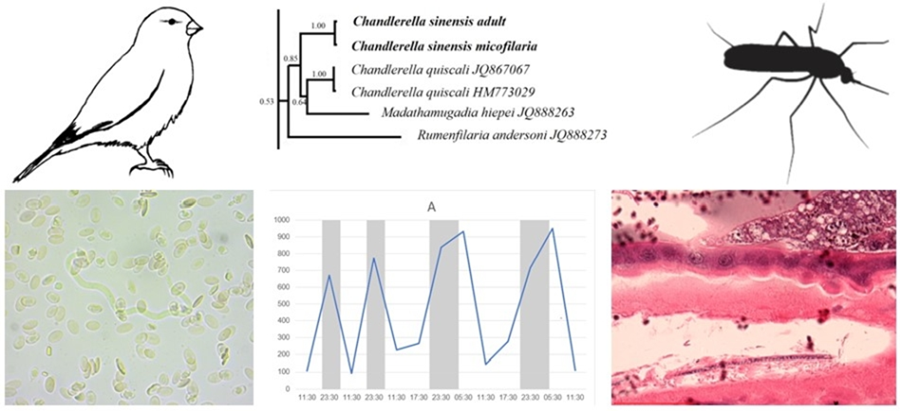
During investigation of common linnet (Linaria cannabina) blood using the buffy coat method one bird with microfilariae in the blood was found. The morphometric description of adult worms corresponded to the Chandlerella sinensis. This species was found for the first time in common linnets. DNA sequences of cox1 and 28S gene fragments of adult worm recovered during necropsy was identical to that from the microfilariae in the bird blood. Phylogenetic analysis of the cox1 gene fragment clustered this parasite with Chandlerella quiscali. Histological examination revealed the presence of microfilariae in the lumen of small capillaries and other blood vessels in different organs, but no inflammations were notice. The greatest number of microfilariae was in the lungs. Even if there was no inflammation, but vessels associated with the lungs were markedly distended with blood, parabronchial walls were thickened and, in some cases, almost completely obstructing the lumen. The large number of microfilariae in lungs indicates possible disturbance of gas exchange in the lungs adversely affected the ability of the bird to exercise and made breathing difficult at rest. The investigation of circadian rhythm of the microfilariae showed that C. sinensis microfilariae in blood of common linnet were more numerous at night and morning and less numerous at midday. The survival rate of mosquitoes infected with C. sinensis microfilariae was significantly lower than that of uninfected mosquitoes.
Research evidence has established an association of obsessive-compulsive disorder (OCD) with suicidal thoughts and suicide attempts. However, further investigation is required to determine whether individuals with OCD have higher risk of death by suicide compared with those without OCD.
Methods
Of the entire Taiwanese population, between 2003 and 2017, 56,977 individuals with OCD were identified; they were then matched at a 1:4 ratio with 227,908 non-OCD individuals on the basis of their birth year and sex. Suicide mortality was assessed between 2003 and 2017 for both groups. Time-dependent Cox regression models were used to investigate the difference in suicide risk between individuals with versus without OCD.
Results
After adjustment for major psychiatric comorbidities (i.e., schizophrenia, bipolar disorder and major depressive disorder), the OCD group had higher risk of suicide (hazard ratio: 1.97, 95% confidence interval: 1.57–2.48) during the follow-up compared with the comparison group. Furthermore, OCD severity, as indicated by psychiatric hospitalizations due to OCD, was positively correlated with suicide risk.
Conclusions
Regardless of the existence of major psychiatric comorbidities, OCD was found to be an independent risk factor for death by suicide. A suicide prevention program specific to individuals with OCD may be developed in clinical practice in the future.
This study investigates the effect of government size, as measured by the tax revenue to gross domestic product (tax-GDP) ratio, on output responses to increases in government purchases. First, we show that in a standard static neoclassical model, the stimulus effect of fiscal expansion on output increases with the tax-GDP ratio. This finding is quantitatively confirmed using a dynamic neoclassical model with standard functional forms and parameter values. To empirically test the theoretical findings, we analyze the responses of macroeconomic variables to an unanticipated increase in government purchases for 12 Organisation for Economic Cooperation and Development (OECD) countries during 1985–2019 using a state-dependent local projection method. The estimation results reveal that while output responses to an unanticipated fiscal expansion are significantly positive when the tax-GDP ratio is high, they are statistically indistinguishable from zero when the ratio is low. Overall, our findings suggest that fiscal expansion can stimulate output more effectively at high tax rates, unlike the well-known predictions of the traditional Keynesian model.
Contrary to the southern Appalachians, where Alleghanian magmatism is widespread and well documented, the expressions of magmatism in the Canadian Appalachians are limited. In this study, a suite of leucocratic dykes from the Cape Spencer area in southern New Brunswick, Canada, were investigated to determine the nature, timing and source of these magmas using zircon and monazite U-Pb geochronology, whole-rock geochemistry and Nd-Hf isotopes. An LA-ICP-MS U-Pb monazite Alleghanian age of 273.7 ± 1.3 Ma obtained for these dykes constitutes a new example of magmatism in the northern segment of the orogen, where significant strike-slip movement and reheating have been the primary markers of the Alleghanian Orogeny. These metaluminous leucocratic dykes are enriched in light rare elements, U and Th; depleted in high-field strength elements (HFSE; Nb, P, Ti); and have slight negative Europium anomalies [(Eu/Eu*)N = 0.72–0.95]. All the dykes samples have negative εNd(t) values (−9.76 to −5.7), negative εHf(t) values (−1.8 to −1.0) and Mesoproterozoic Nd depleted-model ages (TDM = 1371–1618 Ma). The geochemical and isotopic characteristics suggest that the dykes were formed by the partial melting of lower crust that assimilated Meguma metasedimentary rocks and/or Avalonian sedimentary rocks, following terminal subduction of the Rheic Ocean and thermal re-equilibration during the Alleghanian orogeny. The effects of the closure of the Rheic Ocean in the oblique collision between composite Laurentia and Gondwana were, to a certain extent, accommodated along the Minas Fault Zone, where magmatism and regional fluid flow were concentrated.
Pharmacological treatment options for patients with dementia owing to Alzheimer's disease are limited to symptomatic therapy. Recently, the US Food and Drug Administration approved the monoclonal antibody lecanemab for the treatment of amyloid-positive patients with mild cognitive impairment (MCI) and early Alzheimer´s dementia. European approval is expected in 2024. Data on the applicability and eligibility for treatment with anti-amyloid monoclonal antibodies outside of a study population are lacking.
Aims
This study examined eligibility criteria for lecanemab in a real-world memory clinic population between 1 January 2022 and 31 July 2023.
Method
We conducted a retrospective, single-centre study applying the clinical trial eligibility criteria for lecanemab to out-patients of a specialised psychiatric memory clinic. Eligibility for anti-amyloid treatment was assessed following the phase 3 inclusion and exclusion criteria and the published recommendations for lecanemab.
Results
The study population consisted of 587 out-patients. Two-thirds were diagnosed with Alzheimer's disease (probable or possible Alzheimer's disease dementia in 43.6% of cases, n = 256) or MCI (23%, n = 135), and 33.4% (n = 196) were diagnosed with dementia or neurocognitive disorder owing to another aetiology. Applying all lecanemab eligibility criteria, 11 (4.3%) patients with dementia and two (1.5%) patients with MCI would have been eligible for treatment with this compound, whereas 13 dementia (5.1%) and 14 (10.4%) MCI patients met clinical inclusion criteria, but had no available amyloid status.
Conclusions
Even in a memory clinic with a good infrastructure and sufficient facilities for dementia diagnostics, most patients do not meet the eligibility criteria for treatment with lecanemab.
A nationwide register-based cohort study from Finland including 48 124 incident benzodiazepines and related drug (BZDR) users aged 18–65 years who initiated use in 2006 and were not dispensed BZDRs during 2004–2005. The follow-up was 5 years or until death, whichever occurred first.
Aims
To investigate sociodemographic and clinical factors associated with high-dose use of BZDRs (i.e. Z-drugs) among new BZDR users.
Method
The temporal BZDR dose was calculated as a point estimate every 6 months after initiation as defined daily doses (DDDs) per day, based on the PRE2DUP method (an approach based on mathematical modelling of personal drug purchasing behaviours). Sociodemographic and clinical factors associated with dose categories were studied using multinomial logistic regression.
Results
During the 5-year follow-up, very high-dose BZDR use was observed in 7.4% (n = 3557) and medium high-dose use in 25.5% (n = 12 266) of the users (corresponding to ≥30 mg and 10–29 mg in diazepam equivalents, respectively). Very high-dose use was more common among men compared with women (10.9% versus 4.6%). Very high-dose use patterns were especially observed in younger age groups (18- to 25-year-olds). Compared with oxazepam, initiating BZDR use with clonazepam (adjusted odds ratio 3.86, 95% CI 3.24–4.60), diazepam (2.05, 1.78–2.36) or alprazolam (1.76, 1.52–2.03) was associated with increased odds for very high-dose use. Both medium high-dose and very high-dose BZDR use were associated with a lower level of education. In all, 58% of very high-dose use occurred in BZDR users who received their first prescription from general practitioners.
Conclusions
Clinicians should be aware of the dose escalation risk especially when prescribing diazepam, alprazolam or clonazepam for psychiatric indications. If BZDRs are needed, our findings suggest favouring oxazepam.
Food literacy (FL) is a potential approach to address the nutrition transition in Africa, but a validated tool is lacking. We developed and validated a scale to assess FL among Ugandan and Kenyan adult populations.
Design:
A mixed-method approach was applied: (1) item development using literature, expert and target group insights, (2) independent country-specific validation (content, construct, criterion and concurrent) and (3) synchronisation of the two country-specific FL-scales. Construct validity was evaluated against the prime dietary quality score (PDQS) and healthy eating self-efficacy scale (HEWSE).
Setting:
Urban Uganda and Kenya.
Participants:
Two cross-sectional cross-country surveys, adults >18 years (n = 214) and university students (n = 163), were conducted.
Results:
The initial development yielded a forty-eight-item FL-scale draft. In total, twenty-six items were reframed to fit the country contexts. Six items differed content-wise across the two FL-scales and were dropped for a synchronised East African FL-scale. Weighted kappa tests revealed no deviations in individuals’ FL when either the East African FL-scale or the country-specific FL-scales are used; 0·86 (95 % CI: 0·83, 0·89), Uganda and 0·86 (95 % CI: 0·84, 0·88), Kenya. The FL-scale showed good reliability (0·71 (95 % CI: 0·60, 0·79), Uganda; 0·78 (95 % CI: 0·69, 0·84), Kenya) and positively correlated with PDQS (r = 0·29 P = 0·003, Uganda; r = 0·26 P < 0·001, Kenya) and HEWSE (r = 0·32 P < 0·001, Uganda; r = 0·23, P = 0·017, Kenya). The FL-scale distinguishes populations with higher from those with lower FL (β = 14·54 (95 % CI: 10·27, 18·81), Uganda; β = 18·79 (95 % CI: 13·92, 23·68), Kenya).
Conclusion:
Provided culture-sensitive translation and adaptation are done, the scale may be used as a basis across East Africa.
The episcopal mission of Englishman John Bale to Ireland in 1553 provides historians with a unique window into the interconnected British and Irish histories of the early English Reformation. Scholarship on Bale has long explored his life and theology in all European theatres of the Reformation in which he was involved. Yet, key features of his mission and theology remain underappreciated. Building on recent work that has contextualized Bale’s Irish mission and ecclesiology within the imperial outlook of the Edwardian regime and Reformation, the article examines Bale’s mission against the worlds of English evangelical and continental Protestant political theology he inhabited, and the mingling of Henrician and Edwardian ‘reformist’ energies in Ireland with which it intersected and clashed. It argues that, under conditions of English colonial rule and empire in Ireland, Bale expressed a political theology that, imperial by circumstance and implication, turned his spiritual vocation modelled on Christ into a receptacle for divine and princely sovereignty that set rival conceptions of royal authority, idolatry, and Anglo-Irish constitutional relations against each other. Evangelical political theology thus acquired different hues on either side of the Irish Sea, with important implications for how we understand the early English Reformation across England and Ireland.
The aim of this study is to assess nutritional status and associated factors among infants and young children aged 6–23 months in Yeka sub-city, Ethiopia, 2021. An institution-based cross-sectional study was conducted in selected health centres found in the Yeka sub-city from May 2021 to July 2021. In total, 396 systematically selected infants and young children aged 6–23 months attended the selected health centres were included in the study. Data were collected by using a structured questionnaire and anthropometric measurements. A multinomial logistic regression model was used.
The overall magnitude of undernutrition and overnutrition among infants and young children were 24.7% and 5.5%, respectively. Dietary diversity score (DDS) ((adjusted odd ratio (AOR) = 5.65; 95% CI = 2.301, 10.87; P value = 0.003), minimum meal frequency (MMF) (AOR = 5.435; 95% CI = 2.097, 11.09; P value = 0.0052), and diarrhoea (AOR = 2.52; 95% CI = 1.007, 6.310; P value = 0.002) were statistically significantly associated factors for nutritional status among infants and young children. Malnutrition (undernutrition and overnutrition) is a public health problem among infants and young children in Yeka sub-city, Ethiopia. DDS, MMF, and diarrhoeal disease were associated with higher odds of undernutrition.
While political philosophers often assume that we need to imagine a better future in order to hope for it, philosophers of hope doubt that hope and imagination are constitutively intertwined. In order to solve this puzzle, the article introduces a particular kind of hope in which we imaginatively inhabit a desired future. Combining insights from the philosophy of hope and of imagination, I unpack what imaginative hope is and why it is particularly significant in political contexts. I contend that in cases where we pursue a goal the realization of which requires collective action over a long time-scale (as it is paradigmatically the case in politics), the imagination has the potential to bolster the practical value of hope, i.e., its power to guide and sustain our agency.
Early morning flowering (EMF) is a desirable trait in rice to avoid heat stress as temperatures in early morning hours are low compared to afternoon and flowering is the most sensitive stage to heat exposure. Cultivated rice accessions including both Oryza glaberrima and O. sativa were phenotyped for an EMF trait in 2016–2018 in two locations viz. Cotonou in Benin Republic and Ibadan in Nigeria. The initial screening was done in Cotonou in three phases in 2016 dry season, 2017 wet season and 2017 dry season, respectively. The 2093 accessions used in initial screening were subdivided into three groups based on flowering duration ensuring that each accession was grown under conditions which were best suited to their flowering duration. Further screening was done in Ibadan in 2018 dry season and 2018 wet season. Out of 2093 accessions taken in the initial screening only 1754 accessions germinated out of which only 64 accessions exhibited EMF phenotype consistently across the cultivated years, seasons and locations. Among the 64 accessions exhibiting EMF phenotype, 15 accessions also showed an early peak in spikelet opening time (EPSOT) trait, more than 80% flowering before 09:00 h. We conclude that 15 O. glaberrima accessions identified possessing both the EMF and EPSOT traits are suitable donors for use in breeding for heat escape in rice.