To save content items to your account,
please confirm that you agree to abide by our usage policies.
If this is the first time you use this feature, you will be asked to authorise Cambridge Core to connect with your account.
Find out more about saving content to .
To save content items to your Kindle, first ensure no-reply@cambridge.org
is added to your Approved Personal Document E-mail List under your Personal Document Settings
on the Manage Your Content and Devices page of your Amazon account. Then enter the ‘name’ part
of your Kindle email address below.
Find out more about saving to your Kindle.
Note you can select to save to either the @free.kindle.com or @kindle.com variations.
‘@free.kindle.com’ emails are free but can only be saved to your device when it is connected to wi-fi.
‘@kindle.com’ emails can be delivered even when you are not connected to wi-fi, but note that service fees apply.
Scalar inferences (SIs) are upper-bounding inferences associated with the use of semantically lower-bounded scalar expressions. One of the current debates regarding these inferences concerns their inferential pattern, specifically whether SIs are uniform or diverse across scales. This study follows the work on scalar diversity yet introduces two changes: First, we reexamine, from a different perspective, two structural properties of scales identified as accounting for SI diversity (boundedness and distance). Second, we analyze our data using both traditional regression analysis and complementary cluster analysis. The regression analysis demonstrates that our reexamination of the structural properties provides a more effective model, which also emphasizes the relationship between boundedness and distance. Specifically, we propose that boundedness fixes distance. The cluster analysis demonstrates two scale types: given-scales, which have an entrenched scalar construal, trigger SIs robustly; and volatile-scales, which have a fluctuant scalar construal, trigger SIs inconsistently. Building on these two scale types, we propose a necessary distinction between the conceptualization of a scale, which is diverse across different scales, and the actual derivation of the SI, which is uniform for all scales, once a scale has been construed. This distinction, we propose, explains how diversity can coexist alongside uniformity.
To assess the relationship between dietary intake of α-carotene, β-carotene, β-cryptoxanthin, lycopene and lutein+zeaxanthin (LZ) and occurrence of metabolic dysfunction-associated fatty liver disease (MAFLD).
Design:
Cross-sectional study design. The MAFLD diagnosis was based on hepatic steatosis and metabolic dysregulation. Carotenoid intake was adjusted for using an energy-adjusted model. Logistic regression and restricted cubic spline (RCS) analyses were used to assess the relationships, with sensitivity analysis to validate the findings. Weighted quantile sum regression (WQS) was used to explore the combined effect of these carotenoids on MAFLD. Subgroup analyses were conducted to identify population-specific associations.
Setting:
National Health and Nutrition Examination Survey (NHANES) 2017–March 2020.
Participants:
This study included 5098 individuals aged 18 years and older.
Results:
After adjusting for potential confounders, a weak inverse association was observed between α-carotene and β-carotene intakes and MAFLD occurrence (all P value <0·05). The highest quartile of β-carotene intake showed a significantly lower occurrence of MAFLD compared with the lowest quartile (OR = 0·65; 95 % CI: 0·44, 0·97). RCS analysis showed that a significantly lower occurrence of MAFLD was associated with a higher intake of the four carotenoids, excluding lycopene. Furthermore, the WQS analysis revealed a negative relationship between combined carotenoid intake and MAFLD occurrence (OR = 0·95, 95 % CI: 0·90, 1·00, P = 0·037). Subgroup analyses showed dietary carotenoid intake was associated with reduced MAFLD occurrence in populations aged 50–69 years, females, physically active individuals and non-drinkers.
Conclusion:
Higher dietary intake of carotenoids is associated with lower MAFLD occurrence. However, this relationship varies among individuals of different ages, sexes and lifestyles.
Transit-time damping (TTD) is a process in which the magnetic mirror force – induced by the parallel gradient of magnetic field strength – interacts with resonant plasma particles in a time-varying magnetic field, leading to the collisionless damping of electromagnetic waves and the resulting energization of those particles through the perpendicular component of the electric field, $E_\perp$. In this study, we utilize the recently developed field–particle correlation technique to analyse gyrokinetic simulation data. This method enables the identification of the velocity-space structure of the TTD energy transfer rate between waves and particles during the damping of plasma turbulence. Our analysis reveals a unique bipolar pattern of energy transfer in the velocity-space characteristic of TTD. By identifying this pattern, we provide clear evidence of TTD's significant role in the damping of strong plasma turbulence. Additionally, we compare the TTD signature with that of Landau damping (LD). Although they both produce a bipolar pattern of phase-space energy density loss and gain about the parallel resonant velocity of the Alfvénic waves, they are mediated by different forces and exhibit different behaviours as the perpendicular velocity $v_\perp \to 0$. We also explore how the dominant damping mechanism varies with ion plasma beta $\beta _i$, showing that TTD dominates over LD for $\beta _i > 1$. This work deepens our understanding of the role of TTD in the damping of weakly collisional plasma turbulence and paves the way to seek the signature of TTD using in situ spacecraft observations of turbulence in space plasmas.
The International Code of Marketing of Breast-Milk Substitutes is an important instrument to protect and promote appropriate infant and young child feeding and the safe use of commercial milk formulas. Ghana and Tanzania implemented the Code into national legislation in 2000 and 1994, respectively. We aimed to estimate the effects of the Code implementation on child mortality (CM) in both countries.
Setting:
The countries analysed were Ghana and Tanzania.
Participants:
For CM and HIV rates, data from the Institute for Health Metrics and Evaluation from up to 2019 were used. Data for income and skilled birth rates were retrieved from the World Bank, for fertility from the World Population Prospects, for vaccination from the Global Health Observatory and for employment from the International Labour Organization.
Design:
We used the synthetic control group method and performed placebo tests to assess statistical inference. The primary outcomes were CM by lower respiratory infections, mainly pneumonia, and diarrhoea and the secondary outcome was overall CM.
Results:
One-sided inference tests showed statistically significant treatment effects for child deaths by lower respiratory infections in Ghana (P = 0·0476) and Tanzania (P = 0·0476) and for diarrhoea in Tanzania (P = 0·0476). More restrictive two-sided inference tests showed a statistically significant treatment effect for child deaths by lower respiratory infections in Ghana (P = 0·0476). No statistically significant results were found for overall CM.
Conclusion:
The results suggest that the implementation of the Code in both countries had a potentially beneficial effect on CM due to infectious diseases; however, further research is needed to corroborate these findings.
The need for a planetary approach to healthcare is widely recognised at national and international levels. Social prescribing is becoming an increasingly popular strategy for meeting contemporary social, physical and mental health needs as well as tackling health inequalities. As this is a relatively new and emerging healthcare intervention, a comprehensive and accurate understanding of its impact is essential to support continued improvements in care, develop strategies for scale-up and delivery and justify further funding and investment. Nature-based Social Prescribing (NBSP) has unique potential to affect animal and environmental outcomes as well as human health. The One Health perspective can be used to operationalise and evaluate NBSP. This article presents the Nature-based Social Prescribing Impact Pathways (NaBSPIP) framework, which can be used to guide NBSP design and evaluation to leverage maximum benefit for humans, animals and the environment that we share.
The social protection of platform workers is considered one of the most precarious features and political challenges of this new form of employment. Still, there have only been a few empirical investigations on this issue to date. This article presents an explorative empirical analysis of the social protection of platform workers in Germany – a conservative welfare regime with a strong link between standard employment and institutionalised social protection. On the basis of an online survey amongst 719 self-employed platform workers, we examine how different employment patterns correspond to institutionalised protection against sickness and old age. We empirically explore different protection types and analyse how they differ regarding working conditions in platform work and individual social policy preferences. Findings reveal that conditions of platform work and social protection as well as demands and regulatory preferences vary notably across different clusters of platform workers. Still, the vast majority votes against obligatory social insurances for platform workers and favours self-employment over dependent employment. Against this background, we discuss challenges for future attempts aiming at improving social protection for platform workers. This study adds to the literature by empirically exploring platform workers’ social protection and social policy preferences, which have been overlooked to date.
We present an exploratory cross-linguistic analysis of the quantity of target-child-directed speech and adult-directed speech in North American English (US & Canadian), United Kingdom English, Argentinian Spanish, Tseltal (Tenejapa, Mayan), and Yélî Dnye (Rossel Island, Papuan), using annotations from 69 children aged 2–36 months. Using a novel methodological approach, our cross-linguistic and cross-cultural findings support prior work suggesting that target-child-directed speech quantities are stable across early development, while adult-directed speech decreases. A preponderance of speech from women was found to a similar degree across groups, with less target-child-directed speech from men and children in the North American samples than elsewhere. Consistently across groups, children also heard more adult-directed than target-child-directed speech. Finally, the numbers of talkers present in any given clip strongly impacted children’s moment-to-moment input quantities. These findings illustrate how the structure of home life impacts patterns of early language exposure across diverse developmental contexts.
This paper discusses the social meaning of variation in adnominal gender marking in the Dutch dialect of North Brabant. Previous studies reveal that the masculine gender suffix gains social meaning at the expense of grammatical function. However, it remains unclear what kinds of meanings the suffix can have, and how it becomes part of a Brabantish speech style. Therefore, we present statements from ten focus group interviews featuring 50 younger and older speakers. In these sessions, participants were asked to reflect on hyperdialectal usages of the gender suffix. We argue that the indexicalization of the suffix does not yield one fixed social meaning but rather a range of potential meanings, i.e. indexical field, that can be called upon by individual speakers depending on the context. However, the ranges of potential meanings clearly differ between both age groups, unraveling the different norms associated with the suffix.
This paper hypothesizes that respondents in contingent valuation surveys may form different benefit and cost levels that deviate from the levels specified by the researcher. The conceptual framework investigates potential biases based on the direction of deviations. Survey data on the restoration of wetlands in Tampa Bay show that a significant portion of the respondents deviate from the benefit and cost levels presented in the scenario. Empirical results indicate that willingness-to-pay (WTP) estimates are very sensitive to the perceived benefit and cost levels. Depending on the direction of the deviations, WTP estimates could fluctuate up to +61 percent and −82 percent, compared to the estimate from those who evaluate the scenario at the presented levels.
The concept of recovery is featured in the strategic plans of the World Health Organization as well as in other national mental health plans; however, there have been differing interpretations of what it means. This article aims to achieve a consensus on the key aspects of recovery in mental health from the perspective of movements of users and survivors of psychiatry at an international level. Four specific objectives were proposed in this study: (1) to identify what recovery in mental health means, (2) to identify the indicators that a person is progressing in their recovery, (3) to determine the factors that facilitate the recovery process, and (4) to determine the factors that hinder the recovery process.
Methods
A three-round e-Delphi study was conducted with the participation of 101 users and survivors of psychiatry, adhering to the CREDES checklist to ensure methodological rigour.
Results
The results reveal 26 key aspects that define recovery, 31 indicating that a person is progressing in their recovery process, 8 that facilitate recovery and 12 that hinder recovery. The most agreed-upon statements for defining recovery highlight the importance of empowerment, leading a fulfilling life, ensuring safe-living conditions and acknowledging individuals as holders of rights. Similarly, empowerment and agency were highly agreed upon as relevant recovery indicators. Key findings underscore the significance of a supportive and respectful social environment in facilitating recovery, while coercion, discrimination and lack of support from significant others hinder recovery.
Conclusions
Despite cultural differences and recovery’s subjective nature, our results demonstrate that an international consensus on critical recovery aspects is attainable. Highlighting a significant shift, we emphasize the ‘Transition’ process to signify moving away from the biomedical model approach and advocating for collective rights. Our findings advocate for empowerment, users’ rights and the move towards person-centred care that integrates social, political and economic contexts. These consensus statements lay the groundwork for future research across diverse regions and cultures, offering insights into recovery’s meaning and potential for innovative approaches in diagnosis, intervention and evaluation.
We use Benford's law to examine the non-random elements of health care costs. We find that as health care expenditures increase, the conformity to the expected distribution of naturally occurring numbers worsens, indicating a tendency towards inefficient treatment. Government insurers follow Benford's law better than private insurers indicating more efficient treatment. Surprisingly, self-insured patients suffer the most from non-clinical cost factors. We suggest that cost saving efforts to reduce non-clinical expenses should be focused on more severe, costly encounters. Doing so focuses cost reduction efforts on less than 10% of encounters that constitute over 70% of dollars spent on health care treatment.
Personal independence payment (PIP) is a benefit that covers additional daily living costs people may incur from a long-term health condition or disability. Little is known about PIP receipt and associated factors among people who access mental health services, and trends over time. Individual-level data linking healthcare records with administrative records on benefits receipt have been non-existent in the UK.
Aims
To explore how PIP receipt varies over time, including PIP type, and its association with sociodemographic and diagnostic patient characteristics among people who access mental health services.
Method
A data-set was established by linking electronic mental health records from the South London and Maudsley NHS Foundation Trust with administrative records from the Department for Work and Pensions.
Results
Of 143 714 working-age patients, 37 120 (25.8%) had received PIP between 2013 and 2019, with PIP receipt steadily increasing over time. Two in three patients (63.2%) had received both the daily living and mobility component. PIP receipt increased with age. Those in more deprived areas were more likely to receive PIP. The likelihood of PIP receipt varied by ethnicity. Patients diagnosed with a severe mental illness had 1.48 odds (95% CI 1.42–1.53) of having received PIP, compared with those with a different psychiatric diagnosis.
Conclusions
One in four people who accessed mental health services had received PIP, with higher levels seen among those most likely in need, as indicated by a severe mental illness diagnosis. Future research using this data-set could explore the average duration of PIP receipt in people who access mental health services, and re-assessment patterns by psychiatric diagnosis.
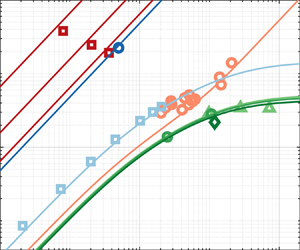
Predicting the magnitude of the slip velocity of non-tracer particles with respect to the surrounding fluid is crucial to address both fundamental and practical questions involving dispersed turbulent flows. Here we derive an analytical model to predict the slip velocity of spherical particles in homogeneous isotropic turbulence. We modulate the particle equation of motion according to the inertial filtering framework, and obtain closed-form expressions for the mean slip velocity magnitude as a function of the governing parameters. These are compared against laboratory measurements and direct numerical simulations, demonstrating close agreement for both light and heavy particles, both smaller and larger than the Kolmogorov scales. The predictive value of the model and its implications are discussed, as well as the range of validity of the underlying assumptions.
Phase I clinical trials aim to find the highest dose of a novel drug that may be administrated safely without having serious adverse effects. Model-based designs have recently become popular in dose-finding procedures. Our objective is to provide an overview of phase I clinical trials in oncology.
Methods:
A retrospective analysis of phase I clinical trials in oncology was performed by using the PubMed database between January 1, 2020, and December 31, 2022. We extracted all papers with the inclusion of trials in oncology and kept only those in which dose escalation or/ and dose expansion were conducted. We also compared the study parameters, design parameters, and patient parameters between industry-sponsored studies and academia-sponsored research.
Result:
Among the 1450 papers retrieved, 256 trials described phase I clinical trials in oncology. Overall, 71.1% of trials were done with a single study cohort, 56.64% of trials collected a group of at least 20 study volunteers, 55.1% were sponsored by industry, and 99.2% of trials had less than 10 patients who experienced DLTs.
The traditional 3 + 3 (73.85%) was still the most prevailing method for the dose-escalation approach. More than 50% of the trials did not reach MTDs. Industry-sponsored study enrolled more patients in dose-escalation trials with benefits of continental cooperation. Compared to previous findings, the usage of model-based design increased to about 10%, and the percentage of traditional 3 + 3 design decreased to 74%.
Conclusions:
Phase I traditional 3 + 3 designs perform well, but there is still room for development in novel model-based dose-escalation designs in clinical practice.
The Mayombe chain of Congo is part of the West Congo Belt, which belonged to the western Gondwana supercontinent. It consists of Paleoproterozoic gneisses and schists that are tectonically stacked and overthrust Neoproterozoic low-grade metamorphic rocks. Although Neoproterozoic context of the chain is relatively well established, the tectono-metamorphic evolution of its Paleoproterozoic basement still under discussion.
Petrography, garnet chemistry and phase equilibria modelling were used to constrain tectono-metamorphic evolution of meta-plutonic and meta-sedimentary rocks from the Western Domain of the Mayombe chain. Microprobe analysis reveals three garnet types: (i) 2-stage garnets with distinct cores (Grt1) and rims (Grt2), (ii) unzoned garnet showing narrow diffusion zones along cracks and rims and (iii) syn-kinematic garnet with normal growth zoning. These complex and simple features of garnet growth are, respectively, related to a polycyclic evolution linked in this area to: (i) the superposition of Eburnean (c. 2000 Ma) and Pan-African (c. 600 Ma) orogenies and (ii) a monocyclic evolution related to a single Pan-African event taking into account ages of the protoliths. The oldest metamorphic assemblage (Eburnean) is preserved in amphibolite facies conditions marked by the first generation of garnet, whereas the younger (Pan-African) event varies from amphibolite facies in the southwest (4–6 kbar, 550°C–600°C) to greenschist facies in the northeast (4–6 kbar at 450°C–550°C) confirming the westward increase in metamorphic grade during the Pan-African event. Mineral equilibria modelling shows also a relatively HP episode culminated at 11.5–12.5 kbar and 525°C–550°C which tectonic environment stills less understood.
In Asian workplaces, effective innovative work behavior (IWB) presents challenges. Knowledge on how Asian leaders can promote employee IWB through their behavioral repertoire is needed. This assumption prompted us to develop and validate the so-called Innovative Leader Survey (ILS), covering a repertoire of leader behaviors by which employee IWB is stimulated in Asia. Study 1 interviewed 60 high-performing leaders and employees on such behaviors, bringing forth three leader-behavioral dimensions and survey items for fostering employee idea generation, promotion, and implementation, labeled Envisioning, Energizing, and Enabling. Study 2 involved 1,037 survey respondents through which we validated these three sets of specific leader behaviors. Study 3, with 287 respondents, established ILS’s discriminant validity while all of its 11 operationalized leader behaviors were found to predict their followers’ IWB after 4 months. Future research with the ILS is proposed to enrich theory and empirical research on the relationship between effective leadership and employees’ IWB in Asian organizations.
Spix’s Macaw Cyanopsitta spixii, extinct in the wild since 2000, was successfully reintroduced in Brazil in 2022, leading to significant progress, including the hatching of wild chicks. However, recent restrictions on further releases by the Brazilian government have put the reintroduction programme into jeopardy. This study updates our 2023 population viability analysis (PVA) to assess the impact of these delayed releases on the wild population. Using six modelled scenarios, we confirm that without annual supplementation of captive-bred birds, the probability of extinction in the wild remains at 100%. Even a one-time release is insufficient to secure population stability. Our results highlight that those annual releases of at least 20 individuals are necessary to ensure long-term viability, with reduced but still essential growth achievable with 10 birds per year. Supplementation of the wild population does not compromise the long-term viability of the well-established captive population. We urge immediate action to resume the release programme in 2024 to prevent the species from once again facing extinction in the wild.
Rattus species pose a significant threat to the Philippines, causing substantial economic losses in agriculture and posing health risks to humans. While Ecologically Based Rodent Management (EBRM) has been developed to mitigate rodent outbreaks, its implementation is challenging, particularly in the face of climate and land use changes. In this study, we aimed to potentially enhance EBRM strategies by utilizing a high-performing modelling approach, MaxEnt, to predict the habitat suitability for Rattus species in the Philippines. This study revealed that forested areas exhibit high suitability for R. tanezumi, R. exulans, and R. everetti, with a notable degree of similarities in their habitat suitability. Furthermore, the model predicted that R. argentiventer, a species with no records in the mainland of Luzon, could potentially find suitable habitats in some areas of these regions, particularly in Central Luzon. Conversely, R. norvegicus was predicted to be highly suitable for areas with high-human population density, such as urban cities. The predictive model deepens our understanding of the interactions between Rattus species and their environments across the Philippines, which is crucial for identifying high-risk areas that require immediate intervention. These results have the potential to enhance the EBRM approach more effectively on a national scale. The EBRM strategy based on the predictive outcomes of the MaxEnt model is not only crucial for the Philippines but also serve as a guiding framework for other regions facing similar challenges with rodent populations.
The use of animals as scientific models is argued to be crucial for producing new scientific and medical knowledge and clinical treatments. However, animal research continues to raise socio-ethical concerns. In recent years, there has been a push for openness amongst the life science community, with the aim of increasing the transparency of animal research to wider publics. Yet, how this push for openness is experienced by those responsible for the care and welfare of research animals requires further study. This paper draws upon qualitative interviews with Named Veterinary Surgeons (NVS) in the UK and explores how they practise openness, avoid openness, and, at times, challenge the way their role is represented within openness agendas. Overall, this social scientific analysis reveals that the current openness agenda has the potential to create tensions for professionals, as they seek to manage regulatory and public imaginaries of the veterinary identity alongside the animal research controversy. The paper concludes by arguing for a culture of dialogue, where openness includes allowing those with responsibilities for animal welfare to express ambivalence or concern about their own role. Finally, the paper calls for sustained academic work on relations between the veterinary profession and wider society, particularly areas that involve contested practices in which care and harm may coincide.