To save content items to your account,
please confirm that you agree to abide by our usage policies.
If this is the first time you use this feature, you will be asked to authorise Cambridge Core to connect with your account.
Find out more about saving content to .
To save content items to your Kindle, first ensure no-reply@cambridge.org
is added to your Approved Personal Document E-mail List under your Personal Document Settings
on the Manage Your Content and Devices page of your Amazon account. Then enter the ‘name’ part
of your Kindle email address below.
Find out more about saving to your Kindle.
Note you can select to save to either the @free.kindle.com or @kindle.com variations.
‘@free.kindle.com’ emails are free but can only be saved to your device when it is connected to wi-fi.
‘@kindle.com’ emails can be delivered even when you are not connected to wi-fi, but note that service fees apply.
This semi-systematic literature review examines signed language corpus research in the Nordic countries, with a quantitative and qualitative assessment of corpus research. The article first describes some critical components and functionalities of signed language corpora. It then outlines the evolution of Nordic corpus research, highlighting Sweden’s pioneering role and subsequent developments in Finland and Norway. The findings suggest a progression from method-focused publications to those exploring linguistic phenomena within and across (signed) languages. Although the number of research publications is modest, there is a discernible shift towards comparative studies and applications in signed language teaching and learning.
One of the less popular and less investigated topics of law is the use of biocontrol agents (BCAs). Despite the general growing attention to the use of BCAs in primary production, a comprehensive regulatory framework is still lacking. When shifting to possible uses of BCAs in the following phases of the food chain, legislation is even more incomplete (and inadequate) despite the challenging opportunities they offer both for pest control and for pathogen control. The paper will provide an overview of the uses of BCAs taking into consideration all the food chain stages, the relevant partial EU regulatory scheme and its critical issues.
The solicitation of nutrition-related health advice on social media platforms is on the rise. However, there is a paucity of research on the distinctive nutrition-related concerns and needs faced by transgender and gender-diverse individuals. Understanding patterns of nutrition-related information-seeking behaviour is vital to advancing health promotion efforts within this community. This study aimed to characterise the nutrition-related questions posed by the transgender community on a prominent social media outlet, Reddit.
Design:
A qualitative, cross-sectional content analysis was conducted, focusing on the top 100 submissions (ranked by popularity) within a transgender-centric online subreddit (r/asktransgender). Data extraction was facilitated using the Application Programming Interface Pushshift. The content analysis was conducted using NVivo.
Setting:
The study was situated within the discussion forum of the social media platform, Reddit.
Results:
A total of 148 references from 90 eligible posts were identified and coded. The major themes included the effects of hormone replacement therapy (HRT) on nutritional health (n 66), weight status (n 45), dietary needs and behaviours (n 21), physical activity and weight loss on body shape (n 9), social undermining (n 4) and effects of health behaviours on HRT (n 3).
Conclusion:
This study underscores the pressing need for tailored and evidence-based nutrition guidelines and communication toolkits that specifically address the distinct needs and experiences of transgender individuals, particularly those undergoing HRT.
The relationship of the Late Cretaceous amphibolite-facies Akrotiri and Vari subunits on the Greek islands of Tinos and Syros to similar occurrences in the Aegean is not fully understood, but a correlation with the Asterousia Crystalline Complex on Crete and corresponding rocks in the Upper Cycladic Unit on other islands of the archipelago is a plausible interpretation. There is currently no clear evidence that the Akrotiri subunit represents a fragment of the metamorphic sole of the nearby Tsiknias ophiolite, as there are differences in field appearance, geochemistry, metamorphic grade and retrograde overprint. Felsic rocks from amphibolite-gneiss sequences of the Akrotiri and Vari subunits are interpreted as reworked igneous rocks with minor admixture of terrigenous material. The Triassic U–Pb zircon age (c. 240 Ma) of such a gneiss from Syros indicates the magmatic crystallization age of the original source rocks. A similar interpretation is suggested for the studied Akrotiri gneiss, but is less clear due to the not fully clarified significance of the presumed Pb loss thought to be responsible for the considerable U–Pb age range of the dated zircons (c. 256–114 Ma). The Vari gneiss sensu strictu is closely associated with metadioritic rocks containing a Triassic zircon population (c. 238 Ma). The protolith is probably plutonic, but a mixture of volcanic and plutonic detritus cannot be excluded. Riebeckitic amphiboles occur in all rock types of the Akrotiri subunit, indicating late overprinting at elevated pressures, which is not known from similar occurrences in the southern Aegean.
This study assesses the feasibility of biomedical informatics resources for efficient recruitment of rural residents with cancer to a clinical trial of a quality-of-life (QOL) mobile app. These resources have the potential to reduce costly, time-consuming, in-person recruitment methods.
Methods:
A cohort was identified from the electronic health record data repository and cross-referenced with patients who consented to additional research contact. Rural–urban commuting area codes were computed to identify rurality. Potential participants were emailed study details, screening questions, and an e-consent link via REDCap. Consented individuals received baseline questionnaires automatically. A sample minimum of n = 80 [n = 40 care as usual (CAU) n = 40 mobile app intervention] was needed.
Results:
N = 1298 potential participants (n = 365 CAU; n = 833 intervention) were screened for eligibility. For CAU, 68 consented, 67 completed baseline questionnaires, and 54 completed follow-up questionnaires. For intervention, 100 consented, 97 completed baseline questionnaires, and 58 completed follow-up questionnaires. The CAU/intervention reached 82.5%/122.5% of the enrollment target within 2 days. Recruitment and retention rates were 15.3% and 57.5%, respectively. The mean age was 59.5 ± 13.5 years. The sample was 65% women, 20% racial/ethnic minority, and 35% resided in rural areas.
Conclusion:
These results demonstrate that biomedical informatics resources can be highly effective in recruiting for cancer QOL research. Precisely identifying individuals likely to meet inclusion criteria who previously indicated interest in research participation expedited recruitment. Participants completed the consent and baseline questionnaires with zero follow-up contacts from the research team. This low-touch, repeatable process may be highly effective for multisite clinical trials research seeking to include rural residents.
In 1927 Lejaren à Hiller (1880–1969) produced a series of black and white art photographs entitled Sutures in Ancient Surgery evoking scenes from the distant past of surgery and medicine. Commissioned and distributed in North America by Davis & Geck, Inc. to promote sales of its surgical sutures (stitches), several depictions were erotic owing to the centrality and poses of nude female models. The first series appeared as ads in professional technical journals, then as packets assembled in paper portfolios distributed to doctors who were primarily men. The creation of Hiller's oeuvre in different forms over almost a century – journal advertisement, portfolio, book, exhibit, magazine features and textbook illustration – highlights his enduring broad appeal, although his work has since been subject to criticism because of its perceived sexism. At its root, Sutures was an advertising medium that connected a seller to a potential buyer. The content and presentation of the project also connected medicine present with medicine past, which also may have helped physicians to connect with the then blossoming field of medical history. The appeal Sutures may have had for a past male medical culture would not resonate with the more gender-inclusive and less overtly sexist medical profession of today, which also prompts discussion of the associations across art, obscenity, medicine and society. My reassessment of Hiller's work based on analysis of his artwork, contemporary interviews, published critiques, Hiller's own writings and DG company records extends previous analyses as it is more comprehensive in scope and also considers more fully works by Hiller antecedent to Sutures that probably greatly influenced it, such as photopoetry books, other advertising projects and his silent movie films.
This Article examines scenario analysis, a disruptive argumentation technique used by the German Federal Constitutional Court (GFCC) in recent high-profile cases, such as the so-called climate protection case (Klimaschutz) and other decisions on the fundamental right to intergenerational justice (Grundrecht auf Generationengerechitgkeit). After explaining the basic argumentative steps involved in scenario analysis, for example designing scenarios, identifying stakeholders, relating scenarios to strategies, determining the main driving forces, estimating scenario probabilities, the Article sketches a normative model for rational scenario design. The normative model is used as a lens for evaluating the arguments developed by the GFCC in the climate protection case. Such evaluation also builds on game-theoretic insights and points out some weaknesses in the Court’s argument. Finally, the Article observes that, as scenario analysis is used to assess the future impact of legislative decisions, it has the effect of imposing greater constraints on legislatures.
Future events can spring to mind unbidden in the form of involuntary mental images also known as ‘flashforwards’, which are deemed important for understanding and treating emotional distress. However, there has been little exploration of this form of imagery in youth, and even less so in those with high psychopathology vulnerabilities (e.g. due to developmental differences associated with neurodiversity or maltreatment).
Aims:
We aimed to test whether flashforwards are heightened (e.g. more frequent and emotional) in autistic and maltreatment-exposed adolescents relative to typically developing adolescents. We also explored their associations with anxiety/depression symptoms.
Method:
A survey including measures of flashforward imagery and mental health was completed by a group of adolescents (n=87) aged 10–16 (and one of their caregivers) who met one of the following criteria: (i) had a diagnosis of autism spectrum disorder; (ii) a history of maltreatment; or (ii) no autism/maltreatment.
Results:
Flashforwards (i) were often of positive events and related to career, education and/or learning; with phenomenological properties (e.g. frequency and emotionality) that were (ii) not significantly different between groups; but nevertheless (iii) associated with symptoms of anxiety across groups (particularly for imagery emotionality), even after accounting for general trait (non-future) imagery vividness.
Conclusions:
As a modifiable cognitive risk factor, flashforward imagery warrants further consideration for understanding and improving mental health in young people. This implication may extend to range of developmental backgrounds, including autism and maltreatment.
Investigations in the Tollense Valley in north-eastern Germany have provided evidence of a large and violent conflict in the thirteenth century BC. Typological analysis of arrowheads from the valley (10 flint and 54 bronze specimens) and comparison with type distributions in Central Europe, presented here for the first time, emphasise the supra-regional nature of the conflict. While the flint arrowheads are typical for the local Nordic Bronze Age, the bronze arrowheads show a mixture of local and non-local forms, adding to the growing evidence for a clash between local groups and at least one incoming group from southern Central Europe.
This paper analyses the institutional incentives and constraints of the Black Mouth Society – the traditional police of the pre-colonial Mandan and Hidatsa tribes – to understand how it successfully maintained social order without abusing power. The Black Mouth Society was a fraternal organization of middle-aged men that monitored and enforced rules created by the village council and chiefs. Two categories of institutions ensured reliable policing. First, on the front end, a long probationary period and system of unanimous consent facilitated the selection of reputable men who would wield policing power responsibly, reducing the chance of predation. However, individual Black Mouths occasionally abused their power. Therefore, on the back end, public communication created common knowledge, leading to social sanctions in the form of shame and restitution that punished abuses and limited further abuse. Thus, well-functioning self-governance, including reliable policing, is possible without a centralized state, as these tribes have demonstrated.
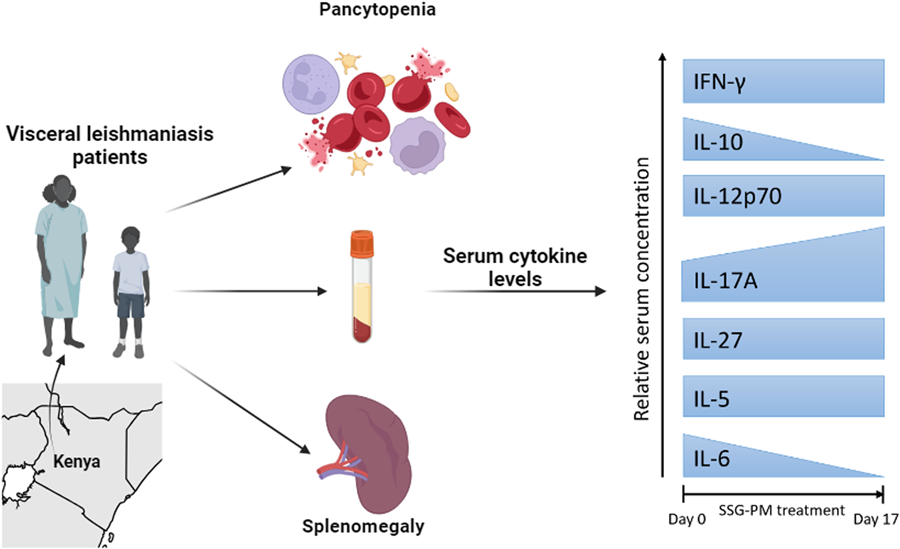
Visceral leishmaniasis (VL) is a severe infectious disease caused by protozoan parasites of the Leishmania donovani complex. Blood cytokine concentrations in VL patients can inform us about underlying immunopathogenesis and may serve as a biomarker for treatment effectiveness. However, cytokine levels have not yet been studied in VL patients from Kenya, where case load is high. This study measured the serum cytokine profile, blood parasite load and clinical and haematological features of VL patients from West Pokot County, Kenya, over the course of treatment with sodium stibogluconate and paromomycin (SSG-PM). VL patients recruited at the hospital presented with splenomegaly and weight loss, and frequently had pancytopenia and anaemia. Median Leishmania parasite load in blood, determined with real-time polymerase chain reaction, was 2.6 × 10⁴ parasite equivalents mL−1. Compared to endemic healthy controls, serum interferon gamma (IFN-γ), interleukin 5 (IL-5), IL-6, IL-10, IL-12p70, IL-17A and IL-27 were significantly elevated in untreated VL patients. Severe VL was associated with higher IL-10 and lower IFN-γ levels. After 17 daily injections with SSG-PM, disease symptoms disappeared, leukocyte and thrombocyte counts significantly increased, and blood parasite load decreased to undetectable levels in all VL patients. There was a significant decrease in IL-10 and IL-6, whereas IL-17A levels increased; the remaining cytokines showed no significant concentration change during treatment. In conclusion, the results suggest that SSG-PM treatment of VL patients from West Pokot was effective. Moreover, both inflammatory and regulatory immune responses appeared to decrease during treatment, although the increase in IL-17A could reflect a partial continuation of immune activation.
Pear (Pyrus communis L.) stands out as a prominent fruit species in temperate regions worldwide. The Çoruh River basin, nestled in the lower Caucasus in Türkiye, serves as a valuable repository of pear germplasm. To elucidate the genetic structure of pear populations in this region, 84 village pear cultivar genotypes (land races) from six villages, sample garden collections (SCC), and wild Panta root stock populations were analysed using eleven microsatellite markers. Genetic diversity and structure analyses indicated that village pear cultivar populations exhibit substantial genetic diversity and admixture. This diversity is attributed to local farming practices such as phenotypic selection and widespread dispersal of clonal materials. The genetic structure analysis, combined with the identification of private alleles, indicates that the pear genetic resources in the Çoruh river basin likely has originated from two gene pool sources, specifically the Meydancık and Camili village pear traditional cultivar populations. The Camili village pear cultivar population as a new in situ genetic reserve site has been proposed. Despite the existence an ex situ conservation site, the study suggests inadequateness of SCC as an ex situ site in capturing the full extent of genetic diversity of village pear cultivar genetic resources. Thus, enriching the genetic diversity in the SCC ex situ site is essential for effective pear genetic resource conservation in the Çoruh river basin. These findings contribute valuable insights for the development of targeted conservation strategies, ensuring the preservation of pear genetic resources in this region.
This article maps the memories of Gĩkũyũ women and girls who were forcibly concentrated during the 1950s emergency period in Kenya. Using Britain’s strategy of ‘villagization’, it considers the unique forms of surveillance and violence deployed against women understood as the ‘backbone’ of the anti-colonial Mau Mau movement. By analysing colonial records and women’s oral testimonies, the article examines civilian relationships to coercively designed counterinsurgency environments. It situates these ‘villages’ into a longer tradition of Britain’s carceral landscape across colonial states, offering fresh insights to established histories of violence, gender, and colonialism.
Motivated by distributional concerns raised by recent breakthroughs in AI and robotics, we ask how workers would prefer to manage an episode of automation in a task-based model, which distinguishes between automation and traditional technical progress. We show that under majority voting with the option to implement a “partial” UBI (as transfers to workers) it is optimal to tax capital at a higher rate than labor in the long run to fund the partial UBI. We show that, unlike traditional technical progress, automation always lowers the labor share in the long run, justifying distributional concerns. A quantitative analysis of an episode of automation for the US economy shows that it is optimal from the workers’ perspective to lower capital taxes and transfers over the transition. Nevertheless, this policy increases worker welfare by only 0.7% in consumption-equivalent terms, compared with a 21.6% welfare gain to entrepreneurs, because the welfare gains to workers from lower capital taxes are second-order, while the gains to entrepreneurs are first-order.
The interplay between SARS-CoV-2 and contemporaneous bacterial or fungal culture growth may have crucial implications for clinical outcomes of hospitalized patients. This study aimed to quantify the effect of microbiological culture positivity on mortality among hospitalized patients with SARS-CoV-2.
Methods:
In this retrospective cohort study, we included adult hospitalized patients from OPTUM COVID-19 specific data set, who tested positive for SARS-CoV-2 within 14 days of hospitalization between 01/20/2020 and 01/20/2022. We examined outcomes of individuals with organisms growing on cultures from the bloodstream infections (BSIs), urinary tract, and respiratory tract, and a composite of the three sites. We used propensity score matching on covariates included demographics, comorbidities, and hospitalization clinical parameters. In a sensitivity analysis, we included same covariates but excluded critical care variables such as length of stay, intensive care unit stays, mechanical ventilation, and extracorporeal membrane oxygenation.
Results:
The cohort included 104,560 SARS-CoV-2 positive adult hospitalized patients across the United States. The unadjusted mortality odds increased significantly with BSIs (98.7%) and with growth on respiratory cultures (RC) (176.6%), but not with growth on urinary cultures (UC). Adjusted analyses showed that BSIs and positive RC independently contribute to mortality, even after accounting for critical care variables.
Conclusions:
In SARS-CoV-2-positive hospitalized patients, positive bacterial and fungal microbiological cultures, especially BSIs and RC, are associated with an increased risk of mortality even after accounting for critical care variables associated with disease severity. These findings underscore the importance of stringent infection control and the effective management of secondary infections to improve patient outcomes.
To investigate how dieting is portrayed on TikTok and the potential implications for public health considering the effect of diet culture on eating disorders amongst young people.
Design:
A cross-sectional descriptive content analysis of 250 videos from the five most popular diet-related hashtags. A codebook was developed to analyse the content of the videos and collect the engagement for each video (likes, comments and shares).
Setting:
TikTok website.
Participants:
There were no participants in this study.
Results:
More than half of the videos portrayed ‘body checking’, a potentially harmful practice for body image. Of the videos that represented body image, almost half represented body image negatively. However, most videos promoted the idea of ‘healthy eating’, and only 6·4 % displayed disordered eating behaviours. Over half of the videos provided dietary advice, and of those videos, most content creators claimed to be experts (64 %). Claiming expertise was not significantly associated with engagement; however, the use of humour was significantly associated with engagement. Additionally, males were more likely than females to disclose their goals of the diet.
Conclusions:
Overall, it appears that TikTok is commonly used to share nutrition tips and personal experiences around dieting and eating in general, often employing humour as an effective technique. The popularity of the platform and rapid dissemination of information would be a useful tool for health professionals, especially those working with eating disorders, to utilise.
Climate change is responsible for marked increases in the frequency and severity of bush/wildfires, resulting in more people exposed to such events with long-term subclinical psychiatric symptoms. This editorial calls for immediate action to implement comprehensive and novel approaches to treating these conditions and preventing them from developing into more severe disorders.
Although many Fertility Centers have adopted day 5 or 6 embryo transfer policy, yet, 30% of embryo transfers in the US are performed on day 3. This is mainly due to concerns related to longer embryo culture effect and higher rates of embryo transfer cancellation on day 5, with no effect on cumulative pregnancy rate. We conducted a retrospective cohort study comparing individual embryo transfer order rank, best embryo for fresh transfer and intention to freeze, of day-3 and day-5 embryos based on their morphology score. Day-3 embryos of each patient were ranked by embryologists for the order of transfer and intention to freeze, based on morphological score, blinded to actual blastulation outcome. The corresponding blastocysts were similarly ranked for the order of transfer and vitrification intention. Ranking was compared to test the predictive value of day-3 morphological assessment. Sixty patients with 784 day-3 embryos were included. There was only a moderate positive significant correlation between ranks on day-3 and ranks on day-5 [r = 0.662 95% CI (0.611–0.706, p < 0.001)]. Only 25% of the best embryos for transfer on day 3 (rank = 1) were chosen for fresh transfer on day 5. A total of 441 embryos were intended to be frozen on day 3. Of those, 201 were not transferred nor vitrified on day 5–6 (45%), 3.35 embryos per patient. No significant difference was found between average day-3 rank of embryos ranked 1, 2 (3.12 vs 4.12, p = 0.074) and 3 (3.12 vs 4.08, p = 0.082) on day-5–6. To conclude, this study brings a different perspective to the comparison of day 3 and day 5 by following each embryo’s putative and actual designation. Day-3 ranking of embryo morphology did not provide a reliable prediction for blastocyst formation, transfer order and vitrification intention, and may support transfer or cryopreservation of blastocysts over cleavage stage embryos.
Microinstabilities drive turbulent fluctuations in inhomogeneous, magnetised plasmas. In the context of magnetic confinement fusion devices, this leads to an enhanced transport of particles, momentum and energy, thereby degrading confinement. In this work, we describe an application of the adjoint method to efficiently determine variations of gyrokinetic linear growth rates on a general set of external parameters in the local $\delta f$-gyrokinetic model. We then offer numerical verification of this approach. When coupled with gradient-based techniques, this methodology can facilitate the optimisation process for the microstability of the confined plasmas across a high-dimensional parameter space. We present a numerical demonstration wherein the ion-temperature-gradient instability growth rate in a tokamak plasma is minimised with respect to flux surface shaping parameters. The adjoint method approach demonstrates a significant computational speed-up compared with a finite-difference gradient calculation.