To save content items to your account,
please confirm that you agree to abide by our usage policies.
If this is the first time you use this feature, you will be asked to authorise Cambridge Core to connect with your account.
Find out more about saving content to .
To save content items to your Kindle, first ensure no-reply@cambridge.org
is added to your Approved Personal Document E-mail List under your Personal Document Settings
on the Manage Your Content and Devices page of your Amazon account. Then enter the ‘name’ part
of your Kindle email address below.
Find out more about saving to your Kindle.
Note you can select to save to either the @free.kindle.com or @kindle.com variations.
‘@free.kindle.com’ emails are free but can only be saved to your device when it is connected to wi-fi.
‘@kindle.com’ emails can be delivered even when you are not connected to wi-fi, but note that service fees apply.
Research over the past three decades has transformed our understanding of western Europe in the years between the late ninth and early eleventh centuries. It was in this period that recognisable kingdoms of France, Germany and (to an extent) Italy were born; it was also in this period that many of the dynasties that would shape the future of the European mainland were established. Above all, it was in these years that the Carolingian dynasty which had ruled much of western Europe since the mid-eighth century was decisively eclipsed. This article uses the charters issued by rulers of these regions as a window into the processes whereby new dynasties and kingdoms established themselves on the basis of existing traditions. In doing so, it draws attention to a remarkable set of shared changes in the layout and appearance of these documents, which reveal much about the nature and significance of these transitions.
The purpose of this study was to analyze the impact of COVID-19 on the quality of life of individuals who received psychological treatment compared to those who did not.
Methods
The survey method was used to collect data. The questionnaire consisted of questions that elicit the personal characteristics of the participants and the COVID-19–Impact on Quality of Life Scale (COV19-QoL). A total of 480 individuals aged 18 years or older were administered the questionnaires in Türkiye. The data obtained from the survey was analyzed using the SPSS 26 software package.
Results
The results showed that the effect of COVID-19 on quality of life differed significantly depending on whether the participants received psychological treatment or not.
Conclusions
It was concluded that individuals who received psychological treatment had a higher impact of COVID-19 on their quality of life. The findings are discussed concerning the relevant literature on theoretical and practical implications.
Catatonia in psychotic patients presents unique challenges. While antipsychotics are the cornerstone of schizophrenia treatment, their use in catatonic patients is sometimes discouraged for fear of worsening the signs. Reports on the successful use of second-generation antipsychotics have been published. We conducted a systematic review according to the Preferred Reporting Items for Systematic Reviews and Meta-Analysis guidelines to describe the outcomes of antipsychotic-treated catatonic events.
Methods
We searched Medline and Web of Science databases from 2000 to 2023 using search terms including “catatonia” and “antipsychotic agents” for all original peer-reviewed articles, including clinical trials, observational studies, and case-reports. We included antipsychotic-treated catatonic events and extracted data on patient characteristics, pharmacological context, agent involved, and treatment outcomes for each antipsychotic trial.
Results
After screening 6,219 records, 79 full-text articles were included. Among them, we identified 175 antipsychotic trials (in 110 patients). Only 41.1% of the patients benefited from a previous benzodiazepine trial. Antipsychotic use was considered beneficial in 60.0% of the trials, neutral in 29.1%, and harmful in 10.9%. Trials tended to be reported as beneficial for amisulpride, clozapine, and risperidone, equivocal for aripiprazole and olanzapine, and mostly detrimental for haloperidol and quetiapine. Psychotic disorders were the most common underlying etiology (65.8%).
Conclusions
Antipsychotics could be an option in the treatment of catatonia in psychotic patients. However, with few exceptions, we found non-beneficial outcomes with all second-generation antipsychotics in varying proportions in this largest review to date. Although olanzapine is widely used, it is associated with mitigated reported outcomes.
Gendered inequalities in campaign finance are generally considered an important impediment to the equal representation of women in parliament. A multivariate analysis of 11,897 Flemish candidates in the Belgian elections from 1999 to 2019 provides strong new evidence of the gender gap in campaign spending, showing that women candidates are significantly outspent by men. But this gender gap is only present after the introduction of strict quota and is limited to non-incumbents. It takes 16 years and five elections after the introduction of strict quotas before this gender gap narrows. In terms of the funding of their campaigns, women draw significantly less money from their personal wealth and receive less money from their parties when strict quotas are in place.
Treatment of patients suffering from schizophrenia in Austria: Treatment of patients with schizophrenia in the healthcare system is generally voluntary. This applies both to outpatient care provided by specialists in private practice, hospital outpatient clinics, or social psychiatric outpatient clinics and to inpatient care in hospitals. However, there is an exceptional situation in which the patient’s freedom of will is restricted by law. This is the case when acute danger to self or others caused by the disorder is present. With the involvement of the district court, the patient advocate, a possible adult representative, and an external expert, the patient’s freedom of movement can be restricted for a certain period of time to enable treatment. The acceptance of psychopharmacological therapy remains the patient’s decision in this situation, with the exception of explicit authorization by the court. Treatment under the consideration of proportionality, meaning that coercion is only applied in the case of an acute risk of severe bodily harm, is therefore possible for the majority of patients with schizophrenia. However, this does not mean that patients are able to connect to the care network in all cases. Some patients fail because the contact threshold is still too high. In order to reduce this, outreach care has been integrated into the existing services in many cases. These multi-professional teams often manage to establish contact with the patients and thus create a willingness to undergo treatment in order to counteract the long-term consequences, including complete social isolation and disintegration.
Quality of care during childbirth is crucial to maternal health outcomes. Studies from India that report on women’s experiences of disrespect and abuse by healthcare providers during facility-based childbirth are limited to high-fertility states and predominantly focus on public hospitals. However, the quality of maternal care in states with low fertility rates like West Bengal needs further examination. This study aimed to understand women’s experiences of disrespect and abuse and their perceptions of facility-based childbirth. The study focused on public, private, and charitable hospitals in Kolkata district of West Bengal that presents a higher institutional birth rate than the national average. The findings derive from a qualitative study using in-depth interviews with 17 postpartum women who had facility-based births within one year before data collection in May 2019. Grounded theory approach was used to iteratively code the interview transcripts, identify reappearing categories, and generate themes through abstraction. The participants’ narratives revealed experiences of verbal abuse, neglect and abandonment, poor rapport between providers and women, improper conduct of procedures, health facility conditions and constraints, and instances of overlapping forms of disrespect and abuse. The findings demonstrate the nature of disrespect and abuse across different hospital types in a major metropolis of India. Normalisation of poor-quality care manifested in women’s lack of expectations of patient education and attention from providers. Health system conditions and constraints can impact the quality of care that problematise the push for institutional deliveries as a panacea for poor maternal health outcomes. The findings add to long-standing calls for improving maternal experiences of birth with an emphasis on promoting autonomy. National and state guidelines related to maternal health need to be aligned with accepted standards of care. West Bengal must establish ways to assess the implementation of such guidelines on the ground.
The efficacy of COVID-19 vaccines against the Delta variant has been observed to be high, both against severe disease and infection. The full population level vaccine effectiveness, however, also contains the indirect effects of vaccination, which require analysis of transmission dynamics to uncover. Finland was close to naïve to SARS-CoV-2 infections before the Delta dominant era, and non-pharmaceutical interventions (NPIs) were at an internationally low level. We utilize Finnish register data and a mathematical model for transmission and COVID-19 disease burden to construct a completely unvaccinated control population and estimate the different components of the vaccine effectiveness. The estimated direct effectiveness was 72% against COVID-19 cases and 87–96% against severe disease outcomes, but the estimated indirect effectiveness was even better, 93% against cases and 94–97% against severe disease. The total and overall effectiveness, including both direct and indirect effects of vaccination, were thus excellent. Our results show how well the population was protected by vaccination during the Delta era, especially by the indirect effectiveness, providing protection also to the unvaccinated part of the population. The estimated averted numbers of hospitalizations, ICU admissions, and deaths in Finland during the Delta era under the implemented NPIs were about 100 times the observed numbers.
Because pediatric anxiety disorders precede the onset of many other problems, successful prediction of response to the first-line treatment, cognitive-behavioral therapy (CBT), could have a major impact. This study evaluates whether structural and resting-state functional magnetic resonance imaging can predict post-CBT anxiety symptoms.
Methods
Two datasets were studied: (A) one consisted of n = 54 subjects with an anxiety diagnosis, who received 12 weeks of CBT, and (B) one consisted of n = 15 subjects treated for 8 weeks. Connectome predictive modeling (CPM) was used to predict treatment response, as assessed with the PARS. The main analysis included network edges positively correlated with treatment outcome and age, sex, and baseline anxiety severity as predictors. Results from alternative models and analyses are also presented. Model assessments utilized 1000 bootstraps, resulting in a 95% CI for R2, r, and mean absolute error (MAE).
Results
The main model showed a MAE of approximately 3.5 (95% CI: [3.1–3.8]) points, an R2 of 0.08 [−0.14–0.26], and an r of 0.38 [0.24–0.511]. When testing this model in the left-out sample (B), the results were similar, with an MAE of 3.4 [2.8–4.7], R2−0.65 [−2.29–0.16], and r of 0.4 [0.24–0.54]. The anatomical metrics showed a similar pattern, where models rendered overall low R2.
Conclusions
The analysis showed that models based on earlier promising results failed to predict clinical outcomes. Despite the small sample size, this study does not support the extensive use of CPM to predict outcomes in pediatric anxiety.
Palmer amaranth, a competitive weed in cotton and soybeans, poses challenges due to its rapid growth, high fertility, and herbicide resistance. Effective management strategies targeting sex ratios could reduce seed production by female plants. Protoporphyrinogen oxidase (PPO-) inhibiting herbicides play a role in the evolving resistance of Amaranthus spp. in the US Midwest. These herbicides may also affect the male-to-female ratio of Palmer amaranth. A 2-yr field experiment (2015 and 2016) was conducted in a soybean field in Collinsville, IL, evaluating various preemergence and postemergence PPO-inhibiting herbicide treatments. Untreated Palmer amaranth populations exhibited a bias toward females. Preemergence application of sulfentrazone and flumioxazin effectively reduced Palmer amaranth density (1.66 plants m–2) throughout the season, whereas postemergence applications of fomesafen and lactofen provided limited control (27 and 31 plants m–2, respectively). Early-season mortality was high (96%) among Palmer amaranth seedlings, especially with pyroxasulfone + fluthiacet-methyl treatment. Fomesafen increased female biomass (28.8%) while reducing male biomass compared to the nontreated control. In 2015, pyroxasulfone + fluthiacet-methyl and acetochlor altered the male-to-female sex ratio compared to the nontreated control, with pyroxasulfone + fluthiacet-methyl reducing the proportion of females (–0.11 M/F) and acetochlor slightly increasing the proportion of males (0.03 M/F), though not different from a 1:1 ratio. In 2016, pendimethalin and flumioxazin (71 g ai ha–1) resulted in a strong female-biased sex ratio, with an almost exclusively female population. In both years, the nontreated control plots (–0.58 and –0.55 M/F) maintained a naturally female-biased sex ratio, deviating significantly from a 1:1 ratio. These findings suggest that specific herbicide treatments can alter the sex ratio. Understanding sex determination in Palmer amaranth holds promise for developing more effective control strategies in the future.
The selection, design and optimization of a suitable blanket configuration for an advanced high-field stellarator concept is seen as a key feasibility issue and has been incorporated as a vital and necessary part of the Infinity Two fusion pilot plant physics basis. The focus of this work was to identify a baseline blanket which can be rapidly deployed for Infinity Two while also maintaining flexibility and opportunities for higher performing concepts later in development. Results from this analysis indicate that gas-cooled solid breeder designs such as the helium-cooled pebble bed (HCPB) are the most promising concepts, primarily motivated by the neutronics performance at applicable blanket build depths, and the relatively mature technology basis. The lithium lead (PbLi) family of concepts, particularly the dual-cooled lithium lead, offer a compelling alternative to solid blanket concepts as they have synergistic developmental pathways while simultaneously mitigating much of the technical risk of those designs. Homogenized three-dimensional neutronics analysis of the Infinity Two configuration indicates that the HCPB achieves an adequate tritium breeding ratio (TBR) (1.30 which enables sufficient margin at low engineering fidelity), and near appropriate shielding of the magnets (average fast fluence of 1.3 ${\times}$ 10$^{18}$ n cm$^{-2}$ per full-power year). The thermal analysis indicates that reasonably high thermal efficiencies (greater than 30 %) are readily achievable with the HCPB paired with a simple Rankine cycle using reheat. Finally, the tritium fuel cycle analysis for Infinity Two shows viability, with anticipated operational inventories of less than one kilogram (approximately 675 g) and a required TBR (TBR$_{\textrm {req}}$) of less than 1.05 to maintain fuel self-sufficiency (approximately 1.023 for a driver blanket with no inventory doubling). Although further optimization and engineering design are still required, at the physics basis stage all initial targets have been met for the Infinity Two configuration.
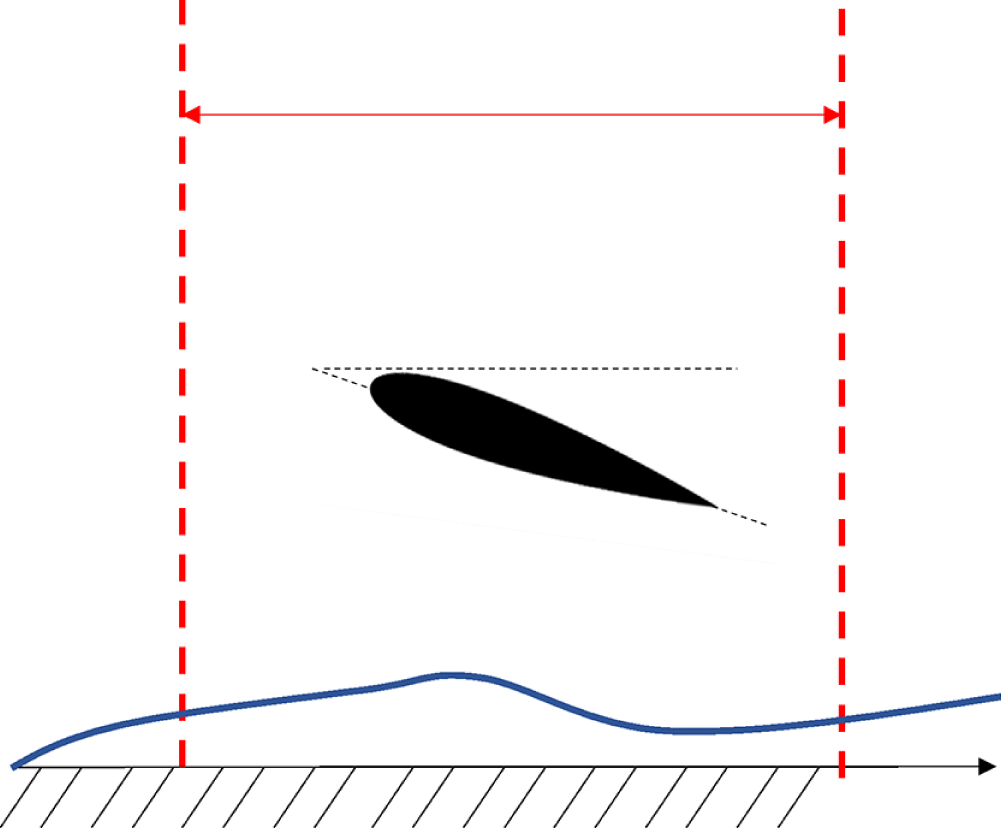
We study the response of a flexible prism with a square cross-section placed in cross-flow through a series of experiments conducted at increasing flow velocities. We show that as the reduced velocity (a dimensionless flow velocity that also depends on the natural frequency of the structure) is increased, the prism undergoes vortex-induced vibration (VIV) in its first mode, which then transitions to VIV in the second mode and then third mode. In these ranges, the shedding frequency is synchronised with the oscillation frequency, and the oscillations are mainly in the transverse (cross-flow – CF) direction. As we keep increasing the reduced velocity, we observe a linear increase in the amplitude of the torsional oscillations of the prism, resembling a torsional galloping. This increase in the torsional oscillations then causes an increase in the amplitudes of the CF and inline (IL) oscillations while the third structural mode is still excited in the CF direction. A transition to oscillations in the fourth structural mode is observed at higher reduced velocities, which reduces the CF and IL amplitudes, while the torsional oscillations reach a plateau. After this plateau is reached in the torsional oscillations, galloping is observed in the CF oscillations of the response, which results in large-amplitude oscillations in both the CF and IL directions. The CF galloping response at these higher reduced velocities is accompanied by a torsional VIV response and the shedding frequency is synchronised with the frequency of the torsional oscillations.
Allanite-(Y), ideally CaY(Al2Fe2+)(Si2O7)(SiO4)O(OH), is a valid species with the type locality in the Åskagen pegmatite, Värmland, Sweden. The mineral occurs as an accessory phase in the blocky zone of the NYF granitic pegmatite near Åskagen, Värmland, Sweden. It forms rims together with iimoriite-(Y), gadolinite-(Y) and allanite-(Nd) around altered crystals of thalénite-(Y). Allanite-(Y) replaced primary thalénite-(Y) during an episode of early post-magmatic hydrothermal activity. Allanite-(Y) forms euhedral crystals with size up to 1 mm, black with a vitreous lustre, conchoidal fracture and greyish brown streak. It has a Mohs hardness of ca. 6, the calculated density of 3.945 g.cm–3 and is biaxial (−) with α = 1.760(3), β = 1.799(2) and γ = 1.784(3) in 589 nm light; pleochroism is weak pale yellowish brown in all directions. Allanite-(Y) has monoclinic symmetry, with the space group P21/m, a = 8.8520(8) Å, b = 5.6959(5) Å, c = 10.0543(9) Å, β = 115.510(2)°, V = 457.52(7) Å3 and Z = 2. Crystal-chemical analysis resulted in the empirical formula: A1(Ca0.900Mn0.090Na0.010)Σ1.000A2(Y0.323Ca0.260Nd0.118Sm0.087Gd0.098Dy0.044Ce0.034Pr0.014Tb0.012Er0.005La0.003Ho0.002Yb0.001)Σ1.001M1(Al0.921Fe2+0.070Ti0.003)Σ0.994M2(Al1.000)M3(Fe2+0.638Fe3+0.262Al0.072Mg0.028)Σ1.000T1(Si1.000)T2(Si1.000)T3(Si1.003)O12.000(OH)1.000.
Allanite-(Y) belongs to the allanite group of the epidote supergroup. The closest end-member compositions of valid allanite group species are allanite-(Ce), allanite-(La) and allanite-(Nd) related via the simple exchange mechanism Y ↔ Ln. The allanite-(Y) origin during metasomatic replacement of the thalénite-(Y) was mainly affected by local system composition and structural constraints rather than Ln+Y fluoride complexation in hydrothermal solution.
People with non-communicable diseases (NCDs) have a higher prevalence of comorbid depression than the general population. While previous research has shown that behavioural activation is effective for general depression, its efficacy and safety in treating depression associated with NCDs remains unclear.
Aims
To compare the efficacy and safety of behavioural activation against comparators in reducing depression symptoms in people with NCDs.
Method
We searched six databases from inception until 30 March 2023 (updated 23 September 2024) for randomised controlled trials (RCTs) comparing behavioural activation with comparators for depression in people with NCDs. Risk of bias was assessed using the Cochrane Collaboration’s ‘risk-of-bias 2 tool’. We calculated a random-effects, inverse-variance weighting meta-analysis.
Results
Of the 21 386 initial studies, 12 RCTs (with 2144 patients) comparing behavioural activation with any comparator on treatment outcomes for depression with comorbid NCD met the inclusion criteria. Six studies rated as low risk of bias. For short-term follow-ups (up to 6 months), meta-analysis showed behavioural activation had little effect on depression symptom improvement in people with NCDs (Hedges’ g = −0.24; 95% CI, −0.62 to 0.15), compared to comparators, with high heterogeneity (I2 = 91.91%). Of the 12 included studies, three RCTs provided data on adverse events occurring during the trial.
Conclusions
Evidence from this systematic review is not sufficient to draw clear conclusions about the efficacy and safety of behavioural activation for reducing depression symptoms in people with NCDs. Future reviews need to include more high-quality, well-designed RCTs to better understand the potential benefits of behavioural activation for comorbid depression.
Hallucinations are common and distressing symptoms in Parkinson’s disease (PD). Treatment response in clinical trials is measured using validated questionnaires, including the Scale for Assessment of Positive Symptoms-Hallucinations (SAPS-H) and University of Miami PD Hallucinations Questionnaire (UM-PDHQ). The minimum clinically important difference (MCID) has not been determined for either scale. This study aimed to estimate a range of MCIDs for SAPS-H and UM-PDHQ using both consensus-based and statistical approaches.
Methods
A Delphi survey was used to seek opinions of researchers, clinicians, and people with lived experience. We defined consensus as agreement ≥75%. Statistical approaches used blinded data from the first 100 PD participants in the Trial for Ondansetron as Parkinson’s Hallucinations Treatment (TOP HAT, NCT04167813). The distribution-based approach defined the MCID as 0.5 of the standard deviation of change in scores from baseline at 12 weeks. The anchor-based approach defined the MCID as the average change in scores corresponding to a 1-point improvement in clinical global impression-severity scale (CGI-S).
Results
Fifty-one researchers and clinicians contributed to three rounds of the Delphi survey and reached consensus that the MCID was 2 points on both scales. Sixteen experts with lived experience reached the same consensus. Distribution-defined MCIDs were 2.6 points for SAPS-H and 1.3 points for UM-PDHQ, whereas anchor-based MCIDs were 2.1 and 1.3 points, respectively.
Conclusions
We used triangulation from multiple methodologies to derive the range of MCID estimates for the two rating scales, which was between 2 and 2.7 points for SAPS-H and 1.3 and 2 points for UM-PDHQ.
Classic arguments about federalist governance emphasize an informational or learning role for decentralizing policy authority, but in practice, ideological outcomes frequently motivate this choice. We examine the role of ideology in the allocation of policy-making power by modeling a two-period interaction between an elected central executive and two local governments. Decentralization reduces the executive’s ability to set policy and control externalities but potentially insures against future policy reversals. In this environment, partial decentralization is a common outcome. Complete decentralization arises when executives are unlikely to be re-elected, party polarization is high, and institutional hurdles to policy-making are significant. These results help to clarify existing cross-national empirical findings on the determinants of centralization.
Myocardial bridge contributes to chest pain, often accompanied by non-specific complaints.
Aims
Our study aims to determine somatic symptom disorder (SSD) prevalence in patients with myocardial bridge, investigating associated clinical and psychological features.
Method
In this prospective cross-sectional study, we enrolled 1357 participants (337 with and 1020 without myocardial bridge) from Shanghai Renji Hospital. The Somatic Symptom Scale-China questionnaire was used to assess SSD. Depressive and anxiety disorders were assessed by the Patient Health Questionnaire-9 (PHQ-9) and Generalised Anxiety Disorder-7 (GAD-7).
Results
The prevalence of SSD in the myocardial bridge group was 63.2%, higher than the group without myocardial bridge (53.8%). Patients with myocardial bridge were at an increased risk of SSD (odds ratio 1.362, 95% CI 1.026–1.809; P = 0.033). There were no differences in the mean PHQ-9 scores (3.2 ± 3.4 v. 3.2 ± 4.1; P = 0.751) or GAD-7 scores (2.5 ± 3.0 v. 2.3 ± 3.7; P = 0.143) between the two groups. Among patients with myocardial bridge, gender was the only independent risk factor for SSD. Women were 3.119 times more likely to experience SSD compared with men (95% CI 1.537–6.329; P = 0.002).
Conclusions
Our findings emphasise the high prevalence and severity of SSD among patients with myocardial bridge. The screening for SSD should be of particular concern, especially among female patients.
Autoimmune processes have been documented in both childhood and adulthood patients with obsessive-compulsive disorder (OCD), with the pediatric autoimmune neuropsychiatric disorders associated with streptococcal infections (PANDAS) representing the paradigm of this model.
Given the limited information available, the present study aimed at assessing the characteristics of adult patients with OCD exposed to a previous group A β-hemolytic Streptococcus infection, together with some peripheral inflammatory biomarkers.
Materials and methods
Fifty-two subjects displaying antistreptolysin O (ASO) titer positivity were recruited from a sample of 247 adult OCD outpatients, diagnosed according to DSM-5 criteria and assessed by the Yale-Brown Obsessive-Compulsive Scale. Their clinical features were assessed and compared. The possible relationships between the different parameters were also examined.
Results
Thirty-six subjects who were on medication for OCD showed significantly lower ASO titers than the other. The neutrophil count was positively and negatively related to, respectively, the “distress associated with obsessive thoughts” item and to the patients’ age. The lymphocyte count and folic acid levels were higher in 30 subjects with no perinatal insults.
Conclusions
These results seem to suggest that OCD subjects with ASO titer-positivity show a chronic inflammatory state, in spite of no symptoms or recall of bacterial infections, that might be involved in both the onset and the maintenance of OCD, with immunological alterations being related to symptom dimension to be identified. They also support the notion of possible anti-inflammatory effects of some psychotropic compounds.