To save content items to your account,
please confirm that you agree to abide by our usage policies.
If this is the first time you use this feature, you will be asked to authorise Cambridge Core to connect with your account.
Find out more about saving content to .
To save content items to your Kindle, first ensure no-reply@cambridge.org
is added to your Approved Personal Document E-mail List under your Personal Document Settings
on the Manage Your Content and Devices page of your Amazon account. Then enter the ‘name’ part
of your Kindle email address below.
Find out more about saving to your Kindle.
Note you can select to save to either the @free.kindle.com or @kindle.com variations.
‘@free.kindle.com’ emails are free but can only be saved to your device when it is connected to wi-fi.
‘@kindle.com’ emails can be delivered even when you are not connected to wi-fi, but note that service fees apply.
The debates on the ownership of contested cultural objects bring forth questions regarding the representation of history. But might these debates also lead to the fabrication of history? Previous research has analyzed how the British Museum’s anti-restitution position contributes to its distortion of British (Museum) history. Instead, this article considers if – and, if so, how – history is distorted to argue for restitution. It examines the eulogized publication The Brutish Museums (2020) by Oxford professor Dan Hicks asking whether his claims regarding British mass atrocities in the conquest of Benin in 1897 can be substantiated by the documentary evidence. The investigation shows that this is not the case. The article also scrutinizes what the source material reveals about the death toll of the events of 1897. The results of the inquiry question oversimplified notions about culprits and victims in the wake of colonial conquest. It is argued that an incomplete understanding of the past impairs efforts to repair past wrongs and that questions about the ownership of colonial collections could productively be linked with questions about the representation of history, such as whose and which histories are told – or not – through contested objects.
To refine the knowledge on familial transmission, we examined the (shared) familial components among neurodevelopmental problems (i.e. two attention-deficit/hyperactivity–impulsivity disorder [ADHD] and six autism spectrum disorder [ASD] subdomains) and with aggressive behavior, depression, anxiety, and substance use.
Methods
Data were obtained from a cross-sectional study encompassing 37 688 participants across three generations from the general population. ADHD subdomains, ASD subdomains, aggressive behavior, depression, anxiety, and substance use were assessed. To evaluate familial (co-)aggregation, recurrence risk ratios (λR) were estimated using Cox proportional hazards models. The (shared) familiality (f2), which is closely related to (shared) heritability, was assessed using residual maximum likelihood-based variance decomposition methods. All analyses were adjusted for sex, age, and age2.
Results
The familial aggregation and familiality of neurodevelopmental problems were moderate (λR = 2.40–4.04; f2 = 0.22–0.39). The familial co-aggregation and shared familiality among neurodevelopmental problems (λR = 1.39–2.56; rF = 0.52–0.94), and with aggressive behavior (λR = 1.79–2.56; rF = 0.60–0.78), depression (λR = 1.45–2.29; rF = 0.43–0.76), and anxiety (λR = 1.44–2.31; rF = 0.62–0.84) were substantial. The familial co-aggregation and shared familiality between all neurodevelopmental problems and all types of substance use were weak (λR = 0.53–1.57; rF = −0.06–0.35).
Conclusions
Neurodevelopmental problems belonging to the same disorder were more akin than cross-disorder problems. That said, there is a clear (shared) familial component to neurodevelopmental problems, in part shared with other psychiatric problems (except for substance use). This suggests that neurodevelopmental disorders, disruptive behavior disorders, and internalizing disorders share genetic and environmental risk factors.
Studies of non-standard, project-based forms of work prevalent in the creative industries have typically theorized the relational dynamics of work as a competitive process of social capital accumulation involving an individualistic, self-enterprising, zero-sum, and winner-takes-all struggle for favourable social network-positioning. Problematizing this prevailing conceptualization, our empirical case study draws on fifty in-depth interviews and two focus groups with creative workers in Ghana to show how relations of mutual aid, including elaborate efforts to live harmoniously with others, are intricately intertwined with economic practices of getting by and getting ahead. Our analysis abductively mobilizes insights from Afro-communitarian ethics to theorize the mutual aid we observed as a complex socio-economic practice of relational resource redistribution contingent on degrees of social proximity. In applying “a theory from the South” to foreground the role of moral obligations, social harmony, and hands-on practices of mutual aid in non-standard forms of work, we contribute a “decolonial critique” of relationality of relevance to scholars of creative work and business ethicists.
The EU Corporate Sustainability Due Diligence Directive (CSDDD) marks a significant step in the evolution of transnational corporate governance, moving away from the predominantly voluntary nature of corporate social responsibility toward a more binding regulatory framework. A key feature of this shift is the introduction of mandatory requirements for companies to adopt codes of conduct—private policies that set out standards, such as labor rights, which must be enforced across global supply chains. As expectations grew for businesses to integrate human rights and environmental risk assessments into their due diligence processes,1 codes of conduct became an increasingly common way for companies to demonstrate their commitment to social and environmental concerns. Today, nearly 80 percent of European multinationals have adopted such codes.2
This date list reports the unpublished results from a multi-year radiocarbon dating program of the prehistoric Iapodes collection at the Archaeological Museum in Zagreb. Dated materials were excavated from cave, burial, and settlement contexts by various museum teams during the past century.
The business and human rights movement has made significant gains recently. After years of struggle, courts are increasingly embracing the idea of holding multinational corporations accountable for human rights abuses and environmental damage in countries of the Global South. Legislators are supplementing this with supply chain laws that impose due diligence obligations on multinationals, often backed by administrative sanctions. Civil liability for damages is less often provided, but hailed as a particular achievement in terms of the protection of victims. However, a closer look at civil liability in recent supply chain legislation adopted in Europe raises the question of whether the hallmark of such liability may actually be its greatest weakness. Supply chain liability is regularly linked to the breach of a due diligence obligation in relation to human rights abuses or environmental damage. This is typically based on international conventions that were not written for corporations and are difficult to apply in individual cases. In contrast, this essay argues that it is better to link supply chain liability to a violation of private rights, such as personal injury or property damage. This fits better with existing tort systems and ultimately benefits victims. The hallmark of supply chain liability should not be the link to human rights, but the establishment of duties of care across legal entities.
The relationship between adolescent alcohol use and emotional problems remains unclear and contradictory. These inconsistencies may in part be due to differences in the measurement and operationalization of alcohol use and emotional problems across studies, as well as confounder selection and missing data decisions. This study explores the associations between common specifications of adolescent alcohol use and emotional problems in a large sample of adolescents.
Methods
A multiverse analysis (also known as specification curve analysis or vibration of effects) was done with 7680 unique model specifications in a large longitudinal sample of 6639 Australian adolescents (aged ~14.7–15.7, 2021–2022).
Results
While alcohol use and emotional problems nearly universally co-occurred in minimally adjusted cross-sectional models (98–99%), the operationalization of emotional problems, temporality of prospective relationships, and choice of confounders substantially impacted findings. Emotional problems appeared to predict later alcohol use more-so than the reverse, depression-focused measures yielded more consistent associations with alcohol use than anxiety-focused measures, and certain confounders (i.e. conduct, ADHD, smoking) explained most of the associations between adolescent alcohol use and emotional problems. Missing data decisions and whether outcomes were modelled continuously v. dichotomously had minimal impact on findings.
Conclusions
While adolescent alcohol use and emotional problems commonly co-occur, inconsistencies in the magnitude, direction, and significance of effects are closely tied to researcher decisions that are often made arbitrarily.
Inquisitive modal logic, InqML, in its epistemic incarnation, extends standard epistemic logic to capture not just the information that agents have, but also the questions that they are interested in. We use the natural notion of bisimulation equivalence in the setting of InqML, as introduced in [7], to characterise the expressiveness of InqML as the bisimulation invariant fragment of first-order logic over natural classes of two-sorted first-order structures that arise as relational encodings of inquisitive epistemic (S5-like) models. The non-elementary nature of these classes crucially requires non-classical model-theoretic methods for the analysis of first-order expressiveness, irrespective of whether we aim for characterisations in the sense of classical or of finite model theory.
Many important questions in political science require the use of human-coded data or information that has been systematically ordered and quantified by a human being from qualitative sources. This article discusses challenges and recent innovations in collecting and documenting human-coded data. We review five datasets produced within the past 10 years and also reflect on our experiences in collecting a quarterly dataset that tracked state responses to the COVID-19 pandemic. We argue that scholars can deliberately produce and publish theoretically grounded human-coded data in an accessible format that promotes transparency, traceability, and readability. We highlight several ways that scholars are already doing this, including narratives, source lists, and coding justifications that enhance the quality of their human-coded datasets. We also discuss common issues during coding and how technological innovation through interactive web-based platforms can improve the documentation of coding decisions.
Determining whether the incidence of suicidal behavior during the COVID-19 pandemic changed for those with severe mental disorders is essential to ensure the provision of suicide preventive initiatives in the case of future health crises.
Methods
Using population-based registers, quarterly cohorts from the first quarter of 2018 (2018Q1) to 2021Q4 were formed including all Swedish-residents >10 years old. Interrupted time series and generalized estimating equations analyses were used to evaluate changes in Incidence Rates (IR) of specialised healthcare use for suicide attempt and death by suicide per 10 000 person-years for individuals with or without specific severe mental disorders (SMDs) during, compared to before the pandemic.
Results
The IR (95% Confidence interval, CI) of suicide in individuals with SMDs decreased from 16.0 (15.0–17.1) in 2018Q1 to 11.6 (10.8–12.5) in 2020Q1 (i.e. the quarter before the start of the pandemic), after which it dropped further to 6.7 (6.3–7.2) in 2021Q2. In contrast, IRs of suicide attempt in SMDs showed more stable trends, as did the trends regarding suicide and suicide attempt for individuals without SMD. These discrepancies were most evident for individuals with substance use disorder and ASD/ADHD. Changes in IRs of suicide v. suicide attempt for one quarter during the pandemic for substance misuse were 11.2% v. 3.6% respectively. These changes for ASD/ADHD were 10.7% v. 3.6%.
Conclusions
The study shows pronounced decreases in suicide rates in individuals with SMDs during the pandemic. Further studies aiming to understand mechanisms behind these trends are warranted to consult future suicide prevention strategies.
Direct physical evidence for violent interpersonal conflict is seen only sporadically in the archaeological record for prehistoric Britain. Human remains from Charterhouse Warren, south-west England, therefore present a unique opportunity for the study of mass violence in the Early Bronze Age. At least 37 men, women and children were killed and butchered, their disarticulated remains thrown into a 15m-deep natural shaft in what is, most plausibly, interpreted as a single event. The authors examine the physical remains and debate the societal tensions that could motivate a level and scale of violence that is unprecedented in British prehistory.
This case study uses the concept of ecosystem services and specifically payments for ecosystem services, alongside five experiences from the Westcountry Rivers Trust (WRT), which celebrates its 30th anniversary in 2024, to demonstrate the need for integrated catchment management (ICM). It highlights the multifaceted benefits that ecosystems provide to human well-being, the challenges faced in managing these often-siloed services and the role of ICM in preserving and enhancing multiple ecosystem services, focusing on the water-related drivers of flooding, drought, water quality and aquatic biodiversity. Through WRT projects this case study highlights practical applications and successes in managing ecosystem services at the catchment level and what considerations are needed for future integration and delivery of multi-benefit solutions. This paper is derived in part from the interviews and workshops undertaken as part of the Atlantic Area Interreg funded Triple C project (EAPA_772/2018), as well as contributions from the Horizon funded, InnWater project (Horizon EUROPE No. 101036683 and UKRI No. 10066637) and the OFWAT-funded, mainstreaming Nature-based Solutions.
This article unpacks a Nahuatl metaphor based on the kin term hueltiuh, “man's elder sister,” used in multiple sixteenth-century Nahuatl texts and their Spanish derivatives. Through a minute analysis of several Nahua stories, the article identifies various roles described with this term: spies, “toothed-vagina” femmes fatales, heart-eating monsters, and seducers. Applying a method borrowed from cognitive linguistics, it then constructs a model of “man's elder sister,” which explains the application of this metaphor to different contexts. In Nahua stories, hueltiuh is usually a female mediator who throws the male characters off balance, leading to a new status quo. Confusingly, this metaphor often appears where one would expect a real kinship term and in a way that makes identifying its symbolic meaning difficult. These complications have led scholars to see (only) genealogical information in stories concerned with symbolic rather than genealogical relations between elite members or deities. The results presented here allow for refining our understanding of some famous Nahua narratives, such as the one on Topiltzin Quetzalcoatl's abandonment of Tollan. They also invite a rethinking of our views on the Nahua (Aztec) pantheon of gods, whose figurative “family bonds” may, in fact, indicate complex nonkinship relations and dependencies.
Youth living in low- and middle-income countries (LMICs) have an increased vulnerability to mental illnesses, with many lacking access to adequate treatment. There has been a growing body of interventions using task sharing with trained peer leaders to address this mental health gap. This scoping review examines the characteristics, effectiveness, components of peer delivery and challenges of peer-led mental health interventions for youth aged 10–24 in LMICs. A key term search strategy was employed across MEDLINE, Embase, Web of Science, Global Health and Global Index Medicus. Eligibility criteria included young people aged 10–24 and a peer-led component delivered in any setting in an LMIC. Study selection and extraction were conducted independently by the first and second authors, with discrepancies resolved by the senior author. Study characteristics were summarised and presented descriptively. The search identified 5,358 citations, and 19 studies were included. There were 14 quantitative, four qualitative and one mixed methods study reporting mental health outcomes. Types of interventions were heterogenous but fell within three broad categories: (1) peer education and psychoeducation, (2) peer-led psychotherapy and counselling and (3) peer support. All studies reported improved mental health outcomes as a result of the peer-led interventions. Peer-led interventions are versatile in terms of both the types of interventions and mode of delivery. Lived experience, mutual respect and reduced stigma make this method a highly unique and effective way to engage this age group. However, implementing peer-led youth interventions is not without challenges. Adequate training, supervision, cultural appropriateness and support from established institutions are critical to safeguarding and ensuring the sustainability of such programs. Our findings suggest that peer-led models are a valuable intervention strategy that policymakers can leverage in current and future efforts to address youth mental health in LMICs. Future areas of research should expand to include the perspectives of other key stakeholders involved in the implementation of peer-led mental health interventions, focusing on factors including fidelity, feasibility and acceptability to enhance implementation insights.
Validated computerized assessments for cognitive functioning are crucial for older individuals and those at risk of cognitive decline. The National Institutes of Health (NIH) Toolbox Cognition Battery (NIHTB-CB) exhibits good construct validity but requires validation in diverse populations and for adults aged 85+. This study uses data from the Assessing Reliable Measurement in Alzheimer’s Disease and cognitive Aging study to explore differences in the factor structure of the NIHTB-CB for adults 85 and older, Black participants versus White participants, and those diagnosed as amnestic Mild Cognitive Impairment (aMCI) vs cognitively normal (CN).
Method:
Subtests from the NACC UDS-3 and NIHTB-CB were administered to 503 community-dwelling Black and White adults ages 55–99 (367 CN; 136 aMCI). Confirmatory factor analyses were used to investigate the original factor structure of NIHTB-CB that forms the basis for NIHTB-CD Index factor scores.
Results:
Factor analyses for all participants and some participant subsets (aMCI, White, 85+) substantiated the two anticipated factors (Fluid and Crystallized). However, while Black aMCI participants had the expected two-factor structure, for Black CN participants, the List Sorting Working Memory and Picture Sequence tests loaded on the Crystallized factor.
Conclusions:
Findings provide psychometric support for the NIHTB-CB. Differences in factor structure between Black CN individuals and Black aMCI individuals suggest potential instability across levels of cognitive impairment. Future research should explore changes in NIHTB-CB across diagnoses in different populations.
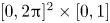
A new approach for constructing polar-like boundary-conforming coordinates inside a toroid with strongly shaped cross-sections is presented. A coordinate mapping is obtained through a variational approach, which involves identifying extremal points of a proposed action in the mapping space from $[0, 2{\rm \pi} ]^2 \times [0, 1]$ to a toroidal domain in $\mathbb {R}^3$. This approach employs an action built on the squared Jacobian and radial length. Extensive testing is conducted on general toroidal boundaries using a global Fourier–Zernike basis via action minimisation. The results demonstrate successful coordinate construction capable of accurately describing strongly shaped toroidal domains. The coordinate construction is successfully applied to the computation of three-dimensional magnetohydrodynamic equilibria in the GVEC code where the use of traditional coordinate construction by interpolation from the boundary failed.
Emerging evidence suggests a potential association between “leaky gut syndrome” and low-grade systemic inflammation in individuals with psychiatric disorders, such as schizophrenia. Gut dysbiosis could increase intestinal permeability, allowing the passage of toxins and bacteria into the systemic circulation, subsequently triggering immune-reactive responses. This study delves into understanding the relationship between plasma markers of intestinal permeability and symptom severity in schizophrenia. Furthermore, the influence of lifestyle habits on these intestinal permeability markers was determined.
Methods
Biomarkers of intestinal permeability, namely lipopolysaccharide-binding protein (LBP), lipopolysaccharides (LPS), and intestinal fatty acid binding protein (I-FABP), were analyzed in 242 adult schizophrenia patients enrolled in an observational, cross-sectional, multicenter study from four centers in Spain (PI17/00246). Sociodemographic and clinical data were collected, including psychoactive drug use, lifestyle habits, the Positive and Negative Syndrome Scale to evaluate schizophrenia symptom severity, and the Screen for Cognitive Impairment in Psychiatry to assess cognitive performance.
Results
Results revealed elevated levels of LBP and LPS in a significant proportion of patients with schizophrenia (62% and 25.6%, respectively). However, no statistically significant correlation was observed between these biomarkers and the overall clinical severity of psychotic symptoms or cognitive performance, once confounding variables were controlled for. Interestingly, adherence to a Mediterranean diet was negatively correlated with I-FABP levels (beta = −0.186, t = −2.325, p = 0.021), suggesting a potential positive influence on intestinal barrier function.
Conclusions
These findings underscore the importance of addressing dietary habits and promoting a healthy lifestyle in individuals with schizophrenia, with potential implications for both physical and psychopathological aspects of the disorder.
Separation-related behaviours (SRBs) in dogs (Canis familiaris) often indicate poor welfare. Understanding SRB risk factors can aid prevention strategies. We investigated whether early-life experiences and dog-owner interactions affect SRB development. Using a longitudinal study, we conducted exploratory analyses of associations between potential risk factors and SRB occurrence in six month old puppies (n = 145). Dogs were less likely to develop SRBs if owners reported that, at ≤ 16 weeks old, puppies were restricted to crates/rooms overnight and had ≥ 9 h of sleep per night. Puppies with poor house-training at ≤ 16 weeks were more likely to show SRBs, as were those trained using dog treats or novel kibble versus other rewards. Puppies whose owners used more punishment/aversive techniques when responding to ‘bad’ behaviour had increased odds of SRBs at six months versus other puppies. Puppies whose owners reported ‘fussing’ over their dogs at six months in response to ‘bad’ behaviour upon their return, versus those whose owners responded in other ways, were six times more likely to display SRBs. Other factors, including dog breed, sex and source, showed no significant association with SRB occurrence. Thus, SRB development might be prevented by enabling sleep for ≥ 9 h in early life, providing enclosed space overnight, refraining from aversive training of puppies generally, and avoiding fussing over puppies in response to unwanted behaviour following separation. These recommendations derive from correlational longitudinal study results, so analysis of interventional data is required for confirmation regarding effective prevention strategies.
To evaluate the design of I-Corps@NCATS as a translational scientist training program, we mapped specific elements of the program’s content and pedagogy to the characteristics of a translational scientist, as first defined by Gilliland et al. []: systems thinker, process innovator, boundary spanner, team player, and skilled communicator. Using a mixed-methods evaluation, we examined how the I-Corps@NCATS training program, delivered across twenty-two Clinical and Translational Science Award Hubs, impacted the development of these key translational scientist characteristics.
Methods:
We developed survey items to assess the characteristics of systems thinker, process innovator, boundary spanner, team player, and skilled communicator. Data were collected from a national sample of 281 participants in the I-Corps@NCATS program. Using post-then-retrospective-pre survey items, participants self-reported their ability to perform skills associated with each of the translational scientist characteristics. Additionally, two open-ended survey questions explored how the program shifted participants’ translational orientation, generating 211 comments. These comments were coded through a team-based, iterative process.
Results:
Respondents reported the greatest increases in self-assessed abilities related to systems thinking and skilled communication. Participants indicated the highest levels of abilities related to team player and boundary crosser. From the coding of open-ended comments, we identified two additional characteristics of translational scientists: intellectual humility and cognitive flexibility.
Conclusions:
Participation in I-Corps@NCATS accelerates translational science in two ways: 1) by teaching the process of scientific translation from research ideas to real-world solutions, and 2) by encouraging growth in the mindset and characteristics of a translational scientist.
The TRiC/CCT complex assists in the folding of approximately 10% of cytosolic proteins through an ATP-driven conformational cycle, playing a crucial role in maintaining protein homeostasis. Despite our understanding of ATP-driven TRiC ring closing and substrate folding, the process and mechanisms underlying TRiC ring-opening and substrate release remain largely unexplored. In this study, by determining an ensemble of cryo-EM structures of yeast TRiC in the presence of ADP, including three intermediate transition states, we present a comprehensive picture of the TRiC ring-opening process. During this process, CCT3 detects the loss of γ-phosphate and initiates with the dynamics of its apical protrusion, and expands to the outward leaning of the consecutive CCT6/8/7/5 subunits. This is followed by significant movements of CCT2, CCT4, and especially CCT1 subunits, resulting in the opening of the TRiC rings. We also observed an unforeseen temporary separation between the two rings in the CCT2 side, coordinating the release of the originally locked CCT4 N-terminus, which potentially participates in the ring-opening process. Collectively, our study reveals a stepwise TRiC ring-opening mechanism, provides a comprehensive view of the TRiC conformational landscape, and sheds lights on its subunit specificity in sensing nucleotide status and substrate release. Our findings deepen our understanding of protein folding assisted by TRiC and may inspire new strategies for the diagnosis and treatment of related diseases.
