To save content items to your account,
please confirm that you agree to abide by our usage policies.
If this is the first time you use this feature, you will be asked to authorise Cambridge Core to connect with your account.
Find out more about saving content to .
To save content items to your Kindle, first ensure no-reply@cambridge.org
is added to your Approved Personal Document E-mail List under your Personal Document Settings
on the Manage Your Content and Devices page of your Amazon account. Then enter the ‘name’ part
of your Kindle email address below.
Find out more about saving to your Kindle.
Note you can select to save to either the @free.kindle.com or @kindle.com variations.
‘@free.kindle.com’ emails are free but can only be saved to your device when it is connected to wi-fi.
‘@kindle.com’ emails can be delivered even when you are not connected to wi-fi, but note that service fees apply.
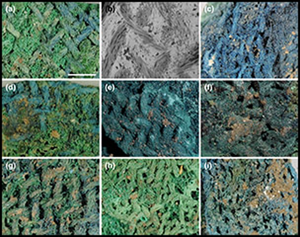
Looting and plough damage to the eighth–fifth centuries BC tumulus of Creney-le-Paradis, France, hinders interpretation of this potentially significant site. Nevertheless, application of novel microtomographic techniques in combination with optical and scanning electron microscopy allows the first detailed examination of 99 textile fragments recovered from the central pit. The authors argue that the diversity of textiles revealed—at least 16 different items—and the quality of weaving involved confirm earlier interpretations of the high status of this burial, which is comparable, at least in terms of textiles and metal urns, with other ‘aristocratic’ tombs of the European Iron Age.
The Maghreb (north-west Africa) played an important role during the Palaeolithic and later in connecting the western Mediterranean from the Phoenician to Islamic periods. Yet, knowledge of its later prehistory is limited, particularly between c. 4000 and 1000 BC. Here, the authors present the first results of investigations at Oued Beht, Morocco, revealing a hitherto unknown farming society dated to c. 3400–2900 BC. This is currently the earliest and largest agricultural complex in Africa beyond the Nile corridor. Pottery and lithics, together with numerous pits, point to a community that brings the Maghreb into dialogue with contemporaneous wider western Mediterranean developments.
Governments across the Global South have decentralized a degree of power to municipal authorities. Are local officials sufficiently knowledgeable about how to execute their expanded portfolio of responsibilities? Past studies have focused on whether citizens lack the requisite information to hold local officials accountable. We instead draw on extensive fieldwork and a novel survey of small-town politicians in India to show that local officials themselves have distressingly low levels of procedural knowledge on how to govern. We further show that procedural knowledge shapes the capabilities of officials to represent their constituents and that asymmetries in knowledge may blunt the representative potential of these bodies. Finally, we show that winning office does not provide an institutionalized pathway to knowledge acquisition, highlighting the need for policy-based solutions. Our findings demonstrate the importance of assessing knowledge deficits among politicians, and not only citizens, to make local governance work.
Applications of moral foundations theory in political science have revealed differences in the degree to which liberals and conservatives explicitly endorse five core moral foundations of care, fairness, authority, loyalty, and sanctity. We argue that differences between liberals and conservatives in their explicit ratings of abstract and generalized moral principles do not imply that citizens with different political orientations have fundamentally different moral intuitions. We introduce a new approach for measuring the importance of the five moral foundations by asking U.K. and U.S. survey respondents to compare pairs of vignettes describing violations relevant to each foundation. We analyze responses to these comparisons using a hierarchical Bradley–Terry model which allows us to evaluate the relative importance of each foundation to individuals with different political perspectives. Our results suggest that, despite prominent claims to the contrary, voters on the left and the right of politics share broadly similar moral intuitions.
Recent research suggests that a strong identity attachment to leisure activity affects the hobbyists’ political preferences and behavior. This paper further evaluates the claim that hobbyists – in this case, gamers – react differently to political stimuli that directly involve their hobby of choice. Using original survey experiment data, this paper shows that gamers become more interested in foreign trade policy when presented in the context of video games. This finding indicates that even seemingly apolitical identities matter in framing political behavior. Aspects of hobbyist identities seep into political attitudes, even if preferences in the strictest meaning of the word may take longer to form.
Measurement is the weak link between theory and empirical test. Complex concepts such as ideology, identity, and legitimacy are difficult to measure; yet, without measurement that matches theoretical constructs, careful empirical studies may not be testing that which they had intended. Item response theory (IRT) models offer promise by producing transparent and improvable measures of latent factors thought to underlie behavior. Unfortunately, those factors have no intrinsic substantive interpretations. Prior solutions to the substantive interpretation problem require exogenous information about the units, such as legislators or survey respondents, which make up the data; limit analysis to one latent factor; and/or are difficult to generalize. We propose and validate a solution, IRT-M, that produces multiple, potentially correlated, generalizable, latent dimensions, each with substantive meaning that the analyst specifies before analysis to match theoretical concepts. We offer an R package and step-by-step instructions in its use, via an application to survey data.
Patients prescribed clozapine are increasingly living into old age. However, there is a lack of studies to guide prescribing in this age group. We sought to identify all clozapine patients in Hertfordshire Partnership NHS Foundation Trust over a 5-year period and review side-effect burden and co-prescribing in all patients aged over 65 years.
Results
We identified 69 patients. The majority (61%) were stable in terms of mental state; 94% of cases had experienced a side-effect within the past year, with constipation occurring most commonly (65% of cases).
Clinical implications
Our findings reveal a significant side-effect burden, particularly in relation to constipation. Clozapine-induced gastrointestinal hypomotility (CIGH) can be fatal; however, increasing age has not been a recognised risk factor for constipation in clozapine patients to date. This raises questions about increasing risk to physical health as patients age and adds to concerns about the lack of monitoring for CIGH.
Education is widely believed to predict attitudes toward immigration, but what causal relationship underlies this descriptive pattern? This research employs three distinct natural experiments and considers genetic factors to triangulate this relationship: Study 1 analyses discordant monozygotic twins; Study 2 assesses the impact of a Swedish education reform; and Study 3 analyses dizygotic twins with the use of a polygenic index for education, a DNA-based measure for genetic predispositions toward education. The results indicate that education does modestly promote open views toward immigration (Study 1), yet the reform’s effect remains uncertain (Study 2). Study 3 offers direct evidence of the effects of genetic predispositions and suggests that genetics related to education may influence attitudes beyond achieved educational attainment. These findings confirm the positive impact of education while pointing to the combined influence of genetic and social pathways in shaping immigration attitudes.
In this paper, we explore the applications of Tail Variance (TV) as a measure of tail riskiness and the confidence level of using Tail Conditional Expectation (TCE)-based risk capital. While TCE measures the expected loss of a risk that exceeds a certain threshold, TV measures the variability of risk along its tails. We first derive analytical formulas of TV and TCE for a large variety of probability distributions. These formulas are useful instruments for relevant research works on tail risk measures. We then propose a distribution-free approach utilizing TV to estimate the lower bounds of the confidence level of using TCE-based risk capital. In doing so, we introduce sharpened conditional probability inequalities, which halve the bounds of conventional Markov and Cantelli inequalities. Such an approach is easy to implement. We further investigate the characterization of tail risks by TV through an exploration of TV’s asymptotics. A distribution-free limit formula is derived for the asymptotics of TV. To further investigate the asymptotic properties, we consider two broad distribution families defined on tails, namely, the polynomial-tailed distributions and the exponential-tailed distributions. The two distribution families are found to exhibit an asymptotic equivalence between TV and the reciprocal square of the hazard rate. We also establish asymptotic relationships between TCE and VaR for the two families. Our asymptotic analysis contributes to the existing research by unifying the asymptotic expressions and the convergence rate of TV for Student-t distributions, exponential distributions, and normal distributions, which complements the discussion on the convergence rate of univariate cases in [28]. To show the usefulness of our results, we present two case studies based on real data from the industry. We first show how to use conditional inequalities to assess the confidence of using TCE-based risk capital for different types of insurance businesses. Then, for financial data, we provide alternative evidence for the relationship between the data frequency and the tail categorization by the asymptotics of TV.
What shapes voter perceptions of election outcomes? Recent disputes in Malawi and Kenya highlight the vulnerability of local vote counts to accusations of malfeasance, which often generate negative public perceptions of vote reliability. Election monitoring in these countries is thought to crucially affect both the quality of the election and voters’ perceptions of the same. To date, most research on this topic has focused on the effect of non-partisan electoral observers. However, in many countries, two other interest groups also monitor the vote-counting process: political party agents and government election officials. Does the presence of these actors also affect voter perceptions of election integrity? To answer this question, I conducted a conjoint experiment in Malawi and Kenya in which voters evaluate the reliability of vote counts from hypothetical polling stations where the presence of party agents, non-partisan observers, and election officials is varied. I find that the presence of each of these groups does indeed shape voter perceptions: voters are more likely to view vote counts as reliable when they are co-signed by a party agent, election official, or non-partisan observer. Further, these preferences persist regardless of the voters’ own party affiliation or trust in electoral institutions.
Anxiety disorders are a major public health burden with limited treatment options.
Aims
We investigated the long-term safety and efficacy of lysergic acid diethylamide (LSD)-assisted therapy in patients with anxiety with or without life-threatening illness.
Method
This study was an a priori-planned long-term follow-up of an investigator-initiated, two-centre trial that used a double-blind, placebo-controlled, two-period, random-order, crossover design with two sessions with either oral LSD (200 μg) or placebo per period. Participants (n = 39) were followed up 1 year after the end-of-study visit to assess symptoms of anxiety, depression and long-term effects of psychedelics using Spielberger's State-Trait Anxiety Inventory–Global (STAI-G), the Beck Depression Inventory (BDI), the Persisting Effects Questionnaire and measures of personality traits using the NEO-Five-Factor Inventory.
Results
Participants reported a sustained reduction of STAI-G scores compared with baseline (least square means (95% CI) = −21.6 (−32.7, −10.4), d = 1.04, P < 0.001, for those who received LSD in the first period (94 weeks after the last LSD treatment) and −16.5 (−26.2, −6.8), d = 1.02, P < 0.05, for those who received LSD in the second period (68 weeks after the last LSD treatment)). Similar effects were observed for comorbid depression with change from baseline BDI scores of −8.1 (−13.2, −3.1), d = 0.71, P < 0.01, and −8.9 (−12.9, −4.9), d = 1.21, P < 0.01, for the LSD-first and placebo-first groups, respectively. Personality trait neuroticism decreased (P < 0.0001) and trait extraversion increased (P < 0.01) compared with study inclusion. Individuals attributed positive long-term effects to the psychedelic experience.
Conclusions
Patients reported sustained long-term effects of LSD-assisted therapy for anxiety.
Cocoa-derived flavanols (CDF) may act as prebiotics. However, evidence is inconsistent, and the duration and dose of CDF intake needed to elicit any prebiotic effect are undefined. This randomized, double-blind, crossover study determined the effects of short-term, high-dose dietary supplementation with CDF versus matched placebo on gut microbiota composition in 8 healthy adults. A single faecal sample was collected 8 d after supplementation with 900 mg/d CDF or placebo. Gut microbiota composition and Bifidobacterium spp. and Lactobacillus spp. abundance were measured as secondary outcomes by 16S ribosomal ribonucleic acid (rRNA) amplicon sequencing and quantitative polymerase chain reaction, respectively. No between-treatment differences in the relative or absolute abundance of Bifidobacterium spp. (Cohen’s d = 0.89, P = 0.22) or Lactobacillus spp. (Cohen’s d = 0.42, P = 0.65) were detected. Shannon diversity (Cohen’s d = 0.38, P = 0.04) and overall community richness (Cohen’s d = 0.34, P = 0.06) were lower following CDF supplementation versus placebo, but no between-treatment differences in β-diversity or taxa relative abundances were observed. Findings are not consistent with a clear prebiotic effect of this short-term, high-dose CDF supplementation strategy relative to placebo.
Community treatment orders (CTOs) have been introduced in many jurisdictions with evidence of increasing use over time as well as a disproportionate use in marginalised populations. Rates of CTOs also vary widely, both internationally and within the same country, for reasons that are poorly understood. This is despite evidence for effectiveness being mixed and, as a result, there have been calls for a reappraisal of this type of legislation. In the UK, a parliamentary committee on reforming the existing Mental Health Act recommended abolishing CTOs other than for people in the criminal justice system. Two recent Australian papers based on large state-wide administrative data-sets give conflicting results and came to markedly different conclusions regarding the desirability of reducing CTO rates. The debate about the effectiveness of CTOs therefore remains unresolved. This is of concern beyond Australia, as other jurisdictions such as England, Scotland and Canada have similar clinician-initiated orders.
Persistent gender inequalities in internal political efficacy have traditionally been attributed to gender differences in resources. This article complements the resource model by focusing on how gendered political socialization occurs during citizenship education and how citizenship education might mitigate, reproduce, or intensify inequalities. Based on multilevel models on a 2016 survey dataset (3898 students across 150 schools) of Belgian senior high school students, we show that citizenship education increases internal political efficacy for both male and female students. However, we also find that citizenship education intensifies inequalities since male students gain more from it than female students, especially in schools with a conservative gender role culture. Our results indicate that the influence of citizenship education depends on the gendered school context in which it is offered. In this respect, citizenship education risks intensifying rather than mitigating gender inequalities.
We investigated how environmental conditions translate into reproductive success or failure in Aurelia aurita from the medusa to the polyp life stage. This study examined how: (i) settlement success and development of planula larvae and polyps vary across the year, (ii) the role of temperature in determining the successful settlement of larvae and growth of polyps, and (iii) the influence of maternal provisioning in the successful settlement of larvae and growth of polyps. Medusae were collected monthly from February to December 2019 from Horsea Lake, UK. Planula larvae were settled in conditions mimicking the in situ temperature and salinity of collection. For the individual treatments, planula collected in August settled most rapidly. Early development rates (<8 tentacles) were significantly higher than later growth rates (>8 tentacles) and were positively correlated with temperature, unlike later growth rates. Planula length, used as an indicator of maternal provisioning, varied significantly across the year. In July 2019, a high temperature anomaly coincided with an increased time spent by planula larvae in the water column. Increasing temperatures past thermal limits through the increasing occurrence of temperature anomalies is likely to be detrimental to larval settlement and indirectly to the replenishment of temperate polyp populations.
Maternal knowledge and attitudes towards nutrition are essential for achieving healthy dietary behaviours for a positive pregnancy outcome. Therefore, this study aimed to assess the level and determinants of knowledge and attitudes towards nutrition among pregnant women in the Minjar Shenkora district, Ethiopia. Institution-based cross-sectional study was conducted between June and August 2021 among 334 pregnant women who were selected using a systematic random sampling technique. Data were collected using a semi-structured questionnaire and analysed using SPSS version 21. Bivariate and multivariate logistic regression analyses were used to identify the determinants of nutritional knowledge and attitudes. P < 0.05, with a 95% CI was used to declare statistical significance. Overall, 69.2% and 44.0% of the pregnant women were not knowledgeable and had an unfavourable attitude toward nutrition, respectively. The educational status of pregnant women (P < 0.01) and access to nutritional information (P < 0.01) were significantly associated with nutritional knowledge, while the educational status of pregnant women (P < 0.01) was associated with nutritional attitude. Respondents’ knowledge of and attitudes toward nutrition were low. Pregnant women’s educational levels and access to nutritional information are strongly related to their nutritional knowledge. Likewise, the educational status of the pregnant women was significantly associated with their nutritional attitudes. Therefore, education and counselling on maternal nutrition are needed to improve healthy maternal nutrition tips in the study area.
Previous research showed that behavioural activation is as effective as cognitive–behavioural therapy for general depression. However, it remains unclear if it leads to greater improvement in depressive symptoms when compared with standard treatment for post-stroke depression.
Aims
To compare the effectiveness of behavioural activation against control conditions in reducing depression symptoms in individuals with post-stroke depression.
Method
This review searched five databases from inception until 13 July 2021 (updated 15 September 2023) for randomised controlled trials comparing behavioural activation and any control conditions for post-stroke depression. Risk of bias was assessed with the Cochrane Collaboration's Risk-of-Bias 2 tool. The primary outcome was improvement in depressive symptoms in individuals with post-stroke depression. We calculated a random-effects, inverse variance weighting meta-analysis.
Results
Of 922 initial studies, five randomised controlled trials with 425 participants met the inclusion criteria. Meta-analysis showed that behavioural activation was associated with reduced depressive symptoms in individuals with post-stroke depression at 6-month follow-up (Hedges’ g −0.39; 95% CI −0.64 to −0.14). The risk of bias was low for two (40%) of five trials, and the remaining three (60%) trials were rated as having a high risk of bias. Heterogeneity was low, with no indication of inconsistency.
Conclusions
Evidence from this review was too little to confirm the effectiveness of behavioural activation as a useful treatment for post-stroke depression when compared with control conditions. Further high-quality studies are needed to conclusively establish the efficacy of behavioural activation as a treatment option for post-stroke depression.
To better understand factors supporting young people's (age <18 years) mental health during pandemic-type conditions, we aimed to identify whether coping strategies adopted during the COVID-19 pandemic could be dichotomised according to manifesting positive or negative psychological outcomes. Medline, EMBASE, CINAHL, PsycINFO, Scopus and ASSIA databases were used to identify empirical studies that examined coping strategies used by young people experiencing psychological challenges during COVID-19.
Results
Twenty-five international studies were included, identifying that coping strategies adopted could be significantly dichotomised according to reducing or exacerbating psychological challenges. Positive coping strategies were proactive and solutions-oriented, whereas negative coping strategies were more avoidant and emotion-oriented.
Clinical implications
An internal locus of control may account for why adolescents exercised more proactive coping compared with their younger counterparts, although parents of younger children may offset the impact of stressors by drawing on a proposed coping framework emphasising proactivity and engagement. This would be an invaluable addition to future pandemic preparedness planning cycles.