To save content items to your account,
please confirm that you agree to abide by our usage policies.
If this is the first time you use this feature, you will be asked to authorise Cambridge Core to connect with your account.
Find out more about saving content to .
To save content items to your Kindle, first ensure no-reply@cambridge.org
is added to your Approved Personal Document E-mail List under your Personal Document Settings
on the Manage Your Content and Devices page of your Amazon account. Then enter the ‘name’ part
of your Kindle email address below.
Find out more about saving to your Kindle.
Note you can select to save to either the @free.kindle.com or @kindle.com variations.
‘@free.kindle.com’ emails are free but can only be saved to your device when it is connected to wi-fi.
‘@kindle.com’ emails can be delivered even when you are not connected to wi-fi, but note that service fees apply.
Laueite/stewartite epitaxy was studied using single-crystal diffraction applied to a composite crystal from Hagendorf-Süd, Bavaria. The orientation relationships between the crystals of the two minerals was facilitated by using a non-conventional B$\bar {1}$ space group setting for stewartite, giving unit cells with parallel axes and with as = 2al, bs = bl and cs = 2cl. Face indexing of the crystals of the two minerals confirmed the epitaxial relationship, with the {100} and {010} faces parallel. The plane of epitaxy is {010}. Refinement of laueite and stewartite datasets extracted from the composite-crystal data collection showed a significant decrease in the mean Mn-site bond distances in laueite, consistent with chemical analyses of the crystals that gave site compositions of Mn0.92Fe3+0.08 for stewartite and Mn0.66Mg0.17Fe3+0.17 for laueite. The epitaxial growth of laueite on {010} planes of stewartite appears to have been initiated by a change in solution chemistry. Possible paragenesis of the secondary phosphate minerals from primary triphylite is discussed.
The presence of pesticide residues in food products, particularly milk, poses significant public health risks, especially in developing regions where agricultural practices often involve extensive pesticide use. This study aimed to assess the levels of pesticide contamination in milk collected from agro-pastoral cattle settlements in Niger State, Nigeria, and evaluate the associated health risks for both children and adults. Milk samples were systematically collected and analyzed using Gas Chromatography-Mass Spectrometry (GC-MS) to detect and quantify the concentrations of various pesticides, including organophosphates, organochlorines, and herbicides. The detected pesticides included Dichlorvos, β-Hexachlorocyclohexane, Malathion, DDT, and Dieldrin, among others, with Dichlorvos and β-Hexachlorocyclohexane showing the highest concentrations. Using the Estimated Daily Intake (EDI) model, we calculated the potential health risks associated with the consumption of contaminated milk for different age groups. The results indicated that children were particularly at risk, with EDI values exceeding the Acceptable Daily Intake (ADI) for certain pesticides, such as Dieldrin, leading to a risk ratio of 1.288. In contrast, adults showed a lower risk, with EDI values generally within safe limits. The findings underscore the urgent need for stricter pesticide regulation, enhanced monitoring of pesticide residues in livestock products, and the adoption of sustainable agricultural practices such as Integrated Pest Management (IPM) to mitigate the public health risks. This study highlights the vulnerability of children to pesticide exposure through dairy consumption and calls for immediate intervention to safeguard food safety and protect public health.
The last half of the previous century has seen an explosion in publications on biocrusts, communities of eukaryotic and prokaryotic organisms inhabiting the uppermost surface of predominantly dryland soils. Much of the early work emanated from the western United States, yet there have been few attempts to document the breadth of this work and its contribution to our understanding of the ecosystem roles of biocrusts. We used a structured literature search to extract the 868 publications on biocrusts published between January 1900 and July 2024, and explored the trends in publications in 12 subject areas over that time. We found that almost half of the 868 publications focussed on the ecological and physiological effects of biocrusts and that more recent research explored emerging fields such as restoration, monitoring and climate change impacts. Five authors comprised about 10% of all authors on these publications, and 5.5% of publications had 10 or more authors. The number of authors per publication tended to increase over time. We identified three main periods of research ranging from basic ecology and exploration of ecological mechanisms pre-2000 to biocrust function, physiology and climatic drivers up to 2020. The post-2020 period was characterized by a greater emphasis on molecular approaches, restoration and climate change impacts. Our literature review identifies knowledge gaps associated with the need for more trained taxonomists, and greater education on biocrust ecology and function. Potential developments in biocrust research include a greater use and recognition of biocrust species traits, the establishment of a dedicated international biocrust society, and the development of a global research and monitoring network to coordinate methods and provide a framework to answer critical knowledge gaps.
The evolution of mammalian innovations like elevated growth rates, endothermy, and live birth has been the subject of paleobiological work for decades. Bone histology provides one of the best lines of evidence for assessing growth rates and life-history traits in the fossil record. However, little ontogenetic information is available for nonmammalian cynodonts, the stock lineage that eventually gave rise to mammals. Here, I report the bone histology of two traversodontid cynodonts from the Triassic Manda Formation of Tanzania. Using two femoral size series, I correlate bone tissue composition and limb size in Scalenodon angustifrons and Luangwa drysdalli. Fifteen individuals were analyzed from seven penecontemporaneous localities to assess intraspecific histovariation within traversodontid ontogenetic development for the first time. My results show that Scalenodon and Luangwa have disparate life histories despite being similarly sized contemporaries. Luangwa is characterized by parallel-fibered bone that transitions to woven-parallel bone early in ontogeny, interpreted as a growth spurt. This increase in growth rate is seen in small- and middle-sized individuals but is resorbed and remodeled in the largest, skeletally mature individual. By contrast, Scalenodon is characterized by woven-parallel tissue in early ontogeny. However, femur size is not correlated with changes in bone tissue composition, as multiple individuals show peripheral slower-growing tissue regardless of size, interpreted as highly developmentally plastic growth. Together, these results demonstrate that coeval members of Traversodontidae show disparate life histories. The underlying mechanisms to explain different life histories in these taxa are likely due to (1) intrinsic differences in growth rates and (2) varying degrees of developmentally flexible growth. The implication of this work is that intraspecific variation in growth dynamics may be more widespread than currently understood in cynodonts and that size is not a good indicator of maturity for some species.
The theory of punctuated equilibria, introduced in paleobiology, postulates enduring morphological stability in species interrupted by rapid phenotypic change at speciation events. It played a pivotal role in evolutionary biology, reshaping perspectives and triggering a conceptual shift by redefining species as discrete and enduring entities, and paving the way for a hierarchical model of the organic world. This hierarchical approach initially faced limited attention but experienced a resurgence in the new millennium. The revived interest in hierarchical models, integrating genomics, computational methodologies, and complex systems sciences, has provided a more comprehensive theoretical foundation for understanding biological evolution. This resurgence has fueled empirical studies across various disciplines, from genomics to paleobiology, offering a potential unifying theory within the biological sciences.
This paper posits the efficacy of the hierarchy theory of biology as a comprehensive, unifying framework for understanding the organic world. Despite its generality, the theory remains agnostic to specific mechanisms, allowing flexibility to accommodate diverse biological models. Through its application to speciation analysis, the hierarchy theory unveils causal processes, identifies entities and interactions, and bridges the economic and genealogical hierarchies. Acknowledging its potential for refinement based on empirical data, the hierarchy theory of biology stands as a paradigm, shaping interdisciplinary exploration and inspiring investigations across disciplines.
We study the dynamics of a thin liquid sheet that flows upwards along the sides of a vertically aligned, impacting plate. Upon impact of the vertical solid plate onto a liquid pool, the liquid film is ejected and subsequently continues to flow over the solid surface while the plate enters the water. With increasing impact velocity, the liquid film is observed to rise up faster and higher. We focus on the time evolution of the liquid film height and the thickness of its upper rim and discuss their dynamics in detail. Similar to findings in previous literature on sheet fragmentation during drop impact, we find the rim thickness to be governed by the local instantaneous capillary number based on gravity and the deceleration of the liquid sheet, showing that the retraction of the rim is primarily due to capillarity. In contrast, for the liquid film height, we demonstrate that the viscous dissipation in the thin boundary layer is the dominant factor for the vertical deceleration of the liquid sheet, by modelling the time evolution of the film height and showing that the influences of capillarity, gravity and deceleration due to the air phase are all negligible compared with the viscous term. Finally, we introduce characteristic viscous time and length scales based on the initial rim thickness and show that the maximum height of the film and the corresponding time can be determined from these viscous scales.
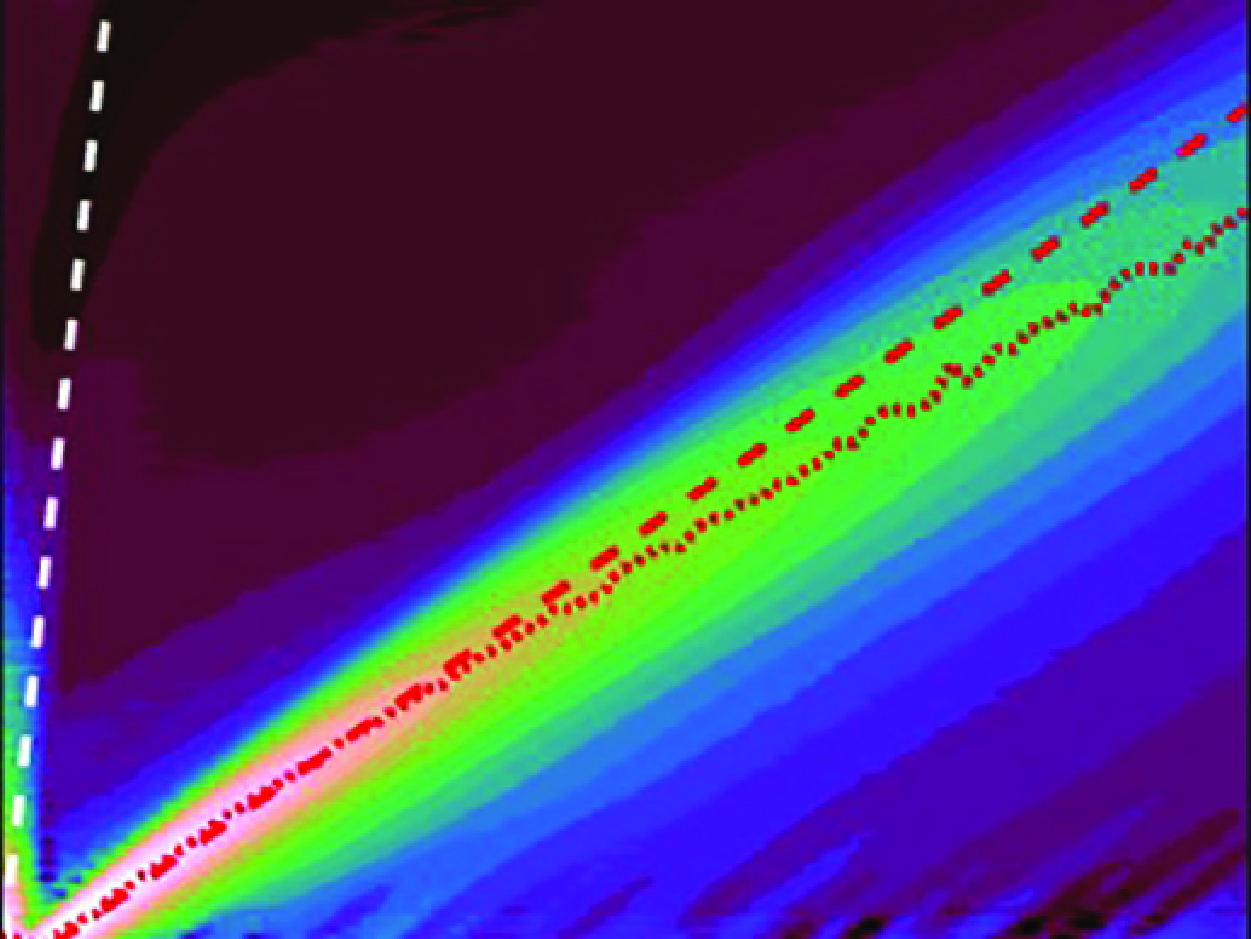
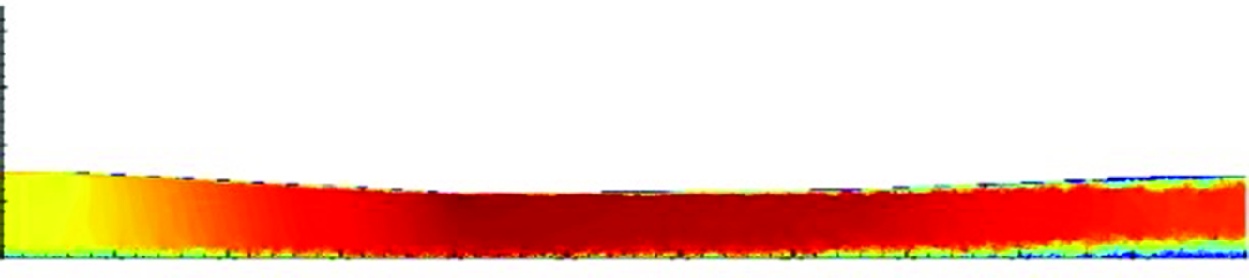
The real-fluid effect induced by large density variation at supercritical pressure (SCP) modulates the turbulent dynamics and heat transfer, and poses challenges to existing turbulence models that are based on ideal-gas conditions. This study conducts direct numerical simulations of fully developed channel flows at SCP, with the upper and lower channel walls being isothermally heated and cooled, respectively. Emphasis is placed on examining the effects of various levels of density variations on near-wall turbulence as well as turbulent heat transfer by changing wall temperatures. The results show that the density fluctuation significantly impacts both first-order and second-order turbulence statistics near the heated wall owing to the close vicinity of pseudo-boiling point. Such real-fluid impact increases substantially with increasing density ratio, and tends to weaken the turbulent kinetic energy by damping turbulence production, while simultaneously inducing an additional turbulent mass flux that partially offsets this reduction. Detailed quadrant analysis reveals that the ‘ejection’ events dominate diverse effects of density fluctuation on Reynolds shear stresses, with density fluctuation contributing positively on the cooled wall side, and negatively on the heated wall side. Regarding the turbulent heat transfer, density fluctuation enhances the enthalpy–pressure–gradient correlation, tending to weaken the turbulent heat flux, which is slightly compensated by additional terms induced by density fluctuations. The overall negative contribution of density fluctuation to turbulent heat flux stems primarily from ‘hot ejection’ motions. Instantaneous flow characteristics provide additional support for these findings. Additionally, the mechanisms by which density fluctuations affect Reynolds shear stress and turbulent heat flux could also be extended to the skin friction coefficient and Nusselt number, respectively.
Active fluids encompass a wide range of non-equilibrium fluids, in which the self-propulsion or rotation of their units can give rise to large-scale spontaneous flows. Despite the diversity of active fluids, they are commonly viscoelastic. Therefore, we develop a hydrodynamic model of isotropic active liquids by accounting for their viscoelasticity. Specifically, we incorporate an active stress term into a general viscoelastic liquid model to study the spontaneous flow states and their transitions in two-dimensional channel, annulus and disk geometries. We have discovered rich spontaneous flow states in a channel as a function of activity and Weissenberg number, including unidirectional flow, travelling-wave and vortex-roll states. The Weissenberg number acts against activity by suppressing the spontaneous flow. In an annulus confinement, we find that a net flow can be generated only if the aspect ratio of the annulus is not too large nor too small, akin to some three-dimensional active-flow phenomena. In a disk geometry, we observe a periodic chirality switching of a single vortex flow, resembling the bacteria-based active fluid experiments. The two phenomena reproduced in our model differ in Weissenberg number and frictional coefficient. As such, our active viscoelastic model offers a unified framework to elucidate diverse active liquids, uncover their connections and highlight the universality of dynamic active-flow patterns.
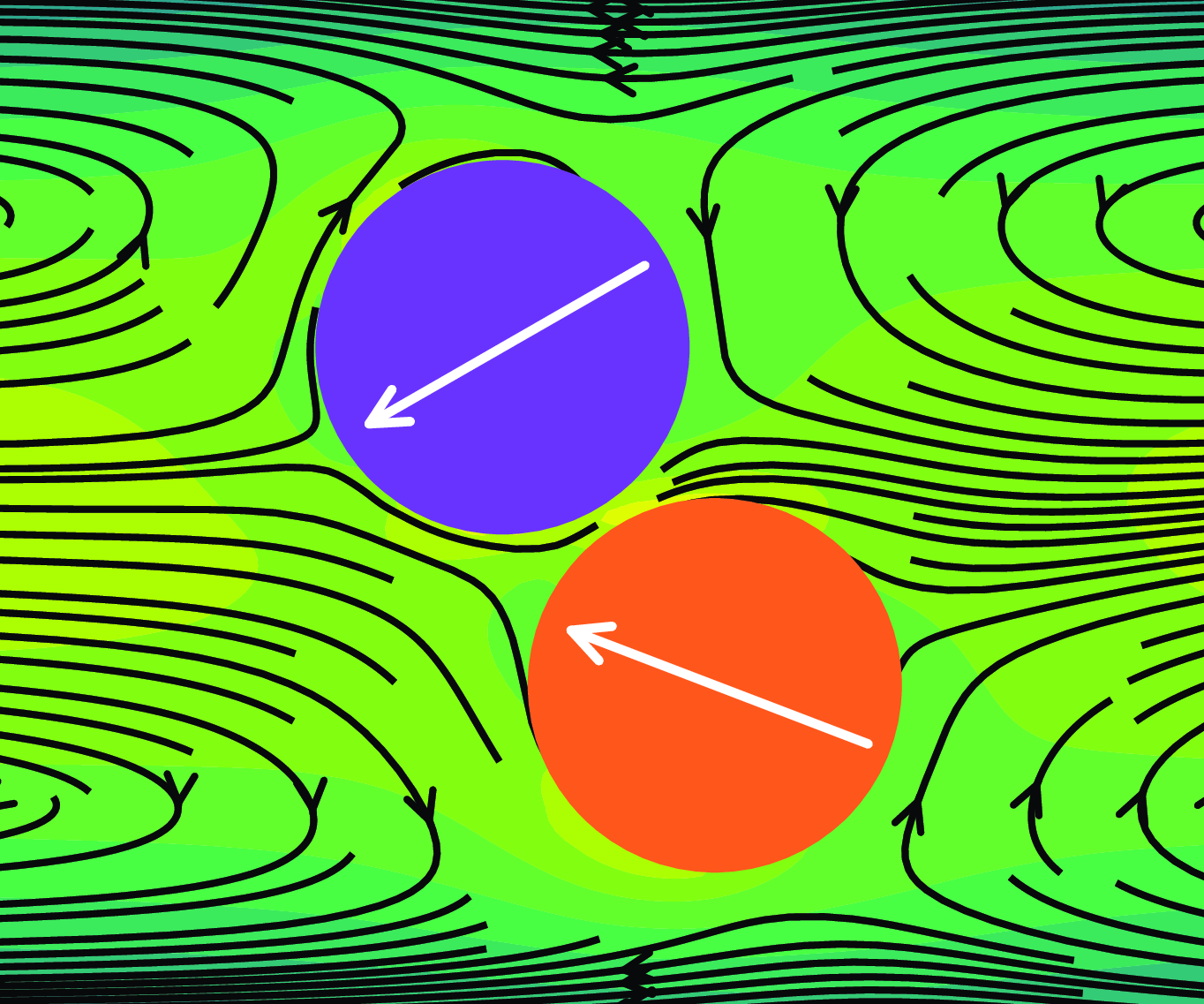
Many particles, whether passive or active, possess elongated shapes. When these particles settle or swim in shear flows, they often form regions of accumulation and depletion. Additionally, the density contrast between the particles and the fluid can further alter the flow by increasing the local suspension density, resulting in a two-way buoyancy–flow coupling mechanism. This study investigates the buoyancy–flow coupled dispersion of active spheroids, examining the effects of elongation, orientation-dependent settling and gyrotaxis in a vertical pipe subjected to either downwards or upwards discharge. While the concentration and velocity profiles of passive settling spheroids and spherical gyrotactic swimmers can be analysed similarly to a recent study, notable differences in dispersion characteristics emerge due to different streamline-crossing mechanisms. For suspensions of elongated swimmers, the interplay between orientation-dependent settling, gyrotaxis-induced accumulation and shear-induced trapping results in distinct concentration and velocity distributions compared to those of neutrally buoyant particles and extremely dilute suspensions with negligible coupling effect. These differences further impact drift velocity, dispersivity, and the time elapsed to steady dispersion under varying flow rates. Interestingly, low-shear trapping of non-settling elongated swimmers around the centreline, commonly observed in planar Poiseuille flow, is absent in the vertical pipe due to the change of confinement from reflectional to rotational symmetry. However, elongated settling swimmers show a non-trivial concentration response to strong downwelling discharge. This phenomenon, linked to the centreline accumulation of passive settling spheroids, bears similarities to low-shear trapping observed in planar Poiseuille flow.
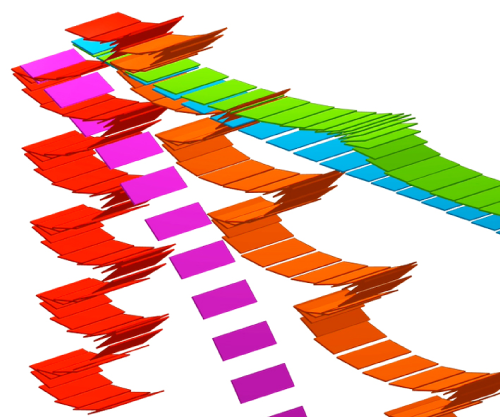
We study the response of a flexible prism with a square cross-section placed in cross-flow through a series of experiments conducted at increasing flow velocities. We show that as the reduced velocity (a dimensionless flow velocity that also depends on the natural frequency of the structure) is increased, the prism undergoes vortex-induced vibration (VIV) in its first mode, which then transitions to VIV in the second mode and then third mode. In these ranges, the shedding frequency is synchronised with the oscillation frequency, and the oscillations are mainly in the transverse (cross-flow – CF) direction. As we keep increasing the reduced velocity, we observe a linear increase in the amplitude of the torsional oscillations of the prism, resembling a torsional galloping. This increase in the torsional oscillations then causes an increase in the amplitudes of the CF and inline (IL) oscillations while the third structural mode is still excited in the CF direction. A transition to oscillations in the fourth structural mode is observed at higher reduced velocities, which reduces the CF and IL amplitudes, while the torsional oscillations reach a plateau. After this plateau is reached in the torsional oscillations, galloping is observed in the CF oscillations of the response, which results in large-amplitude oscillations in both the CF and IL directions. The CF galloping response at these higher reduced velocities is accompanied by a torsional VIV response and the shedding frequency is synchronised with the frequency of the torsional oscillations.
Allanite-(Y), ideally CaY(Al2Fe2+)(Si2O7)(SiO4)O(OH), is a valid species with the type locality in the Åskagen pegmatite, Värmland, Sweden. The mineral occurs as an accessory phase in the blocky zone of the NYF granitic pegmatite near Åskagen, Värmland, Sweden. It forms rims together with iimoriite-(Y), gadolinite-(Y) and allanite-(Nd) around altered crystals of thalénite-(Y). Allanite-(Y) replaced primary thalénite-(Y) during an episode of early post-magmatic hydrothermal activity. Allanite-(Y) forms euhedral crystals with size up to 1 mm, black with a vitreous lustre, conchoidal fracture and greyish brown streak. It has a Mohs hardness of ca. 6, the calculated density of 3.945 g.cm–3 and is biaxial (−) with α = 1.760(3), β = 1.799(2) and γ = 1.784(3) in 589 nm light; pleochroism is weak pale yellowish brown in all directions. Allanite-(Y) has monoclinic symmetry, with the space group P21/m, a = 8.8520(8) Å, b = 5.6959(5) Å, c = 10.0543(9) Å, β = 115.510(2)°, V = 457.52(7) Å3 and Z = 2. Crystal-chemical analysis resulted in the empirical formula: A1(Ca0.900Mn0.090Na0.010)Σ1.000A2(Y0.323Ca0.260Nd0.118Sm0.087Gd0.098Dy0.044Ce0.034Pr0.014Tb0.012Er0.005La0.003Ho0.002Yb0.001)Σ1.001M1(Al0.921Fe2+0.070Ti0.003)Σ0.994M2(Al1.000)M3(Fe2+0.638Fe3+0.262Al0.072Mg0.028)Σ1.000T1(Si1.000)T2(Si1.000)T3(Si1.003)O12.000(OH)1.000.
Allanite-(Y) belongs to the allanite group of the epidote supergroup. The closest end-member compositions of valid allanite group species are allanite-(Ce), allanite-(La) and allanite-(Nd) related via the simple exchange mechanism Y ↔ Ln. The allanite-(Y) origin during metasomatic replacement of the thalénite-(Y) was mainly affected by local system composition and structural constraints rather than Ln+Y fluoride complexation in hydrothermal solution.
The new mineral svornostite-(NH4) (IMA2024-068), (NH4)2Mg(UO2)2(SO4)4(H2O)8, was found in the Blue Lizard mine, San Juan County, Utah, USA, where it occurs as sprays and subparallel groups of yellow blades in a secondary assemblage with ammoniozippeite, blödite, boussingaultite, gypsum, hexahydrite, kröhnkite, plášilite and quartz. The streak is very pale yellow. Crystals are transparent with vitreous lustre. The tenacity is brittle, the Mohs hardness is ∼2½, the fracture is curved. The mineral is soluble in H2O and has a measured density of 3.06(2) g·cm–3. The mineral is optically biaxial (+) with α = 1.560(2), β = 1.564(2), γ = 1.589(2); 2V = 43(1)°; orientation: X = a, Y = b, Z = c; pleochroism: X colourless, Y yellow, Z yellow; X < Y ≈ Z. Electron microprobe analyses provided [(NH4)1.895Na0.065K0.040]Σ2.000(Mg0.755Mn0.252)Σ1.007(U0.996O2)2(S1.002O4)4(H1.998O)8. Svornostite-(NH4) is orthorhombic, Pmn21, a = 13.0259(9), b = 8.2909(4), c = 11.2589(4) Å, V = 1215.92(11) Å3 and Z = 2. The crystal structure (R1 = 0.0243 for 2222 I > 2σI reflections) contains uranyl-sulfate chains that are linked into sheets by MgO2(H2O)4 octahedra and 9- and 10-coordinated NH4+ groups. The sheet has the same topology as the sheets in several synthetic uranyl selenates. Svornostite-(NH4) is a member of the newly established svornostite group, which also includes svornostite-(K), oldsite-(K), rietveldite and zincorietveldite.
Since the publication of the first edition of this highly regarded textbook, the value of data assimilation has become widely recognized across the Earth sciences and beyond. Data assimilation methods are now being applied to many areas of prediction and forecasting, including extreme weather events, wildfires, infectious disease epidemics, and economic modeling. This second edition provides a broad introduction to applications across the Earth systems and coupled Earth–human systems, with an expanded range of topics covering the latest developments of variational, ensemble, and hybrid data assimilation methods. New toy models and intermediate-complexity atmospheric general circulation models provide hands-on engagement with key concepts in numerical weather prediction, data assimilation, and predictability. The inclusion of computational projects, exercises, lecture notes, teaching slides, and sample exams makes this textbook an indispensable and practical resource for advanced undergraduate and graduate students, researchers, and practitioners who work in weather forecasting and climate prediction.
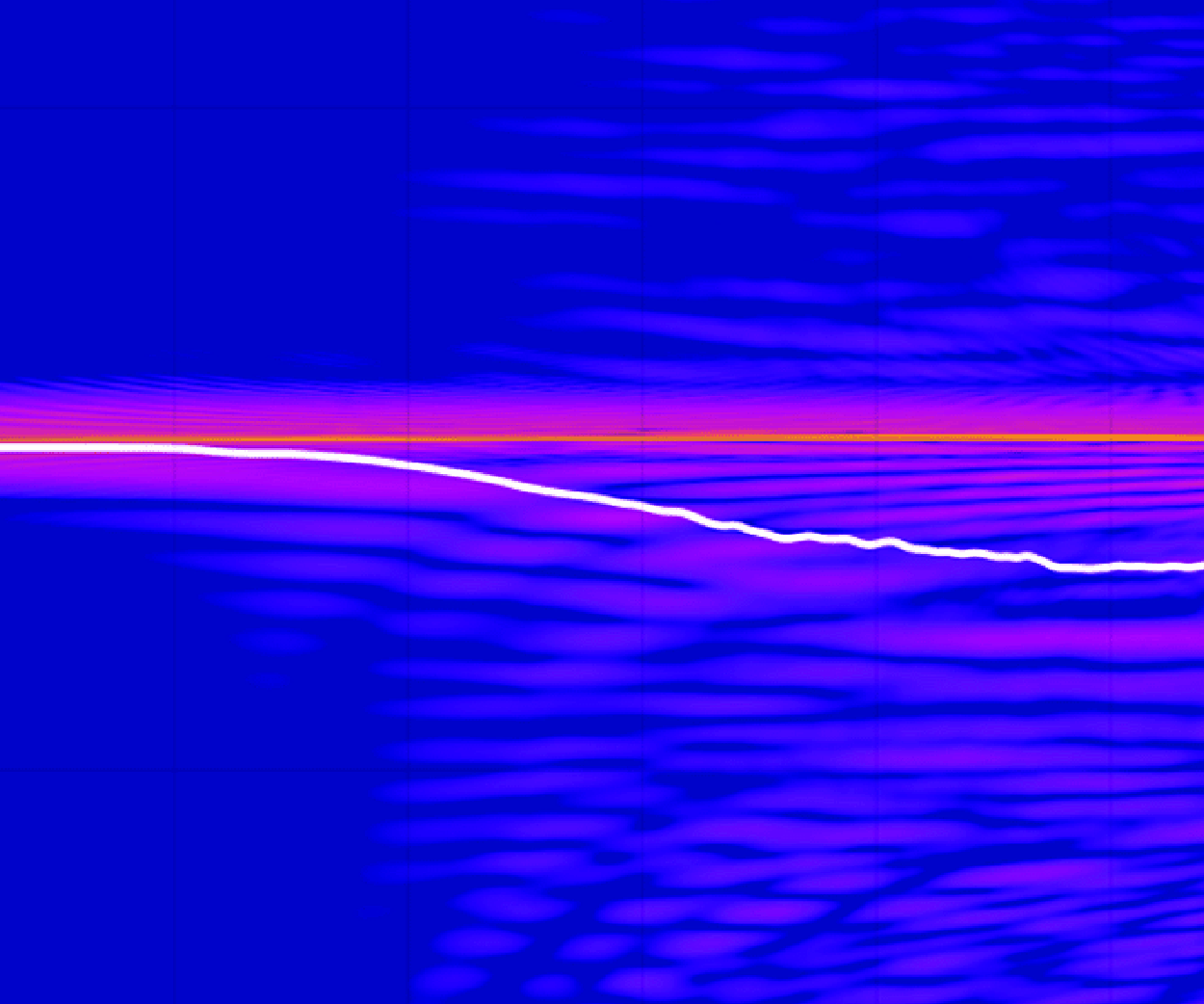
An adaptable estimation technique is presented to reconstruct time-evolving three dimensional (3-D) velocity fields from planar particle image velocimetry measurements. The methodology builds on the multi-time-delay estimation technique of Hosseini et al. (2015) by implementing the finite-impulse-response spectral proper orthogonal decomposition (FIR-SPOD) of Sieber et al. (2016). The candidate flow is the highly modulated turbulent near wake of a cantilevered square cylinder with a height-to-width ratio $h/d=4$, protruding a thin laminar boundary layer ($\delta /d=0.21$ with $\delta$ being the boundary layer thickness) at the Reynolds number $Re=10600$, based on d. The novelty of the estimation technique is in using the modal space obtained by FIR-SPOD to better isolate the spatio-temporal scales for correlating velocity and pressure modes. Using FIR-SPOD, irregular coherent contributions at frequencies centred at $f_{ac1}=(1\pm 0.05)f_s$ and $f_{ac2}=(1\pm 0.1)f_s$ (with $f_s$ the fundamental shedding frequency) could be separated, which was not possible using proper orthogonal decomposition. With the FIR-SPOD bases, the quality of the estimation improved significantly using only linear terms, and the correct phase relationships between pressure and velocity modes are retained, as is required for synchronizing coherent motions along the height of the obstacle. It is shown that a low-dimensional reconstruction of the flow field successfully captures the cycle-to-cycle variations of the dominant 3-D vortex shedding process, which give rise to vortex dislocation events. Thus, the present methodology shows promise in 3-D reconstruction of challenging turbulent flows, which exhibit non-periodic behaviour or contain multi-scale phenomena.
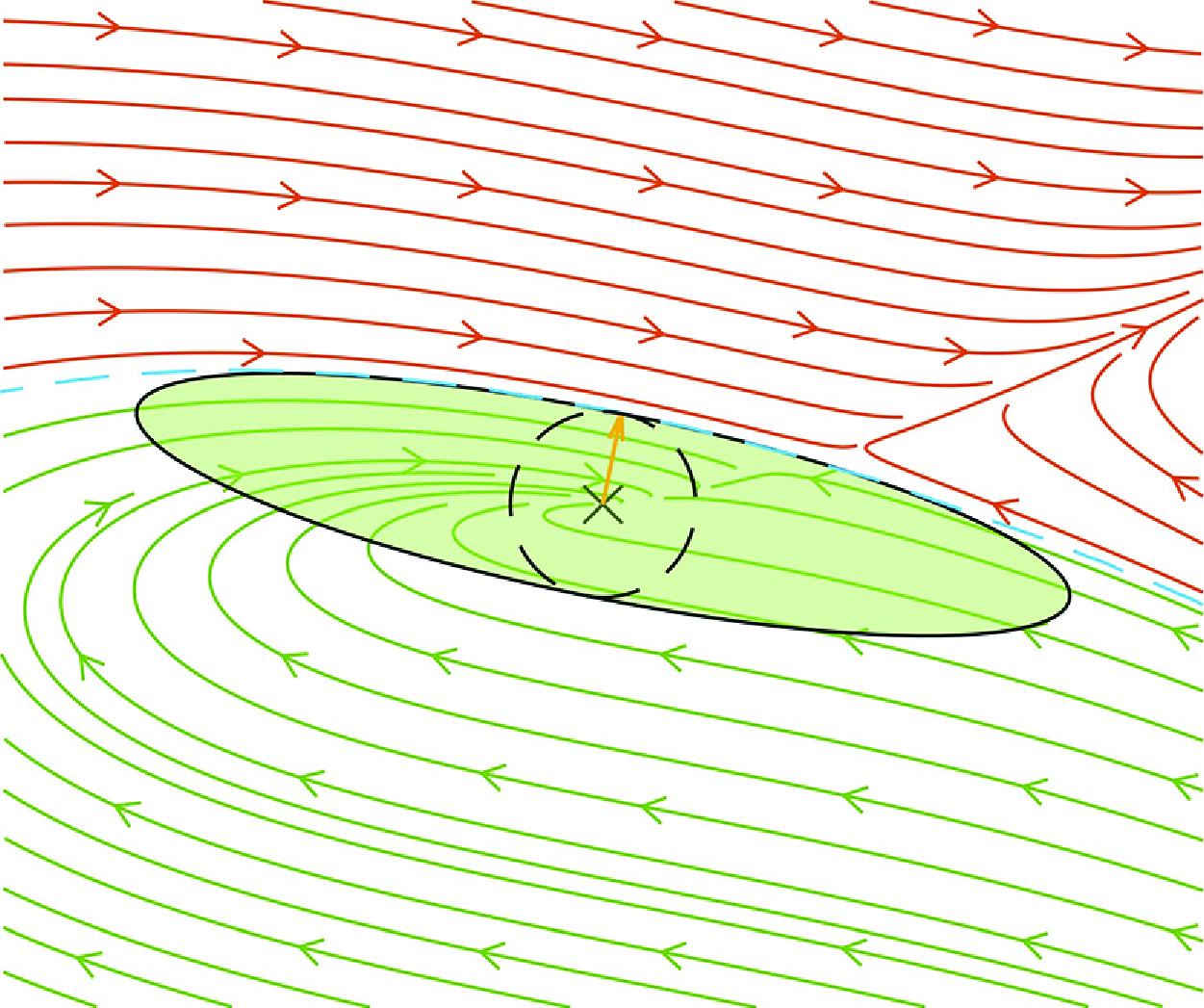
We investigate the sliding dynamics of a millimetre-sized particle trapped in a horizontal soap film. Once released, the particle moves toward the centre of the film in damped oscillations. We study experimentally and model the forces acting on the particle, and evidence the key role of the mass of the film on the shape of the film and particle dynamics. Not only is the gravitational distortion of the film measurable, it completely determines the force responsible for the motion of the particle – the catenoid-like deformation induced by the particle has negligible effect on the dynamics. Surprisingly, this is expected for all film sizes as long as the particle radius remains much smaller than the film width. We also measure the friction force, and show that ambient air and the film contribute almost equally to the friction. The theoretical model that we propose predicts exactly the friction coefficient as long as inertial effects can be neglected in air (for the smallest and slowest particles). The fit between theory and experiments sets an upper boundary $\eta _s \leqslant 10^{-8}$ Pa s m for the surface viscosity, in excellent agreement with recent interfacial microrheology measurements.
The demand for separating and analysing rare target cells is increasing dramatically for vital applications such as cancer treatment and cell-based therapies. However, there remains a grand challenge for high-throughput and label-free segregation of lesion cells with similar sizes. Cancer cells with different invasiveness usually manifest distinct deformability. In this work, we employ a hydrogel microparticle system with similar sizes but varied stiffness to mimic cancer cells and examine in situ their deformation and focusing under microfluidic flow. We first demonstrate the similar focusing behaviour of hydrogel microparticles and cancer cells in confined flow that is dominated by deformability-induced lateral migration. The deformation, orientation and focusing position of hydrogel microparticles in microfluidic flow under different Reynolds numbers are then systematically observed and measured using a high-speed camera. Linear correlations of the Taylor deformation and tilt angle of hydrogel microparticles with the capillary number are revealed, consistent with theoretical predictions. Detailed analysis of the dependence of particle focusing on the flow rate and particle stiffness enables us to identify a linear scaling between the equilibrium focusing position and the major axis of the deformed microparticles, which is uniquely determined by the capillary number. Our findings provide insights into the focusing and dynamics of soft beads, such as cells and hydrogel microparticles, under confined flow, and pave the way for applications including the separation and identification of circulating tumour cells, drug delivery and controlled drug release.
Low-inertia pulsatile flows in highly distensible viscoelastic vessels exist in many biological and engineering systems. However, many existing works focus on inertial pulsatile flows in vessels with small deformations. As such, here we study the dynamics of a viscoelastic tube at large deformation conveying low-Reynolds-number oscillatory flow using a fully coupled fluid–structure interaction computational model. We focus on a detailed study of the effect of wall (solid) viscosity and oscillation frequency on tube deformation, flow rate, phase shift and hysteresis, as well as the underlying flow physics. We find that the general behaviour is dominated by an elastic flow surge during inflation and a squeezing effect during deflation. When increasing the oscillation frequency, the maximum inlet flow rate increases and tube distention decreases, whereas increasing solid viscosity causes both to decrease. As the oscillation frequency approaches either $0$ (quasi-steady inflation cycle) or $\infty$ (steady flow), the behaviours of tubes with different solid viscosities converge. Our results suggest that deformation and flow rate are most affected in the intermediate range of solid viscosity and oscillation frequency. Phase shifts of deformation and flow rate with respect to the imposed pressure are analysed. We predict that the phase shifts vary throughout the oscillation; while the deformation always lags the imposed pressure, the flow rate may either lead or lag depending on the parameter values. As such, the flow rate shows hysteresis behaviour that traces either a clockwise or counterclockwise curve, or a mix of both, in the pressure–flow rate space. This directional change in hysteresis is fully characterised here in the appropriate parameter space. Furthermore, the hysteresis direction is shown to be predicted by the signs of the flow rate phase shifts at the crest and trough of the oscillation. A distinct change in the tube dynamics is also observed at high solid viscosity which leads to global or ‘whole-tube’ motion that is absent in purely elastic tubes.
We report pattern formation in an otherwise non-uniform and unsteady flow arising in high-speed liquid entrainment conditions on the outer wall of a wide rotating drum. We show that the coating flow in this rotary dragout undergoes axial modulations to form an array of roughly vertical thin liquid sheets which slowly drift from the middle of the drum towards its sidewalls. Thus, the number of sheets fluctuates in time such that the most probable rib spacing varies ever so slightly with the speed, and a little less weakly with the viscosity. We propose that these axial patterns are generated due to a primary instability driven by an adverse pressure gradient in the meniscus region of the rotary drag-out flow, similar to the directional Saffman–Taylor instability, as is wellknown for ribbing in film-splitting flows. Rib spacing based on this mechanistic model turns out to be proportional to the capillary length, wherein the scaling factor can be determined based on existing models for film entrainment at both low and large capillary numbers. In addition, we performed direct numerical simulations, which reproduce the experimental phenomenology and the associated wavelength. We further include two numerical cases wherein either the liquid density or the liquid surface tension is quadrupled while keeping all other parameters identical with experiments. The rib spacings of these cases are in agreement with the predictions of our model.
The Cambrian edrioasteroid “Totiglobus” spencensis Wen et al., 2019 is redescribed on the basis of a new and exquisitely preserved specimen from the Cambrian Wuliuan of the Spence Shale Member, Langston Formation (Utah). This new occurrence is associated with soft-body preservation of several invertebrate groups and other shelly fossils. The description of “T.” spencensis was originally based on a single poorly preserved specimen. As a result, some of its features, such as curvature of the ambulacra and morphology of floor and cover plates, were misinterpreted or unavailable. The new material allows a new placement in Sprinkleoglobus spencensis n. comb. (Wen et al., 2019) on the basis of the general shape of the theca, attachment disc, and biserial flooring plates with podial pores and multiple cover plate series. The attachment disc of the new specimen lies in contact with a trilobite librigena, supporting evidence that this taxon is one of the earliest known examples of attachment to hard, mineralized substrata among Edrioasteroidea.