To save content items to your account,
please confirm that you agree to abide by our usage policies.
If this is the first time you use this feature, you will be asked to authorise Cambridge Core to connect with your account.
Find out more about saving content to .
To save content items to your Kindle, first ensure no-reply@cambridge.org
is added to your Approved Personal Document E-mail List under your Personal Document Settings
on the Manage Your Content and Devices page of your Amazon account. Then enter the ‘name’ part
of your Kindle email address below.
Find out more about saving to your Kindle.
Note you can select to save to either the @free.kindle.com or @kindle.com variations.
‘@free.kindle.com’ emails are free but can only be saved to your device when it is connected to wi-fi.
‘@kindle.com’ emails can be delivered even when you are not connected to wi-fi, but note that service fees apply.
Traditional legal scholarship has long focused on the exercise of discretion in all its forms; however, by borrowing from the analytical toolkit of science and technology studies (STS), we begin to take an ‘ontological turn’ into the courtroom by documenting a new tool of judicial discretion invoked by criminal justice adjudicators: what we call ontological discretion. By examining three objects from our own research – sleep, death, and intoxication—we show how their lack of a universal, singular ontology may necessitate that adjudicators use their discretion to either choose a coherent ontology in a given case, or else avoid opining on ‘what things are’ altogether. We therefore start to move beyond those important but now rather mainstream sociolegal inquiries into legal knowledges, instead shifting our focus toward what legal actors say the objects of their various knowledges actually are, as well as the widespread legal effects of the court’s ontological games.
The Mental Health Act perpetuates the harmful and misguided detention of individuals with personality disorders. The outdated practice lacks ethical, legal or clinical justification. Coercion is mistaken for care, and detention often exacerbates distress, retraumatises patients and increases suicide risk. Despite its promises, the new Mental Health Bill fails to address these systemic failures, continuing the cycle of risk-driven, defensive psychiatry. It is time to abandon compulsory detention for this patient group, redirect resources toward evidence-based, relational interventions, and move toward a capacity-based, trauma-informed legal framework that aligns with contemporary psychiatric understanding of these conditions and fundamental human rights.
Latin American and South European countries share a common policy legacy of public Pay-As-You-Go (PAYG) pension systems, yet reform paths taken over the past decades between and within the two regions have varied. Latin American countries opted for the full or partial privatization of their public pension systems, yet subsequent reforms have challenged the public–private mix. Meanwhile, countries in Southern Europe opted for a less radical path, entailing different degrees of reform of their public pillars and the introduction of supplementary private ones. Our analysis focuses on Argentina, Chile, and Uruguay – in Latin America – and Spain, Italy, and Greece – in Southern Europe – and the reforms implemented since 1990. In understanding reform variation, we argue that by focusing on the role of political institutions and policy legacies, it is possible to identify reform mechanisms.
Utilizing data on household consumption expenditure patterns and sectorial greenhouse gas emissions, we study the extent of inequality over Turkish households’ differentiated carbon footprint incidences. We harmonize the household budget survey data of the Turkish Statistical Institute (TURKSTAT) with production-based gas emissions data from EXIOBASE3 and investigate both the direct and indirect emissions across household-level income strata. Our calculations reveal that the households in the highest income decile alone are responsible for 19.4 percent of the overall (direct and indirect) emissions, whereas the bottom 10 percent of households are responsible for 4.3 percent. We also find that for direct emissions, the per-household average of the highest income decile exceeds that of the lowest income decile by a factor of 11.2. Notably, 87 percent of the indirect emissions budget for the poorest decile is linked to food and housing expenses, underscoring their susceptibility to climate policies. We confer that in designing the net-zero emission pathways to combat climate change, it would not suffice to study the technological transition of decarbonization solely and that the successful implementation of an indigenous environmental policy will ultimately depend upon the socio-economic factors of income distribution strata, indicators of consumption demand, and responsiveness of the individual households to react to price signals.
Impairments in emotion recognition, a crucial component of social cognition, have been previously demonstrated in patients with behavioral variant frontotemporal dementia (bv-FTD) and Alzheimer’s disease (AD). However, to date, it is unclear whether patients with early-stage vascular dementia (VaD) display deficient emotion recognition. We investigated profiles of impairments in emotion recognition and non-social cognitive functions, comparing VaD patients to bv-FTD and AD patients, and healthy control participants (HC).
Method:
Eighty-one memory clinic patients with early-stage VaD (n = 30), bv-FTD (n = 21) and AD (n = 30), and 40 HCs were included and performed Ekman 60 Faces Test (EFT; emotion recognition), Auditory Verbal Learning Test (AVLT; memory - encoding and retrieval) and Trailmaking Test (TMT A, TMT B, TMT B/A; information processing speed, executive functions). Differences between groups were analyzed with analysis of variance (ANOVA), using age, education and sex adjusted norm Z scores.
Results:
All patient groups performed significantly worse than HCs on EFT (p < .001). Mean performance of VaD patients was in between bv-FTD and AD (only bv-FTD < AD, p < .01). All patient groups were also impaired on AVLT encoding, TMT-B and TMT B/A. Social and non-social neurocognitive functions differed between groups, with specific impairments in processing speed in VaD, emotion recognition in bv-FTD and memory retrieval in AD, and memory encoding and cognitive control impaired in all three groups.
Conclusions:
We found significantly different profiles in VaD, bv-FTD and AD. Assessing emotion recognition has additive value in the distinction between patient groups, allowing for more timely and accurate diagnosis in clinical practice.
Effects of variations in parents’ control styles, especially the amount of power assertion they deploy, have long been a central question in socialization research. Although severe, harsh control is unanimously considered harmful, research on effects of far more common low-to-moderate power assertion is inconsistent. Drawing from attachment and social cognition traditions, we examined whether children’s representations of parents (Internal Working Models, IWMs) moderated associations between parental power assertion and children’s socialization (violating or embracing rules and values, responsiveness to parents). In two studies of community families (Family Study, FS, N = 102, and Children and Parents Study, CAPS, N = 200), employing observations and reports, we assessed parental power assertion at age 4.5, children’s IWMs at ages 8 in FS and 4.5 in CAPS, and socialization outcomes at ages 10 and 12 in FS and 4.5 in CAPS. In FS, children’s IWMs of the parent moderated effects of parental power assertion on socialization outcomes in mother- and father-child dyads (βs = 0.47, 0.41, respectively): Power assertion had detrimental effects only for children with negative IWMs of their parents. In CAPS, findings were replicated for mother-child dyads (β = 0.24). We highlight origins of multifinality in socialization sequelae of parental control.
Our daily lives are shaped by the digital platforms we engage with, presenting both challenges and opportunities in the pursuit of health and social well-being. Despite extensive public efforts to increase physical activity, sedentary lifestyles and car-dependence persist; often exacerbated by digital apps functioning at odds with these initiatives. With growing urbanization, walking for transportation becomes a feasible way for many Americans to achieve daily activity goals. This work explores the potential of leveraging nudges within digital apps, specifically Google Maps, to encourage walking. I found that displaying walking directions as the default in Google Maps, instead of driving, and complemented by graphics depicting social norms, significantly increased the hypothetical choice to walk — particularly among less active individuals. This underscores the power of digital environments in shaping our choices and outcomes; and highlights the need for us to critically assess digital app design. I advocate for collaboration between ‘big tech’, policymakers, and the public to create digital tools that balance our immediate convenience with long-term health and environmental sustainability goals. Re-envisioning technology’s role in daily life, we can potentially harness its vast influence to foster choices that contribute to both personal well-being and the collective good.
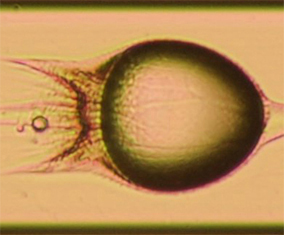
We develop original flow-based methods to interrogate and manipulate out-of-equilibrium behaviour of ternary fluids systems at the small scale. In particular, we examine droplet and jet formation of ternary fluid systems in coaxial microchannels when an aqueous phase is injected into a solvent-rich oil phase using common fluids, such as ethanol for the aqueous phase, silicone oil for the oil phase and isopropanol for the solvent. Alcohols are often employed to impart oil and water properties with a myriad of practical uses as extractants, antiseptics, wetting agents, emulsifiers or biofuels. Here, we systematically examine the role of alcohol solvents on the hydrodynamic stability of aqueous–oil multiphase flows in square microchannels. Broad variations of flow rates and solvent concentration reveal a variety of intriguing droplet and jet flow regimes in the presence of spontaneous emulsification phenomena and significant mass transfer across the fluid interface. Typical flow patterns include dripping and jetting droplets, phase inversion and dynamic wetting and conjugate jets. Functional relationships are developed to model the evolution of multiphase flow characteristics with solvent concentration. This work provides insights into complex natural phenomena relevant to the application of microfluidic droplet systems to chemical assays as well as fluid measurement and characterisation technologies.
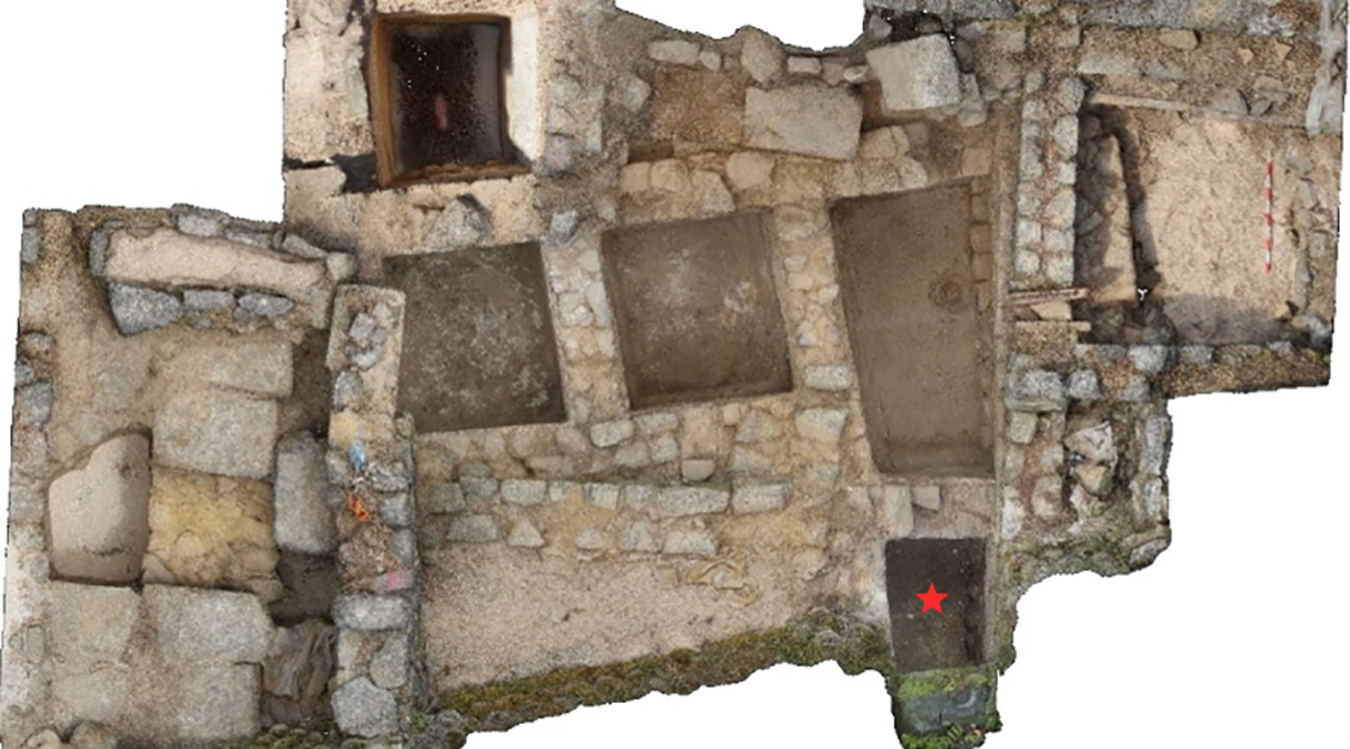
The Romans were among the first societies to extensively exploit fish resources, establishing large-scale salting and preservation plants where small pelagic fish were fermented to produce sauces such as garum. Here, the authors demonstrate that, despite being crushed and exposed to acidic conditions, usable DNA can be recovered from ichthyological residues at the bottom of fish-salting vats. At third-century AD Adro Vello (O Grove), Galicia, they confirm the use of European sardines (Sardina pilchardus) and move beyond morphology to explore population range and admixture and reveal the potential of this overlooked archaeological resource.
We prove an analog of the disintegration theorem for tracial von Neumann algebras in the setting of elementary equivalence rather than isomorphism, showing that elementary equivalence of two direct integrals of tracial factors implies fiberwise elementary equivalence under mild, and necessary, hypotheses. This verifies a conjecture of Farah and Ghasemi. Our argument uses a continuous analog of ultraproducts where an ultrafilter on a discrete index set is replaced by a character on a commutative von Neumann algebra, which is closely related to Keisler randomizations of metric structures. We extend several essential results on ultraproducts, such as Łoś’s theorem and countable saturation, to this more general setting.
The European Union (EU) Emissions Trading System (ETS) is the cornerstone of the EU’s attempt to decarbonise economic production in Europe. This paper questions the power and class relations that are built into the EU’s choice to address the climate crisis through the legal construction of emissions trading. Drawing on Marxist theory, the paper argues that the cost of emission allowances imposed by the ETS is a form of climate rent. In both the choice of this system and its implementation, the EU prioritises capital accumulation in order to protect the competitiveness of EU firms on the global market. This paper argues that the ETS thus jeopardises the progress of decarbonisation on two grounds. First, the EU’s implementation of the ETS has tended to increase the economic wealth of capital by redistributing economic value away from workers and towards the capitalist class. By raising the cost of essential goods, the ETS will likely damage the reputation of climate action and thus jeopardise public support for decarbonisation. Second, the ETS is part of the EU’s indirect approach to climate policy, which seeks to shape the actions of private capital in the direction of climate objectives. However, the severity of climate change calls instead for the use of law and public power to directly and consciously shape the rapid decarbonisation of society.
How does a ruler implement state-building at the local level? This paper examines state-building in late 16th-century Japan by focusing on Toyotomi Hideyoshi’s land surveys, which were crucial for establishing a centralized regime. We argue that Hideyoshi strengthened control over the locality via land surveys as a strategic response to the perceived threats emanating from Catholic missionaries. Using various empirical strategies including spatial econometrics, sensitivity analysis, and an instrumental variable approach, we find that the presence of Catholic churches significantly increased the likelihood of a locality being surveyed. These results highlight the importance of information-gathering beyond fiscal purposes for security objectives and emphasize the role of threats from foreign religious institutions in state formation processes.
Reduced access to dementia healthcare services by elders from ethnic minority backgrounds is often a manifestation of underlying systemic disadvantages within dementia assessment and treatment services. In this narrative review of current literature on UK dementia healthcare services we identify risk factors contributing to the inequalities faced by people with dementia from ethnic minorities, point to major knowledge gaps in dementia diagnosis, management and long-term care for these groups and highlight clinical challenges arising in delivering services to them. We describe the inequity in diagnostic rates, their poorer treatment outcomes and the lack of culture-specific support for people from ethnic minority communities. We present proposals for South Asian and the Black ethnic minority groups by which local healthcare systems may minimise some of these disadvantages. This will enhance our understanding of the aetiology and management of long-term conditions such as dementia by improving access to and dialogue with ethnic minority communities and healthcare providers.
Threat sensitivity, an individual difference construct reflecting variation in responsiveness to threats of various types, predicts physiological reactivity to aversive stimuli and shares heritable variance with anxiety disorders in adults. However, no research has been conducted yet with youth to examine the heritability of threat sensitivity or evaluate the role of genetic versus environmental influences in its relations with mental health problems. The current study addressed this gap by evaluating the psychometric properties of a measure of this construct, the 20-item Trait Fear scale (TF-20), and examining its phenotypic and genotypic correlations with different forms of psychopathology in a sample of 346 twin pairs (121 monozygotic), aged 9–14 years. Analyses revealed high internal consistency and test-retest reliability for the TF-20. Evidence was also found for its convergent and discriminant validity in terms of phenotypic and genotypic correlations with measures of fear-related psychopathology. By contrast, the TF-20’s associations with depressive conditions were largely attributable to environmental influences. Extending prior work with adults, current study findings provide support for threat sensitivity as a genetically-influenced liability for phobic fear disorders in youth.
The 1920s to 1950s was a period of significant transformation and conflict in South and East Asia, marked by the forces of (anti-)imperialism, nationalism, and militarism, eventually escalating into the Second Sino-Japanese War and the Second World War. For a long time, internationalist initiatives hoped that de-escalation and peace could be achieved through diplomacy and exchange. Part of this approach included Asian Christians moving in the milieu of Protestant internationalism, a movement long dominated by American organizations and actors, which after the First World War saw a shift towards Asia—both in terms of representation from and interest in the region.
Between the 1920s and the 1950s, numerous international conferences, organized by missionary associations and organizations such as the World Student Christian Federation or the international Young Men’s Christian Association, debated the political future of Asia in a changing and increasingly belligerent world. The period also witnessed numerous exchanges of Christian delegations between individual countries. By analysing the interrelated histories of three Asian Protestant internationalists—T. Z. Koo of China, Kagawa Toyohiko of Japan, and Augustine Ralla Ram of India—the article offers an examination of the mechanics of Christian diplomacy before, during, and after war. It shows that Protestant internationalist diplomacy, fellowship, and solidarity were often overshadowed by national and political ideologies. However, the article further argues that, despite its shortcomings, which challenged transnational solidarity and fellowship, Christian diplomacy was characterized by a resilience and reach that allowed its Asian protagonists a remarkable international operating space by providing useful networks, opportunities, and resources.
Terrestrial vascular plants affect Earth’s long-term geological processes, contributing to carbon cycling, chemical weathering and soil formation. Plants transport elements from the soil to their above-ground structures, accumulating a range of macroelements including Na, K, Mg, Ca, Si, S, P and Cl. Wildfire combustion concentrates these macroelements into inorganic ash. This ash is dominated by oxides, carbonates, halides, sulfates and phosphates of Na, K, Mg and Ca. This work describes K₂Ca₂(CO₃)₃, which occurs abundantly in the ash of the desert spoon (Dasylirion wheeleri), a plant native to the Sonoran Desert. Electron microprobe analysis, powder X-ray diffraction Rietveld refinement and Raman spectroscopy confirm that this phase matches synthetic rhombohedral (R3) K₂Ca₂(CO₃)₃. This phase forms during the smouldering combustion of D. wheeleri trunks, producing friable, decimetre-sized, porous, ash lumps that pseudomorphically preserve the plant’s fibrous structure. This ash occurs as glassy, sintered, porous aggregates, dominated by K₂Ca₂(CO₃)₃, with sylvite, calcite, fairchildite, arcanite and minor hydroxyapatite and periclase. Several double K–Ca carbonates form under surficial pressures and temperatures below ~800°C, including K₂Ca₂(CO₃)₃, and bütschliite (K₂Ca(CO₃)₂) and its dimorph, fairchildite. The occurrence of rhombohedral K₂Ca₂(CO₃)₃ and fairchildite are consistent with smouldering between 518 and 780°C. Upon exposure to water, K₂Ca₂(CO₃)₃ rapidly decomposes, leaving calcite. The occurrence of K₂Ca₂(CO₃)₃ as a major phase in the plant ash expands our understanding of Earth’s mineral diversity, provides new insights into the widespread geological process of wildfire ash formation and highlights the role that these fires play in forming mineral phases that are rare in other geological settings. Though K₂Ca₂(CO₃)₃ was first identified in Dasylirion wheeleri, this phase probably forms in other fire-adapted plant species. The occurrence of K₂Ca₂(CO₃)₃ in plant ash is an example of an inorganic phase that bridges the gap between biomineralisation and geological mineral formation.
Epidemiological studies have reported an association between the planetary health diet (PHD), diet-related greenhouse gas emissions (GHGEs), and mortality. However, data from individuals from non-Western countries was limited. Therefore, we aimed to examine this association among Japanese individuals using a cross-sectional ecological study of all 47 prefectures in Japan. Prefecture-level data were obtained from government surveys. The dietary amount was estimated based on the weight of food purchased (211 items) from the 2021–2023 Family Income and Expenditure Survey. Adherence to PHD was scored using the EAT-Lancet index (range, 0 [worst] to 42 [best]) and categorised into four groups: ≤ 24 (n = 14, low), 25 (n = 17, medium-low), 26 (n = 10, medium-high), and 27 points (n = 6, high). Diet-related GHGEs were estimated using previously developed GHGE tables for each food item. Mortality data were obtained using the 2022 Vital Statistics. Mortality rate ratio (RR) was calculated using a multivariate Poisson regression model. After adjusting for confounders, compared to the prefecture in the medium-low group of adherence score, those in the low and high groups were associated with a higher mortality RR for all-cause (low group: RR = 1.03 [95% CI (confidence interval) = 1.01–1.05]; high group: RR = 1.03 [95% CI = 1.00–1.07]) and pneumonia. Moreover, although a higher adherence score was inversely associated with GHGE, it was linked to an increased mortality risk from heart disease and stroke. Our findings indicate a reverse J-shaped association between adherence to PHD and mortality.
Organismal metabolic rate is linked to environmental temperature and oxygen consumption, and as such, may be a useful predictor of extinction risk. This is especially true during major climate-driven extinctions, given the tightly linked stressors of warming and hypoxia. However, metabolic attributes can be quantified in different ways, highlighting differing aspects of organisms’ ecology. Here, we estimate resting whole-body and mass-specific metabolic rates in post-Carboniferous bivalve taxa using body size, seawater paleotemperature, and a taxon-specific adjustment factor to assess how metabolic rate correlates with survival both during and outside intervals of rapid climate warming, or “hyperthermals.” Accounting for the effects of geographic range size, we find a pattern of preferential extinction of bivalves with lower total calorific needs, consistent with increasing body size and the postulated ramping up of ecosystem energetics over the Meso-Cenozoic. Contrary to expectations, extinction selectivity based on total calorific needs, which emphasizes body size, does not differ between hyperthermals and other time intervals. However, a higher metabolic rate per gram of tissue—which is more strongly determined by environmental temperature than by body size—consistently increases the probability of extinction during hyperthermals relative to baseline conditions, particularly within the paleotropics. This serves to highlight the potential significance of environmental temperature on metabolic performance, particularly in organisms that are already living close to their thermal limits. In tandem with previously documented patterns of extinction selectivity based on relative activity levels, including motility and feeding style, these results enhance our understanding of the role of metabolic rate through time and during climate-driven extinctions. When standardized by mass, metabolic rate may represent a useful metric through which to predict the effects of anthropogenic climate change on modern marine faunas.