To save content items to your account,
please confirm that you agree to abide by our usage policies.
If this is the first time you use this feature, you will be asked to authorise Cambridge Core to connect with your account.
Find out more about saving content to .
To save content items to your Kindle, first ensure no-reply@cambridge.org
is added to your Approved Personal Document E-mail List under your Personal Document Settings
on the Manage Your Content and Devices page of your Amazon account. Then enter the ‘name’ part
of your Kindle email address below.
Find out more about saving to your Kindle.
Note you can select to save to either the @free.kindle.com or @kindle.com variations.
‘@free.kindle.com’ emails are free but can only be saved to your device when it is connected to wi-fi.
‘@kindle.com’ emails can be delivered even when you are not connected to wi-fi, but note that service fees apply.
We estimate sea-ice type specific incidence angle (IA) dependencies for dual polarized (HH/HV) L and C-band synthetic aperture radar (SAR) for the winter, melt onset and advanced melt seasons for level and deformed ice, using time-series of Advanced Land Observing Satellite-2 (ALOS-2) and Sentinel-1 imagery off the north-east coast of Greenland. The IA dependencies are used to radiometrically correct the L and C-band backscatter time-series, which enables analysis of their seasonal evolution. From this, we observe that the L-band backscatter intensity increases for both ice types at the transition from winter to melt onset. We use these results to estimate ice type separability and to train an IA aware Bayesian classifier at both frequencies. These results show that while both frequencies are capable of distinguishing level and deformed ice during the winter, only L-band SAR can reliably make this separation during the melt onset season. During the advanced melt season, the overall classification accuracies are similarly low for L and C-band. This study demonstrates the potential of L-band SAR for sea-ice mapping, which is highly relevant in the light of several upcoming L-band SAR missions.
The present study explores the influence of individual differences in experience, perceptual acuity, and working memory on the development of both declarative and automatized aspects of L2 phonological vocabulary knowledge. A total of 486 Japanese English-as-a-foreign-language (EFL) students took part in two vocabulary tests designed to measure declarative (meaning recognition) and automatized knowledge (lexicosemantic judgement task). Their performance was tied to the quantity and quality of their EFL experience, as well as their scores in auditory processing and working memory. While several significant, modest correlations between experience, aptitude, and vocabulary outcomes were observed, certain predictor variables were uniquely associated with either declarative or automatized vocabulary performance. Specifically, individuals with more extensive, typically language-focused EFL training and greater working memory demonstrated higher levels of declarative knowledge. Conversely, those who pursued extracurricular practice outside the classroom – exposing themselves to auditory materials and/or participating in study-abroad experiences – showed a more automatic execution of vocabulary knowledge.
The Digital Silk Road (DSR) is usually described as the digital component of the Belt and Road Initiative that is reshaping the digital world order. Most existing research is concerned with the possible long-term consequences of the DSR rather than on what the DSR encompasses, how it developed and how it has changed since it was announced in 2015. We address this gap by reconstructing the origins of the DSR within China, with a focus on both rhetoric and concrete plans as they developed between central and provincial actors. We collected and analysed a corpus of 31 national and 130 provincial DSR-related plans. In contrast to prevailing views of the DSR as a unified, outward-facing strategy, we show that after an initial surge of related documents, the central government ceased to discuss the DSR in a meaningful way. Provincial governments then appropriated its rhetoric to legitimize their own digitization agendas, including upgrading infrastructure in poorer provinces and remaining plugged into export markets for those with an IT industry. Rather than reshaping the digital world order, the DSR has been appropriated by some provincial governments to attempt, mostly unsuccessfully, to shore up their own digital ambitions.
Cardiac catheterisation is crucial for diagnosing and treating paediatric heart diseases, but it is poorly tolerated by small children, infants, and newborns without sedation. This study investigated whether maternal voice during sedation could lower stress and pain in children undergoing cardiac catheterisation and also assessed mothers’ stress levels before and after the procedure.
Methods:
This was a prospective, monocentric, randomised, controlled interventional study at the University Hospital Bonn. Children aged 4 years or younger scheduled for elective cardiac catheterisation under procedural sedation and American Society of Anaesthesiologists class between 1 and 3 were eligible.
Results:
At the end of cardiac catheterisation, the intervention group showed a higher Newborn Infant Parasympathetic Evaluation index with an adjusted mean difference of 9.5 (± 4.2) (p = 0.026) and a lower median Children’s and Infants Postoperative Pain Scale score of 2.0 (IQR: 0.0–5.0) versus 4.5 (IQR: 3.0–6.0) than the control group (p = 0.027). No difference in the children’s cortisol level was found (p = 0.424). The mothers in the intervention group had a lower cortisol level than those in the control group before cardiac catheterisation (adjusted mean difference: −4.5 nmol/l (± 1.8 nmol/l), p = 0.011).
Conclusion:
Listening to the maternal voice during cardiac catheterisation could lead to less postoperative pain and significantly lower stress and discomfort level in children. Less pain could reduce the incidence of postoperative delirium.
Additionally, mothers perceived involvement as positive. A reduced stress level of mothers can positively influence children and possibly reduce pain and anxiety.
Building on Linda Martín Alcoff's analysis of subversive speech in Rape and resistance, Lori Gruen's account of entangled empathy, and what Susan Brison calls the remaking of self in Aftermath: Violence and the remaking of a self, we introduce subversive listening as a way to resist obstacles to empathetic listening after sexual violence. Specifically, we identify and aim to interrupt five overextended frameworks (legal, medical, academic, fixing, and identifying) that commonly obstruct empathetic listening. To demonstrate the practical value of our work, we conclude by showing how a reader might avoid these overextensions when engaging with V's (formerly Eve Ensler) The apology.
Demonstrating the impact of implementation science presents a new frontier for the field, and operationalizing downstream impact is challenging. The Translational Science Benefits Model (TSBM) offers a new approach for assessing and demonstrating research impact. Here we describe integration of the TSBM into a mentored training network.
Methods:
Washington University’s Clinical and Translational Science Awards TSBM team collaborated with a National Institute of Mental Health-supported training program, the Implementation Research Institute (IRI), a 2-year training institute in mental health implementation science. This partnership included three phases: (1) introductory workshop on research impact, (2) workshop on demonstrating impact, and (3) sessions to guide dissemination, including interactive tools and consultation with the TSBM research team. Fifteen IRI alumni were invited to participate in the pilot; six responded agreeing to participate in the training, develop TSBM case studies, and provide feedback about their experiences. Participants applied the tools and gave feedback on design, usability, and content. We present their case studies and describe how the IRI used the results to incorporate TSBM into future trainings.
Results:
The case studies identified 40 benefits spanning all four TSBM domains, including 21 community, 11 policy, five economic, and three clinical benefits. Participants reported that TSBM training helped them develop a framework for talking about impact. Selecting benefits was challenging for early-stage projects, suggesting the importance of early training.
Conclusions:
The case studies showcased the institute’s impact and the fellows’ work and informed refinement of tools and methods for incorporating TSBM into future IRI training.
While inflammation is associated with cognitive impairment in severe mental illnesses (SMI), there is substantial heterogeneity and evidence of transdiagnostic subgroups across schizophrenia (SZ) and bipolar (BD) spectrum disorders. There is however, limited knowledge about the longitudinal course of this relationship.
Methods
Systemic inflammation (C-Reactive Protein, CRP) and cognition (nine cognitive domains) was measured from baseline to 1 year follow-up in first treatment SZ and BD (n = 221), and healthy controls (HC, n = 220). Linear mixed models were used to evaluate longitudinal changes separately in CRP and cognitive domains specific to diagnostic status (SZ, BD, HC). Hierarchical clustering was applied on the entire sample to investigate the longitudinal course of transdiagnostic inflammatory-cognitive subgroups.
Results
There were no case-control differences or change in CRP from baseline to follow-up. We confirm previous observations of case-control differences in cognition at both time-points and domain specific stability/improvement over time regardless of diagnostic status. We identified transdiagnostic inflammatory-cognitive subgroups at baseline with differing demographics and clinical severity. Despite improvement in cognition, symptoms and functioning, the higher inflammation – lower cognition subgroup (75% SZ; 48% BD; 38% HC) had sustained inflammation and lower cognition, more symptoms, and lower functioning (SMI only) at follow-up. This was in comparison to a lower inflammation – higher cognition subgroup (25% SZ, 52% BD, 62% HC), where SMI participants showed cognitive functioning at HC level with a positive clinical course.
Conclusions
Our findings support heterogenous and transdiagnostic inflammatory-cognitive subgroups that are stable over time, and may benefit from targeted interventions.
Idioms play an important role in language; however, little research has examined idioms in children’s natural language settings. This study explored idioms usage in maternal talk during mother-child shared book reading and its relation to children’s vocabulary development. Thirty-three Chinese children in Norway (aged 3;0–5;5) and their mothers participated. We observed shared reading at the onset of the study and assessed children’s receptive and expressive vocabulary in Chinese three times across one year. Results demonstrated that mothers used an average of 1.8 idioms and explained one-third of the idioms. Maternal idiom usage was correlated with their talk amount and lexical diversity. Individual growth modeling revealed that the number of idioms mothers used predicted the growth of children’s receptive vocabulary in Chinese. We speculate that idiom usage could be an effective and understudied marker of parental linguistic sophistication. This study underscores the importance of idiom exposure in children’s language environment.
Local governments have an important role to play in creating healthy, equitable and environmentally sustainable food systems. This study aimed to develop and pilot a tool and process for local governments in Australia to benchmark their policies for creating healthy, equitable and environmentally sustainable food systems.
Design:
The Healthy Food Environment Policy Index (Food-EPI), developed in 2013 for national governments, was tailored to develop the Local Food Systems Policy Index (Local Food-EPI+) tool for local governments. To incorporate environmental sustainability and the local government context, this process involved a literature review and collaboration with an international and domestic expert advisory committee (n 35) and local government officials.
Setting:
Local governments.
Results:
The tool consists of sixty-one indicators across ten food policy domains (weighted based on relative importance): leadership; governance; funding and resources; monitoring and intelligence; food production and supply chain; food promotion; food provision and retail in public facilities and spaces; supermarkets and food sources in the community; food waste reuse, redistribution and reduction; and support for communities. Pilot implementation of the tool in one local government demonstrated that the assessment process was feasible and likely to be helpful in guiding policy implementation.
Conclusion:
The Local Food-EPI+ tool and assessment process offer a comprehensive mechanism to assist local governments in benchmarking their actions to improve the healthiness, equity and environmental sustainability of food systems and prioritise action areas. Broad use of this tool will identify and promote leading practices, increase accountability for action and build capacity and collaborations.
Psychological Wellbeing Practitioners (PWPs) are central to NHS Talking Therapies services for depression and anxiety (TTad; formerly ‘IAPT’). This workforce has been trained to deliver low-intensity treatments for mild to moderate depression and anxiety. In practice, PWPs routinely work with more complex clients, likely due to a combination of reasons. Over half of referrals experience concurrent personality difficulties, which are linked to poorer treatment outcomes, and PWPs describe feeling unskilled to work with these clients. This study aimed to develop and pilot a Continuing Professional Development workshop for PWPs about enhancing practice in the context of concurrent personality difficulties; and evaluate acceptability, feasibility and potential impacts on clinical skills and attitudes. This is an audit of routine feedback from a pilot of the workshop offered in a single TTad PWP workforce (n=139). The workshop was successfully developed and a series of five workshops were delivered to 74% of the PWP workforce. Feedback was overwhelmingly positive, and a majority of PWPs reported improved confidence in key skills covered during the workshop, and a positive attitude towards working with clients with personality difficulties after the workshop. PWPs described enhanced capability, opportunity and motivation to undertake work with this client group following the workshop. The workshop showed potential to improve PWP confidence and skill to support TTad clients in the context of personality difficulties, although it is not yet known if this translates to better treatment outcomes for clients. Implications for practice and future research are discussed.
Key learning aims
(1) Understand the feasibility of gathering feedback and outcome data of a Continuing Professional Development (CPD) workshop delivered in routine practice for PWPs.
(2) Understand PWP perspectives on attending a CPD workshop to support tailoring PWP treatments for depression and anxiety in the context of personality difficulties.
(3) Reflect on potential opportunity to enhance PWP treatments in the context of personality difficulties via brief training workshops.
(4) Consider how COM-B can be used to explore barriers and enablers to PWPs implementing new learning to their practice.
Pope Francis has been very active in the public debate on several key social and political issues, gaining a role that foregoes the sphere of religiosity and morality. Overall, he has been perceived by the media and the general public as a leftist figure and even a modernizer. Nonetheless, little is known about the influence of Pope Francis' positions on public opinion, especially beyond the climate change issue and outside the US context. In this regard, this paper contributes to the analysis of the Francis effect on public support for poverty alleviation measures. By employing a survey experiment carried out in Italy, we therefore tested whether the papal endorsement of an anti-poverty measure during the COVID-19 pandemic affected people's support for it. The results highlighted a generalized Francis effect among the Italian public. In addition, trust in the Pope and leftist political orientation substantially enhanced this effect, while the same only partially applies to individual religiosity.
Evaluating CMIP6 model performance helps to improve the prediction of future changes in Arctic sea ice. We analyze the seasonal cycles, distribution, and evolution of sea ice in different regions from 1979 to 2014. We compare the output from selected CMIP6 models with reference data for sea ice motion. We also discuss the correlations between sea ice motion(SIM) and sea ice thickness (SIT) in reference data, and how CMIP6 models explain them. We select EC-Earth3, ACCESS-CM2, BCC-CSM2-MR, MPI-ESM1-2-HR, and NorESM2-LM for CMIP6 study. We compare outputs with reference data: Sea ice extent (SIE) from NSIDC; SIT from PIOMAS; and SIM from the IABP buoy data. Analytical techniques include Theil-Sen and Ordinary least squares (OLS) regression. Most selected CMIP6 models have seasonal cycles of SIM lagging behind IABP observations by 1-2 month and overestimate central Arctic SIM magnitude, with MPI-ESM1-2-HR having the highest discrepancy and NorESM2-LM lowest. The models show better simulation of SIM in the ice melting season than in the growing season. Models perform worse at capturing regional differences in SIM evolution and are overly conservative when simulating the increasing trend in ice motion, especially in coastal Arctic seas during summer. There is significant negative correlation between SIT and SIM in October.
While the motivations of individuals to become foreign fighters have been at the forefront of academic interest, an important motive—revenge—has so far remained under-researched. Drawing on the case study of pro-Ukrainian Chechen foreign fighters self-deployed in the ongoing Russo-Ukraine War, this article seeks to fill the gap in the extant literature by identifying and conceptualizing revenge. This article posits that two intertwined motives—revenge for perceived historical injustices and revenge for personal wrongs—have played an important role in motivating Chechens to become foreign fighters in the ongoing Russo-Ukrainian war. This article suggests that while revenge might be a potent driving force of foreign fighting, its appeal may be stronger in the cultures of honor with the persisting notion of retaliation.
The United Kingdom’s National Referral Mechanism (NRM) is a framework for identifying potential victims of modern slavery (slavery, servitude, forced labour or human trafficking) and ensuring that they receive adequate care. This research explores differences in referrals and outcomes of potential modern slavery victims within the NRM on the basis of individual attributes, geography and first responder. Findings are based on exploratory analysis of data on 55,000 cases released by the Home Office in spring 2022 plus data from four Freedom of Information requests. Findings confirm that there are significant differences in rates of positive outcomes between native and immigrant groups, with native populations more likely to receive positive conclusive grounds (CG) decisions. Our key contribution is in identification of the role of the first responder in negatively influencing outcomes for victims of particular forms of exploitation. We suggest the differences in outcomes may be explained by the dual role played by first responders within the immigration system in identifying victims and implementing immigration control measures. We situate this finding within a broader critical migration literature on polymorphous borders pointing to the NRM as one mechanism through which bodies are differentially excluded from territorial access and associated rights or benefits.
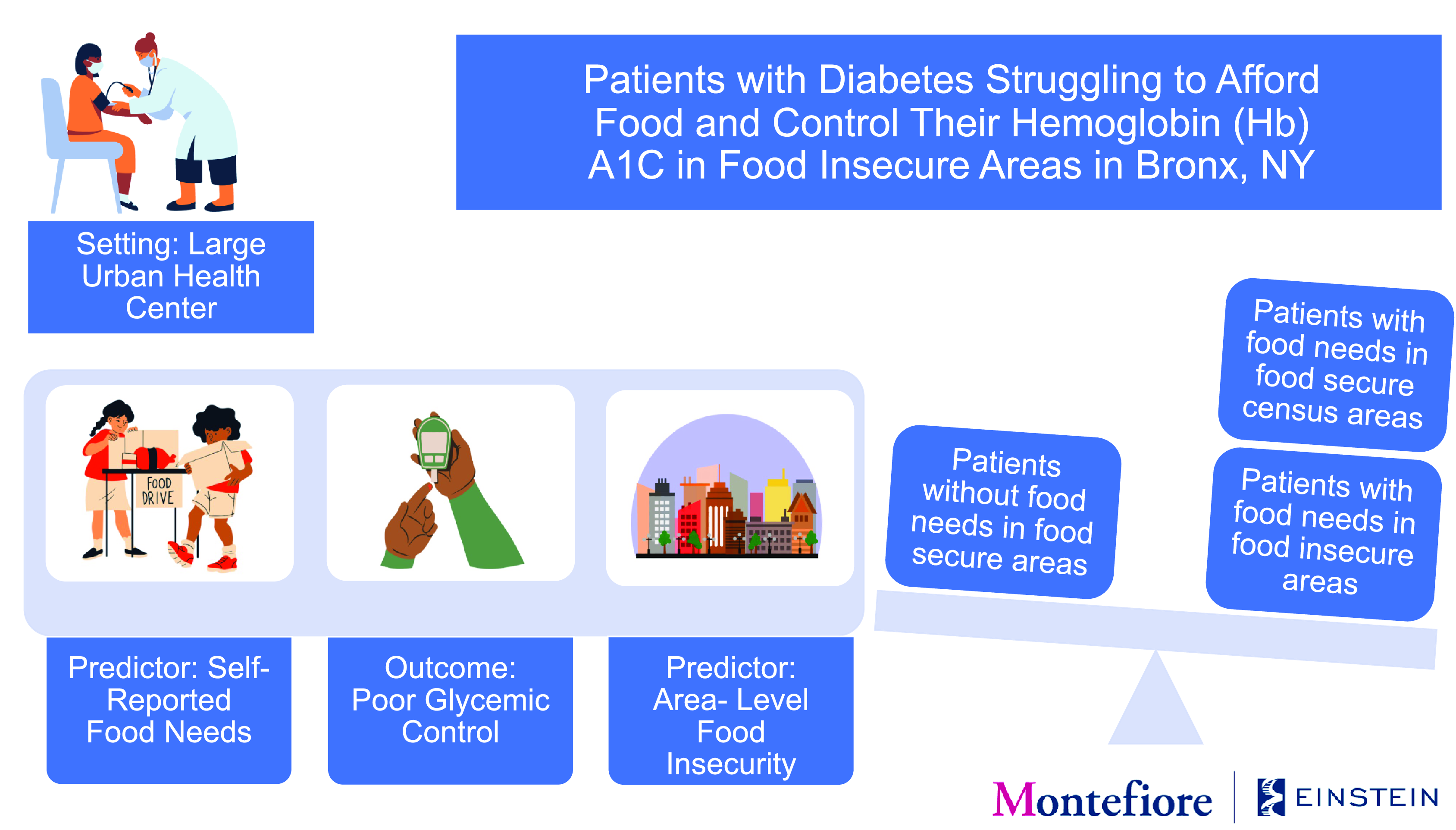
To characterise the association between risk of poor glycaemic control and self-reported and area-level food insecurity among adult patients with type 2 diabetes.
Design:
We performed a retrospective, observational analysis of cross-sectional data routinely collected within a health system. Logistic regressions estimated the association between glycaemic control and the dual effect of self-reported and area-level measures of food insecurity.
Setting:
The health system included a network of ambulatory primary and speciality care sites and hospitals in Bronx County, NY.
Participants:
Patients diagnosed with type 2 diabetes who completed a health-related social need (HRSN) assessment between April 2018 and December 2019.
Results:
5500 patients with type 2 diabetes were assessed for HRSN with 7·1 % reporting an unmet food need. Patients with self-reported food needs demonstrated higher odds of having poor glycaemic control compared with those without food needs (adjusted OR (aOR): 1·59, 95 % CI: 1·26, 2·00). However, there was no conclusive evidence that area-level food insecurity alone was a significant predictor of glycaemic control (aOR: 1·15, 95 % CI: 0·96, 1·39). Patients with self-reported food needs residing in food-secure (aOR: 1·83, 95 % CI: 1·22, 2·74) and food-insecure (aOR: 1·72, 95 % CI: 1·25, 2·37) areas showed higher odds of poor glycaemic control than those without self-reported food needs residing in food-secure areas.
Conclusions:
These findings highlight the importance of utilising patient- and area-level social needs data to identify individuals for targeted interventions with increased risk of adverse health outcomes.
Understanding sea-ice dynamics at the floe scale is crucial to comprehend polar climate systems. While continuum models are commonly used to simulate large-scale sea-ice dynamics, they have limitations in accurately representing sea-ice behaviour at small scales. DEMs, on the other hand, are well-suited for modelling the behaviour of individual ice floes but face limitations due to computational constraints. To address the limitations of both approaches while combining their strengths, we explored the feasibility of using a DEM within a continuum model, where the latter provides boundary conditions for a rectangular high-resolution DEM domain. This paper presents a feasibility study where a discrete model of a 100 × 100 km2 icefield was created using high-resolution optical satellite imagery. Sea-ice dynamics were simulated in the DEM considering environmental forces and integrating large-scale ice-drift velocities as boundary conditions. Model predictions were compared with satellite observations for ice drift and deformation parameters. This numerical approach showed potential for offering accurate, high-resolution predictions of sea ice, particularly in coastal areas and near islands, and may find applications in ice navigation and climate studies. However, further development of the DEM, along with upgrades to the coupled ocean models providing data for the ice component, may be necessary. Additionally, challenges remain to develop a two-way coupling between the DEM and a continuum model, which may be needed to improve the accuracy of large-scale simulations.
Kahneman and Tversky’s ‘Prospect Theory’ paper famously demolishes expected utility theory as a predictive device. However, it presents deviations from that theory as ‘normatively unacceptable’ and argues that decision-makers would normally correct them when possible. In a later paper, Kahneman rejects a similar argument (the ‘discovered preference’ hypothesis) advanced by Plott. Later still, Kahneman endorses Sunstein and Thaler’s ‘libertarian paternalism’, which aims to help people avoid deviating from their ‘true’ preferences. I report an email correspondence between Kahneman and me in which we debated whether his position on libertarian paternalism was consistent with his critique of Plott’s hypothesis.
This paper explores the following question: How does individual religiosity and attachment to a religious community relate to sectarian political loyalties or interpersonal prejudices in a post-conflict, institutionally sectarianized society? The paper explores this question through dialectic, participatory methods with youth involved in community-based youth associations with a religious component. The paper investigates how religiously devout youth in Lebanon conceptualize the personal and communal elements of their religiosity in relation to sectarian politics. In this way, the paper contributes to a study of social sectarianism, in which scholars are striving to understand what individuals mean when they speak about sect, and how discussions surrounding sect mask more complex underlying social realities. Overall, these accounts suggest that personal and social religiosity both positively influence anti-sectarian political outlook among participants, while other factors, such as the institutional sectarianization of public life and a history of violent conflict maintain participants' default attachment to co-sectarian networks in terms of routine, economic security, and communal belonging.
We aimed to estimate the secondary attack rate of mpox among UK household contacts and determine factors associated with transmission to inform public health management of contacts, during the global outbreak in 2022. Information was collected via NHS and public health services and included age, gender, place of residence, setting, and type of contact. Aggregate information was summarized for the UK. Record level data was combined for England, Wales and Northern Ireland, and multivariable logistic regression was used to determine factors associated with transmission. The secondary attack rate among UK household mpox contacts was 4% (60/1 526). Sexual contact with the index case was associated with a 11-fold increase in adjusted odds of becoming a case in England, Wales, and Northern Ireland (95% CI 5.5–22, p < 0.001). Household contacts outside of London had increased odds compared to London residents (adjusted OR 2.9, 95%CI 1.6–5.4, p < 0.001), while female contacts had reduced odds of becoming a case (aOR: 0.41, 95% CI: 0.15–0.95). We found a low overall secondary attack rate among household mpox contacts with strong evidence of increased transmission risk associated with sexual contact. This evidence will inform the risk assessment of contacts and support prioritization of those with close intimate contact for follow up.
This article examines the relationship between state-provided religious education and support for Islamists. It first provides a historical overview of this debate in the Egyptian context. It then examines a survey of young adults from post-Arab-Spring Egypt, the largest education market in the Middle East and North Africa region. The findings show that recipients of state-provided Islamic education, Azharites, are more likely to hold favorable views of Islamists. This is likely attributed to the ideological alignment between Azharites and Islamists, since both favor a bigger public role of religion and stricter adherence to conservative social norms. However, the analysis does not support the notion that Azharites view Islamists as competitors in the religious market for followers. These results inform policy debates on Islamic education in Muslim countries and illustrate the limitations of mass indoctrination in authoritarian settings.