To save content items to your account,
please confirm that you agree to abide by our usage policies.
If this is the first time you use this feature, you will be asked to authorise Cambridge Core to connect with your account.
Find out more about saving content to .
To save content items to your Kindle, first ensure no-reply@cambridge.org
is added to your Approved Personal Document E-mail List under your Personal Document Settings
on the Manage Your Content and Devices page of your Amazon account. Then enter the ‘name’ part
of your Kindle email address below.
Find out more about saving to your Kindle.
Note you can select to save to either the @free.kindle.com or @kindle.com variations.
‘@free.kindle.com’ emails are free but can only be saved to your device when it is connected to wi-fi.
‘@kindle.com’ emails can be delivered even when you are not connected to wi-fi, but note that service fees apply.
As Western society becomes increasingly digitally dependent and many older adults actively engage in the online world, understanding the experiences of those who largely do not use digital technology in their daily lives is crucial. Individual interviews were conducted (pre-pandemic) with 23 older adults who, based on self-identification, did not regularly use digital technology, exploring how their experiences as limited digital technology users may have impacted their daily lives. An iterative collaborative qualitative analysis demonstrated three main themes: internet concerns, frustrations with digital technology, and conflicting motivators to use digital technology. Findings suggest that addressing digital concerns and providing effective digital skill learning opportunities may encourage some older adults to become more digitally engaged. However, as people, including older adults, can be uninterested in using these technologies, organizations and institutions should work to offer ways to support people of all ages who are not engaged online.
We aimed to (1) report updated estimates of direct healthcare costs for people living with MS (pwMS), (2) contrast costs to a control population and (3) explore differences between disability levels among pwMS.
Methods:
Administrative data were used to identify adult pwMS (MS cohort) and without (control cohort) in Alberta, Canada; disability level (based on the Expanded Disability Status Scale) among pwMS was estimated. One- and two-part generalized linear models with gamma distribution were used to estimate the incremental direct healthcare cost (2021 $CDN) of MS during a 1-year observation period.
Results:
Adjusting for confounders, the total healthcare cost ratio was higher in the MS cohort (n = 13,089) versus control (n = 150,080) (5.24 [95% CI: 5.08, 5.41]) with a predicted incremental cost of $15,016 (95% CI: $14,497, $15,535) per person-year. Among the MS cohort, total predicted direct healthcare costs were higher with greater disability, $14,430 (95% CI: $13,980, $14,880) to $58,697 ($51,514, $65,879) per person-year in mild and severe disability, respectively. The primary health resource cost component shifted from disease-modifying therapies in mild disability to supportive care in moderate and severe disability.
Conclusion:
Adult pwMS had greater direct healthcare costs than those without. Extrapolating to the population level (where 14,485 adult pwMS were identified in the study), it is estimated that $218 million per year in healthcare costs may be attributable to MS in Alberta. The significantly larger economic impact associated with greater disability underscores the importance of preventing or delaying disease progression and functional impairment in MS.
Marfan syndrome is a rare genetic connective tissue disorder. Research on health-related quality of life in Swedish patients is lacking. We aimed to examine health-related quality of life in patients with Marfan syndrome with respect to reference values, sex, and age.
Methods:
Using the registry for adult CHD, Sahlgrenska University Hospital/Östra Hospital, between 1 April 2009 and 31 January 2023, we identified 1916 patients. Of these, we included 33 patients aged ≥18 years who were diagnosed with Marfan syndrome and had completed the 36-item Short-Form Health Survey.
Results:
The median age was 32 years (interquartile range 25.5–47.0) and 22 (66.7%) were men. Patients with Marfan syndrome had significantly lower values than reference values for all scales in the Short-Form Health Survey except bodily pain, role-emotional, and the physical component summary score. For both men and women with Marfan syndrome, vitality was the subscale with the greatest percentage difference in comparison with healthy reference values (82% in women and 73% in men). Furthermore, men reported significantly higher vitality levels than women (62.5 points, interquartile range 43.8–75.0 vs. 35 points, interquartile range 10.0–65.0, p = 0.026).
Conclusion:
Adults with Marfan syndrome in Sweden showed lower health-related quality of life levels in comparison with reference values for most Short-Form Health Survey scales, and there were differences between patients with Marfan syndrome in terms of sex and age.
Social support is often considered an environmental factor affecting health, especially in aging populations. However, its genetic underpinnings suggest a more complex origin. This study investigates the heritability of social support through applying a threshold model on data of a large adult sample of twins (N = 8019) from the Netherlands Twin Register, collected between 2009 and 2011. The study employed the Duke – UNC Functional Social Support Questionnaire to assess social support quality. Our analysis revealed genetic contributions to social support, with heritability estimated at 37%, without a contribution of shared environment and no differences between men and women in heritability. The study’s results underscore the complexity of social support as a trait influenced by genetic and environmental factors, challenging the notion that it is solely an environmental construct.
Let $M$ be an oriented smooth manifold and $\operatorname{Homeo}\!(M,\omega )$ the group of measure preserving homeomorphisms of $M$, where $\omega$ is a finite measure induced by a volume form. In this paper, we define volume and Euler classes in bounded cohomology of an infinite dimensional transformation group $\operatorname{Homeo}_0\!(M,\omega )$ and $\operatorname{Homeo}_+\!(M,\omega )$, respectively, and in several cases prove their non-triviality. More precisely, we define:

• Volume classes in $\operatorname{H}_b^n(\operatorname{Homeo}_0\!(M,\omega ))$, where $M$ is a hyperbolic manifold of dimension $n$.
• Euler classes in $\operatorname{H}_b^2(\operatorname{Homeo}_+(S,\omega ))$, where $S$ is an oriented closed hyperbolic surface.
We show that Euler classes have positive norms for any closed hyperbolic surface and volume classes have positive norms for all hyperbolic surfaces and certain hyperbolic $3$-manifolds; hence, they are non-trivial.
The Organisation for Economic and Cultural Development (OECD) works with countries worldwide to implement testing in the areas of science, mathematics and reading through the Programme for International Student Assessment (PISA) every three years, and this process is recognised to influence education systems through areas such as curriculum. Over the past decade, the OECD increasingly has acknowledged the need to include a greater emphasis on environmental issues, including developing student competencies specifically in this area. For the 2025 PISA round, we were invited as environmental science education experts to contribute to the Science Framework, which underpins the science assessment. This paper explains how we responded to that invitation, including foregrounding the urgent need to understand the competencies of 15 year-olds to address critical socio-ecological challenges such as climate change. We argue that this provides environmental education practitioners and scholars with a powerful opportunity to gain world-scale data for research and advocacy, which could enhance the visibility and leverage for our field in curriculum, whilst also recognising the political process within which we were engaged.
Seattle Children’s Research Institute is identifying the amount and type of health equity scholarship being conducted institution wide. However, methods for categorizing how scholarship is equity-focused are lacking. We developed and evaluated the reliability of a health equity scholarship coding schema applied to Seattle Children’s affiliated scholarship.
Methods:
A 2021–2022 Ovid MEDLINE affiliation search yielded 3551 affiliated scholarship records, with 1079 records identified via an existing filter as scholarship addressing social determinants of health. Through reliability testing and examining concordance and discordance across three independent coders of these records, we developed a coding schema to classify health equity scholarship (yes/no). When health equity scholarship proved positive/Yes, the coders assigned a one through five maturity rating of the scholarship towards addressing inequities. Subsequent reliability testing including a new coder was conducted for 992 subsequent affiliated scholarship records (Oct 2022–June 2023), with additional testing of the sensitivity and specificity of the existing filter relative to the new coding schema.
Results:
Reliability for identifying health equity scholarship was consistently high (Fleiss kappas ≥ .78) and categorization of health equity scholarship into maturity levels was moderate (Fleiss kappas ≥ .47). The coding schema identified additional health equity scholarship not captured in an existing filter for social determinants of health scholarship. Based on the new schema, 23.3% of Seattle Childrens’ affiliated scholarship published October 2002–June 2023 was health equity focused.
Conclusions:
This new coding schema can be used to identify and categorize health equity scholarship to help quantitate the health equity focus of portfolios of human-focused research.
In Estate Origins, Tomila Lankina sheds new light on the logic of persistence and resilience in the Russian social structure that shapes political possibilities in Russia to the present day. It is a wonderful and rewarding read on the historical origins of social requisites of democracy, such as greater civic activism and more pluralistic political competition. To understand variation in attitudinal and behavioral support for democracy in contemporary Russia, according to Lankina, we must go back to tsarist Russia’s estate institutions. A set of institutions that codified the rights and privileges of different social groups, the estates system created incentives for an eclectic and growing stratum of urban dwellers known as meshchane to invest in education while simultaneously fostering the creation of institutional “infrastructures”—professions, educational institutions, charitable, civic, and local governance bodies—that retained during the communist period a degree of autonomy vis-à-vis the state. This, Lankina argues, allowed the meshchane’s distinct value orientations to persist over time.
There is abundant research about the impacts that large-scale mining produces on territories to the detriment of their social and environmental sustainability. However, during our research in Chile and Peru, we also identified local transformative initiatives that pursue sustainable development by proposing alternatives to how the socio-ecological impacts of natural resource extraction are produced and distributed throughout society. Specifically, we ask the question: How do local communities in Chile and Peru that are affected by mining activities engage in community-based environmental monitoring (CBEM)?
Technical summary
By examining how local communities in Chile and Peru engage in community environmental monitoring, this paper argues that local political organisation and institutional innovations are crucial for the emergence of transformations towards sustainability. Local political organisation and mobilisation can create a window of opportunity for discussion about extractive activities and their impacts, as well as possible proposals for alternatives. Institutional innovations triggered by local political work can lead to the implementation of such initiatives. Our findings are based on qualitative case studies of CBEM in Chile and Peru, in areas with high levels of environmental degradation due to mining. In Chile we analysed a case of community air monitoring in a copper processing area, and in Peru a case of community water monitoring in a mining area. Drawing on debates on social transformation and political ecology theory, this study aims to show CBEM promotes changes towards a more democratic and preventive environmental governance, and encourages the recognition of environmental injustices.
Social media summary
This paper analyses how local communities in Chile and Peru engage in community environmental monitoring in areas affected by the presence of extractive industries. We identified local transformative initiatives that pursue sustainable development by proposing alternatives to how the socio-environmental impacts of natural resource extraction are produced and distributed in society. Our findings are based on qualitative case studies of community-based air and water monitoring in extractive areas in Chile and Peru.
Kahneman’s criticism of neoclassical rationality was central to his research programme. He argued that rationality understood as temporal consistency among preferences and beliefs is inapt as a descriptive and prescriptive standard of decision-making. Descriptively, consistency ignores high decision costs and biases, such as framing effects. Prescriptively, it is problematic since it neglects the processual nature of choice and the crucial role of regret. Instead, Kahneman argued in favour of using reasonableness as a standard, though he did not fully develop the concept in his work.
This study reports the outcomes of a speaker evaluation experiment conducted in a higher educational context in Flanders, in which we investigated the influence of language variety (Standard vs. Colloquial Dutch), accent (Flemish vs. Eastern European) and name (Flemish vs. Eastern European) on students’ perceptions of a female university instructor. The results suggest that participants exhibited a relatively high level of tolerance toward both non-conforming speech and non-conforming speakers. Whereas Colloquial Dutch scored lower than Standard Dutch on standardness, we observed no negative effects of Colloquial Dutch on the teacher’s didactic competence, status, or social attractiveness. We did not find any evidence of a negative bias triggered by an Eastern European name. Whereas the Eastern European accent did have a negative impact on the teacher’s social attractiveness, we did not find any evidence of an accent bias affecting judgements of the teacher’s didactic competence and status.
As with many other musical traits, the social environment is a key influence on the development of singing ability. While the familial singing environment is likely to be formative, its role relative to other environmental influences such as training is unclear. We used structural equation modeling to test relationships among demographic characteristics, familial environmental variables (early and current singing with family), vocal training, and singing ability in a large, previously documented sample of Australian twins (N = 1163). Notably, early singing with family, and to a lesser extent vocal training, predicted singing ability, whereas current singing with family did not. Early familial singing also mediated the relationship between sex and singing ability, with men who sang less with family during childhood showing poorer ability. Bivariate twin models between early familial singing and singing ability showed the phenotypic correlation was largely explained by shared environmental influences. This raises the possibility of a sensitive period for singing ability, with sociocultural expectations around singing potentially differentiating the developmental trajectories of this skill for men and women.
Studies have shown an association between workplace safety climate scores and patient outcomes. This study aimed to investigate (1) performance of the hospital safety climate scale that was adapted to assess acute respiratory illness safety climate, (2) factors associated with safety climate scores, and (3) whether the safety scores were associated with following recommended droplet and contact precautions.
Methods:
A survey of Canadian healthcare personnel participating in a cohort study of influenza during the 2010/2011–2013/2014 winter seasons. Factor analysis and structural equation modeling were used for analyses.
Results:
Of the 1359 participants eligible for inclusion, 88% were female and 52% were nurses. The adapted items loaded to the same factors as the original scale. Personnel working on higher risk wards, nurses, and younger staff rated their hospital’s safety climate lower than other staff. Following guidelines for droplet and contact precautions was positively associated with ratings of management support and absence of job hindrances.
Conclusion:
The adapted tool can be used to assess hospital safety climates regarding respiratory pathogens. Management support and the absence of job hindrances are associated with hospital staff’s propensity and ability to follow precautions against the transmission of respiratory illnesses.
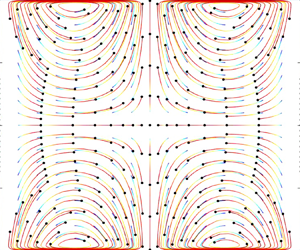
Linear stability analysis currently fails to predict turbulence transition in canonical viscous flows. We show that two alternative models of the boundary condition for incipient perturbations at solid walls produce linear instabilities that could be sufficient to explain turbulence transition. In many cases, the near-wall behaviour of the discovered instabilities is empirically indistinguishable from the classical no-slip condition. The ability of these alternative boundary conditions to predict linear instabilities that are consistent with turbulence transition suggests that the no-slip condition may be an overly simplified model of fluid–solid interface physics, particularly as a description of the flow perturbations that lead to turbulence transition in wall-bounded flows.
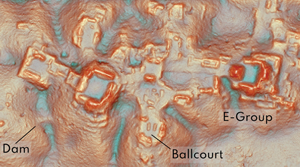
As airborne lidar surveys reveal a growing sample of urbanised tropical landscapes, questions linger about the sampling bias of such research leading to inflated estimates of urban extent and population magnitude. ‘Found’ datasets from remote sensing conducted for non-archaeological purposes and thus not subject to archaeological site bias, provide an opportunity to address these concerns through pseudorandom sampling. Here, the authors present their analysis of an environmental lidar dataset from Campeche, Mexico, which reveals previously unrecorded urbanism and dense regional-scale settlement. Both characteristics, the authors argue, are therefore demonstrably ubiquitous across the central Maya Lowlands.
One feature of language is that we are able to make mistakes in our use of language. Amongst other sorts of mistakes, we can misspeak, misspell, missign, or misunderstand. Given this, it seems that our metaphysics of words should be flexible enough to accommodate such mistakes. It has been argued that a nominalist account of words cannot accommodate the phenomenon of misspelling. I sketch a nominalist trope-bundle view of words that can.
The study of the transmission of Latin texts has received an important new addition: the second volume of Stephen Oakley's Studies in the Transmission of Latin Texts, dedicated to the text of Vitruvius, the agricultural treatises of Cato and Varro, Porphyrio's commentary on Horace (or, rather, the abbreviated commentary transmitted under his name in manuscript V and younger related manuscripts), and Priscian's Latin translation of Dionysius’ Periegesis.1 In meticulous analyses and close work with manuscripts and incunables, Oakley traces the transmission of these texts and the genealogical relationships of individual (groups of) manuscripts as well as the progress of the scholarship on their transmission. The book is nicely illustrated by fifty-one images of some of the key manuscripts, and Oakley provides information of how to access these and others online as well.