To save content items to your account,
please confirm that you agree to abide by our usage policies.
If this is the first time you use this feature, you will be asked to authorise Cambridge Core to connect with your account.
Find out more about saving content to .
To save content items to your Kindle, first ensure no-reply@cambridge.org
is added to your Approved Personal Document E-mail List under your Personal Document Settings
on the Manage Your Content and Devices page of your Amazon account. Then enter the ‘name’ part
of your Kindle email address below.
Find out more about saving to your Kindle.
Note you can select to save to either the @free.kindle.com or @kindle.com variations.
‘@free.kindle.com’ emails are free but can only be saved to your device when it is connected to wi-fi.
‘@kindle.com’ emails can be delivered even when you are not connected to wi-fi, but note that service fees apply.
Studies in cognitively normal individuals on associations between psychiatric symptomatology and incident dementia have not reliably differentiated psychiatric syndromes from neuropsychiatric symptoms (NPS) that represent neurodegeneration. Conventional modelling often overlooks symptom natural history. Mild behavioural impairment (MBI) is a syndrome that leverages later-life emergent and persistent NPS to identify a high-risk group for incident dementia.
Aim
We aimed to explore associations of MBI, and conventionally-measured NPS (NPS-not-MBI), with incident dementia in cognitively normal individuals and the cognitively normal subset with subjective cognitive decline (SCD).
Method
Using National Alzheimer's Coordinating Center data, MBI was operationalised by the absence of past psychiatric disorders (symptom emergence) and the presence of symptoms at >2/3 of pre-dementia visits (symptom persistence). Kaplan–Meier survival curves and Cox proportional hazards regressions modelled dementia incidence across NPS groups and MBI domains, adjusted for age, gender, education, race, APOE-ε4, and cognitive status.
Results
The sample comprised 1408 MBI (age 75.2 ± 9.5; 54.3% female), 5625 NPS-not-MBI (age 71.6 ± 8.8; 65.5% female) and 5078 No-NPS (age 71.2 ± 8.9; 67.6% female) participants. Compared with No-NPS, MBI participants had lower dementia-free survival (P < 0.0001) and 2.76-fold greater adjusted dementia incidence rate (95% CI: 2.27–3.35, P < 0.001); incidence rate in NPS-not-MBI did not differ from No-NPS (hazard ratio 0.97, 95% CI: 0.82–1.14, P = 0.687). Of those with MBI who progressed to dementia, 76.0% developed Alzheimer's disease. Similarly, in the SCD subsample (n = 3485), persons with MBI had 1.99-fold greater dementia incidence versus No-NPS (95% CI: 1.46–2.71, P < 0.001) while NPS-not-MBI did not differ from No-NPS (hazard ratio 0.92, 95% CI: 0.70–1.19, P = 0.511).
Conclusions
Incorporating natural history into assessment of psychiatric symptoms in accordance with MBI criteria enhances dementia prognostication and modelling.
This special issue explores foundational questions in behavioral economics and behavioral public policy, drawing on the work of Mario Rizzo, a critical voice in the debate on behavioral paternalism. Behavioral economics has offered significant insights into decision-making, often challenging traditional economic models. However, it has also introduced normative frameworks into policy analysis, such as preference purification, that critics argue oversimplify human decision-making and risk imposing external values. Contributions to this issue examine themes including the tension between standard rationality and inclusive rationality, the epistemological limitations of paternalistic interventions, and the role of tacit knowledge and dynamic learning in policymaking. By engaging perspectives from economics, psychology, philosophy, and law, the issue discusses process-based approaches to policy analysis that respect individual agency and accommodate uncertainty. It also highlights the political economy dimensions of behavioral public policy, emphasizing the need for institutional reforms that enable learning and systematic change rather than narrowly focusing on individual cognitive biases. This issue serves as both a tribute to Mario Rizzo’s intellectual contributions and a call for a deeper reflection on the methodological and normative foundations of behavioral public policy.
Renal sinus fat (RSF) crucially influences metabolic regulation, inflammation, and vascular function. We investigated the association between RSF accumulation, metabolic disorders, and nutritional status in obese individuals with hypertension. A cross-sectional study involved 51 obese hypertensive patients from Salamat Specialized Community Clinic (February–September 2022). Basic and clinical information were collected through interviews. Data included anthropometrics, blood pressure, number of antihypertensive medications, body composition (bioelectrical impedance analysis), dietary intake (semi-quantitative 147-item food frequency questionnaire), and blood samples. Renal sinus fat was measured via ultrasonography. Statistical analyses included Pearson correlation, binary logistic regression, and linear regression. RSF positively correlated with abdominal visceral adipose tissue (VAT) area (P = 0.016), systolic blood pressure (SBP) (P = 0.004), and diastolic blood pressure (DBP) (P = 0.005). A strong trend toward a positive association was observed between antihypertensive medications and RSF (P = 0.062). In linear regression, RSF was independently associated with abdominal VAT area, SBP, and DBP after adjusting for confounders. After considering other risk factors, RSF volume relates to prescribed antihypertensive medications, hypertension, and central fat accumulation in obese hypertensive subjects. These findings suggest the need for further investigations into whether RSF promotes metabolic disorders.
One pedagogical finding that has gained recent attention is the utility of active, effortful retrieval practice in effective learning. Essentially, humans learn best when they are asked to actively generate/recall knowledge for themselves, rather than receiving knowledge passively. In this paper, we (a) provide a framework for both practice and assessment within which students can organically develop active study habits, (b) share resources we have built to help implement such a framework in the linguistics classroom, and (c) provide some examples and evaluation of their success in the context of an introductory phonetics/phonology course.
The performance of plants in any one generation can be influenced not just by the prevailing biotic and abiotic factors, but also by those factors experienced by the parental generation. These maternal effects have been recorded in an array of plant species, but most studies tend to focus on abiotic factors over two generations. Here we show that maternal effects in the annual forb Senecio vulgaris may be influenced by beneficial arbuscular mycorrhizal fungi and insect herbivory over four successive generations. These effects were very much determined by seed provisioning, wherein C:N:P ratios were altered by both fungi and aphids. There was little evidence of epigenetic changes induced by the fungi or insects, instead the driving forces seemed to be allocation of N and P to the seeds. However, changes in seed chemistry were not cumulative over generations, often decreases in seed nutrient content were followed by recovery in subsequent generations. The changes in seed stoichiometry can have important consequences for viability, germination and subsequent seedling growth rates. We conclude that studies of maternal effects need to be conducted over multiple generations, and also need to be multifactorial, involving variation in abiotic factors such as water and nutrients, combined with biotic factors.
While there is ample evidence for the efficacy of IPT, confirmed through the results of the efficacy review, on the ground implementation factors are less well understood. We compiled a book on the global reach of IPT by requesting contributions from local authors through word-of-mouth methods. This approach resulted in reports from 31 countries across six continents and 15 diverse populations within the US that spanned the age range and types of usage. In this paper, our aim was to collate and summarize book contributors' descriptions of barriers and facilitators as related to their experiences of implementing IPT across the 31 countries. We conducted a conceptual content analysis and then applied the updated Consolidated Framework of Implementation Research (CFIR) to deductively organize the barriers and facilitators into its five domains. Most found IPT to be relevant and acceptable and described minor variations needed for tailoring to context. National level policies and mental health stigma were highlighted in the outer setting. Availability of specialists and general and mental health infrastructure were considerations relevant to the inner setting. Many sites had successfully implemented IPT through delivery by nonspecialized providers, although provider workload and burnout were common. Clients faced numerous practical challenges in accessing weekly care. Primary strategies to mitigate these challenges were use of telehealth delivery and shortening of the intervention duration. Most programs ensured competency through a combination of didactic training and case supervision. The latter was identified as time-intensive and costly.
The necessity for high-resolution two-dimensional (2D) simulations in flood modelling often requires excessively long simulation times. This study evaluates the impact of various hardware configurations on Hydrologic Engineering Center-River Analysis System (HEC-RAS) 2D with particular emphasis on Central Processing Unit (CPU) speed, number of cores, Random Access Memory (RAM) capacity, addressing a critical gap in the optimisation of hardware setups for time-efficient simulations. These findings are invaluable for flood modellers and the HEC-RAS community, ultimately supporting more effective flood risk management and decision-making. Additionally, the study examines how different meshes, numerical solution methods, and solving equations perform within these hardware setups, aiming to examine the effects of computational techniques on overall simulation efficiency. Our investigations were carried out using both virtual machines on the Google Cloud Platform and a desktop PC. The findings indicate that optimal performance in HEC-RAS 2D simulations does not necessarily correlate with a higher number of cores or increased RAM. Instead, a well-adjusted configuration with 8 cores and 64 GB of RAM demonstrates superior efficiency. This result questions the usual assumptions about the need for greater computational power and emphasises the value of carefully optimising hardware for fast hydraulic modelling.
Symmetry is a salient visual feature in the natural world, yet the perception of symmetry may be influenced by how natural lighting conditions (e.g., shading) fall on the object relative to its symmetry axis. Here, we investigate how symmetry detection may interact with luminance polarity grouping, and whether this modulates neural responses to symmetry, as evidenced by the Sustained Posterior Negativity (SPN) component of Event-Related Potentials (ERPs). Stimuli were dot patterns arranged either symmetrically (reflection, rotation, translation) or quasi-randomly, and by luminance polarity about a grouping axis (i.e., black dots on one side and white dots on the other). We varied the relative angular separation between the symmetry and polarity-grouping axes: 0, 30, 60, 90 deg. Participants performed a two interval-forced-choice (2IFC) task indicating which interval contained the symmetrical pattern. We found that accuracy for the 0 deg polarity-grouped condition was higher compared to the single-polarity condition for rotation and translation (but not reflection symmetry), and higher than all other angular difference (30, 60, 90) conditions for all symmetry types. The SPN was found to be separated topographically into an early and late component, with the early SPN being sensitive to luminance polarity grouping at parietal-occipital electrodes, and the late SPN sensitive to symmetry over central electrodes. The increase in relative angular differences between luminance polarity and symmetry axes highlighted changes between cardinal (0, 90 deg) and other (30, 60 deg) angles. Critically, we found a polarity-grouping effect in the SPN time window for noise only patterns, which was related to symmetry type, suggesting a task/ symmetry pattern influence on SPN processes. We conclude that luminance polarity grouping can facilitate symmetry perception when symmetry is not readily salient, as evidenced by polarity sensitivity of early SPN, yet it can also inhibit neural and behavioral responses when luminance polarity and symmetry axes are not aligned.
The negotiations on a treaty to regulate global supply chains and their impact on human rights will hold its tenth session in December 2024. The question the negotiations address is not completely new: previous efforts, starting in the 1970s at the United Nations,1 tried to establish international obligations for “transnational corporations” (TNC), but found the issue of defining the subject to be regulated challenging. Academia and civil society also took turns defining the concept, although much of the focus equally revolved around the issues surrounding or caused by transnational corporations (i.e., the resource curse, regulatory chill, etc.). However, the current debate in the intergovernmental working group established by the Human Rights Council has focused, among other important elements, on defining the object of regulation—transnational corporations or transnational business activities—as well as the specific forms of liability under domestic law that could be used in cases of human rights harms or environmental degradation caused by business enterprises. This contribution addresses these two issues, considering some of the debates during the ninth session, and exploring aspects that need to be considered as the process moves forward.
With the promise of greater efficiency and effectiveness, public authorities have increasingly turned to algorithmic systems to regulate and govern society. In Algorithmic Rule By Law, Nathalie Smuha examines this reliance on algorithmic regulation and shows how it can erode the rule of law. Drawing on extensive research and examples, Smuha argues that outsourcing important administrative decisions to algorithmic systems undermines core principles of democracy. Smuha further demonstrates that this risk is far from hypothetical or one that can be relegated to authoritarian regimes, as many of her examples are drawn from public authorities in liberal democracies that are already making use of algorithmic regulation. Focusing on the European Union, Smuha argues that the EU's digital agenda is misaligned with its aim to protect the rule of law. Novel and timely, this book should be read by anyone interested in the intersection of law, technology, and government. This title is also available as open access on Cambridge Core.
This study investigates Mandarin-speaking children’s (age 3–7) comprehension development of novel and conventional metonymy, combining online and offline methods. Both online and offline data show significantly better performances from the oldest group (6-to-7-year-old) and a delayed acquisition of conventional metonymy compared with novel metonymy. However, part of offline data shows no significant difference between adjacent age groups, while the eye-tracking data show a chronological development from age 3–7. Furthermore, in offline tasks, the three-year-old group features a high choice randomness and the four-to-five-year-olds show the longest reaction time. Therefore, we argue that, not only age but also metonymy type can influence metonymy acquisition, and that a lack of socio-cultural experience can be a source of acquisition difficulty for children under six. Methodologically speaking, we believe that online methods should not be considered superior to offline ones as they investigate different aspects of implicit and explicit language comprehension.
How native (L1) and non-native (L2) readers utilise syntactic constraints on linguistic dependency resolution during language comprehension is debated, with previous research yielding mixed findings. To address this discrepancy, we report two large-scale studies, using self-paced reading and grammaticality judgements, investigating subject-verb agreement and reflexives in L1 English speakers and Arabic learners of L2 English. We manipulated sentence grammaticality and the properties of ‘distractor’ constituents (The key(s) to the cabinet(s) were rusty) in two studies testing number in agreement and gender/number in reflexives. Study 1 showed that L2ers’ performance largely patterned with L1ers’. Although grammaticality effects were smaller for agreement in L2ers than in L1ers, proficiency modulated L2 performance. Study 2 revealed no significant between-group differences. Contrasting some L1 studies, significant distractor effects were only detected for reflexives in Study 1. Together, these results imply that L2ers compute syntactic dependencies similarly to L1ers, and potential differences might be driven by L2 proficiency.
Music therapy is a commonly used intervention added to usual care for psychiatric disorders.
Aims
We review the evidence for music therapy and assess its efficacy as an adjunct therapy across psychiatric disorders.
Method
A systematic literature search was conducted in four scientific databases to identify relevant meta-analyses. Articles were assessed with the AMSTAR-2 tool. The results of the high-quality articles were recalculated with the data from the primary studies. We decided to add the results of the lower-rated articles, using a narrative approach. We pooled the primary studies and calculated standardised mean differences (SMD) for the transdiagnostic outcomes of depression, anxiety and quality of life. We used the Grading of Recommendations, Assessment, Development and Evaluations (GRADE) tool to assess the level of evidence.
Results
Meta-analyses were available for autism, dementia, depression, insomnia, schizophrenia and substance use disorders. We identified 40 relevant articles. One article per domain was identified as high quality. Music therapy added to treatment as usual showed therapeutic value in each disorder. The transdiagnostic results showed a positive effect of music therapy on depression (SMD = 0.57, 95% CI 0.36–0.78), anxiety (SMD = 0.47, 95% CI 0.27–0.66) and quality of life (SMD = 0.47, 95% CI 0.24–0.71). However, these effects were not maintained at follow-up, and all results were based on low or very low evidence.
Conclusions
Music therapy shows promising potential as an adjunctive treatment for psychiatric disorders, but methodological weaknesses and variability limit the evidence. More high-quality, well-powered studies are needed to reliably confirm its effect size.
It has been suggested that the parents of heritage speakers (2nd generation immigrants), who are the main source of input to them, may exhibit first-language (L1) attrition in their language, thereby directly transmitting different structural properties or “errors” to the heritage speakers. Given the state of current knowledge of inconsistent input in L1 acquisition, age of acquisition effects in bilingualism, and how long it takes children to master different properties of their native language, it is highly unlikely that immigrant parents are directly transmitting patterns of language attrition to their heritage language children. The argument advanced in this article is that if the patterns evident in heritage speakers and first-generation immigrants are related, reverse transmission may be at play instead, when the heritage speakers might be influencing the language of the parents rather than the other way around. Theoretical and empirical evidence for this proposal may explain the emergence of the variety of Spanish spoken in the United States.
The Dutch parliamentary far right has been considered a relatively liberal outlier to the gender politics of the European far right, yet recent years have shown the increasing anti-gender mobilization of the party Forum voor Democratie(FvD). Based on a theoretical framework of anti-gender mobilization, the far right, and politics of knowledge, this article explores anti-gender politics as a form of alternative knowledge production through a qualitative content analysis of the FvD’s online presence. Through applying Verloo’s concept of the episteme, this article’s findings show that the FvD mobilizes against epistemic institutions by claiming they disseminate dangerous knowledge about gender, which they argue presents a fundamental threat to society, captured in conspiratorial terms like “transgender ideology” and “woke.” Simultaneously, the party promotes illiberal gender politics through the establishment of alternative epistemic institutions. This article shows how far-right actors may promote anti-gender politics by presenting themselves as “alternative intellectuals” who seek to carve out an epistemic niche alongside the mainstream.
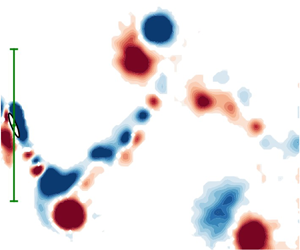
This experimental study employs Bayesian optimisation to maximise the cross-flow (transverse) flow-induced vibration (FIV) of an elastically mounted thin elliptical cylinder by implementing axial (or angular) flapping motions. The flapping amplitude was in proportion to the vibration amplitude, with a relative phase angle imposed between the angular and transverse displacements of the cylinder. The control parameter space spanned over the ranges of proportional gain and phase difference of $0 \leq K_p^* \leq 5$ and $0 \leq \phi _d \leq 360^\circ$, respectively, over a reduced velocity range of $3.0 \leqslant {U^*} = U/({{f_{nw}}} b) \leqslant 8.5$. The corresponding Reynolds number range was $1250 \leqslant {{Re}} =(U b)/\nu \leqslant 3580$. Here, $U$ is the free stream velocity, $b$ is the major cross-sectional diameter of the cylinder, ${{f_{nw}}}$ is the natural frequency of the system in quiescent fluid (water) and $\nu$ is the kinematic viscosity of the fluid. It was found that the controlled body rotation extended the wake-body synchronisation across the entire ${U^*}$ range tested, with a larger amplitude response than the non-rotating case for all flow speeds. Interestingly, two new wake-body synchronisation regimes were identified, which have not been reported in previous studies. As this geometry acts as a ‘hard-oscillator’ for ${U^*} \geqslant 6.3$, an adaptive gain (i.e. one that varies as a function of oscillation amplitude) was also implemented, allowing the body vibration, achieved for a non-rotating cylinder using increasing ${U^*}$ increments, to be excited from rest. The findings of the present study hold potential implications for the use of FIV as a means to efficiently extract energy from free-flowing water sources, a topic of increasing interest over the last decade.


The role of editorial staff in shaping early climate change narratives has been underexplored and deserves more attention. During the 1970s, the epistemological underpinnings of the production of knowledge on climate change were contested between scientists who favoured computer-based atmospheric simulations and those who were more interested in investigating the long-term history of climatic changes. Although the former group later became predominant in the Intergovernmental Panel on Climate Change during the 1980s, the latter had a sizable influence over climate discourse during the 1970s. Of these, one of the key popularizers of climate discourse during the 1970s was the British climatologist Hubert Lamb (1913–97). The correspondence between Lamb and journal editors who gatekept and curated different audiences helped craft resonant messages about climate change and its potential effects, and we explore Lamb's interactions with editors of Nature, the UNESCO Courier, The Ecologist and Development Forum in the 1973–4 period. Through understanding how climate change discussion was influenced by editors, we gain an insight into how such narratives had to be adjusted to fit into pre-existing discourses before their importance was more widely established, and how these adjustments helped shape conceptualizations of climate change as a global, human-caused phenomenon and a source of universal threat.
Continuum kinetic simulations are increasingly capable of resolving high-dimensional phase space with advances in computing. These capabilities can be more fully explored by using linear kinetic theory to initialize the self-consistent field and phase space perturbations of kinetic instabilities. The phase space perturbation of a kinetic eigenfunction in unmagnetized plasma has a simple analytic form, and in magnetized plasma may be well approximated by truncation of a cyclotron-harmonic expansion. We catalogue the most common use cases with a historical discussion of kinetic eigenfunctions and by conducting nonlinear Vlasov–Poisson and Vlasov–Maxwell simulations of singlemode and multimode two-stream, loss-cone and Weibel instabilities in unmagnetized and magnetized plasmas with one- and two-dimensional geometries. Applications to quasilinear kinetic theory are discussed and applied to the bump-on-tail instability. In order to compute eigenvalues we present novel representations of the dielectric function for ring distributions in magnetized plasmas with power series, hypergeometric and trigonometric integral forms. Eigenfunction phase space fluctuations are visualized for prototypical cases such as the Bernstein modes to build intuition. In addition, phase portraits are presented for the magnetic well associated with nonlinear saturation of the Weibel instability, distinguishing current-density-generating trapping structures from charge-density-generating ones.
In an enticing article for the Neue Zeitschrift für Musik, Hans von Bülow suggested that Joseph Joachim would be well suited to achieve a reform of violin playing in the 1850s, which would effectively close the door behind Virtuosentum. The Golden Age of virtuosity had been on its way out for several years, impacting also violin performance. And yet, violin programming in the musical metropolises London and Paris was slow to adapt. As recent work on Joachim's virtuoso years has shown, his repertoire during the 1840s encompassed far more than German classics. It accommodated plenty of virtuoso music by H.W. Ernst, de Bériot, Ferdinand David, and Vieuxtemps, as well as his own substantial, virtuoso compositions, composed for his London tours in the 1840s. As this article argues, Joachim's programming did not change overnight: the shift from performing and composing virtuoso pieces to identifying himself with lofty and serious works happened gradually. One vehicle through which Joachim transformed the state of ‘violin playing’ of the 1840s was the violin romance. Joachim, who spent three months in Paris in early 1850, used the aesthetic of the romance to transform not only the state of violin playing but also the violin romance itself. Two simple romances he composed in 1850 were followed by a third romance in 1857. The third was, in effect, a Bravourstück in disguise, exhibiting none of the older virtuoso tricks such as flying bow strokes that had fallen out of favour. Rather, in Joachim's third romance, the conspicuous, ‘1840s’ virtuosity merged into ‘shape-oriented virtuosity’, a term used in a 1854 review of Joachim's playing. Many later nineteenth-century composers of violin romances from Bruch to Sibelius adopted Joachim's romance model, negotiating between melodic simplicity and violinistic demand, resulting in lyrical pieces in which virtuosity was an undercurrent, hidden but present.