To save content items to your account,
please confirm that you agree to abide by our usage policies.
If this is the first time you use this feature, you will be asked to authorise Cambridge Core to connect with your account.
Find out more about saving content to .
To save content items to your Kindle, first ensure no-reply@cambridge.org
is added to your Approved Personal Document E-mail List under your Personal Document Settings
on the Manage Your Content and Devices page of your Amazon account. Then enter the ‘name’ part
of your Kindle email address below.
Find out more about saving to your Kindle.
Note you can select to save to either the @free.kindle.com or @kindle.com variations.
‘@free.kindle.com’ emails are free but can only be saved to your device when it is connected to wi-fi.
‘@kindle.com’ emails can be delivered even when you are not connected to wi-fi, but note that service fees apply.
Research shows that children’s home environment (e.g., the composition of their household and the resources available in it) has an impact on children’s language development. However, this research has mostly been conducted among English speakers from the minority world and has often only considered vocabulary size. This exploratory study investigated whether home environment factors are predictive of grammar development in Afrikaans-speaking (n = 117) and English-speaking (n = 102) toddlers in South Africa. Moreover, potential differences between these two language groups were explored. Results showed that home environment factors pertaining to family stability predicted two of the three grammar scores, namely total grammar and complex phrases. Cluster analysis showed distinct patterns of home environment factors between Afrikaans and English-speaking households, illustrating the importance of measuring these factors even across samples from the same country. This study shows that children’s home environment is an interconnected system and cautions against oversimplified single-factor approaches.
To communicate successfully, listeners must decode both the literal and intended meanings of a speaker’s message. This ability is especially crucial when processing indirect replies as intended meanings can differ significantly from what was said. How native and non-native speakers differ in this ability is an open question. The present study investigated differences in the time course of indirect reply processing in native and non-native Mandarin speakers. EEG signals were recorded while participants were presented with conversations that differed in their directness. For indirect replies, native speakers exhibited a larger left anterior N400 and posterior late positive component (LPC). Conversely, non-native speakers exhibited a larger left-distributed LPC and delayed LPC. Findings support that non-native speakers exhibit delayed processing of indirect replies, potentially because of cognitive resource limitations. Findings from the present study have implications for a broad range of investigations on human communication and second language processing.
Our study aim was to identify high-risk areas of neonatal mortality associated with bacterial sepsis in the state of São Paulo, Southeast Brazil. We used a population-based study applying retrospective spatial scan statistics with data extracted from birth certificates linked to death certificates. All live births from mothers residing in São Paulo State from 2004 to 2020 were included. Spatial analysis using the Poisson model was adopted to scan high-rate clusters of neonatal mortality associated with bacterial sepsis (WHO-ICD10 A32.7, A40, A41, P36, P37.2 in any line of the death certificate). We found a prevalence of neonatal death associated with bacterial sepsis of 2.3/1000 live births. Clusters of high neonatal mortality associated with bacterial sepsis were identified mainly in the southeast region of the state, with four of them appearing as cluster areas for all birth weight categories (<1500 g, 1500 to <2500 g and ≥ 2500 g). The spatial analysis according to the birth weight showed some overlapping in the detected clusters, suggesting shared risk factors that need to be explored. Our study highlights the ongoing challenge of neonatal sepsis in the most developed state of a middle-income country and the importance of employing statistical techniques, including spatial methods, for enhancing surveillance and intervention strategies.
Personality pathology is hypothesized to be an important factor in shaping identity, yet longitudinal evidence linking dimensional measures of identity and personality pathology remains scarce. To address this knowledge gap and shed light on the reciprocal dynamics proposed by the alternative model of personality disorder, we conducted a comprehensive seven-year study involving 372 emerging adults from a community sample (MageT1 = 21.98 years, SDT1 = 1.13; 57% females). Pathological personality traits were assessed using the short form of the Personality Inventory for DSM-5 (PID-5 SF) while identity was assessed with the Dimensions of Identity Development Scale (DIDS). Cross-lagged analyses in Mplus revealed that personality pathology consistently predicts subsequent different levels of identity seven years later, whereas only one significant pathway from identity to personality pathology was found. Notably, negative affectivity and detachment emerge as the most influential pathological personality trait, whereas no significant effects were found for disinhibition and psychoticism. In summary, our study uncovered compelling longitudinal associations that underscore the pivotal role of pathological personality traits in the development of identity. Implications and suggestions for future research are discussed.
The “othering” of international humanitarian law has a demonstrated past resulting from the exclusion of so-called “Enemies of the Faith” from the laws of chivalry. It is no surprise, then, that the idea of “sharp war” should seem so natural to some commentators given its historical application “by the discretion of the commander and such rules of justice and humanity as recommend themselves in the particular circumstances of the case”. The application of humanitarian principles, in other words, was the measure of the commander's charity rather than the result of legal compulsion.
The viability of sharp war appears to have increased in attractiveness as conventional State-on-State warfare has seemingly decreased in frequency; however, the question of sharp war has never been approached through a legal historical lens. Utilizing the research found in The Laws of Yesterday's Wars, a multi-author series edited by the present author, this paper seeks to fill this gap by scoping over a range of geographically and temporally disconnected case studies and the customary law developed to mitigate warfare. Ultimately, the paper highlights that “soft war” has naturally evolved in all cultures and that arguments for sharp war are a historical anomaly.
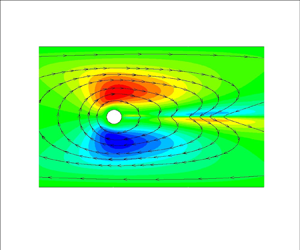
We study the two-dimensional creeping flow of a viscoelastic fluid around a cylinder confined between two plates parallel to its axis. First, we solve the governing equations under steady state with our novel stabilized finite-element formulation to obtain converged solutions even at very high Weissenberg numbers. Then, we examine the stability of this solution by perturbing all flow variables and solving the corresponding eigenvalue problem. At critical conditions, a stable asymmetric flow arises, in which more fluid passes from either the upper or the lower gap between the cylinder and the channel wall. Both shear-thinning and elasticity play a crucial role on the onset and subsequent evolution of the instability. Energy analysis shows that the terms of the constitutive equation corresponding to apparent strain-rate thinning and material extensibility are responsible for the flow destabilization. The instability is present at a wider range of flow conditions when the material is more elastic and when the solvent contribution is smaller. The instability is also promoted by increasing the confinement. Beyond the critical conditions, asymmetric flow profiles vanish when the flow is so intense that thinning effects are not important anymore. The critical Weissenberg number for instability inception and cessation depends on material properties and geometry exponentially and linearly, respectively. Furthermore, the instability arises even in a seemingly non-shear-thinning fluid, i.e. one with constant shear viscosity in simple shear, when the solvent contribution is minimal, because of the apparent thinning effect that is created by the convection of the viscoelastic stresses. Finally, models with extension-rate thinning trigger the instability at limited flow conditions, when the shear viscosity decreases with the shear rate, and the normal stresses at the wake of the cylinder are still important. These results agree with previous experiments and simulations, and give new insights on the physical mechanism that triggers this flow instability.
Intake of high quantities of dietary proteins sourced from dairy, meat or plants can affect body weight and metabolic health in humans. To improve our understanding of how this may be achieved, we reviewed the data related to the availability of nutrients and metabolites in the faeces, circulation and urine. All protein sources (≥20% by energy) increased faecal levels of branched-chain fatty acids and ammonia and decreased the levels of butyrate. Some metabolites responded to dairy and meat proteins (branched-chain amino acids) as well as dairy and plant proteins (p-cresol), which were increased in faecal matter. Specific to dairy protein intake, the faecal levels of acetate, indole and phenol were increased, whereas plant protein intake specifically increased the levels of kynurenine and tyramine. Meat protein intake increased the faecal levels of methionine, cysteine and alanine and decreased the levels of propionate and acetate. The metabolite profile in the faecal matter following dairy protein intake mirrored availability in circulation or urine. These findings provide an understanding of the contrasting gut versus systemic effects of different dietary proteins, which we know to show different physiological effects. In this regard, we provide directions to determining the mechanisms for the effects of different dietary proteins.
The Durness Group of NW Scotland records deposition on the Laurentian margin from the basal Miaolingian (Cambrian, 509 Ma) to the Dapingian–Darriwilian boundary interval (Middle Ordovician, 470.3–468.9 Ma). The 930 m thick succession of peritidal and subtidal carbonates was deposited on the Scottish promontory, a nearly 120° deflection in the Palaeozoic continental margin between the Appalachian and Greenland sectors. These sediments were deposited as part of the Great American Carbonate Bank, a non-uniformitarian, continent-scale carbonate platform developed on the peneplaned craton. Measurement and description of a bed-by-bed composite section through the Durness Group provide a high-resolution reference framework that integrates conodont biostratigraphy, chemostratigraphy and sequence stratigraphy, including correlation with the Sauk megasequence and its subdivisions. The Sauk II–Sauk III sequence boundary marks the base of the group. The top of the group is faulted against rocks of the Moine thrust zone, generated by the Scandian orogeny, but sedimentation was probably terminated by the earlier Grampian arc–continent collision at 470–469 Ma. The highly mature quartz arenites of the underlying Ardvreck Group (Cambrian Series 2) indicate that there was no source-to-sink depositional continuity from the Hebridean foreland to the Dalradian Supergroup, which has coeval clastic sedimentary rocks of contrasting composition.
It has been shown that the Mere Addition Paradox occurs in a choice-functional approach with Path Independence (Stewart R.T., 2021, Path independence and a persistent paradox of population ethics, Journal of Philosophy, forthcoming). The present study is a three-part response to this finding. First, I show that Path Independence is not an essential property leading to this paradox and that logically weaker properties can get the same result. Second, I present a rationalizable choice function that does not yield the paradox. And third, I argue that menu-dependent relations are nicely examined if Path Independence is relaxed to Property $\alpha $ (or equivalently, Contraction Consistency).
This article studies how ‘cybercrime’ is framed under the pre-existing regional prohibition regimes and how it would be reshaped under the auspices of the UN. This article adopts a sociolegal approach by integrating transnational criminal law (TCL) and the conceptual framework of recursivity. Observations and analyses show that (i) only the Budapest Convention has institutional capacity to shape ‘cybercrime’, while state behaviour of framing ‘cybercrime’ is actually subject to human rights instruments; (ii) states reach an exceptional compromise in transforming ‘cybercrime’ at the global level during the negotiations under the UN; and (iii) protection from cybercrime is emerging as a common interest. This author proposes that the normative changes of framing ‘cybercrime’ reflect the competition of states for normative power on the international plane; therefore, a pursuit of a universalist formula for countering cybercrime would not succeed owing to a lack of a global commitment to what basic norms and rules govern state behaviour in cyberspace. Lastly, this author proposes that transnational criminalization of cybercrime should seek a minimum public order at the first place because it is premature to provide any real global regulation at this moment.
Elevated levels of IL-6 in plasma are associated with the severity of visceral leishmaniasis (VL). The clinical manifestations of VL vary among patients, influenced by host factors and the virulence of the Leishmania infantum parasite. Considering that severe VL may result from an exaggerated inflammatory response, this study investigated whether IL-6 could serve as a biomarker to identify pro-inflammatory virulence factors. We conducted a genome-wide association study (GWAS) analysis on L. infantum isolates from patients with VL, whose IL-6 concentrations were measured. The analysis revealed that the relationship between IL-6 levels and clinical outcomes (survival vs mortality) had an area under the curve (AUC) of 0.67 (95% CI 0.52–0.81). A cut-off of 391.7 pg mL−1 for IL-6 was established to conduct a logistic regression analysis. We identified 10 029 single nucleotide variants (SNVs) across 62 genomes, resulting in 6,948 SNVs after filtering, of which 6,341 are located in protein-coding regions. The association analysis with PLINK identified 722 variants, of which 35 showed significant associations, with odds ratios ≥3.3, primarily in coding regions. These findings demonstrate that IL-6 levels tended to be associated with the fatal outcome of VL and highlight 35 novel genetic variants that could serve as potential biomarkers for prognosis. Further research into the biological role of these variants may lead to new therapeutic targets and improve the clinical management of VL, especially in identifying high-risk patients.
There is limited information on the crop safety and weed control potential of commercially available PRE herbicides when applied under plastic mulch on various cucumber and summer squash cultivars grown in Florida. Two cucumber field trials were conducted at the Gulf Coast Research and Education Center in Wimauma, FL, in fall 2021 and spring 2022 to determine the effects of halosulfuron, pendimethalin, S-metolachlor, sulfentrazone, fomesafen, napropamide, oxyfluorfen, and flumioxazin on crop growth and development, yield, and the control of various weed species in the fields. We conducted this trial using three cucumber cultivars: ‘Speedway’, ‘Dominator’, and ‘Mongoose’. Two summer squash field trials were conducted simultaneously, evaluating all the mentioned herbicides, except flumioxazin, in addition to rimsulfuron on three summer squash cultivars: ‘Spineless Beauty’, ‘Payload’, and ‘Everglade’. In the cucumber trials, crop damage varied with cultivar and ranged from 3% to 16% in fall 2021. All herbicides caused ≥10% crop injury, except oxyfluorfen and flumioxazin, at 28 d after transplanting (DATr) in spring 2022. In the summer squash trial, halosulfuron, S-metolachor, and flumioxazin were the three most injurious PRE herbicides, causing more than 10% crop injury in seed-grown summer squash, with no effect of PRE herbicides on crop injury in transplant-grown summer squash in fall 2021. In spring 2022, crop injury with PRE herbicides varied with cultivar, where pendimethalin and S-metolachlor were consistently the most injurious PRE herbicides, causing 14% to 25% injury at 28 DATr. All PRE herbicides caused some damage to cucumber and summer squash, with limited differences between cultivars and no effect on overall crop yield.
The ICD-11 introduced a new diagnosis of complex post-traumatic stress disorder (CPTSD) defined by disturbances in self-organisation in addition to traditional post-traumatic stress disorder symptoms. The International Trauma Questionnaire (ITQ) is the established measure of this construct and has been validated for use in a variety of populations and languages; however, evidence for the measure's use in Latin America is limited.
Aims
This study sought to validate the factor structure of the Latin American Spanish version of the ITQ in a trauma-exposed sample in Colombia.
Method
Confirmatory factor analysis was used to assess a range of factor models validated previously, including first- and second-order factor models.
Results
Assessment of fit indices demonstrated that a correlated six-factor model comprised of re-experiencing, avoidance, sense of threat, affect dysregulation, negative self-concept and disturbed relationships provided the best fit for these data. Factor loadings for this model were found to be high and statistically significant.
Conclusion
Results concur with prior research validating the use of alternative language versions of the ITQ internationally, and with the theoretical underpinnings of the CPTSD diagnostic category. The ITQ is therefore a valid measure of CPTSD in this Latin American sample. Further validation research is needed in clinical populations in this region.
In our digitalized modern society where cyber-physical systems and internet-of-things (IoT) devices are increasingly commonplace, it is paramount that we are able to assure the cybersecurity of the systems that we rely on. As a fundamental policy, we join the advocates of multilayered cybersecurity measures, where resilience is built into IoT systems by relying on multiple defensive techniques. While existing legislation such as the General Data Protection Regulation (GDPR) also takes this stance, the technical implementation of these measures is left open. This invites research into the landscape of multilayered defensive measures, and within this problem space, we focus on two defensive measures: obfuscation and diversification. In this study, through a literature review, we situate these measures within the broader IoT cybersecurity landscape and show how they operate with other security measures built on the network and within IoT devices themselves. Our findings highlight that obfuscation and diversification show promise in contributing to a cost-effective robust cybersecurity ecosystem in today’s diverse cyber threat landscape.
In the astrophysics community it is common practice to model collisionless dust, entrained in a gas flow, as a pressureless fluid. However, a pressureless fluid is fundamentally different from a collisionless fluid – the latter of which generically possess a non-zero anisotropic pressure or stress tensor. In this paper we derive a fluid model for collisionless dust, entrained in a turbulent gas, starting from the equations describing the motion of individual dust grains. We adopt a covariant formulation of our model to allow for the geometry and coordinate systems prevalent in astrophysics, and provide a closure valid for the accretion disc context. We show that the continuum mechanics properties of a dust fluid corresponds to a higher-dimensional anisotropic Maxwell fluid, after the extra dimensions are averaged out, with a dynamically important rheological stress tensor. This higher-dimensional treatment has the advantage of keeping the dust velocity and velocity of the fluid seen, and their respective moments, on the same footing. This results in a simplification of the constitutive relation describing the evolution of the dust rheological stress.
We investigated the hypotheses that broilers and pigs have distinct starch digestion capacities and that different cereals could trigger diet–species interactions. Ten replicates of two broilers (14 d old) or one pig (50 d old) each were distributed into a 3 × 2 randomised factorial design with three pelleted diets (maize, barley or oat-based) and the two species. Nutritional composition was equal for both species. Diets were fed for 10 d, and then the pancreas and organs from the stomach region and small intestine were collected with contents. It was observed that both species were similarly efficient at digesting starch but differed in some digestive aspects. Broilers had higher ileal digestibility coefficients (P < 0·001) of DM (0·69) and crude protein (0·75) than pigs (0·66 and 0·67), presented a higher volume of particles < 0·1 mm in duodenal digesta (P < 0·001) and had a lower gizzard pH (3·68) than pig stomach (4·48; P < 0·05). Conversely, pigs had lower ileal viscosity (1·44 v. 2·77 cP; P < 0·05) and higher pancreatic lipase activity (27 v. 5·9 U/g of pancreas; P < 0·05) compared with broilers. In the jejunum, oat led to higher starch digestibility (0·96; P < 0·05) than maize and barley regardless of species. In the ileum, starch digestibility was higher for broilers fed oats (0·99) than broilers fed barley (0·94; P < 0·05), establishing that oats provided, in general, a superior starch availability. The results imply that starch utilisation capacity is more related to its dietary source than to the species to which it is fed.
Working memory encompasses the limited incoming information that can be held in mind for cognitive processing. To date, we have little information on the effects of bilingualism on working memory because, absent evidence, working memory tasks cannot be assumed to measure the same constructs across language groups. To garner evidence regarding the measurement equivalence in Spanish and English, we examined second-grade children with typical development, including 80 bilingual Spanish–English speakers and 167 monolingual English speakers in the United States, using a test battery for which structural equation models have been tested – the Comprehensive Assessment Battery for Children – Working Memory (CABC-WM). Results established measurement invariance across groups up to the level of scalar invariance.
Nearly 25% of people with intellectual disability (PwID) have epilepsy compared to 1% of the UK general population. PwID are commonly excluded from research, eventually affecting their care. Understanding seizures in PwID is particularly challenging because of reliance on subjective external observation and poor objective validation. Remote electroencephalography (EEG) monitoring could capture objective data, but particular challenges and implementation strategies for this population need to be understood.
Aim
This co-production aimed to explore the accessibility and potential impact of a remote, long-term EEG tool (UnEEG 24/7 SubQ) for PwID and epilepsy.
Method
We conducted six, 2-hour long workshops; three with people with mild intellectual disability and three with families/carers of people with moderate–profound intellectual disability. Brief presentations, easy read information and model demonstrations were used to explain the problem and device. A semi-structured guide developed by a communication specialist and art-based techniques facilitated discussion with PwID. For family/carers, active listening was employed. All conversations were recorded and transcribed. Artificial intelligence-based coding and thematic analysis (ATLAS.ti and ChatGPT) were synthesised with manual theming to generate insights.
Results
Co-production included four PwID, five family members and seven care professionals. Three main themes were identified: (1) perceived benefits for improving seizure understanding, informing care and reducing family and carer responsibility to accurately identify seizures; (2) the device was feasible for some PwID but not all; and (3) appropriate person-centred communication is essential for all stakeholders to reduce concerns.
Conclusions
The workshops identified key benefits and implementing barriers to SubQ in PwID.
The Earth magnetopause, when sufficiently plane and stationary at a local scale, can be considered as a ‘quasi-tangential’ discontinuity, since the normal component of the magnetic field $B_n$ is typically very small but not zero. Contrary to observations, the ‘classic theory of discontinuities’ predicts that rotational and compressional jumps should be mutually exclusive in the general case $B_n \ne 0$, but allows only one exception: the tangential discontinuity provided that $B_n$ is strictly zero. Here we show that finite Larmor radius (FLR) effects play an important role in the quasi-tangential case, whenever the ion Larmor radius is not fully negligible with respect to the magnetopause thickness. By including FLR effects, the results suggest that a rotational discontinuity undergoes a change comparable to the change of a shear Alfvén into a kinetic Alfvén wave when considering linear modes. For this new kind of discontinuity, the co-existence of rotational and compressional variations at the magnetopause does no more imply that this boundary is a strict tangential discontinuity, even in one-dimensional (1-D)-like regions far from X lines if any. This result may lead to important consequences concerning the oldest and most basic questions of magnetospheric physics: how can the magnetopause be open, where and when? While the role of FLR is established theoretically, in this paper we show that it can be proved experimentally. For this, we make use of magnetospheric multiscale mission (MMS) data and process them with the most recent available four spacecraft tools. First, we present the different processing techniques that we use to estimate spatial derivatives, such as $grad(B)$ and $div(P)$, and the magnetopause normal direction. We point out why this normal direction must be determined with extremely high accuracy to make the conclusions unambiguous. Then, the results obtained by these techniques are presented in a detailed case study and on a statistical basis.
Diet indices are quantitative assessments of the quality of population intake. Understanding diet quality is crucial to support health and well-being; however, knowledge of diet quality across racial groups is limited. To examine diet quality of acial groups ‘White’, ‘Black’, ‘Asian’, and ‘Other’ in the United Kingdom (U.K.) and United States (U.S.), U.K. and U.S. national survey data were used to calculate Alternative Healthy Eating Index (AHEI-2010), Diet Quality Index-International (DQI-I), and EAT-Lancet scores. ANCOVA tests compared median total quality scores across racial groups adjusting for covariates. Kruskal–Wallis tests examined differences in individual component scores. Spearman correlations identified association of diet quality scores across indices. Highest diet quality scores were reported for U.K. and U.S. Asian groups. Most noticeable differences were apparent between U.S. Asian and White/Black groups (62% Asians within highest tertile of AHEI-2010 score vs. 29% Whites; P < 0.001). All racial groups demonstrated poor diet quality in terms of sustainability; EAT-Lancet scores were <40% of maximum total score for U.S. White, Black, and Other groups. AHEI-2010 diet quality scores were moderately associated with EAT-Lancet scores, evident across all groups (r = 0.53–0.65; P < 0.001). There is a need for all groups to increase intake of wholegrains, especially Black groups (mean Wholegrain score for U.S. Black group within DQI-I was 0.60 (maximum score of 5)) as demonstrated within AHEI-2010, DQI-I, and EAT-Lancet component scores. Additionally, increased intake of vegetables and legumes and decreased intake of processed and red meat would improve the adequacy, healthiness, and sustainability of U.K. and U.S. racial diets.