To save content items to your account,
please confirm that you agree to abide by our usage policies.
If this is the first time you use this feature, you will be asked to authorise Cambridge Core to connect with your account.
Find out more about saving content to .
To save content items to your Kindle, first ensure no-reply@cambridge.org
is added to your Approved Personal Document E-mail List under your Personal Document Settings
on the Manage Your Content and Devices page of your Amazon account. Then enter the ‘name’ part
of your Kindle email address below.
Find out more about saving to your Kindle.
Note you can select to save to either the @free.kindle.com or @kindle.com variations.
‘@free.kindle.com’ emails are free but can only be saved to your device when it is connected to wi-fi.
‘@kindle.com’ emails can be delivered even when you are not connected to wi-fi, but note that service fees apply.
Goosegrass [Eleusine indica (L.) Gaertn.] is one of the most problematic weeds in plasticulture strawberry [Fragaria × ananassa (Weston) Duchesne ex Rozier (pro sp.) [chiloenis × virginiana]] production systems in Florida. A 2-yr trial was implemented to evaluate the effects of different E. indica densities on strawberry growth and yield. Eleusine indica densities evaluated were 0, 0.4, 0.8, 1.9, 2.7, and 3.8 plants m−2 equally distributed on the plastic-mulched bed top within the strawberry transplant holes. Eleusine indica density did not affect E. indica height or biomass. However, E. indica seed production was positively correlated with E. indica density in Season 1 and negatively correlated with E. indica density in Season 2. A negative linear regression was observed between E. indica density and strawberry yield in both seasons. For each increase in E. indica plants per square meter, strawberry yield was reduced by 316 and 2,356 kg ha−1 for Seasons 1 and 2, respectively. Our results highlight the importance of achieving adequate E. indica management to minimize yield losses.
We study a signaling game between an employer and a potential employee, where the employee has private information regarding their production capacity. At the initial stage, the employee communicates a salary claim, after which the true production capacity is gradually revealed to the employer as the unknown drift of a Brownian motion representing the revenues generated by the employee. Subsequently, the employer has the possibility to choose a time to fire the employee in case the estimated production capacity falls short of the salary. In this setup, we use filtering and optimal stopping theory to derive an equilibrium in which the employee provides a randomized salary claim and the employer uses a threshold strategy in terms of the conditional probability for the high production capacity. The analysis is robust in the sense that various extensions of the basic model can be solved using the same methodology, including cases with positive firing costs, incomplete information about an individual’s own type, as well as an additional interview phase.
In the present study, we propose a Reynolds analogy model for compressible wall turbulence. This model is demonstrated to be able to alleviate the defects of the generalized Reynolds analogy model (GRA) (Zhang et al., J. Fluid Mech., vol. 739, 2014, pp. 392–420), and maintains its success in describing the mean velocity–temperature relation. Furthermore, the present model is superior to the GRA in depicting the relationship between their fluctuating fields and also bridges the gap between the phenomenological model and the mathematical representation of the Reynolds analogy. The key points of the present model are validated by analysing the data of compressible wall-bounded turbulence with different Mach numbers, Reynolds numbers and wall thermal conditions.
We introduce a dynamic dataset of all communications by state election officials (EOs) on social media during the 2022 election cycle and develop metrics to assess the effectiveness of trust-building strategies on voter confidence. We employ quantitative manual content analysis of 10,000 organic posts from 118 state EOs’ accounts on Facebook, Instagram, and Twitter between September 10 and November 30, 2022, and code for the presence of variables that measure EOs’ efforts to combat misinformation and build trusted networks of communications. The measures we present here address two questions: (1) How much coordination was there among states in terms of incorporating the #TrustedInfo2022 campaign, promoted by the National Association of Secretaries of State, in their social media communications, and (2) How much of states’ social media communications explicitly signaled that EOs are trusted sources of information? We demonstrate the applicability of our data on research that evaluates the impact of trust-building campaigns on voter confidence in elections, which is grounded on theories of deliberative democracy and democratic listening.
We synthesize sea-level science developments, priorities and practitioner needs at the end of the 10-year World Climate Research Program Grand Challenge ’Regional Sea-Level Change and Coastal Impacts’. Sea-level science and associated climate services have progressed but are unevenly distributed. There remains deep uncertainty concerning high-end and long-term sea-level projections due to indeterminate emissions, the ice sheet response and other climate tipping points. These are priorities for sea-level science. At the same time practitioners need climate services that provide localized information including median and curated high-end sea-level projections for long-term planning, together with information to address near-term pressures, including extreme sea level-related hazards and land subsidence, which can greatly exceed current rates of climate-induced sea-level rise in some populous coastal settlements. To maximise the impact of scientific knowledge, ongoing co-production between science and practitioner communities is essential. Here we report on recent progress and ways forward for the next decade.
Crystal structures along the join beryl–pezzottaite have been refined and their compositions determined by electron-microprobe analysis. All crystals show sharp uniform diffraction spots but are microscale mixtures of more than one structure. Three distinct phases were identified with different diffraction characteristics: (1) hexagonal (P6/mcc) Cs-rich beryl; (2) hexagonal–rhombohedral ($R\overline 3 c$) twinned pezzottaite; (3) incommensurate phases with cell dimensions resembling those of beryl with a doubled c-dimension and l indices deviating from integer values by ±0.05–0.10. Beryl (P6/mcc) structures refined to R1 indices from 2.36 to 2.91% and pezzottaite structures refined to R1 indices from 3.31 to 5.83%. In pezzottaite, the Cs1 and Cs2 sites are each occupied by Cs+, Rb+ and (H2O) with Cs+ showing a preference for Cs1; and the Na1 and Na2 sites are occupied by Na+ and Ca2+. Na+ bonds to one (H2O) group and (H2O) bonds to one Na+. The ordering of (Cs+ + Rb+) and (Na+ + Ca2+) in pezzottaite is driven by the incident bond-valence requirements of the anions coordinating the (LiO4) tetrahedron. The valence-sum rule is maintained through the (Cs+ + Rb+) + Li+ → □ + Be2+ variation in beryl by cooperative relaxation of bonds at the Si and Be tetrahedra, and in pezzottaite by cooperative relaxation of bonds at the Si, Al and Li tetrahedra. The valence-sum rule mandates that Na+ must bond to one channel (type-II) (H2O) group which, when combined with the constraint of electroneutrality, requires that compositions along the beryl–pezzottaite join must lie below the line (Cs+ + Rb+) + 2(Na+ + Ca2+) = 1 – 2Ca2+ apfu. The occurrence of an incommensurate phase at intermediate compositions is due to the interaction of the species in adjacent columns of the P6/mcc beryl structure.
The development of thermal boundary layers and plume near a section-triangular roof under different isothermal heating conditions has been the focus of numerous numerical studies. However, flow transition in this type of flow has never been observed experimentally. Here, phase-shifting interferometry and thermistor measurements are employed to experimentally observe and quantify the flow transitions in a buoyancy-driven flow over an isothermal section-triangular roof. Visualisation of temperature contours is conducted across a wide range of Rayleigh numbers from laminar at 103 to chaotic state at 4 × 10⁶. Power spectral density of the temperature measurements reveals the type of bifurcations developing as the Rayleigh number is increased. This flow transition is characterised as a complex bifurcation route with the presence of two fundamental frequencies, a low and a high frequency. We found that the thermal stratification in the environment plays a significant role in the flow transition. The spatial development of flow is also quantitatively and qualitatively described. In addition to clarifying flow transition in experiments, the work demonstrates the implementation of phase-shifting interferometry and punctual temperature measurements for characterisation of near-field flow over a heated surface.
This essay examines June Jordan’s design writings to elaborate a political theory of redesign in her work. I show that Jordan’s redesign offers political principles for reimagining space at multiple scales and speaks to the question of how more livable, beautiful worlds may be wrought from the material contexts in which we presently live. Against the grain of the dismantling of public goods in the late twentieth century, Jordan re-envisioned public city spaces and housing with dignity and room for human flourishing. Her primary barometer for design was the fullest expression of human aliveness—she insisted that the built environment should “[cherish] as it amplifies the experience of being alive.” Jordan’s visionary pragmatism anticipates what Deva Woodly calls the “radical Black feminist pragmatism” of the twenty-first century’s Movement for Black Lives and speaks to contemporary abolitionist thought and struggles over the future of public goods.
Ask most oncologists (especially radiation oncologists), and you may be hard pressed to find one who professes ignorance of Madame Curie and her historic contributions to medicine. Innumerable publications and media over the past century have correctly memorialised Madame Curie as one of the most brilliant minds in world history. However, do any of us really know the woman and the true extent of her sphere of influence? How, as well, does she fit into modern life and contemporary scientific advancement? Let us try to understand and learn from this complex scientist as more than just one of the most brilliant minds in human history.
Ultra-processed foods (UPF), per the NOVA Classification, provide a major source of calories within modern food systems and are associated with poor health outcomes related to chronic inflammation. Dietary antioxidants play a key role in preventing disease; however, the relationship between the NOVA Classification and the total antioxidant content (TAC) of foods is not well characterised. We hypothesised that TAC would be highest in minimally processed food (MPF), lower in processed food (PRF) and lowest in UPF. TAC data for 3137 animal-based, mixed and plant-based food items were obtained from a published dataset. After data cleaning, 1946 food items and their TAC values were analysed using two hierarchal linear models (alpha: P < 0·05). MPF had the highest mean TAC (10·79 (sem 0·87) mmol/100 g) and were 11·31-fold and 10·72-fold higher than PRF and UPF, respectively (P = 0·023). Plant-based and mixed foods had a higher mean TAC (8·55 (sem 0·68) and 1·12 (sem 0·11) mmol/100 g, respectively) and were 22·67-fold and 2·98-fold higher compared with animal-based foods (P < 0·001). Food processing did not change mean TAC in mixed and animal-based foods; however, plant-based MPF had a higher mean TAC (11·49 (sem 0·93) mmol/100 g) and were 9·88-fold and 15·12-fold higher compared with plant-based PRF and UPF, respectively (P < 0·001). Mean TAC differed between NOVA processing groups for three categories of food: vegetables, beverages and beans, nuts and seeds (P < 0·001). Across all food items, and especially plant-based foods, mean TAC decreased with food processing. The lower TAC of UPF may at least partially explain why their consumption promotes inflammatory chronic disease.
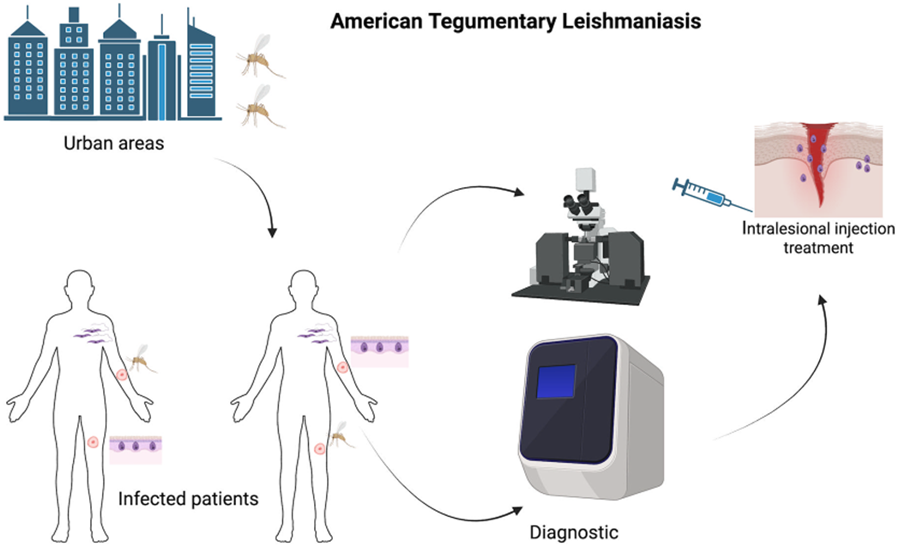
The challenge of American tegumentary leishmaniasis (ATL) continues in Brazil, presenting a persistent public health issue despite initiatives aimed at public outreach, vector control and health education. To gain a deeper understanding of this disease, a study was conducted in an endemic region located in the northern region of the state of Minas Gerais, Brazil. The study monitored 30 resident patients diagnosed with ATL, using serum samples from 6 healthy individuals as controls. The localized cutaneous form of the disease was found to be predominant, with lesions appearing on various parts of the body and the majority of the affected individuals being male. The study found significantly higher levels of IgG anti-α-Gal antibodies in ATL-infected patients compared to healthy individuals. Treatment of 19 patients with meglumine antimoniate resulted in limited improvement in symptoms for most. Nonetheless, the study found that 12 patients who completed treatment with epithelialization of the lesions showed a significant decrease in IgG anti-α-Gal antibodies, indicating potential applications of this antibody in the diagnosis and monitoring of the disease. The study also identified Leishmania species in 7 analysed patients, revealing 6 cases infected by Leishmania braziliensis and 1 by L. infantum, with a significant difference in the anti-α-Gal responses. The findings of the study emphasize the urgent need for the development of human vaccines and innovative treatment strategies adapted to the diversity of Leishmania species causing cutaneous leishmaniasis and individual patient responses to improve the clinical management of ATL in Brazil and similar endemic regions.
To examine practices of providers and nursing staff in evaluating febrile patients and identify drivers of excessive diagnostic testing.
Design:
Prospective multiple-choice surveys.
Setting:
Inpatient areas and the Emergency Department at Rhode Island Hospital (RIH) in Providence, RI.
Participants & Methods:
We conducted two surveys focused on the evaluation of febrile inpatients at RIH. One survey was of providers trained in internal medicine, surgery, pediatrics, emergency medicine, and neurology; the other survey was of nursing staff (registered nurses and certified nursing assistants), in inpatient areas and the emergency department.
Results:
70 providers (9%) and 178 nursing staff (12%) completed the surveys. 64% of providers (n = 43) reported “always” or “often” ordering full fever workups and 67% of providers (n = 47) reported “always” or “often” physically evaluating febrile patients. Nurses were less likely than providers to report that providers “always” or “often” physically evaluate febrile patients (n = 80, 45%; P < 0.01) and more likely to report providers “always” or “often” order full fever workups (n = 135, 76%; P = 0.04). 71% of providers (n = 50) reported “always” or “often” receiving written handoffs. 86% of providers (n = 60) reported handoffs are “always” or “often” accurate; however, only 17% of providers responded these were “always” accurate. 77% of providers (n = 54) reported “always” or “often” following handoff instructions to obtain a full fever workup for febrile patients, regardless of clinical status. Responses differed significantly by unit type and provider specialty and position.
Conclusions:
This study elucidates drivers of inefficient and excessive utilization of diagnostic studies and identifies targets for diagnostic stewardship interventions.
This article considers John Harris’ work on autonomy, specifically reproductive autonomy, outlined in The Value of Life and developed throughout his career. Harris often used the concept of reproductive autonomy to make the case for liberal approaches to developments in reproductive and genetic technologies. Harris argued that reproductive autonomy should be highly valued, and therefore we need compelling arguments to justify limiting it in anyway. When discussing reproductive autonomy, Harris focused mainly on restrictions on the potential users of reproductive technologies autonomy, that is, prospective parents. This article extends the discussion of autonomy and the appropriate limits to individuals exercising their autonomy to medical professionals working in this area. Given reproductive technologies have become part of routine medical practice, this article considers whether the current restrictions on both patients and clinicians, as imposed by regulators and professional guidelines, remain ethically justified.
This article challenges prevailing national interpretations of solidarity by examining its colonial dimensions. Employing the Durkheimian school as a historical lens, I demonstrate how the colonial context during the Third Republic shaped the emergence and application of solidarity as a scientific concept. Informed by colonial ethnographies, solidarity was not merely a sociological self-description within European nations; it also formed part of political agendas beyond Europe. I illustrate how Durkheim’s concept was utilized to enhance scientific understanding of colonized societies, aiding French colonial administrators in promoting developmentalist reforms. As national models extended internationally, solidarity evolved from social cohesion to economic integration within the international legal order. This progression toward modern solidarity—and the injustices it entailed—appeared inevitable, masking political struggles for self-determination. By critically recontextualizing solidarity, this analysis contributes to contemporary political theory debates, demonstrating its application in supporting an inclusive legal-economic agenda while failing to systematically confront colonial injustices.
We present new Australia Telescope Compact Array (ATCA) radio observations towards N 49, one of the brightest extragalactic supernova remnants (SNRs) located in the Large Magellanic Cloud (LMC). Our new and archival ATCA radio observations were analysed along with Chandra X-ray data. These observations show a prominent ‘bullet’ shaped feature beyond the southwestern boundary of the SNR. Both X-ray morphology and radio polarisation analysis support a physical connection of this feature to the SNR. The ‘bullet’ feature’s apparent velocity is estimated at $\sim$1 300 km s$^{-1}$, based on its distance ($\sim$10 pc) from the remnant’s geometric centre and estimated age ($\sim$7 600 yr). we estimated the radio spectral index, $\alpha= -0.55 \pm 0.03$ which is typical of middle-age SNRs. Polarisation maps created for N 49 show low to moderate levels of mean fractional polarisation estimated at 7$\pm$1% and 10$\pm$1% for 5.5 and 9 GHz, respectively. These values are noticeably larger than found in previous studies. Moreover, the mean value for the Faraday rotation of SNR N 49 from combining CABB data is 212$\pm$65 rad m$^{-2}$ and the maximum value of RM is 591$\pm$103 rad m$^{-2}$.
The royal charter of the Royal College of Psychiatrists is generally taken to enhance its status. However, the concept of a hereditary monarchy is intellectually indefensible and the realities of the British monarchy exacerbate inequalities in the UK. The connection is particularly problematic for psychiatrists because of their role in the compulsory detention and treatment of patients. The Royal affiliation can only serve to emphasise the power inequalities in society associated with these activities. College members should feel free to discuss whether this situation should continue or whether we should be British rather than Royal.
This study provides the first investigation into quantities, types, and potential sources of anthropogenic beach litter in Sierra Leone. Beach litter surveys were conducted monthly at four sites over 11 months. A total of 72,901 litter items (1,246 kg dry weight) were categorised. Across all sites, an average of 1,657 items per 100 m (SD = 1,639) and 28.32 kg per 100 m (SD = 37.48) were recorded. Plastics accounted for 70% of the litter by count and 49% by weight. The three most abundant items by count were plastic bottles (25%), plastic caps and lids (13%), and plastic water sachets (12%). By weight, the three most abundant items were plastic bottles (36%), flip-flops (20%), and shoes (9%). Litter amounts decreased from wet to dry season. We provide the following policy recommendations: improving drinking water access and sanitation, waste management, infrastructure and behaviour change.
Most patients with internuclear ophthalmoplegia (INO) are orthotropic, although a subset is exotropic. When INO is bilateral, this is termed wall-eyed bilateral internuclear ophthalmoplegia (WEBINO). In 1979, Sharpe described his “first case” of wall-eyed monocular internuclear ophthalmoplegia (WEMINO) as “a unique clinical syndrome” characterized by unilateral INO and ipsilateral exotropia.
Methods:
WEMINO was clinically identified in seven patients, with oculographic correlation in six and neuropathological confirmation in one. Oculographic features of exotropic INO patients were compared with those of six orthotropic INO patients using magnetic search coil and infrared oculography.
Results:
All clinically defined WEMINO patients showed slowed, hypometric ipsilateral saccades by oculography. Six patients had ipsilateral exotropia, and three had ipsilateral hypertropia. Ipsilateral abducting saccades had faster peak velocities for smaller saccades, more so for orthotropic patients. Exotropic patients had normal sinusoidal mean vestibulo-ocular reflex (VOR) gains and phases; orthotropic patients had subnormal mean VOR gains and phase leads.
Conclusion:
WEMINO is a clinical ocular motor syndrome characterized by unilateral slow, hypometric adducting saccades with exotropia and hypertropia of the ipsilateral eye. We propose that it results from discrete unilateral damage to burst-tonic fibers in the medial longitudinal fasciculus (MLF) with sparing of the adjacent extrafascicular pathways. Paradoxically, orthotropic INO results from more extensive damage to ascending pathways lateral, ventral and caudal to the MLF. Direct injury to the medial rectus subnucleus is not required. This manuscript was in preparation at the time of Dr Sharpe’s death in 2013 and is an acknowledgement of his forward-thinking, as his hypotheses have stood the test of time.
Cognitive and psychiatric symptoms are frequently reported after SARS-CoV-2 infection, but their interplay has been only partially explored. We investigated frequency and severity of psychiatric symptoms in patients with persistent cognitive complaints after COVID-19.
Methods
We conducted a cross-sectional study. Neurologists assessed 101 patients reporting cognitive symptoms after COVID-19. Patients were invited to fill a screening battery with self-reported psychometric scales (Depression Anxiety Stress Scales-21, Impact of Event Scale-Revised, Insomnia Severity Index). Patients scoring above validated cut-offs in ≥1 scale were referred to psychiatrists who administered the Mini-International Neuropsychiatric Interview (M.I.N.I.), Hamilton Anxiety (HAM-A), and Hamilton Depression (HAM-D) rating scales and asked to complete the Personality Inventory for DSM-5-Brief Form (PID-5-BF).
Results
Out of the 57 referred patients, 38 (64.4%) accepted to undergo the psychiatric examination. Among these, 18 (47.4%) were diagnosed with adjustment disorder (23.7%), anxiety disorder (10.5%), major depressive disorder (7.9%), and post-traumatic stress disorder (2.6%). Pharmacologic treatment before post-COVID condition (present in 12 patients, 31.6%) was associated with a score above cut-off on the HAM-A and HAM-D scales. A longer duration of untreated psychiatric illness after COVID-19 was associated with worse scores on the same scales. Patients with a higher PID-5-BF total score had a higher probability of receiving a psychiatric diagnosis.
Conclusion
Almost half of patients with post-COVID-19 conditions reporting cognitive symptoms were found to suffer from a psychiatric condition after psychiatric evaluation. The application of a psychiatric screening in a population suffering from long-term effects of COVID-19 can lead to early diagnosis and timely treatment.
This study investigated the association between screen time and ultra-processed food (UPF) consumption across the lifespan, using data from the 2019 Brazilian National Health Survey, a cross-sectional and population-based study. A score was used to evaluate UPF consumption, calculated by summing the positive answers to questions about the consumption of ten UPF subgroups on the previous day. Scores ≥5 represented high UPF consumption. Daily time spent engaging with television or other screens was self-reported. Crude and adjusted models were obtained through Poisson regression and results were expressed in prevalence ratios by age group. The sample included 2315 adolescents, 65 803 adults and 22 728 older adults. The prevalence of UPF scores ≥5 was higher according to increased screen time, with dose–response across all age groups and types of screen time. Adolescents, adults and older adults watching television for ≥6 h/d presented prevalence of UPF scores ≥5 1·8 (95 % CI 1·2, 2·9), 1·9 (95 % CI 1·6, 2·3) and 2·2 (95 % CI 1·4, 3·6) times higher, respectively, compared with those who did not watch television. For other screens, the prevalence of UPF scores ≥5 was 2·4 (95 % CI 1·3, 4·1) and 1·6 (95 % CI 1·4, 1·9) times higher for adolescents and adults using screens for ≥ 6 h/d, respectively, while for older adults, only screen times of 2 to < 3 and 3 to < 6 h were significantly associated with UPF scores ≥5. Screen time was associated with high consumption of UPF in all age groups. Considering these associations when planning and implementing interventions would be beneficial for public health across the lifespan.