To save content items to your account,
please confirm that you agree to abide by our usage policies.
If this is the first time you use this feature, you will be asked to authorise Cambridge Core to connect with your account.
Find out more about saving content to .
To save content items to your Kindle, first ensure no-reply@cambridge.org
is added to your Approved Personal Document E-mail List under your Personal Document Settings
on the Manage Your Content and Devices page of your Amazon account. Then enter the ‘name’ part
of your Kindle email address below.
Find out more about saving to your Kindle.
Note you can select to save to either the @free.kindle.com or @kindle.com variations.
‘@free.kindle.com’ emails are free but can only be saved to your device when it is connected to wi-fi.
‘@kindle.com’ emails can be delivered even when you are not connected to wi-fi, but note that service fees apply.
People living with mental illness report a broad spectrum of nutrition risks, beyond malnutrition, but appropriate and adequately validated nutrition risk screening tools for mental health settings are lacking. This study aimed to develop a nutrition-risk screening tool, the NutriMental Screener, and to perform preliminary feasibility and validity testing. In an international, stakeholder engaging approach, a multifaceted nutrition-risk screening tool for mental health services was developed by means of workshops with international stakeholders and two online surveys. Feasibility of the NutriMental screener was tested as part of a research study in Switzerland with 196 participants, evenly distributed across the three study groups (sixty-seven outpatients and sixty-five inpatients with psychotic or depressive disorders as well as sixty-four controls without mental illness). The NutriMental screener consists of ten items covering different nutritional issues that indicate the need for referral to a dietitian or clinical nutritionist. Almost all patients (94·7 %) reported at least one nutrition risk by means of the NutriMental screener. Prevalence for nutrition risks via NutriMental screener was higher in patients than in controls. Almost every second patient expressed a desire for nutritional support (44·7 %). After further validity testing is completed, there is the potential for the NutriMental Screener to replace malnutrition screening tools as routine screening in various mental health settings aiming to organise nutritional therapy prescriptions in a more targeted and efficient manner.
Randomised controlled trials have demonstrated the benefit of diet modification to improve diet quality in the treatment of adult major depressive disorder (MDD). However, research examining nutritional interventions for adolescents with MDD is sparse. This pilot study examined the feasibility of a personalised nutrition intervention for adolescents with MDD. Ten adolescents with MDD and their parents recruited from a tertiary care setting participated in an 8-week, single-arm mixed-methods study. Feasibility was assessed using five criteria (demand, acceptability, implementation, adaptation and limited efficacy testing) alongside qualitative interviews. The intervention involved four bi-weekly virtual nutrition counselling sessions with a stepped approach to dietary change, menu planning, grocery delivery and educational eHealth messages. Study participants sought positive changes in diet, health and lifestyle for adolescents and family-wide benefits. Recruitment challenges included concerns about managing mood fluctuations, anticipated dietary restrictions and the potential time and effort required for diet adherence. Feedback based on interviews emphasised moderate to high acceptability, satisfaction with menu planning and counselling and recognition of the benefits of trying new foods and sustaining positive dietary changes beyond the study. Improvements in depression symptoms (Cohen’s d = 0·36, 95 % CI (–0·24, 3·36)), parent food modeling (Cohen’s d = 0·24, 95 % CI (–0·43, 1·16) and the family food environment (Cohen’s d = 0·61, 95 % CI (–0·04, 2·61)) were observed. This nutrition intervention was feasible for adolescents with MDD and was acceptable to both parents and depressed adolescents. These preliminary data suggest that further examination of the intervention and its potential benefits on depression symptoms and family food dynamics are warranted.
A recurrent trope in the reception of Joseph Joachim's performances is the notion that that he magically transformed himself into the composer of the work. In particular, his performances of violin concertos frequently evoked this perception, as documented by Andreas Moser, Otto Gumbrecht, Hans von Bülow, and Johannes Brahms. Building on work by Katharina Uhde and Karen Leistra-Jones, this article will propose that Joachim's cadenzas played a central role in fostering the perceived slippage between the composer and performer. Joachim composed – and performed – cadenzas for many of the concertos in his core repertoire, including works by Giuseppe Tartini, W. A. Mozart, Giovanni Battista Viotti, Ludwig van Beethoven, and Brahms. I will argue that Joachim's cadenzas enact a compositional approach to the thematic material. The depth of this engagement is profound, encompassing not only the soloistic passages but also the ritornello sections as material for developmental reworking and modulatory processes. In fact, he often explores harmonic avenues that are only hinted at in the ‘parent’ concerto, highlighting and fulfilling moments of unrealized potential. Joachim's cadenzas thus create the impression that the composer of the concerto is revising and expanding his own work. I propose that he inhabits the genre of the cadenza as a site of compositional and performative virtuosity, fusing the two personas at a time when they were becoming increasingly polarized in European musical culture.
La conformación de uniones mixtas entre personas inmigrantes y nativas se ha considerado un elemento central en el proceso de integración social, sobre todo cuando intervienen atributos como la nacionalidad y la identidad étnica. Aunque este tema ha sido ampliamente investigado en otros contextos, ha recibido menos atención en México. Este artículo busca analizar las dimensiones relacionadas con el proyecto migratorio, los discursos sobre la diferencia en México y el efecto del mestizaje sobre la formación de uniones y dinámicas de socialización de las personas. A partir de un acercamiento cualitativo que comprende el análisis de treinta y dos relatos de vida de inmigrantes latinoamericanos residentes en México, se encontró que este tipo de arreglos sociales no se traducen de manera directa en el debilitamiento de fronteras sociales, sino que pueden constituirse, en algunos casos, en elementos de reforzamiento de las barreras que dificultan la integración en distintas esferas de reproducción social.
Flowering rush (Butomus umbellatus L.) is an emergent perennial monocot that has invaded aquatic systems along the U.S.–Canadian border. Currently, there are two known cytotypes of flowering rush, diploid and triploid, within the invaded range. Although most studies have focused on the triploid cytotype, little information is known about diploid plants. Therefore, phenology and resource allocation were studied on the diploid cytotype of flowering rush in three study sites (Mentor Marsh, OH; Tonawanda Wildlife Management Area, NY; and Unity Island, NY) to understand seasonal resource allocation and environmental influences on growth, and to optimize management strategies. Samples were harvested once a month from May to November at each site from 2021 to 2023. Plant metrics were regressed to air temperature, water temperature, and water depth. Aboveground biomass peaked from July to September and comprised 50% to 70% of total biomass. Rhizome biomass peaked from September to November and comprised 40% to 50% of total biomass. Rhizome bulbil densities peaked from September to November at 3,000 to 16,000 rhizome bulbils m−2. Regression analysis resulted in strong negative relationships between rhizome starch content and air temperature (r2 = 0.52) and water temperature (r2 = 46). Other significant, though weak, relationships were found, including a positive relationship between aboveground biomass and air temperature (r2 = 0.17), a negative relationship between rhizome bulbil biomass and air temperature (r2 = 0.18) and a positive relationship between leaf density and air temperature (r2 = 0.17). Rhizomes and rhizome bulbils combined stored up to 60% of total starch, and therefore, present a unique challenge to management, as these structures cannot be reached directly with herbicides. Therefore, management should target the aboveground tissue before peak production (July) to reduce internal starch storage and aim to limit regrowth over several years.
Khakiweed is a perennial broadleaf weed that is difficult to control because of its multiple means of reproduction, vigorous growth, and deep taproot. Khakiweed reduces the performance of pasture, pecan, and turf areas by choking out desirable grass and legume species. Because information on the effectiveness of contact and residual herbicides for control in pecan and pasture areas is limited, greenhouse studies were conducted to determine the effect of application timing, mode of action, and rate on khakiweed control. Preemergence and postemergence herbicides were applied to mature khakiweed plants at 0.25X, 0.5X, 1X, or 2X the label recommended rate for general broadleaf control. Biomass was collected 3 wk after application. Plants regrew from roots in the greenhouse until a second biomass harvest was collected at 6 wk after treatment (WAT). Metsulfuron-methyl, indaziflam, or pendimethalin was applied preemergence to the soil surface. All rates of preemergence herbicides provided high-efficacy control of regrowth (>85%) compared to the nontreated control. The efficacies of postemergence-applied metsulfuron-methyl, metsulfuron-methyl + nicosulfuron, indaziflam, aminopyralid + florpyrauxifen-benzyl, 2,4-D amine, and 2,4-D amine + florpyrauxifen-benzyl were also examined. All postemergence herbicide treatments exhibited control compared to the nontreated plants at both sample timings (3 and 6 WAT) and increased with herbicide application rate. No herbicide provided high-efficacy control during the initial postspray period (0 to 3 WAT). During the regrowth period (3 to 6 WAT), metsulfuron-methyl alone and in combination gave >85% control of khakiweed biomass, indicating that the sulfonylurea herbicides used in this study are well suited to controlling khakiweed.
West Virginia is a rural state with high rates of type 2 diabetes (T2DM) and prediabetes. The Diabetes Prevention and Management (DPM) program was a health coach (HC)-led, 12-month community-based lifestyle intervention.
Objective:
The study examined the impact of the DPM program on changes in glycosylated hemoglobin (A1C) and weight over twelve months among rural adults with diabetes and prediabetes. Program feasibility and acceptability were also explored.
Methods:
An explanatory sequential quantitative and qualitative one-group study design was used to gain insight into the pre- and 12-month changes to health behavior and clinical outcomes. Trained HCs delivered the educational sessions and provided weekly health coaching feedback. Assessments included demographics, clinical, anthropometric, and qualitative focus groups. Participants included 94 obese adults with diabetes (63%) and prediabetes (37%). Twenty-two participated in three focus groups.
Results:
Average attendance was 13.7 ± 6.1 out of 22 sessions. Mean weight loss was 4.4 ± 11.5 lbs at twelve months and clinical improvement in A1C (0.4%) was noted among T2DM adults. Program retention (82%) was higher among older participants and those with poor glycemic control. While all participants connected to a trained HC, only 72% had regular weekly health coaching. Participants reported overall acceptability and satisfaction with the program and limited barriers to program engagement.
Conclusion:
Our findings suggest that it is feasible to implement an HC-led DPM program in rural communities and improve A1C in T2DM adults. Trained HCs have the potential to be integrated with healthcare teams in rural regions of the United States.
Interrow weed control is used in a wide range of crops, traditionally applied via physical cultivation or banded herbicide application. However, these methods may result in crop damage, development of herbicide resistance, or off-target environmental impacts. Electric interrow weed control presents an alternative, although its potential impact on crop yield requires further investigation. One of the modes of action of electric weed control is the continuous electrode–plant contact method, which passes a current through the weed and into the roots. As the current passes into the roots, it can potentially disperse through the soil to neighboring root systems. Such off-target current dispersion, particularly in moist topsoil with low resistance, poses potential concern for neighboring crops when electric interrow weed control is applied. This research evaluated the continuous electrode–plant contact method, using a Zasso™ XPower machine, in comparison with mowing across three trials conducted in 2022 and 2023. Both treatments were used to remove target lupine (Lupinus albus L.) plants adjacent to a row of non-target lupine. Electric weed control was applied to plants in dry soil or following a simulated rainfall event. The trials demonstrated that electric weed control and mowing did not reduce density and biomass of neighboring non-target lupine plants compared with the untreated control. Likewise, pod and seed production, grain size, and protein, as well as grain germinability and vigor of the resulting seedlings, were not reduced by these weed control tactics. This research used technology that was not fit for purpose in broadscale grain crops but concludes that electric weed control via the continuous electrode–plant contact method or mowing did not result in crop damage. Therefore, it is unlikely that damage will occur using commercial-grade electric weed control or mowing technology designed for large-acreage interrow weed control, thus offering nonchemical weed management options.
Greenland is the world's largest island, but only a narrow strip of land between the Inland Ice and the sea is inhabitable. Yet, the Norse chose to settle here around ad 986. During the eleventh century ad, precontact Inuit people moved into Greenland from northern Alaska via Canada. Although the two cultures faced the same climatic changes during the Little Ice Age, the Inuit thrived, while the Norse did not, for multiple causes. The authors focus on one of these causes, the hitherto overlooked contribution of young children's learning strategies to societal adaptation. The detailed analysis of a large corpus of play objects reveals striking differences between the children's material culture in the two cultures: rich and diverse in the precontact Inuit material and more limited and normative in the Norse. Drawing on insights from developmental psychology, the authors discuss possible effects of play objects on children's future adaptability in variable climatic conditions.
This study aimed to assess the knowledge, attitude, and practice (KAP) of WeChat users towards health-related public accounts.
Methods
The study included 567 participants who completed the questionnaire. Pearson correlation analysis was used to evaluate the correlation among the 3 dimensions. Multivariate analysis identified independent factors associated with KAP scores.
Results
The mean scores for knowledge, attitude, and practice were 6.12 ± 2.29 (61.2% of the total), 55.83 ± 7.33 (69.8% of the total), and 14.07 ± 3.72 (70.4% of the total), respectively. Significant positive correlations were observed between knowledge and practice (r = 0.392, P < 0.001) as well as between attitude and practice (r = 0.319, P < 0.001). Age [OR = 0.29 (0.09, 0.91), P = 0.034], marital status [OR = 2.11 (1.04, 4.29), P = 0.038], income [OR = 2.42 (1.23, 4.75), P = 0.010], and physical condition [OR = 0.45 (0.24, 0.85), P = 0.014] were independent factors associated with KAP scores.
Conclusions
WeChat users in China had relatively adequate knowledge and positive attitudes towards health-related public accounts. The findings highlight the potential of WeChat in enhancing health information dissemination in China.
Latinx populations are underrepresented in clinical research. Asking Latinx research participants about their research experiences, barriers, and facilitators could help to improve research participation for these populations.
Methods:
The Salud Estres y Resilencia (SER) Hispano cohort study is a longitudinal cohort study of young adult Latinx immigrants whose design and conduct were tailored for their study population. We administered the Research Participant Perception Survey (RPPS) to SER Hispano participants to assess their experiences in the study. We describe overall results from the RPPS and compare results of surveys administered to SER Hispano participants via email versus telephone.
Results:
Of 340 participants who were contacted with the RPPS, 142 (42%) responded. Among respondents, 53 (37%) responded by initial email contact; and 89 (63%) responded by subsequent phone contact. The majority of respondents were between 35 and 44 years of age (54%), female (76%), and of Cuban origin (50%). Overall, research participants expressed high satisfaction with their research experience; 84% stated that they would “definitely” recommend research participation to friends and family, with no significant difference by method of survey administration (P = 0.45). The most common factor that was chosen that would influence future research participation was having summary results of the research shared with them (72%).
Conclusion:
We found that culturally tailored studies can be good experiences for Latinx research participants; and we found that use of the RPPS can be administered successfully, particularly when administered by more than one method, including telephone, to evaluate and to improve research experiences for this population.
Effective pesticide application is dependent on precise and sufficient delivery of active ingredients to targeted pests. Water-sensitive papers (WSPs) have been used to estimate the stain coverage, droplet density, droplet size, total spray volume, and other spray-quality metrics by analyzing deposit stains using image analysis software. However, because WSPs are expensive, they are typically distributed along unidimensional transects at intervals of 0.5 m or more, which comprises 0.5% or less of the total treated area. This might limit the ability to accurately represent the deposition of agricultural sprayers with irregular patterns, such as agricultural drone sprayers in the early developmental stage. This study introduces a novel approach utilizing white Kraft paper and a blue colorant proxy for assessing spray deposition. A custom Python-based image analysis tool, SprayDAT (Spray Droplet Analysis Tool), was developed and compared with traditional image analysis software, DepositScan. Both models showed increased accuracy in detecting larger objects, with SprayDAT generally performing better for smaller droplets. DepositScan underestimated the total deposited spray volume by up to 2.7 times less compared with the colorant extraction assessed via spectrophotometry and the predicted output based on flow rate, coverage, and speed. Accuracy of software-estimated spray volume declined with increasing total stain coverage, likely due to overlapping stain objects. Droplet density exhibited a Gaussian trend, with peak density at approximately 22% stain cover, offering evidence for overlapped stains for both DepositScan and SprayDAT as stain cover increased. Both models showed exponential growth in volumetric median diameter (VMD) with increasing stain cover. SprayDAT is freely accessible through an online repository. It features a user-friendly interface for batch processing large sets of scanned images and offers versatility for customization to meet individual needs, such as adjusting spread factor, updating the standard curve for spray volume estimation, or modifying the stain detection threshold.
Tree-of-heaven [Ailanthus altissima (Mill.) Swingle] readily exploits disturbances, grows quickly into dense monocultures, and suppresses native plant species. The vascular wilt pathogen, Verticillium nonalfalfae, native to the eastern United States, has been proposed as a biocontrol agent for the invasive A. altissima. Studies consistently demonstrate the safety and efficacy of the bioherbicide, but they also note that the selective nature of the fungus does not preclude other invasive plants that commonly co-occur with A. altissima from occupying the site. We quantified the standing plant community and seedbank at several sites across Virginia 5 yr after inoculation with V. nonalfalfae to understand which species are present or being naturally recruited. Ailanthus altissima remained dominant in untreated areas but was nearly eradicated from the treatment plots. Other non-native species made up a large portion of the plant community and seedbank across all study areas, with no differences in their respective cover and count between treatments. While variability in plant community composition is high and site-specific context is important for establishing effective management strategies, planting native species and mitigating other invasives will be crucial to ensuring native species successfully establish in bioherbicide-treated areas.
Real-time evaluation of laser-driven byproducts is crucial for state-of-the-art facilities operating at high repetition rates. This work presents real-time measurements of hard X-rays (bremsstrahlung radiation) generated from the interaction of high-intensity laser pulses with solid targets in the target normal sheath acceleration regime using a scintillator stack detector. The detector offers insights into the effectiveness of laser–plasma interaction through measured fluctuations in bremsstrahlung radiation temperature and scintillation light yield on a shot-to-shot basis. Moreover, a strong correlation of the bremsstrahlung measurements (i.e., temperature and yield) with the cutoff energy of laser-driven protons was observed. The scintillator stack detector serves not only as a diagnostic for online monitoring of the laser–plasma interaction but also as a promising tool for estimating proton energy fluctuations in a non-disruptive manner, which is particularly important when direct proton source characterization is impractical, for example, during experiments aimed at irradiating user samples with the accelerated proton beam.
In the present study, we assessed the sponge fauna, sponge-associated, and planktonic prokaryotic communities residing in Burgers' Zoo Ocean aquarium, Arnhem, the Netherlands. The Ocean aquarium consisted of separate displays and life support systems, and included fish-only systems in addition to a large, 750,000 L tank containing a living, tropical coral reef ecosystem. Sponges were observed throughout the aquarium system and were identified as belonging to the genera Chalinula, Chondrilla, Chondrosia, Cinachyrella, Stylissa, Suberites and Tethya. There was a highly significant difference in composition between sponge-associated and planktonic prokaryotic communities. The tanks in which the sponges were sampled appeared to have a secondary structural effect on prokaryotic composition with sponges and water from the same tanks sharing several microorganisms. Both sponge-associated and planktonic prokaryotic communities housed prokaryotic taxa, which were highly similar to microorganisms previously recorded in sponges or coral reef environments, including taxa potentially involved in nitrification, denitrification, sulphur oxidation, and antibiotic biosynthesis. Several abundant microorganisms were only recorded in sponges and these may play a role in maintaining water quality in the aquarium system. Potential pathogens, e.g. related to Photobacterium damselae, and beneficial organisms, e.g. related to Pseudovibrio denitrificans, were also detected. The present study showed that Burgers' Zoo Ocean aquarium housed diverse free-living and host-associated prokaryotic communities. Future research should focus on identifying conditions and microbial communities conducive to a healthy aquarium environment.
Central nervous system (CNS)-active polypharmacy is frequent and potentially harmful in older patients. Data on its burden outside the USA and European countries remain limited.
Aims
To estimate the period prevalence of and factors associated with out-of-hospital CNS-active polypharmacy in older adults.
Method
We used data from a cohort of out-patients aged ≥60 years affiliated to the Hospital Italiano de Buenos Aires’ health maintenance organisation on 1 January 2021. A CNS-active polypharmacy event was defined as the concurrent exposure to ≥3 CNS-active medications (i.e. antidepressants, anti-epileptics, antipsychotics, benzodiazepines, Z-drugs and opioids) through filled out-of-hospital prescriptions. We calculated the period prevalence of CNS-active polypharmacy for 2021. We identified factors associated with CNS-active polypharmacy using a multivariable logistic regression model to estimate odds ratios and 95% confidence intervals (CI).
Results
We included 63 857 patients. Pre-existing mental health diagnoses included anxiety (21%), depressive (14%) and sleep (11%) disorders. CNS-active polypharmacy occurred in 4535 patients, for a period prevalence of 7.1% (95% CI: 6.9–7.3%). The combination of an antidepressant, an antipsychotic and a benzodiazepine accounted for 21% of the CNS-active polypharmacy events. Frontotemporal dementia (odds ratio: 14.67; 95% CI: 4.47–48.20), schizophrenia (odds ratio: 7.93; 95% CI: 4.64–13.56), bipolar disorder (odds ratio: 7.20; 95% CI: 5.45–9.50) and depressive disorder (odds ratio: 3.50; 95% CI: 3.26–3.75) were associated with CNS-active polypharmacy.
Conclusions
One in 14 adults aged 60 years and older presented out-of-hospital CNS-active polypharmacy. Future studies should evaluate measures to reduce CNS-active medication use in this population.
The armed conflict in Gaza raises a series of questions under international law. The most significant questions concern the Israel’s use of force under jus ad bellum, the military operations conducted by the belligerents in relation to the law of armed conflict, and the proceedings brought before certain international courts, such as the International Criminal Court. This article examines each of these three issues in two stages. Firstly, it shows that the answers to these questions give rise to uncertain solutions insofar as they depend on the point of view adopted in relation to fundamental controversies concerning Palestine, such as the latter’s statehood. Secondly, it sets out the solutions that emerge independently of these controversies, whether these solutions express certainties or likelihoods.
Catamorphisms are functions that are recursively defined on list and trees and, in general, on algebraic data types (ADTs), and are often used to compute suitable abstractions of programs that manipulate ADTs. Examples of catamorphisms include functions that compute size of lists, orderedness of lists, and height of trees. It is well known that program properties specified through catamorphisms can be proved by showing the satisfiability of suitable sets of constrained Horn clauses (CHCs). We address the problem of checking the satisfiability of those sets of CHCs, and we propose a method for transforming sets of CHCs into equisatisfiable sets where catamorphisms are no longer present. As a consequence, clauses with catamorphisms can be handled without extending the satisfiability algorithms used by existing CHC solvers. Through an experimental evaluation on a nontrivial benchmark consisting of many list and tree processing algorithms expressed as sets of CHCs, we show that our technique is indeed effective and significantly enhances the performance of state-of-the-art CHC solvers.
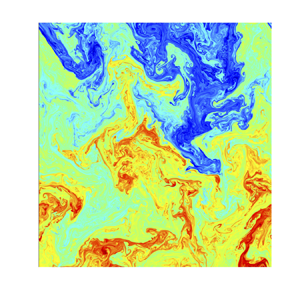
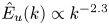
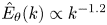
We study the effects of Prandtl number $\mathit {Pr}$ and Rayleigh number $\mathit {Ra}$ in two-dimensional Rayleigh–Bénard convection without boundaries, i.e. with periodic boundary conditions. For Prandtl numbers in the range $10^{-3} \leqslant \mathit {Pr} \leqslant 10^2$, the viscous dissipation scales as $\epsilon _\nu \propto \mathit {Pr}^{1/2}\mathit {Ra}^{-1/4}$, which is based on the observation that enstrophy $\langle {\omega ^2}\rangle \propto \mathit {Pr}^0 \mathit {Ra}^{1/4}$, and the Nusselt number tends to follow the ‘ultimate’ scaling $\mathit {Nu} \propto \mathit {Pr}^{1/2}\mathit {Ra}^{1/2}$ for all values of $\mathit {Pr}$ considered. The inverse cascade of kinetic energy forms the power-law spectrum $\hat {E}_u(k) \propto k^{-2.3}$, which is close to $k^{-11/5}$ proposed by the Bolgiano–Obukhov (BO) scaling. The potential energy flux is not constant, in contrast to one of the main assumptions underlying the BO phenomenology. So, the direct cascade of potential energy forms the power-law spectrum $\hat {E}_\theta (k) \propto k^{-1.2}$, which deviates from the expected $k^{-7/5}$. Finally, at $\mathit {Pr} \to 0$ and $\infty$, we find that the dynamics is dominated by vertically oriented elevator modes that grow without bound, even at high Rayleigh numbers and with large-scale dissipation present.




This study aimed to describe and compare the nutrient intake of young adults in the African Prospective Study on the Early Detection and Identification of Cardiovascular Disease and Hypertension (African-PREDICT) study according to ethnicity and socio-economic status (SES).
Design:
Cross-sectional analysis of baseline nutrient intakes in the African-PREDICT study.
Setting:
North West Province, South Africa
Participants:
Black and white adults (n 1153), aged 20–30 years, were classified into three SES groups. Dietary data were collected using three multiple-pass 24-h dietary recalls.
Results:
Among all participants, over 70 % failed to meet the estimated energy requirements and the estimated average requirements (EAR) for seventeen of the nineteen reported micronutrients. Across SES groups, more than 50 % of participants consistently did not meet the EAR for Ca, Mg, folate, pantothenic acid and biotin, as well as vitamins A, C, D and E. Participants’ distribution by nutrient pattern tertiles showed high adherence to two patterns: one rich in animal protein and saturated fat, and the other in Mg, potassium, Ca, phosphorus and fibre. This was seen only in white participants and high SES. Black participants and low SES showed higher adherence to a plant protein, B-vitamins, Zn and Fe nutrient pattern.
Conclusions:
The dietary intake of young adults in this study was restricted, with none of the groups meeting nutrient requirements for essential nutrients. Further research is needed to establish a direct link between nutrient patterns and the early detection and identification of CVD and hypertension.