To save content items to your account,
please confirm that you agree to abide by our usage policies.
If this is the first time you use this feature, you will be asked to authorise Cambridge Core to connect with your account.
Find out more about saving content to .
To save content items to your Kindle, first ensure no-reply@cambridge.org
is added to your Approved Personal Document E-mail List under your Personal Document Settings
on the Manage Your Content and Devices page of your Amazon account. Then enter the ‘name’ part
of your Kindle email address below.
Find out more about saving to your Kindle.
Note you can select to save to either the @free.kindle.com or @kindle.com variations.
‘@free.kindle.com’ emails are free but can only be saved to your device when it is connected to wi-fi.
‘@kindle.com’ emails can be delivered even when you are not connected to wi-fi, but note that service fees apply.
This contribution argues that the practice of data provenance developed in critical research on artificial intelligence (AI), especially around publicly accessible data documentation, could inform a more transparent practice of provenance in archives. To set the ground for this cross-field exchange, I trace frameworks related to provenance, first from archival studies and then from AI/machine learning (ML). I ask how these frameworks overlap and diverge and how they have “flowed” or been assimilated into and adopted by the other field. I show how archival theories have been animated in documenting data in the context of AI and ML, including through documentation frameworks like Datasheets for Datasets, and then reverse that flow of knowledge, arguing that a practice of provenance developed in AI could forward some of the evolving goals of archival provenance, including those related to traceability and transparency.
This article examines the emergence of a new politics of vision shaped by the generative capacities of contemporary AI. It argues that generative technologies craft a distinct visual order, one that enables subtle yet devastating forms of harm through anticipation, projection, and the symbolic manipulation of the future by means of visual pre-enactment. I conceptualize this as speculative violence: a form of harm that does not depict bloodshed or explicit brutality but nonetheless embeds erasure and annihilation within the frictionless aesthetic of machine-generated futures. Speculative violence arises when generative AI is mobilized for its forward-oriented capacities in politically charged contexts, enabling images of possible futures to act upon the present; while not limited to war zones, this article focuses on the Israel–Palestine context for reasons of scope. It shows how, by giving visual form to what has not yet occurred, AI contributes to normalize the disappearance of populations and the destruction of places, stripping politically inflammatory ideas of their shock by rendering them aesthetically plausible. A striking instance is the “Riviera of the Middle East” video, circulated by Donald Trump in February 2025, whose synthetic fantasy of Gaza as a luxury resort visually anticipated – and helped normalize – the logic later formalized in policy proposals, such as the G.R.E.A.T. initiative and the 20-Point Peace Plan. More broadly, the article argues that generative AI functions as archival technology. Far from merely recalling past data, it generates speculative futures that accrue into a future archive: a corpus of synthetic images that shape political discourse and collective perception by visually scripting what should be imagined as likely, desirable or inevitable. In examining this archive, the article illuminates how generative AI transforms political imagination into an aestheticized form of world-making, with profound implications for contemporary regimes of power and violence.
Acute malnutrition (wasting) remains a global public health problem. Ready-to-use therapeutic foods (RUTF) and supplemental foods (RUSF) for treatment of severe acute malnutrition (SAM) and moderate acute malnutrition (MAM), respectively, come in the form of macro- and micronutrient-dense pastes. These lipid-dense treatments provide the energy and nutrients needed to support growth but have significant rates of relapse. Their role in reversing pathophysiological contributors to malnutrition, such as intestinal barrier dysfunction, intestinal dysbiosis, and systemic inflammation have not been evaluated. Traditional lipid-dense RUTFs and RUSFs are rich in pro-inflammatory omega-6 polyunsaturated fatty acids (PUFAs) but low in anti-inflammatory omega-3 PUFAs, which could fuel malnutrition-related pathological inflammation. We reasoned that reduced dietary omega-6 (n-6) PUFAs and increased dietary long-chain omega-3 (n-3) PUFAs found in fish oil would reduce malnutrition-related pathological inflammation. In an established mouse model of MAM, we observed that altering the dietary n-3/n-6 PUFA ratio through replacing dietary corn oil with fish oil improved the diversity and composition of the caecal microbiota, improved intestinal mucosal barrier and immune defence, reduced translocation of bacteria and bacterial lipopolysaccharides (LPS), and dampened systemic inflammation. Furthermore, dietary fish oil protected against weight loss upon systemic challenge with bacterial LPS. The anti-inflammatory effects of dietary fish oil did not compromise host defence against challenge with the intestinal pathogen, Citrobacter rodentium. Collectively, these results suggest that dietary fish oil blunts inflammation that contributes to the pathogenesis of MAM. Inclusion of fish oil in dietary interventions may be beneficial in prevention or reduction of malnutrition-associated inflammation.
This study explores how preservice social studies teachers conceive ecological citizenship and evaluates a curriculum-embedded ecological citizenship model intended to cultivate environmentally responsible citizens. Employing a grounded theory approach, data were gathered through semi-structured interviews and documentary analysis, with concurrent coding and comparative analysis guiding model development. Participants articulated ecological consciousness as the core category, supported by related themes of a liveable world, a beacon of hope, future generations’ welfare and holistic perspectives on nature. The resultant model identifies families and schools as joint stewards of ecological citizenship, beginning with foundational environmental education at home and extending into targeted social studies activities. The refined ecological citizenship model elucidates how its components – rights, justice, responsibility and participation – progressively foster environmental action and tangible improvements. The study concludes with recommendations for embedding ecological citizenship within teacher education and, school curricula, offering guidance on assessment strategies such as reflective journals and pre–post evaluations to monitor both behavioural and ecological outcomes. This concise framework provides conceptual clarity and actionable guidance for educators and curriculum designers.
Patients with advanced cancer frequently experience pain and psychological distress, often requiring controlled substances such as opioids and benzodiazepines. Although access to these medications increases risk of substance misuse, little is known about how clinicians and patients discuss controlled substance use during cancer care. Understanding these conversations may inform safer prescribing, improve patient outcomes, and support management of substance use disorder (SUD) risk. We aimed to characterize discussions of controlled substance use in oncology visits, including who initiated conversations, clinician responses, and verbalized SUD risk factors.
Methods
Five coders reviewed 826 audio-recorded oncology visits from a prior clinical trial. Encounters were coded for substance type, initiator (patient, clinician, both, neither), clinician/patient response style (avoidant, concerned/emotional, engaged, neutral, resistant), and substance misuse risk factors.
Results
Mean patient age was 59.5 years; most were female (55.8%), White (81.7%), and married (71.7%). Substance-related content appeared in 14.6% of counters (n = 121; 92 unique patients). Mentioned substances included opioids and sedative-hypnotics (benzodiazepines/sleep aids), with oxycodone referenced in 67 visits. Patients initiated discussions more frequently (n = 51) than clinicians (n = 33), though not significantly, χ2(1, N = 95) = 33.00, p = 0.078. For the remaining encounters, neither initiated (n= 24) or both initiated (n=13). Among patient-initiated discussions, clinician response types were engaged (n = 25), neutral (n = 10), avoidant (n = 12), concerned/emotional (n = 1), or resistant (n = 3). Common substance misuse risk factors included inadequate pain management (n = 28), medication concerns (n = 17), dose escalation (n = 11), psychological concerns (n = 11), and substance misuse/drug-seeking (n = 5).
Significance of results
Despite widespread prescribing of controlled substances in oncology, discussions remain infrequent, and clinician responses to SUD-related concerns are often insufficient. These findings highlight opportunities to improve communication and risk management in cancer care.
It is a pleasure to introduce this roundtable‚ based on papers from the International Conference of Three Societies on Literature and Science held at the University of Birmingham in 2024 under the auspices of “Health Humanities,” a variant term for Medical Humanities.1 It is a century since “Medical” and “Humanities” first came together in this singular expression that initially referred to scholarly work spanning the borderlands between medicine, medical history, literature, art, and philosophy.2
War was an important, and underappreciated, force circulating global goods into and around early modern Britain. Capture at sea brought millions of pounds of merchandise into the British Isles, offering new groups of consumers new ways of participating in the expanding world of things. By tracing the presence in early modern Britain of paintings from colonial Spanish America, we better appreciate the economic, social, and cultural significance of maritime predation. We also identify new sources to explore the early modern world of goods, from the Admiralty records that document these captures, to literary celebrations of patriotic sea-dogs seizing Spanish treasure galleons, and family legends attributing a pirate provenance to Spanish American artworks. We should, in short, pay more attention to the role of war and violence in setting early modern goods in motion.
Few frameworks are currently available to assess the flows of ecosystem services (ESs) and disservices (EDSs) from and into livestock farming systems (LFSs). We estimated these flows using the Barn, a graphical tool designed to represent the integration of LFS into their surrounding landscapes. This tool uses bi-directional arrows to depict flows of multiple types of ES and EDS. Based on five contrasting lamb meat systems, we estimated that the flows of ES that support lamb meat production, such as the provision of forage and nitrogen fixation, were often associated with EDS, such as wolf predation or rodent outbreaks. These EDSs were particularly detrimental for the LFS that depended more on ES than on external inputs. We also observed that few operational indicators exist for quantifying EDS. The results show that deriving benefits from ecosystems implies interacting closely with the environment, which can generate disadvantages. This result also reveals a trade-off between ES and EDS, which has received little attention so far. This highlights the need to better assess and mitigate EDS, to prevent them from hindering the transition toward more sustainable practices that aim to reduce external inputs.
Since 2021, the Armenian Red Cross Society (ARCS) and the International Committee of the Red Cross (ICRC) have been jointly implementing a community-based mental health and psychosocial support (MHPSS) programme. The intervention targets border communities and people from Karabakh affected by the 2020 Karabakh conflict and subsequent escalations. Implemented collaboratively by partners of the International Red Cross and Red Crescent Movement, the programme reflects a locally grounded and cooperative approach. At the time of writing, the ICRC and ARCS have reached more than 6,000 individuals in more than 100 communities through the programme.
The present study aims to explore how this comprehensive, community-based MHPSS intervention contributes to strengthening the resilience of individuals in the aftermath of the conflict and within a context of recurrent violence. A representative sample of 341 participants was selected from a total of 3,000 adult men and women who took part in the MHPSS group sessions during 2024 and 2025, and a fully quantitative approach was applied to assess participants’ levels of resilience, quality of life and perceived changes following their participation in the MHPSS programme. Outcomes from these three scales, along with analysis of correlations, helped address the question of the effectiveness of the intervention in building resilience. The results suggest that the programme’s community-based MHPSS approach may contribute to strengthening resilience and may represent an effective model that could be adapted to other contexts facing conflict and ongoing violence.
This Research Paper tested the hypothesis that the dietary inclusion of a fermentation product of Aspergillus niger (ANP), alone, or in combination with a mannan-rich fraction (MRF) derived from Saccharomyces cerevisiae cell wall, would enhance dairy calf performance and rumen variables. Thirty Holstein–Friesian bull calves (age 19 ± 5 days) were obtained from a single farm and randomly assigned according to days of age to one of three dietary treatment groups and one of two cull dates, experimental day 27 (immediately prior to weaning) or experimental day 70. Dietary treatment groups were: CTRL, no treatment; ANP, 3 g/day ANP; MRF, 3 g/day ANP and 2 g/day MRF. Calves were housed and fed individually and had ad libitum access to starter concentrates, water, and straw. Throughout the trial, ANP calves consumed a greater quantity of solid starter feed than CTRL and MRF calves. Body weight, average daily gain, apparent total tract dry matter digestibility and faecal scores were unaffected by treatment. Calves fed ANP and MRF had improved feed conversion efficiency compared with CTRL in some weeks, but this was not consistent throughout the pre-weaned and weaned periods. Calves fed MRF had a decreased acetate to propionate ratio compared with CTRL pre-weaning, and ANP had a lower acetate to propionate ratio and higher propionate proportion of total VFA compared with CTRL post-weaning. At both culling timepoints, ANP and MRF had thicker stratum basale, stratum spinosum and stratum granulosum in their rumen papillae compared with CTRL. The inclusion of ANP and ANP + MRF could favourably alter rumen fermentation and increase the metabolic and absorptive capacity of papillae in transition stage dairy calves but no consistent effects of treatment on calf growth or feed efficiency were observed in this trial.
A newcomer to Madrid, I currently teach Latin American history and literature to undergraduates from my university spending their academic year abroad. Even as the Trump administration deports undocumented and legal residents from Latin America in record numbers, Spain is witnessing a surge of arrivals from the region. In stark contrast to the United States, the Sánchez government has made Spain an alternative destination for migrants from Latin America and other regions. The Trump administration recently abducted and extradited the president of Venezuela, threatened to annex Greenland, cut off oil and energy supplies to Cuba and launched an unprovoked war against Iran. While I lie in bed awake at night thinking about these alarming developments from a city replete with nostalgic reminders of the Spanish empire, I struggle to reconcile Madrid’s imperial past with its multicultural present. What can the twilight of past empires and dictatorships teach us about their present juncture and future direction? How do their monuments at once reveal and conceal their violent histories? What can the struggles against empire and fascism of previous centuries teach us about their re-emergence in new forms today?
Pragmatist philosophers of science often adjudicate realism debates by (1) deploying a unified ontological principle—that is, a unified rule for making ontological assertions—to all domains of empirical inquiry, and (2) comparing the ontological assertions made by realists and antirealists to the unified principle. By considering modeling practices in evolutionary biology, I motivate an alternative approach. Pragmatists should localize ontological principles to particular ontological questions in particular domains of empirical inquiry and adjudicate between various realisms and antirealisms in a radically piecemeal fashion.
In 1997, Malcolm Jewell published a review of state legislative research stating that there were great “difficulties and possibilities of doing comparative work.” Much of this difficulty lies with data and accessibility. As such, many of the foundational works in state politics, and particularly in U.S. legislatures, were rooted in single-state or small sample studies. In the 25 years since State Politics & Policy Quarterly started publication, comparative studies have become more common, allowing for better tests of “laboratories of democracy.” In this review essay, we document the extent to which state legislative studies have moved beyond single-state studies to larger comparative examinations. We outline the significant developments in the literature and highlight much of the notable research that has increased our understanding of state legislatures.
Suppose an epistemic agent has multiple strategies available. One maximizes their expected accuracy, while another sacrifices their own expected accuracy to maximize the expected accuracy of the epistemic group. Call the latter strategy “altruistic.” The importance of epistemically altruistic agents has been highlighted in many areas of formal social epistemology. But how do some agents come to be epistemically altruistic? In this paper, I demonstrate, using a self-assembling model with simple multi-agent reinforcement learning, how a group of agents can learn to be epistemically altruistic. Counterintuitively, competitive incentives at the individual level lead to cooperative choices at the group level.
Climate change-induced disasters continue to disproportionately affect low, middle and upper-middle income countries (LMICs), often leaving survivors at risk of serious mental health challenges. Yet, mental health interventions in these settings remain limited and poorly integrated into health systems. This study explores the types and levels of existing mental health interventions for individuals affected by climate-induced disasters, using the Inter-Agency Standing Committee’s framework on Mental Health and Psychosocial Support. A systematic review was conducted following PRISMA guidelines across six databases, yielding 14 studies for final analysis. Key data on study design, disaster type, mental health conditions, intervention types and service providers were extracted and mapped against the Inter-Agency Standing Committee framework. While interventions were identified across all four layers of support, most were concentrated at the individual level, focusing on non-specialised services delivered by trained non-specialist providers (e.g., community health workers or lay counsellors) and specialised services provided by licenced clinical professionals, with limited emphasis on community-based or systems-level approaches. Results indicate such a significant gap, about 79% of the studies focused on the individual level, in mental health interventions in LMICs. It is therefore crucial to address these gaps to ensure comprehensive mental health care is available in disaster-prone countries.
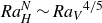
We investigate the competition between horizontal convection (HC) and Rayleigh–Bénard convection (RBC) in a fluid layer subject to a uniform destabilising buoyancy flux at the bottom and a horizontally varying buoyancy distribution at the top. The RBC forcing imposes negative horizontal mean vertical buoyancy gradients at the top and bottom of the fluid layer. But if the HC forcing is sufficiently strong then the volume-averaged vertical buoyancy gradient, $\langle b_z \rangle$, is positive i.e. opposite in sign to destabilising RBC buoyancy gradients at the boundaries. If $\langle b_z \rangle \gt 0$ we say that the layer has been ‘restratified’. Using scaling analysis based on power integrals together with two-dimensional direct numerical simulations at Rayleigh numbers up to $10^{10}$, we identify two cases: a neutral stratification state, in which HC first offsets RBC so that $\langle b_z \rangle = 0$, and a strong stratification regime, in which HC dominates and $\langle b_z \rangle$ is opposite in sign, and greater in magnitude, than the prescribed destabilising vertical buoyancy gradient at the layer boundaries. For the range of parameters explored in this study, we derive scaling laws for the onset of these regimes in terms of the horizontal and vertical flux Rayleigh numbers, $\mathit{Ra_H}$ and $\mathit{Ra_V}$, finding $\mathit{Ra}^{\mathit{N}}_{\mathit{H}} \sim \mathit{Ra_V}^{4/5}$ for the neutral state and $\mathit{Ra}^{\mathit{S}}_{\mathit{H}} \sim \mathit{Ra_V}$ for the onset of strong stratification. The results highlight the controlling role of the top boundary layer in setting the mean stratification and clarify the conditions under which HC suppresses RBC. These findings are relevant to geophysical environments such as subglacial lakes, and the oceans of snowball Earth and icy moons, where bottom heating and horizontal buoyancy variations jointly shape ocean stratification.
The music of Paolo Papini (d. 1603) has gone almost unnoticed in spite of the existence of over forty liturgical pieces by him, located primarily in five large manuscript choirbooks with a provenance from the Ospedale di Santo Spirito in Sassia, Rome. These choirbooks are otherwise known for their manuscript copies of music by Palestrina. This article examines the sources, provides new biographical information about Papini, and evaluates the function of his music within the Ospedale. It argues that, together with documentary evidence such as inventories and financial records from Santo Spirito, Papini’s music throws new light on our understanding of the reform of liturgical music in the decades following the final session of the Council of Trent in 1563.
In this paper, we prove that for a dense set of irrational frequencies with positive Hausdorff dimension, the Hausdorff (and upper box) dimension of the spectrum of the critical almost Mathieu operator is positive, yet can be made arbitrarily small. As a consequence, we investigate the spectrum of a class of multidimensional quasi-periodic Schrödinger operators that exhibit a Cantor spectrum, which answers a question posed by Damanik, Fillman, and Gorodetski [24].