To save content items to your account,
please confirm that you agree to abide by our usage policies.
If this is the first time you use this feature, you will be asked to authorise Cambridge Core to connect with your account.
Find out more about saving content to .
To save content items to your Kindle, first ensure no-reply@cambridge.org
is added to your Approved Personal Document E-mail List under your Personal Document Settings
on the Manage Your Content and Devices page of your Amazon account. Then enter the ‘name’ part
of your Kindle email address below.
Find out more about saving to your Kindle.
Note you can select to save to either the @free.kindle.com or @kindle.com variations.
‘@free.kindle.com’ emails are free but can only be saved to your device when it is connected to wi-fi.
‘@kindle.com’ emails can be delivered even when you are not connected to wi-fi, but note that service fees apply.
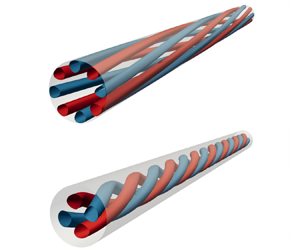
Large-scale coherent structures in incompressible turbulent pipe flow are studied for a wide range of Reynolds numbers ($Re_\tau =180, 550, 1000, 2000$ and $5200$). Employing the Karhunen–Loève decomposition and a novel approach based on the Voronoi diagram, we identify and classify statistically coherent structures based on their location, dimensions and $Re_{\tau }$. With increasing $Re_{\tau }$, two distinct classes of structures become more energetic, namely wall-attached and detached eddies. The Voronoi methodology is shown to delineate these two classes without the need for specific criteria or thresholds. At the highest $Re_{\tau }$, the attached eddies scale linearly with the wall-normal distance with a slope of approximately $l_y\sim 1.2y/R$, while the detached eddies remain constant at the size of $l_y \approx 0.26R$, with a progressive shift towards the pipe centre. We extract these two classes of structures and describe their spatial characteristics, including radial size, helix angle and azimuthal self-similarity. The spatial distribution could help explain the differences in mean velocity between pipe and channel flows, as well as in modelling large and very-large-scale motions (LSM and VLSM). In addition, a comprehensive description is provided for both wall-attached and detached structures in terms of LSM and VLSM.

Objective: This study aimed to assess and comparatively analyse two menus from a Young Offenders Institution (YOI). One menu from 2019, and one from 2022, with the objective of identifying any improvements in meeting dietary guidelines. Design: Cross-sectional and comparative analysis. Setting: United Kingdom, a YOI in Northern England. Participants: YOI Menus. Results: Analysis of 30 dietary components identified that 25 exceeded the dietary guidelines (P < 0.05) for the 2022 menu, with five failing to meet the guidelines (P < 0.05). When compared to the 2019 menu, the 2022 menu showed improvements in saturated fat, sodium, and vitamin D. Despite the improvement, vitamin D levels remained below dietary guidelines (P < 0.01). Salt and energy content were reduced in the 2022 menu (P < 0.05); however, they were still above the dietary guidelines (P < 0.01). Free sugars were significantly above dietary guidelines for both menus, with no significant change between the 2019 and 2022 menu (P = 0.12). Conclusion: The 2022 menu has demonstrated progress in alignment with meeting dietary guidelines, particularly in reducing calories, fat, saturated fat, salt, sodium, and chloride, as well as increasing vitamin D. Despite improvements, calories, free sugars, salt, saturated fat, sodium, and chloride are still exceeding dietary guidelines, posing as potential health risks.
Loss and damage is treated as comprising separate ‘economic’ and ‘non-economic’ dimensions in research and policy. While this has contributed to greater awareness and visibility of non-economic values, our empirical insights show that the two are inextricably linked and that research aimed at informing policy must be better attuned to the multifaceted and cascading nature of loss and damage.
Technical summary
In research and policy, climate-related loss and damage is commonly categorized as either ‘economic’ or ‘non-economic’. One clear benefit of this dichotomy is that it has raised people's awareness of the often under-discussed intangible loss and damage. However, empirical research shows that these two categories are inextricably linked. Indeed, ‘economic’ and ‘non-economic’ loss and damage often overlap, with items that are valued in monetary terms also having non-monetary significance. For example, the loss of a home due to flooding is not only a financial loss but can also have a profound impact on identity and well-being. Moreover, ‘economic’ loss and damage can cascade into ‘non-economic’ loss and damage, and vice versa. For example, when a household incurs economic losses due to drought, this may prevent their children from attending school, which has long-term financial consequences. We argue that rather than dichotomizing loss and damage, recognizing that it is multidimensional, interwoven, and evolving over time will open up new avenues for research that better reflect reality and can therefore better inform policies to address loss and damage.
Social media
This comment shows how economic and non-economic loss and damage are linked, which has important policy implications.
This article challenges the view that canon law was insignificant in the development of tenth-century English administrative and judicial institutions through a new study of Oda of Canterbury's Constitutiones, an important but neglected episcopal capitulary. Particular attention is paid to Oda's sources, the text's place in the legislative programme of King Edmund and the influence of wider European approaches to episcopal justice. The article shows that Oda's statutes endorsed an emerging system of collaborative justice between secular and ecclesiastical elites, thus demonstrating that tenth-century English governance was informed by a wider range of normative legal traditions than usually thought.
Stegenga (forthcoming) formulates and defends a novel account of scientific progress, according to which science makes progress just in case there is a change in scientific justification. Here, we present several problems for Stegenga’s account, concerning, respectively, (i) obtaining misleading evidence, (ii) losses or destruction of evidence, (iii) oscillations in scientific justification, and (iv) the possibility of scientific regress. We conclude by sketching a substantially different justification-based account of scientific progress that avoids these problems.
After reading these volumes one can hardly conclude otherwise than that the study of urban space in Roman Italy is thriving. These large volumes, collectively exceeding 1,800 pages and comprising 86 chapters/articles (in addition to supplementary materials), include contributions in four languages – though, perhaps surprisingly, none contain contributions in German. The array of contributors suggests that even more modern languages could have been included, if desired. The authors range from early career scholars to renowned professors.
This paper distinguishes news about short-lived events from news about changes in longer term prospects using surveys of expectations. Employing a multivariate GARCH-in-Mean model for the US, the paper illustrates how the different types of news influence business cycle dynamics. The influence of transitory output shocks can be relatively large on impact but gradually diminishes over two to three years. Permanent shocks drive the business cycle, generating immediate stock price reactions and gradually building output effects, although they have more immediate output effects during recessions through the uncertainties they create. Markedly different macroeconomic dynamics are found if these explicitly identified types of news or uncertainty feedbacks are omitted from the analysis.
Many governments globally have climate change targets requiring rapid decarbonisation, calling for significant renewable energy generation. Utility-scale solar arrays will consume large swathes of land. Rehabilitated mine lands present a unique opportunity to host renewable utility-scale solar and reduce land use conflicts. There is however, to date, insufficient in-depth discussion of this opportunity and barriers to implementation in the academic literature. This paper describes challenges facing the resources industry, using Queensland’s coal sector as a case study, then outlines some of the opportunities that accompany those challenges. Five reasons for reassessing the role of rehabilitated lands for utility-scale solar energy generation are presented – increasing demand for renewable energy, the global decarbonisation agenda, transformation in regional mining economies, as a progressive rehabilitation and post-mining land use, and a solution to reduce land use conflict. The barriers, perceived and actual, must be addressed and broken down to facilitate greater uptake of utility-scale solar onto rehabilitated mine lands. This can allow for a more orderly energy transition, and growth in renewable energy production that matches decarbonising and energy demand pathways, in the right locations and at the right time – with good planning and industry support.
The English Preposing in PP construction (PiPP; e.g., Happy though/as we were) is extremely rare but displays an intricate set of stable syntactic properties. How do people become proficient with this construction despite such limited evidence? It is tempting to posit innate learning mechanisms, but present-day large language models seem to learn to represent PiPPs as well, even though such models employ only very general learning mechanisms and experience very few instances of the construction during training. This suggests an alternative hypothesis on which knowledge of more frequent constructions helps shape knowledge of PiPPs. I seek to make this idea precise using model-theoretic syntax (MTS). In MTS, a grammar is essentially a set of constraints on forms. In this context, PiPPs can be seen as arising from a mix of construction-specific and general-purpose constraints, all of which seem inferable from general linguistic experience.
Oral cancer survival rates have seen little improvement over the past few decades. This is mainly due to late detection and a lack of reliable markers to predict disease progression in oral potentially malignant disorders (OPMDs). There is a need for highly specific and sensitive screening tools to enable early detection of malignant transformation. Biochemical alterations to tissues occur as an early response to pathological processes; manifesting as modifications to molecular structure, concentration or conformation. Raman spectroscopy is a powerful analytical technique that can probe these biochemical changes and can be exploited for the generation of novel disease-specific biomarkers. Therefore, Raman spectroscopy has the potential as an adjunct tool that can assist in the early diagnosis of oral cancer and the detection of disease progression in OPMDs. This review describes the use of Raman spectroscopy for the diagnosis of oral cancer and OPMDs based on ex vivo and liquid biopsies as well as in vivo applications that show the potential of this powerful tool to progress from benchtop to chairside.
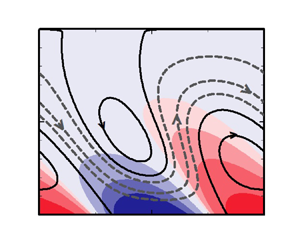
Flow resistance reduction, quantified as a change in flow rate with respect to a reference isothermal flow driven by the same pressure gradient, is realizable in a channel flow using a thermal wave applied on the bounding wall. Countercurrent waves provide a resistance-reducing effect at any wave velocity, Reynolds number and wavenumber considered. Cocurrent waves can reduce resistance only if the wave velocity is lower than a certain threshold, and the Reynolds number is larger than a certain threshold, otherwise, such waves increase resistance. The increase of the wave amplitude increases resistance reduction and resistance increase up to a specific limit. It is possible to reduce resistance up to 20 times compared with the isothermal channel using proper waves. It is shown that the same effect is achieved regardless of the waves applied at the upper and lower walls. The wave-modified flows are shown to be stable for the conditions used in this study.
The impact of health technologies may extend beyond the patient and affect the health of people in their network, like their informal carers. The National Institute for Health and Care Excellence (NICE) methods guide explicitly allows the inclusion of health-related quality of life (HRQoL) effects on carers in economic evaluations when these effects are substantial, but the proportion of NICE appraisals that includes carer HRQoL remains small. This paper discusses when inclusion of carer HRQoL is justified, how inclusion can be substantiated, and how carer HRQoL can be measured and included in health economic models. Inclusion of HRQoL in economic evaluations can best be substantiated by data collected in (carers for) patients eligible for receiving the intervention. To facilitate combining patient and carer utilities on the benefit side of economic evaluations, using EQ-5D to measure impacts on carers seems the most successful strategy in the UK context. Alternatives to primary data collection of EQ-5D include vignette studies, using existing values, and mapping algorithms. Carer HRQoL was most often incorporated in economic models in NICE appraisals by employing (dis)utilities as a function of the patient's health state or disease severity. For consistency and comparability, economic evaluations including carer HRQoL should present analyses with and without carer HRQoL.
Learning the meaning of a word is a difficult task due to the variety of possible referents present in the environment. Visual cues such as gestures frequently accompany speech and have the potential to reduce referential uncertainty and promote learning, but the dynamics of pointing cues and speech integration are not yet known. If word learning is influenced by when, as well as whether, a learner is directed correctly to a target, then this would suggest temporal integration of visual and speech information can affect the strength of association of word–referent mappings. Across two pre-registered studies, we tested the conditions under which pointing cues promote learning. In a cross-situational word learning paradigm, we showed that the benefit of a pointing cue was greatest when the cue preceded the speech label, rather than following the label (Study 1). In an eye-tracking study (Study 2), the early cue advantage was due to participants’ attention being directed to the referent during label utterance, and this advantage was apparent even at initial exposures of word–referent pairs. Pointing cues promote time-coupled integration of visual and auditory information that aids encoding of word–referent pairs, demonstrating the cognitive benefits of pointing cues occurring prior to speech.
Research on schizophrenia and life expectancy has mainly focused on premature mortality.
Aims
This study investigates factors associated with longevity in patients with schizophrenia receiving long-term care and identifies shared traits among these individuals.
Method
A retrospective cross-sectional study analysing the clinical records of 138 patients with schizophrenia who died between 2015 and 2017 in a psychiatric long-term care facility was conducted. Longevity was defined by life tables drawn from the national health database. Variables were compared between longevity and control groups to determine predictors of longer lifespans. Cluster analysis was employed to identify shared traits among individuals with longevity. Causes of death by age were compared.
Results
In the long-term care setting, of the 138 participants, 45 were in the longevity group. This group had more males, lower antipsychotic doses, but more mobility issues. Significant predictors of longevity included older age at onset, longer length of stay, lower activities of daily living scores and a hypertension diagnosis. Cluster analysis revealed two patterns, suggesting that poorer health indicators did not necessarily lead to shorter lives. Fatalities caused by pneumonia were associated with a higher age, compared to those from cancer and choking.
Conclusions
Addressing modifiable risk factors enhances life expectancy in patients with schizophrenia, especially for males, while the age at onset may play a significant role. An integrated long-term care model with close monitoring and timely provision of mental and general healthcare may help extend lifespans. Further research is needed to balance long-term residential care and community-based care for elderly patients with schizophrenia.
Adverse childhood events (ACEs) have been linked to widespread chronic pain (CP) in various cross-sectional studies, mainly in clinical populations. However, the independent role of different ACEs on the development of different types of CP remains elusive. Accordingly, we aimed to prospectively assess the associations between specific types of ACEs with the development of multisite CP in a large population-based cohort.
Methods
Data stemmed from the three first follow-up evaluations of CoLaus|PsyCoLaus, a prospective population-based cohort study of initially 6734 participants (age range: 35–75 years). The present sample included 1537 participants with 2161 analyzable intervals (49.7% men, mean age 57.3 years). Diagnostic criteria for ACEs were elicited using semi-structured interviews and CP was assessed by self-rating questionnaires. Multinomial logistic regressions with generalized estimating equations method analyzed the relationship between the different ACEs measured in the beginning of the interval and the risk of developing multisite CP during the follow-up. Sensitivity analyses were performed to assess the predictive value of ACEs on multisite CP with neuropathic features.
Results
Participants with a history of parental divorce or separation had an increased risk of developing multisite CP at during follow-up in comparison to those without (RR1.98; 95% CI 1.13–3.47). A strong association was highlighted between parental divorce or separation and the risk of subsequent CP with neuropathic characteristics (RR 4.21, 95% CI 1.45–12.18).
Conclusion
These results highlight the importance of psychotherapeutic management of people experiencing parental separation to prevent CP in the future.
Soybean [Glycine max (L.) Merr.] that lack resistance to auxin herbicides [i.e., not genetically modified for resistance] have well-documented responses to those particular herbicides, with yield loss being probable. When a soybean field is injured by auxin herbicides, regulatory authorities often collect a plant sample from that field. This research attempted to simulate soybean exposures due to accidental mixing of incorrect herbicides, tank contamination, or particle drift. This research examined whether analytical testing of herbicide residues on soybean to aminocyclopyrachlor (ACP), aminopyralid, 2,4-D, or dicamba would be related to the visual observations and yield responses from these herbicides. ACP and aminopyralid were applied to R1 soybean at 0.1, 1, and 10 g ae ha−1; 2,4-D and dicamba were applied at 1, 10, and 100 g ae ha−1. Visual evaluations and plant sample collections were undertaken at 1, 3, 7, 14, and 21 d after treatment (DAT), and yield was measured. The conservative limits of detection for the four herbicides in this project were 5, 10, 5, and 5 ng g−1 fresh weight of soybean for ACP, aminopyralid, 2,4-D, and dicamba, respectively. Many of the plant samples were non-detects, especially at lower application dosages. All herbicide concentrations rapidly declined soon after application, and many reached nondetectable limits by 14 DAT. All herbicide treatments caused soybean injury, although the response to 2,4-D was markedly lower than the responses to the other three herbicides. There was no apparent correlation between herbicide concentrations (which were declining over time) and the observed soybean injury (which was increasing over time or staying the same). This research indicated that plant samples should be collected as soon as possible after soybean exposure to auxin herbicides.
Let n be a nonzero integer. A set S of positive integers is a Diophantine tuple with the property $D(n)$ if $ab+n$ is a perfect square for each $a,b \in S$ with $a \neq b$. It is of special interest to estimate the quantity $M_n$, the maximum size of a Diophantine tuple with the property $D(n)$. We show the contribution of intermediate elements is $O(\log \log |n|)$, improving a result by Dujella [‘Bounds for the size of sets with the property $D(n)$’, Glas. Mat. Ser. III39(59)(2) (2004), 199–205]. As a consequence, we deduce that $M_n\leq (2+o(1))\log |n|$, improving the best known upper bound on $M_n$ by Becker and Murty [‘Diophantine m-tuples with the property $D(n)$’, Glas. Mat. Ser. III54(74)(1) (2019), 65–75].


Cereal rye (Secale cereale L.) cover crop and preemergence herbicides are important components of an integrated weed management program for waterhemp [Amaranthus tuberculatus (Moq.) Sauer] and Palmer amaranth (Amaranthus palmeri S. Watson) management in soybean [Glycine max (L.) Merr.]. Accumulating adequate cereal rye biomass for effective suppression of Amaranthus spp. can be challenging in the upper Midwest due to the short window for cereal rye growth in a corn–soybean rotation. Farmers are adopting the planting green system to optimize cereal rye biomass production and weed suppression. This study aimed to evaluate the feasibility of planting soybean green when integrated with preemergence herbicides for the control of Amaranthus spp. under two soybean planting time frames. The study was conducted across 19 site-years in the United States over the 2021 and 2022 growing seasons. Factors included cover crop management practices (“no-till,” “cereal rye early-term,” and “cereal rye plant-green”), soybean planting times (“early” and “late”), and use of preemergence herbicides (“NO PRE” and “YES PRE”). Planting soybean green increased cereal rye biomass production by 33% compared with early termination. Greater cereal rye biomass production when planting green provided a 44% reduction in Amaranthus spp. density compared with no-till. The use of preemergence herbicides also resulted in a 68% reduction in Amaranthus spp. density compared with NO PRE. Greater cereal rye biomass produced when planting green reduced soybean stand, which directly reduced soybean yield in some site-years. Planting soybean green is a feasible management practice to optimize cereal rye biomass production, which, combined with preemergence herbicides, provided effective Amaranthus spp. management. Soybean stand was a key factor in maintaining soybean yields compared with no-till when planting green. Farmers should follow best management recommendations for proper planter and equipment setup to ensure effective soybean establishment under high levels of cereal rye biomass when planting green.
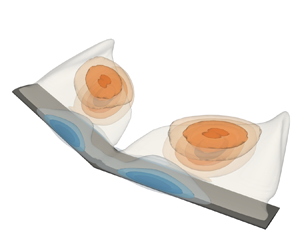
High angle of attack flows over swept three-dimensional wings based on the NACA 0015 profile are studied numerically at low Reynolds numbers. Linear stability analysis is used to compute instability and receptivity of the flow via the respective three-dimensional (triglobal) direct and adjoint eigenmodes. The magnitude of the adjoint eigenvectors is used to identify regions of maximum flow receptivity to momentum forcing. It is found that such regions are located above the primary three-dimensional separation line, their spanwise position varying with wing sweep. The wavemaker region corresponding to the leading global eigenmode is computed and found to lie inside the laminar separation bubble (LSB) at the spanwise location of peak recirculation. Increasing the Reynolds number leads to the wavemaker becoming more compact in the spanwise direction, and concentrated in the top and bottom shear layers of the LSB. As sweep is introduced, the wavemaker moves towards the wing tip, following the spanwise displacement of maximum recirculation. Flow modifications resulting from application of different types of forcing are studied by direct numerical simulation initialised with insights gained from stability analysis. Periodic forcing at the regions of maximum receptivity to momentum forcing results in greater departure from the baseline case compared to same (low, linear) amplitude forcing applied elsewhere, underlining the potential of linear stability analysis to identify optimal regions for actuator positioning.