To save content items to your account,
please confirm that you agree to abide by our usage policies.
If this is the first time you use this feature, you will be asked to authorise Cambridge Core to connect with your account.
Find out more about saving content to .
To save content items to your Kindle, first ensure no-reply@cambridge.org
is added to your Approved Personal Document E-mail List under your Personal Document Settings
on the Manage Your Content and Devices page of your Amazon account. Then enter the ‘name’ part
of your Kindle email address below.
Find out more about saving to your Kindle.
Note you can select to save to either the @free.kindle.com or @kindle.com variations.
‘@free.kindle.com’ emails are free but can only be saved to your device when it is connected to wi-fi.
‘@kindle.com’ emails can be delivered even when you are not connected to wi-fi, but note that service fees apply.
The aim of this systematic mixed-studies review is to summarise barriers/facilitators to adherence to and/or consumption of oral nutritional supplements (ONS) among patients with disease-related malnutrition. In March 2022, the Cochrane CENTRAL, PUBMED, PsycINFO (Ovid) and CINAHL were searched for articles with various study designs, published since 2000. Articles were identified on the basis of ‘population’ (patients ≥18 years with malnutrition/at nutritional risk), ‘intervention’ (ONS with ≥2 macronutrients and micronutrients), ‘comparison’ (any comparator/no comparator) and ‘outcome’ (factors affecting adherence or consumption) criteria. A sequential exploratory synthesis was conducted: first, a thematic synthesis was performed identifying barriers/facilitators; and second, the randomised controlled trials (RCTs) were used to support these findings. The five WHO dimensions of adherence guided the analysis. Study inclusion, data extraction, analysis and risk-of-bias assessment (MMAT 2018) were carried out independently by two researchers. From 21 835 screened articles, 171 were included with 42% RCTs and 20% qualitative studies. The two major populations were patients with malignancies (34%) and older adults (35%). In total, fifty-nine barriers/facilitators were identified. Patients’ health status, motivation, product tolerance and satisfaction as well as well-functioning healthcare routines and support were factors impacting ONS consumption. Few barriers/facilitators (n = 13) were investigated in RCTs. Two of those were serving a small ONS volume and integrating ONS into ward routines. Given the complexity of ONS adherence, non-adherence to ONS should be addressed using a holistic approach. More studies are needed to investigate the effect of different approaches to increase adherence to ONS.
Previous observational epidemiological studies have suggested that coffee consumption during pregnancy may affect fetal neurodevelopment. However, results are inconsistent and may represent correlational rather than causal relationships. The present study investigated whether maternal coffee consumption was observationally associated and causally related to offspring childhood neurodevelopmental difficulties (NDs) in the Norwegian Mother, Father and Child Cohort Study.
Methods
The observational relationships between maternal/paternal coffee consumption (before and during pregnancy) and offspring NDs were assessed using linear regression analyses (N = 58694 mother-child duos; N = 22 576 father-child duos). To investigate potential causal relationships, individual-level (N = 46 245 mother-child duos) and two-sample Mendelian randomization (MR) analyses were conducted using genetic variants previously associated with coffee consumption as instrumental variables.
Results
We observed positive associations between maternal coffee consumption and offspring difficulties with social-communication/behavioral flexibility, and inattention/hyperactive-impulsive behavior (multiple testing corrected p < 0.005). Paternal coffee consumption (negative control) was not observationally associated with the outcomes. After adjusting for potential confounders (smoking, alcohol, education and income), the maternal associations attenuated to the null. MR analyses suggested that increased maternal coffee consumption was causally associated with social-communication difficulties (individual-level: beta = 0.128, se = 0.043, p = 0.003; two-sample: beta = 0.348, se = 0.141, p = 0.010). However, individual-level MR analyses that modelled potential pleiotropic pathways found the effect diminished (beta = 0.088, se = 0.049, p = 0.071). Individual-level MR analyses yielded similar estimates (heterogeneity p = 0.619) for the causal effect of coffee consumption on social communication difficulties in maternal coffee consumers (beta = 0.153, se = 0.071, p = 0.032) and non-consumers (beta = 0.107, se = 0.134, p = 0.424).
Conclusions
Together, our results provide little evidence for a causal effect of maternal coffee consumption on offspring NDs.
Maternal malnutrition is pervasive throughout the world, notably in sub-Saharan Africa, including Ethiopia. This study examined the effect of community-based iron-folic acid supplementation (IFAS) nutrition education on IFAS knowledge and attitude among pregnant women in urban settings in South Ethiopia. A community-based quasi-experimental study was conducted among 198 randomly selected pregnant women attending antenatal care (ANC) (99 intervention and 99 control). We used a multistage sampling technique followed by systematic sampling to select the pregnant women. Pregnant women who participated in the intervention arm received six nutrition education sessions and counselling using a health belief model (HBM), while the control group received only routine ANC services. Baseline and endline data were collected during the ANC and compared. The data was analysed using statistical package for social sciences. Analyses of the effect of the intervention were done using difference-in-difference and generalised estimation equation to allow correlation of repeated observations over time. The results indicated a significant effect of intervention on maternal knowledge towards IFAS; with intervention, group levels increased by 35 percentage points (P < 0.001). The odds of being knowledgeable at the endpoint in the intervention group were 2.6 times higher than baseline (OR = 2.67, 95% CI 1.88–3.80). There was a significant (P = 0.001) change in proportion with a favourable attitude towards IFAS between the two time points. The community-based nutrition education intervention approach has significantly improved maternal knowledge and a favourable attitude towards IFAS among pregnant women. The HBM is effective in improving knowledge and attitude among pregnant women.
In the current IUCN Red List assessment, the south-western distribution range of the brown bear Ursus arctos in Nepal ends in Upper Mustang, in the central Himalaya, and extends northwards into the Tibetan Autonomous Region of China. Although brown bears have been recorded further west of Upper Mustang, details of these findings have not been published previously. Using camera traps, we present new evidence of brown bears in Limi Valley, Upper Humla, north-western Nepal. Covering a study area of 336 km2, we deployed 61 camera traps for 3,145 trap-nights during July–October 2021 and 10,748 trap-nights during June 2022–October 2023. In 2021 we recorded a single independent image of a brown bear, followed by 23 independent images during 2022–2023. The images were captured during spring and autumn but not in summer and winter. These new records increase the distribution range of the brown bear in Nepal, extending its global range south-westwards. Our results indicate the significance of Limi Valley as a stronghold for brown bears in Nepal and underscore the importance of formally protecting the currently unprotected wildlife habitats in Limi Valley. Our study emphasizes the need for further research into the ecology and population status of brown bears in Nepal.
Cervical cancer (CC), one of the most prevalent and detrimental gynaecologic cancers, evolves through genetic and epigenetic alterations resulting in the promotion of oncogenic activity and dysfunction of tumour-suppressing mechanisms. Despite medical advancement, the prognosis for advanced-stage patients remains extremely low due to high recurrence rates and resistance to existing treatments. Thereby, the search for potential prognostic biomarkers is heightened to unravel new modalities of CC pathogenesis and to develop novel anti-cancer therapies. Epitranscriptomic modifications, reversible epigenetic RNA modifications, regulate various biological processes by deciding RNA fate to mediating RNA interactions. This narrative review provides insight into the cellular and molecular roles of endogenous RNA-editing proteins and their associated epitranscriptomic modifications, especially N6-methyladenosine (m6A), 5-methylcytosine (m5C) and N1-methyladenosine (m1A), in governing the development, progression and metastasis of CC. We discussed the in-depth epitranscriptomic mechanisms underlying the regulation of over 50 RNAs responsible for tumorigenesis, proliferation, migration, invasion, survival, autophagy, stemness, epithelial-mesenchymal transition, metabolism (glucose, lipid, glutamate and glutamine), resistance (drug and radiation), angiogenesis and recurrence of CC. Additionally, we provided a concise overview of the therapeutic potential of targeting the altered expression of endogenous RNA-editing proteins and aberrant deposition of RNA modifications on both coding and non-coding RNAs in CC.
Amino acids have been detected in some meteorites and are readily synthesized in prebiotic experiments. These molecules may have been precursors of oligomers and polymers in the early Earth. These reactions were likely to happen in the protected confined spaces on the porous surface of olivine and in the interlayer nanospace of montmorillonite. This study describes experimental and theoretical research on the sorption of l-alanine onto surfaces of silicate minerals, olivine and montmorillonite. Kinetics of the sorption of this amino acid at different pH media was performed. This sorption has been also studied at atomic scale by means of quantum mechanical calculations finding that this sorption is energetically favourable. These results strongly support the premise that minerals could have actively participated in prebiotic reactions.
We study how the electoral success of radical right populist parties (RRPPs) affects mainstream parties' defense policy positions. The success of RRPPs threatens the credibility of established left-wing parties with coalition and international partners due to substantive overlap between their and RRPPs' defense-skeptical position. We argue that left parties adopt more assertive defense positions to distinguish themselves from RRPPs, thus increasing mainstream consensus on defense policy. Examining 27 European countries between the end of the Cold War and Russia's occupation of Crimea (1990–2013), we test this argument based on a regression discontinuity design around electoral thresholds for obtaining parliamentary seats. We find that, in response to RRPP success, left parties adopt more assertive defense policy positions, whereas center-right parties stand their ground. This study yields evidence for an adversarial response to the radical right, often thought to have lost out to accommodation, and for mechanisms other than electoral incentives, in a highly consequential domain.
The current study aimed to test the association between environmental degradation, eco-anxiety and post-traumatic symptoms, and whether coping strategies mediate the association between these variables among a sample of Palestinian adults. The sample of our study consisted of 554 Palestinian adults, of whom 392 identified as female and 162 as male. Participants’ age ranged from 19 to 54 years old (M = 35.8, SD = 12.31). They were all recruited from online advertisements, e-mail campaigns and social media. The findings of our study revealed that post-traumatic stress symptoms positively correlated with environmental degradation, eco-anxiety and avoidant coping and negatively correlated with problem-focused coping and emotion-focused coping. Results of structural equation modeling revealed that coping strategies mediated the association between environmental degradation, echo-anxiety and post-traumatic stress symptoms. The findings of our study emphasize the need for tailored psychological support and coping strategies for individuals experiencing eco-anxiety and post-traumatic stress symptoms in the face of environmental challenges.
Young people from racialised backgrounds are overrepresented in justice services. This study explored differences in community support offered to young people from racialised groups referred to a forensic child and adolescent mental health service.
Method
We compared support offered to 427 young people, according to five ethnic groups.
Results
Over 20% of young people referred were Black (compared with 14% of the local population) and 15.8% were Dual White and Black Heritage (compared with 4% of the local population). Odds ratios showed that Black and Dual Heritage groups were more frequently involved with youth offending services (Black: 2.59, Dual Heritage: 2.88), gangs services (Black: 4.31, Dual Heritage: 7.13) and have a national referral mechanism (Black: 3.61, Dual Heritage: 4.01) than their White peers, but were less often in mainstream education compared with their Asian peers (Black: 0.26, Dual Heritage: 0.29). Black (odds ratio 0.35) and Dual Heritage (odds ratio 0.40) young people were less frequently diagnosed with a neurodevelopmental disorder than their White peers.
Conclusions
Those from Black and Dual Heritage backgrounds were disproportionately disadvantaged.
We present a detailed characterization of the structure and evolution of differentially rotating plasmas driven on the MAGPIE pulsed-power generator (1.4 MA peak current, 240 ns rise time). The experiments were designed to simulate physics relevant to accretion discs and jets on laboratory scales. A cylindrical aluminium wire array Z pinch enclosed by return posts with an overall azimuthal off-set angle was driven to produce ablation plasma flows that propagate inwards in a slightly off-radial trajectory, injecting mass, angular momentum and confining ram pressure to a rotating plasma column on the axis. However, the plasma is free to expand axially, forming a collimated, differentially rotating axial jet that propagates at ${\approx }100\,{\rm km}\,{\rm s}^{-1}$. The density profile of the jet corresponds to a dense shell surrounding a low-density core, which is consistent with the centrifugal barrier effect being sustained along the jet's propagation. We show analytically that, as the rotating plasma accretes mass, conservation of mass and momentum implies plasma radial growth scaling as $r \propto t^{1/3}$. As the characteristic moment of inertia increases, the rotation velocity is predicted to decrease and settle on a characteristic value ${\approx }20\,{\rm km}\,{\rm s}^{-1}$. We find that both predictions are in agreement with Thomson scattering and optical self-emission imaging measurements.
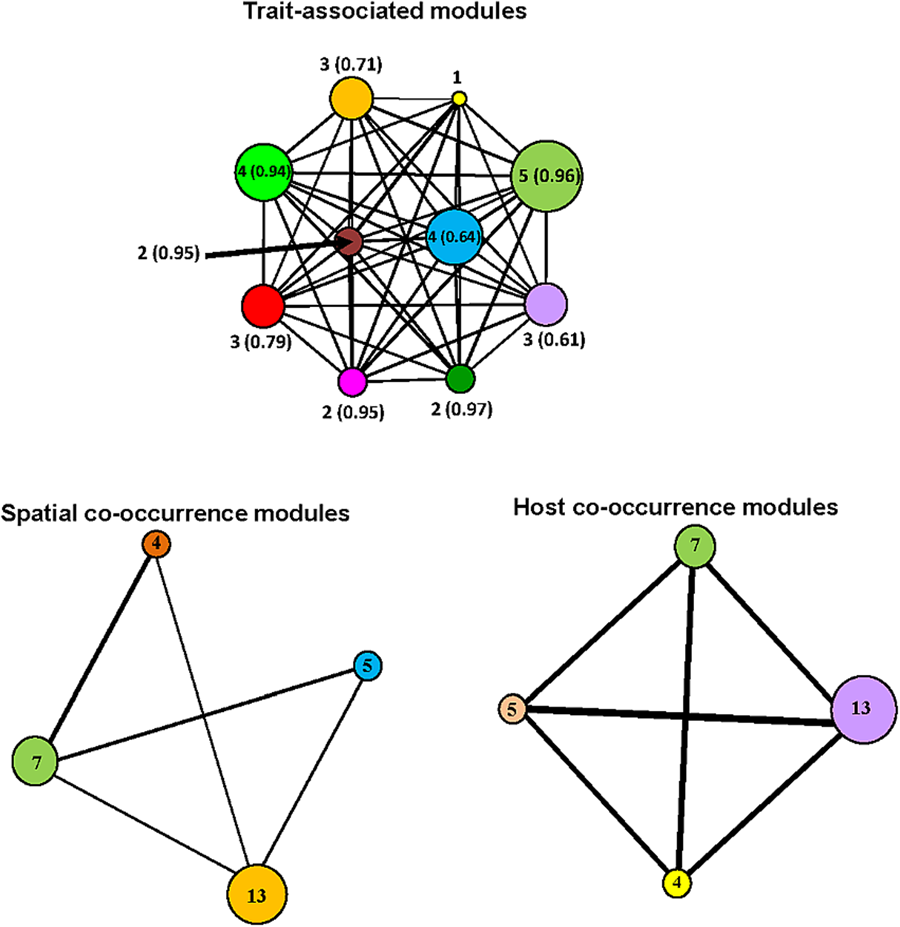
We applied a novel framework based on network theory and a concept of modularity that estimates congruence between trait-based ( = functional) co-occurrence networks, thus allowing the inference of co-occurrence patterns and the determination of the predominant mechanism of community assembly. The aim was to investigate the relationships between species co-occurrence and trait similarity in flea communities at various scales (compound communities: across regions within a biogeographic realm or across sampling sites within a geographic region; component communities: across sampling sites within a geographic region; and infracommunities: within a sampling site). We found that compound communities within biogeographic realms were assembled via environmental or host-associated filtering. In contrast, functional and spatial/host-associated co-occurrence networks, at the scale of regional compound communities, mostly indicated either stochastic processes or the lack of dominance of any deterministic process. Analyses of congruence between functional and either spatial (for component communities) or host-associated (for infracommunities) co-occurrence networks demonstrated that assembly rules in these communities varied among host species. In component communities, stochastic processes prevailed, whereas environmental filtering was indicated in 4 and limiting similarity/competition in 9 of 31 communities. Limiting similarity/competition processes dominated in infracommunities, followed by stochastic mechanisms. We conclude that assembly processes in parasite communities are scale-dependent, with different mechanisms acting at different scales.
Let $\alpha $ be a complex valued $2$-cocycle of finite order of a finite group $G.$ The nth Frobenius–Schur indicator of an irreducible $\alpha $-character of G is defined and its properties are investigated. The indicator is interpreted in general for $n =2$ and it is shown that it can be used to determine whether an irreducible $\alpha $-character is real-valued under the assumption that the order of $\alpha $ and its cohomology class are both $2$. A formula, involving the real $\alpha $-regular conjugacy classes of $G,$ is found to count the number of real-valued irreducible $\alpha $-characters of G under the additional assumption that these characters are class functions.
The COVID-19 pandemic destabilised the political, social, and economic life of countries as it spread around the world. It posed multiple threats to individuals, societies, and across different domains of life, highlighting their intersectionality and uneven impacts. The paper focuses on the UK and South Korea, countries which took very different paths in framing and addressing the crisis. It draws on secondary data and an integrated critical human security and state capacity approach to compare how state responses, institutional capacity, and the mobilisation of policy instruments themselves construct constellations of insecurity which intersect with human security and vulnerability. It will demonstrate the structural constraints that have continued to shape vulnerability and the dynamics of human security and insecurity in turbulent times.
Purple witchweed [Striga hermonthica (Delile) Benth.], a highly destructive parasitic weed, poses a significant threat to sorghum [Sorghum bicolor (L.) Moench] cultivation. This hemiparasitic plant intrudes its root system into the host plant, leading to substantial yield losses, particularly in susceptible genotypes. In the pursuit of eco-friendly solutions, the biocontrol approach has gained attention as a potential management strategy for Striga. In this study, 13 bacterial strains belonging to the genera Bacillus, Gluconobacter, Pseudomonas, and Streptomyces were investigated in vitro for their efficiency in controlling the early-stage development of Striga. Among the tested strains, Streptomyces morookaensis NRRL B-12429 demonstrated significant inhibition of Striga seed germination and radicle elongation at 54.36% and 61.84%, respectively, when applied to preconditioned seeds with a synthetic germination stimulant. The effect of S. morookaensis on the inhibition of Striga seed germination was more pronounced in the presence of the host plant, sorghum, at 62.35%. However, biopriming of sorghum seeds with S. morookaensis did not enhance the inhibitory effects on Striga seed germination but resulted in a greater reduction in radicle elongation at 74.64% compared with non-primed seeds. Additionally, the biopriming with S. morookaensis promoted the growth of shoots and roots of germinating sorghum, regardless of the presence of Striga seeds. These findings highlight the potential of S. morookaensis strain NRRL B-12429 as a viable candidate for biocontrol agent applications in sorghum cultivation. Further exploration and investigation of its biocontrol capabilities can provide valuable insights for sustainable management practices against Striga infestations.
Understanding the relationships between cetaceans and their environment is crucial for conservation. This study examined humpback whales in Bahía de Banderas, Mexico, identifying key calving habitats. From 2018 to 2023, 1066 sightings were recorded, including 242 mother–calf groups, 109 mating groups, and 715 other groups. Spatial analysis revealed a non-random distribution; both the Kruskal–Wallis and Wilcoxon–Mann–Whitney tests detected significant differences (P < 0.05) in site preferences. Calving mothers favoured habitats with a mean depth of 59 m and a distance of 2 km from the coast, while mating groups preferred locations at 126 m and 4 km, and other groups chose areas at 149 m and 4 km. All groups were found in relatively flat areas around 2° seafloor slope. A dispersion test indicated a significant relationship between the location of calving mothers and environmental factors. K-means clustering showed 83.6% of calving mothers' sightings at depths less than 40 m and 2 km from the coast. Ensemble species distribution models identified three critical calving areas: one large area (261.8 km2) along the north coast and two smaller areas (9.5 and 5.4 km2) at the southern end of the bay. This study highlights Bahía de Banderas as a vital breeding habitat for humpback whales, providing insights for conservation strategies to protect calving grounds during the breeding season.
Across the developed democracies, there has been a rise in populist nationalism and anti-globalization sentiment aimed at reasserting sovereignty through the state. This article develops the concept of discursive power as an alternative basis for citizens to project their voice and influence into global politics. Discursive power arises from the framing role of ideas in orienting citizen judgements to the possibilities for acting beyond the state, as a precursor to deliberative forms of persuasion and agreement. Discursive power is ‘democratic’, we argue, when it enables those affected by global issues and problems to conceive of themselves as collective agents capable of responding. Generating discursive power outside the state, however, requires informal representatives to serve as interlocutors. Drawing on recent theories of representation, we describe how the claims of non-state actors could support the production and mobilization of citizens' discursive powers across borders. Our analysis underscores the importance of claim-making for progressive responses to globalization centred on the judgements of citizens. We conclude by surveying several challenges for democratic discursive power at the transnational and global levels and suggest some background institutions and practices to enhance this power.
Global water availability and management are persistent challenges to sustainable futures, yet people may have limited understandings of water systems and may hold negative attitudes towards sustainable solutions. With education a mechanism for realising a water literate citizenry, this study asks: How well does the Australian curriculum prepare students to be water literate citizens? McCarroll and Hamann’s (2020) Dimensions of Water Literacy guided a document analysis of Version 9.0 of the F-10 Australian Science and Humanities and Social Sciences (HASS) curricula. Findings revealed that concepts related to water literacy were largely confined to the Year 4 Science and Year 7 Geography curricula. In Science, the dimensions of Science and Systems Knowledge and Local Knowledge were through concepts related to the natural and urban water cycle. In HASS, the Hydrosocial Knowledge dimension was privileged, owing to people’s interactions with water. While there were occurrences of Functional Knowledge in both curricula, the organisation of the curriculum according to knowledge and skills does not explicitly focus on the development of students’ positive attitudes and values towards water conservation, nor engage them in individual or collective decision-making and action. Implications for the Australian curriculum and what it means to be a water literate citizen are discussed.
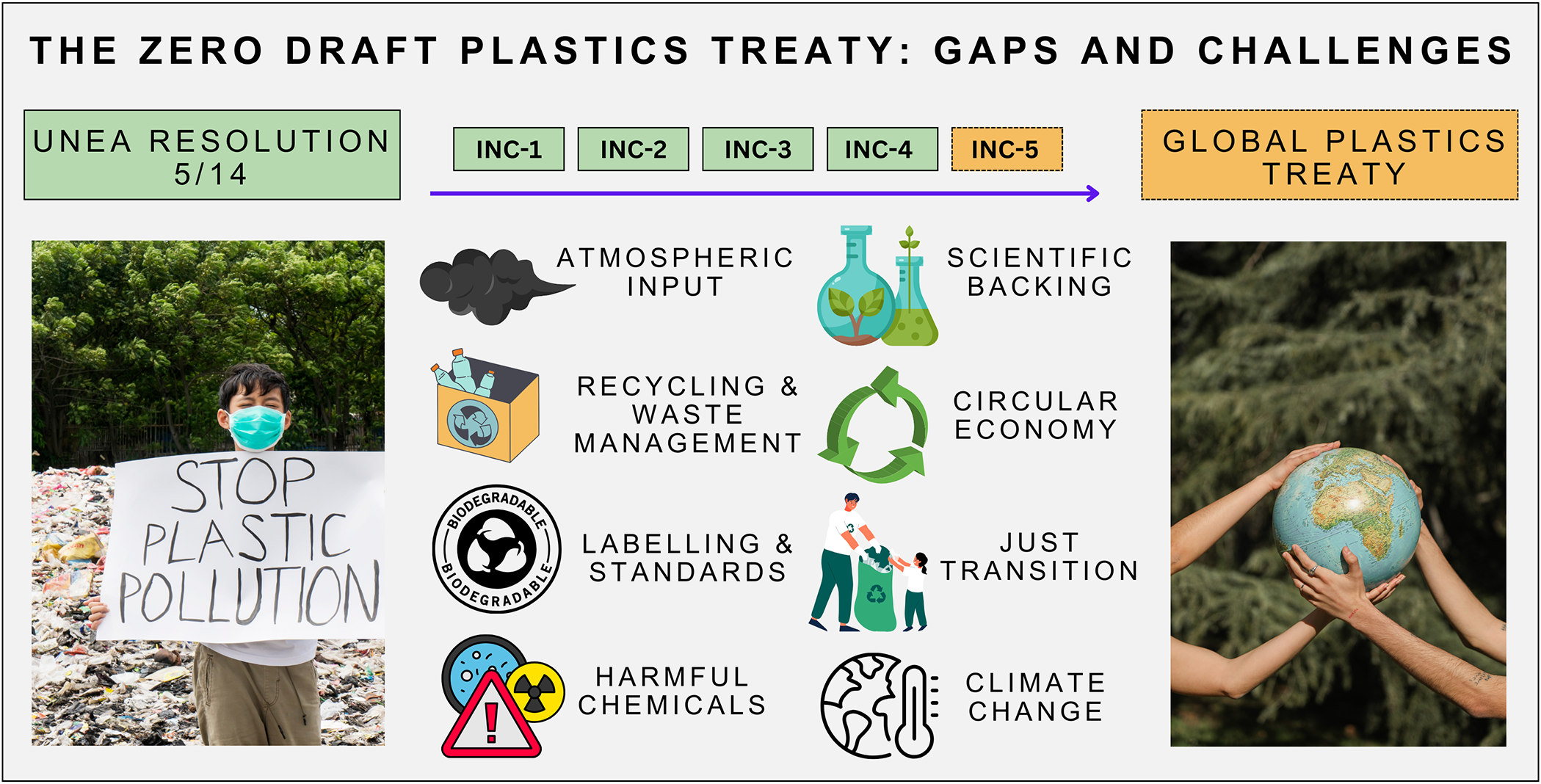
After the second Intergovernmental Negotiating Committee (INC) for the Plastics Treaty meeting in Paris in June 2023, a Zero Draft of the Treaty was released for comment. Member states involved in the treaty negotiations were to respond to the Zero Draft before the third INC meeting in November 2023 in Nairobi. In this paper, we analyse the content and structure of the Zero Draft. We identify parts of the Zero Draft that work and others that will need further attention. These include applicability to different regions; atmospheric input; recycling and waste management; labelling and standards; harmful chemicals; scientific backing; the circular economy; just transition and climate change. We argue that this draft was a useful starting point for further negotiations for member states and the Revised version of the Zero Draft has resolved some of its shortcomings but not all. These are likely to contribute to further debate during future INC negotiations. We conclude with an overview of INC-3 and INC-4 and how the Zero Draft and Revised Zero Draft were received.
Complex tumour ecosystem comprising tumour cells and its associated tumour microenvironment (TME) constantly influence the tumoural behaviour and ultimately impact therapy failure, disease progression, recurrence and poor overall survival of patients. Crosstalk between tumour cells and TME amplifies the complexity by creating metabolic changes such as hypoxic environment and nutrient fluctuations. These changes in TME initiate stem cell-like programmes in cancer cells, contribute to tumoural heterogeneity and increase tumour robustness. Recent studies demonstrate the multifaceted role of autophagy in promoting fibroblast production, stemness, cancer cell survival during longer periods of dormancy, eventual growth of metastatic disease and disease resistance. Recent ongoing studies examine autophagy/mitophagy as a powerful survival strategy in response to environmental stress including nutrient deprivation, hypoxia and environmental stress in TME. It prevents irreversible senescence, promotes dormant stem-like state, induces epithelial–mesenchymal transition and increases migratory and invasive potential of tumour cells. The present review discusses various theories and mechanisms behind the autophagy-dependent induction of cancer stem cell (CSC) phenotype. Given the role of autophagic functions in CSC aggressiveness and therapeutic resistance, various mechanisms and studies based on suppressing cellular plasticity by blocking autophagy as a powerful therapeutic strategy to kill tumour cells are discussed.
There is a high prevalence of neuropsychiatric disorders in myotonic dystrophy types 1 and 2 (DM1 and DM2), including autism spectrum disorder (ASD) and attention deficit hyperactivity disorder (ADHD) in DM1, and depression and anxiety in both DMs. The aim of this systematic review and meta-analysis was to estimate the prevalence of ASD, ADHD, depression and anxiety in the population with DM, and their association with disease onset. A systematic search of Medline, Scopus, Web of Science, and the Cochrane Library was conducted from inception to November 2023. Observational studies estimating the prevalence of these disorders in DM1 or DM2 were included. A meta-analysis of the prevalence of these disorders and an association study with disease onset by prevalence ratio meta-analysis were performed. Thirty-eight studies were included. In DM1, the prevalence of ASD was 14%, with congenital onset being 79% more common than juvenile onset, while the prevalence of ADHD was 21%, with no difference between congenital and juvenile onset, and the prevalence of depression and anxiety were 14% and 16%. Depression was more common in the adult onset. Finally, the prevalence of depression in DM2 was 16%. A higher prevalence of neuropsychiatric disorders is observed in individuals with DM1 and DM2 than in the general population. Therefore, actively screening for congenital and juvenile neurodevelopmental disorders in DM1 and emotional disorders in DM1 and DM2 may improve the quality of life of those affected.