To save content items to your account,
please confirm that you agree to abide by our usage policies.
If this is the first time you use this feature, you will be asked to authorise Cambridge Core to connect with your account.
Find out more about saving content to .
To save content items to your Kindle, first ensure no-reply@cambridge.org
is added to your Approved Personal Document E-mail List under your Personal Document Settings
on the Manage Your Content and Devices page of your Amazon account. Then enter the ‘name’ part
of your Kindle email address below.
Find out more about saving to your Kindle.
Note you can select to save to either the @free.kindle.com or @kindle.com variations.
‘@free.kindle.com’ emails are free but can only be saved to your device when it is connected to wi-fi.
‘@kindle.com’ emails can be delivered even when you are not connected to wi-fi, but note that service fees apply.
Although fundamental advances in the life sciences raise the exciting possibility of novel translational therapies, optimal evidence-based usage of established treatments should be the bedrock of current clinical care. The authors argue that there are instances where well-established treatments are ‘underused’ in psychiatry; electroconvulsive therapy, clozapine and lithium are exemplars of this. This article explores possible reasons for, and strategies to address, this underuse.
Many marine invertebrates are intermediate hosts to parasites. As some of these parasites may influence host behaviour and act as cryptic agents involved in mass mortality, knowledge of their presence, dynamics, and life cycles is important. Our aim with the present study is to provide a survey of parasites in subtidal cockles in the Limfjorden (Denmark), to examine their influence on cockles, and to assess their possible role in the surfacing of cockles, as this phenomenon is considered a prelude to mortality. The trematode fauna of the studied subtidal population was poor in species, but about 19% of the examined cockles in late summer and autumn were infected by Monorchis parvus – a species not previously reported from cockles in Danish waters. Heavily infected cockles were filled with small, undulating, worm-like sporocysts, each filled with metacercariae. From August to November, the number of metacercariae in sporocysts increased, and at a certain point, the growing stock of sporocysts is supposed to reach a level where the cockle is unable to perform vital life functions. Our data show that infected individuals exhibit less annual shell growth than uninfected ones. There was no significant difference in the prevalence of M. parvus between unburied and buried cockles. Cockle-eating fish from the family Sparidae are known as final hosts to M. parvus, but these fish do not occur in Danish waters. Therefore, the record-high presence of M. parvus in cockles from the Limfjorden is surprising, and we consider alternative life cycle options for this trematode.
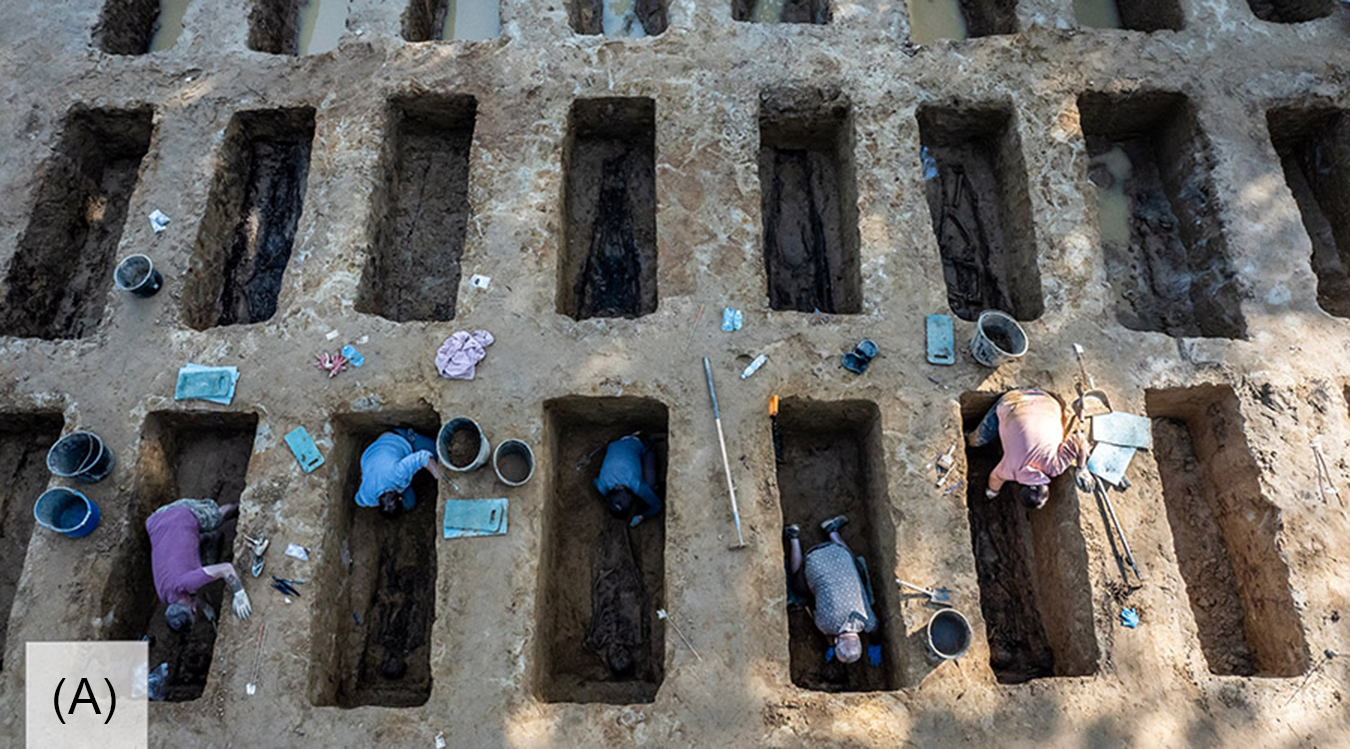
‘Lamsdorf/Łambinowice: an archaeology of memory’ is an interdisciplinary project that uses archaeological research methods and tools to locate unknown and unmarked graves of prisoners of war (PoW) and civilians related to the functioning of the German camp Stalag VIII B (344) Lamsdorf in the years 1939–1945.
This paper compares concerted efforts to unify early instructional practice in the US in the early twentieth century and in the twenty-first century. The first effort began with the founding of the National Council for Primary Education in 1915; the second began in 2005 with calls for pre-K-3 alignment. Analysis of relevant sources indicates that today’s unifiers are attempting to achieve three of the same goals that their predecessors pursued in 1915: increased child activity, teacher autonomy, and use of early instructional practices up through grade 3. During the early twentieth century, kindergarten served as both the model for the upward extension of activity-based early instructional practice into the early primary grades and the locus of efforts to defend against the downward extension of skill-based elementary practice from the primary to the lower levels. During the second round of unification in the twenty-first century, however, preschool has become the model for extending and the locus of defending early instructional methodology.
The black walnut Juglans neotropica is a forest species characterized by being a monoecious and deciduous tree with a long life. This species has great ecological, environmental, and economic value, playing a fundamental role in the ecosystem. According to the IUCN, J. neotropica is threatened by anthropogenic activities that have drastically affected its distribution. In this study, the plastid intergenic spacer marker trnS-trnfM was amplified from 74 J. neotropica samples from eight locations in Amazonas region (Peru) to determine its haplotype network, genetic diversity, and genetic divergence. The results revealed that J. neotropica from Amazonas region showed i) a lineage composed of the eight populations embedded into the Rhysocaryon section; ii) three genetic groups within the haplotype network with the presence of an ancestral haplotype (H1) and possibly candidates for new taxa; iii) a high divergence between the populations of Molinopampa and Luya (1.62–2.64% of p-distance); iv) populations with high genetic diversity indices (Levanto = 0.32, Molinopampa = 0.41) with constant threats from anthropogenic activities; and v) high genetic structuring within populations (Fst = 0.04). Overall, these results collectively support a scenario of high variability with limited interpopulation genetic exchange. Our findings provide previously unavailable insights into the vulnerability of the black walnut J. neotropica by (i) quantifying the genetic consequences of human-induced habitat fragmentation and (ii) establishing baseline diversity metrics for future monitoring. These results directly inform in situ conservation priorities by identifying populations harbouring unique alleles that warrant immediate protection. Finally, further research should include nuclear markers (e.g., microsatellites or RAD-seq) to support our findings.
Previous typification acts are reviewed herein, in light of the International Code of Zoological Nomenclature, to correct improper procedures while raising new type specimens for Theriosynoecum silvai, Darwinula martinsi and Cypridea araripensis, after loss of the original ones.
Since 2017, St. Catherine University has partnered with the Mapping Prejudice Project to build an interdisciplinary and community-engaged public humanities project that can serve as a model for other universities. The project, titled Welcoming the Dear Neighbor?, engages students, faculty, and staff across departments who work in collaboration with community partners to advance knowledge of systemic racism and its impact both historically and in present-day disparities. The result is mutually beneficial relationships that integrate high-impact practices for student success and retention and yield tangible resources for community groups in our city and surrounding suburbs. To date, more than 1,400 students have participated in the project. We report qualitative and quantitative evidence showing that the project enhanced students’ sense of place and enriched their learning. We describe challenges and lessons learned that will be of particular interest to universities interested in projects that undertake interdisciplinary, racial justice-focused public humanities work.
Parasites of the Leishmania species have been observed to infect macrophages and thereby modulate the host microbicidal responses, resulting in a wide spectrum of diseases. A comprehensive experimental mapping of the relationship between the double-stranded RNA protein kinase R (PKR) and NF-κB pathways in the outcome of the infection was conducted in an effort to improve the understanding of the biology associated with the parasites–host cell interaction. The results showed that in the absence of PKR and Type I Interferon (IFN) signalling, L. major infection was enhanced. The levels of PKR and gene promoter activation were evaluated. The results showed that infection did not induce PKR expression by inhibiting the phosphorylation of STAT1 and subsequent binding in the PKR promoter. However, infection induced PKR phosphorylation but did not prevent subsequent signalling through this pathway. To address the role of activation of these signalling, the induction of PKR-dependent gene expression was examined. Activation of the classical p65/p50 dimer was found to be dependent on the PKR in the L. major infection, which was essential for the induction of iNOS, IFNβ and tumour necrosis factor expression. In addition, macrophages treated with nuclear factor-kB inhibitors were more susceptible to infection. Furthermore, translocation of the p65/p50 to the promoters of these genes increased in a PKR-dependent manner. Collectively, these results suggest that macrophages retain their ability to induce important downstream effectors in PKR signalling. These effectors contribute to protection in pathogenesis, reducing parasite proliferation and regulating the inflammatory genes that, consequently, modulate the activation state of macrophages during infection.
The artificial language of Esperanto would achieve remarkable success in early twentieth-century Europe. Its popularity there is not surprising: though designed as a universal language, Esperanto was essentially European in its grammar and lexicon. But this Europeanness – or, more precisely, this near-Europeanness – also spoke to communities living further afield. In India before the First World War, groups regarded as Europeanized by most Indians but as Indian by most Europeans found Esperanto a literal language with which to articulate their social location. As an ‘Esperantist’, there was no contradiction between being Indian and participating in European society, and to claim the label offered a shorthand that others (whatever their relationship to the movement) could readily grasp. This article considers these dynamics against the backdrop of a visit to India by the Irish Esperantist John Pollen, an event that sheds light on both the inner workings of the Indian movement and the importance that non-Indian Esperantists assigned to it. The popularity of Esperanto would eventually decline in India with the First World War, but until it did, the movement – indexical of Europe yet resonant in India – would promise a transnational community to which many in India felt they could aspire and belong.
This article introduces a dome-type soft tactile sensor that can autonomously adjust its stiffness to evaluate surface contact characteristics, including the elastic modulus, contact force, and the presence of abnormal hardness within soft materials, using a strain gauge as a single sensing element. The strain sensor element is placed at the tip of the dome to measure the deformations during contact that reflect the properties of the contacted object. Using machine learning techniques, the sensor system can accurately predict these characteristics in various materials with an error rate of less than approximately 8%. A hybrid approach that combines experimental and simulation data enables the sensor to be trained effectively, generating sufficient data for accurate predictions without extensive experiments. The high accuracy results of the machine learning models demonstrate that the sensor system can precisely calculate the elastic modulus and depth of the defect. The adaptability and precision of the proposed sensor make it ideal for applications in medical diagnostics and other fields requiring careful interaction with soft materials. Furthermore, its innovative approach can be referenced for exploiting the properties of soft materials to achieve task-specific morphology without redesigning soft sensors or soft robots.
Competition lies at the heart of our economic, social, and political lives. Studies show that competitions motivate higher performance, but they can also have a dark side, by which competitors engage in deceptive, dishonest, and sabotaging conduct. In the paper’s primary study, we compare competitive behavior at 4 levels of competition intensity. As expected, we find that intensifying the competition has a general effect of increasing both the effort invested in the task and the tendency to sabotage the counterpart. We were particularly interested in whether participants would engage in sabotaging behavior at the lower boundary of competitive intensity that was devoid of any incentive to outperform the counterpart and also precluded any prospect for social comparison or social facilitation. In this condition, participants were matched with another person performing the same task, knowing that their relative performance will have no effect on payoffs and will not even be shared with each other. We found that, by itself, this illusory competition did not motivate higher performance, but when given the option to engage in (costly) sabotage, almost one quarter of participants chose to sabotage their illusory counterpart. The paper’s secondary study replicated this finding using a stimulus that included a comprehension test. These findings reveal competitive behavior under circumstances that, to the best of our knowledge, fall short of previously investigated types of competition. Theoretical explanations and normative implications are discussed.
Several transnational corporations, investors, international organizations, and philanthropies have formed coalitions to respond to global social and environmental challenges. Do these coalitions, consisting of large-scale actors, have the capacity to contribute to the sustainability transformations that are needed, or do they perpetuate the same systemic dynamics that created the problems in the first place? We investigate this question by comparing publicly available information from five coalitions working on financial and food systems sustainability.
Technical Summary
This paper examines whether large-scale actor coalitions (LSACs) may contribute to transformations toward equitable and sustainable futures. We use a ‘rapid assessment’ 20-variable framework to collect and analyze empirical data from five food and finance coalitions to identify their roles and capacities for transformative change. Our results indicate that LSACs implement distinct strategies to reach their goals. More specifically, due to their diverse set-ups, LSACs have the ability to raise awareness of sustainability issues, utilize ties to push forward agendas, engage in institutional policy-shaping processes, experiment with solutions, and showcase promising niche initiatives. We identify ways that LSACs’ actions can enable efforts of other change-makers who aim to change the food and finance systems and contribute to systems with high and diverse capacities for transformative change. We also discuss why the roles and lack of certain capacities of LSACs might hinder the creation of enabling conditions for transformative change within the food and finance sectors.
Social Media Summary
Coalitions consisting of powerful actors have a range of transformative capacities that, under certain conditions, can support systemic transformations within their sectors.
In Africa, female genital schistosomiasis (FGS) damages women’s health. In Cameroon, diagnosis is rare and healthcare workers lack knowledge. Clinicians can be trained to identify FGS lesions, but the accuracy is uncertain. We assessed the acceptability and feasibility of FGS screening in Cameroon’s East Province by comparing static HIV clinics and mobile pop-up clinics through consultations and acceptance rates, guided by precise disease mapping. A clinician was remotely trained to diagnose FGS lesions, with success measured by expert comparison using cervix images. The proportion of FGS was compared between settings. A total of 1242 women were approached, 624 in the HIV clinics and 618 in the mobile clinics, respectively. Women at HIV clinics were significantly older [37.0 years (interquartile range, IQR: 31–43)] than those at mobile clinics [28.5 years (IQR: 23–36)]. Refusal of the screening procedures was significantly higher in the HIV clinics (50%) than in the mobile clinics (31%). FGS lesions were present in over half of women examined, 51% in the HIV clinic and 56% in the community. The diagnostic concordance between clinicians was more than 90%. It is both feasible and acceptable to identify and treat FGS lesions in areas without specialized care. Mobile pop-up clinics’ acceptability is better, with younger women participating which helps to better rectify age-inequities in FGS surveillance, and remote telemedicine training is effective. Prevalence of FGS suspect lesions was very high in both settings.