To save content items to your account,
please confirm that you agree to abide by our usage policies.
If this is the first time you use this feature, you will be asked to authorise Cambridge Core to connect with your account.
Find out more about saving content to .
To save content items to your Kindle, first ensure no-reply@cambridge.org
is added to your Approved Personal Document E-mail List under your Personal Document Settings
on the Manage Your Content and Devices page of your Amazon account. Then enter the ‘name’ part
of your Kindle email address below.
Find out more about saving to your Kindle.
Note you can select to save to either the @free.kindle.com or @kindle.com variations.
‘@free.kindle.com’ emails are free but can only be saved to your device when it is connected to wi-fi.
‘@kindle.com’ emails can be delivered even when you are not connected to wi-fi, but note that service fees apply.
The relationship between media portrayal of psychedelic drugs, scientific research and drug policy is an area of debate.
Aims
To apply artificial intelligence technology to measure trends in media sentiment towards the therapeutic potential of psychedelic drugs.
Method
Up to 300 of the most relevant articles from Google News searches for the term ‘psychedelics’ were sampled for each year from 2000 to 2025. A large language model, ChatGPT, evaluated subject matter and sentiment.
Results
In total, 88.3% of screened URLs (3308 of 3747) were included in the analysis. The proportion of articles focusing on the therapeutic potential of psychedelics increased from 13.3% (26 of 198) from 2000 to 2009 to 85.3% (1254 of 1470) from 2020 to 2025. The average sentiment score from 2000 to 2025 for articles from all publications (N = 2168) was 78.5 ± 9.3 (mean ± s.d.) (possible range: 1–100). 1.3% (29 of 2168) of articles carried negative sentiment (<50) whereas 4.8% (103 of 2168) had extremely positive sentiment (≥90). Average sentiment reached a peak in 2020 (80.8 ± 7.0), and a statistically significant trough in sentiment was observed in 2024 relative to 2020–2023 (2020–2023, 79.2; 2024, 74.3, P < 0.00001, Mann–Whitney U-test). The proportion of negative-neutral articles (≤65) increased annually from a trough of 3.6% (8 of 267) in 2020 to a peak of 20.9% (43 of 253) in 2024. Artificial intelligence sentiment scores were correlated and concordant with average human rater scores (r = 0.88, concordance correlation coefficient 0.84).
Conclusions
Although most 21st-century media coverage of psychedelic drugs has been positively framed, negative and neutral coverage has increased in frequency since 2020. Researchers, clinicians, regulators and policy-makers should be mindful of the complex relationship between media portrayals of psychedelics and the results of scientific research.
We examine the interplay of global and domestic media sentiment and the global financial cycle with regard to effects on the exchange rates of emerging markets (EMs). We apply both linear and regime-switching models that employ various measures of media tone and media coverage and proxies for the global financial cycle. The results reveal a significant appreciation of the EMs’ currencies in response to domestic and global sentiment shocks as well as the general and pure global factors (risky asset prices). We also identify an asymmetric effect in which the impacts of domestic and global sentiments and global financial cycles on EM currencies are greater in the case of positive media coverage.
Accurate self-assessment is notoriously difficult for many second language (L2) speakers as they struggle to align self-evaluations of their performance with external assessments by raters or examiners. We investigated whether a brief peer-assessment activity helps L2 speakers align their self-assessment of comprehensibility with the evaluations by external raters. We also explored how speakers’ metacognitive knowledge contributes to their self-assessments. We recorded 40 L2 English-speaking international students completing an academic oral summary task and self-assessing their speech for comprehensibility. Half of the students then performed a brief peer-assessment activity, whereas the other half engaged in a filler task before all students self-assessed their initial performance again. The speech of all students was subsequently evaluated for comprehensibility by 30 external listeners, allowing us to estimate the extent to which the students’ and the external raters’ assessments converged. Whereas engaging in peer-assessment was generally associated for L2 speakers with greater alignment between their self-ratings and external listeners’ evaluations, peer-assessment appeared to mainly benefit L2 speakers with initially good self-assessment skills. Metacognitive knowledge was not associated with greater alignment between self- and other-assessments. We discuss whether and how brief peer- and self-assessment awareness-raising activities can help L2 speakers calibrate self- and other-assessments.
The moral foreign language effect (MFLE) suggests that using a second language promotes utilitarian moral decisions, though its robustness and underlying mechanisms remain debated. This study investigated the MFLE and its potential moderators, including cognitive control, emotional distress and contextual variability (operationalized as victim vulnerability through narrative cues signaling physical fragility), among 255 Chinese-English bilinguals who judged moral dilemmas in either their native or second language. Contrary to prior findings, no significant MFLE emerged, nor did cognitive control or emotional distress alone moderate moral judgments. In contrast, victim vulnerability showed a robust main effect, with higher vulnerability increasing utilitarian responses. Moreover, this effect interacted with emotional distress: it was pronounced under low distress but diminished under high distress. These findings challenge the generalizability of the MFLE and highlight the pivotal influence of emotional and contextual factors, particularly emotional arousal and perceived victim vulnerability, on moral judgments across languages.
A single shell of brachiopod Porambonites wesenbergensis Teichert, 1930 is encrusted in several places with thin sheets of Rothpletzella, tentatively assigned to R. gotlandica Wood, 1948, which are preserved as pyritized molds. The spheroidal shape of the pyrite is rare, as is its apparent nucleation on the calcitic walls of Rothplezella. Presumably, its calcareous sheaths were coated with organic films that provided substrate for heterogeneous nucleation. Comparable wall-directed nucleation was documented in the Ediacaran Conotubus, where pyritization initiates on the tube walls and progresses inward. The same brachiopod is also heavily encrusted by craniids and bryozoans. It is unclear whether the brachiopod P. wesenbergensis was encrusted postmortem or during its life.
This study investigates the intersection of generative artificial intelligence (GenAI) and democratic pedagogy in K-12 music education in Macau, centring on the experiences of a single teacher, Adam, throughout a school year. This study explores how GenAI tools assisted Adam in teacher planning, shifting learning objectives and bridging gaps among students in the music classroom. The data further highlighted a paradox in integrating GenAI in music education: while Adam saw AI tools as enhancing certain aspects of creative expression, such as generating musical ideas or assisting in composition, he also recognised AI’s deterministic nature as a constraint on deeper creative agency and critical engagement. This research contributes to the growing discourse on GenAI in education, problematising the assumption that GenAI inherently democratises music education. It emphasises the critical importance of thoughtful GenAI implementation to ensure that it complements rather than supplants the essential human elements of teaching, advocating for a holistic and sustainable approach to personalised and democratic music education.
We assess ongoing regional glacier loss in the Austrian state of Vorarlberg using a set of manually mapped glacier outlines for 2017, 2020, 2022 and 2023. Vorarlberg has lost about half of its glacierized area since a previous inventory in the mid-2000s. In 2017–23, glacier area was lost at an average rate of 5% per year. Area loss rates at individual glaciers have increased over time but show considerable variability between glaciers and subperiods. Of 30 glaciers previously inventoried, 5 have vanished completely since 2017. We discuss mapping differences due to the variable interpretation of the images by multiple observers and the mapping challenges that arise even with very high-resolution (10 cm) imagery. Processes leading up to the complete loss of glacier ice, mainly increased debris cover and fragmentation into very small features, cause inherent uncertainties in documenting the disappearance of mountain glaciers and ice bodies. We considered criteria that might be used to define terminology and found 16 remaining glacier fragments with crevasses indicating past or current ice flow, which could be considered glaciers rather than ice bodies.
Schools play a crucial role in supporting adolescent mental health, especially in low- and middle-income countries (LMICs), where young people face structural and societal challenges. This study explores the feasibility and acceptability of the Health Action in Schools for a Thriving Adolescent Generation (HASHTAG), a multilevel intervention for at-risk adolescents aged 13–14 in South Africa. HASHTAG includes two components: thriving environment in schools (TES), a whole-school approach, and thriving together (TT), a classroom-based programme. Using a mixed-methods design, we assessed feasibility in two Khayelitsha schools through implementation measures (attendance, fidelity and acceptability), focus groups (n = 46), and pre-post surveys (n = 231). Despite COVID-19 disruptions, the intervention was implemented with high fidelity and met all progression criteria. Students and staff found HASHTAG relevant and engaging, particularly appreciating the TT sessions delivered by external facilitators. The TES teacher module also created space for reflection and self-care. Some teachers suggested improved sensitisation could strengthen the programme’s impact. Although no significant changes were observed in quantitative outcomes, no harms were reported. These findings support the feasibility and acceptability of HASHTAG and highlight the need for a full-scale trial to evaluate its potential impact on adolescent mental health in LMIC settings.
This study examined whether self-assessed multilingual proficiency and use of additional languages predict individual differences in inhibitory control (IC) and mind wandering (MW) among UK university students. Sixty-five participants completed a Go/No-Go task measuring response inhibition and the BMW-3 questionnaire, which assessed unintentional, intentional and meta-awareness dimensions of MW. Multilingualism was operationalised using a continuous composite index integrating self-rated proficiency and daily use of non-native languages. The index scores were not significantly associated with response inhibition or meta-awareness. However, higher multilingual proficiency index scores were significantly associated with lower levels of unintentional MW. These findings suggest that, moving beyond categorical comparisons, greater self-reported multilingual proficiency and use of additional languages may support the regulation of internally directed thought, rather than externally triggered IC. Implications for future research and potential applications in education and attention-related interventions are discussed.
This article examines the incentives, strategies, and constraints faced by judicial entrepreneurs in advancing bankruptcy enforcement—a legal area traditionally considered politically sensitive—in Wenzhou, China. While existing studies on Chinese courts emphasize external and institutional factors, this study argues that judicial entrepreneurs can play a pivotal role in driving reforms. In response to the 2011 private lending crisis, Wenzhou court leaders promoted bankruptcy as a means of resolving failing firms. They began with pilot cases and gradually institutionalized bankruptcy by mobilizing social, judicial, and political resources. These efforts were shaped by both personal attributes and self-serving interests. However, judicial entrepreneurship encountered limits, such as legal rules, the inconsistency of enforcement, and the government’s core interests. The study contributes to the debates on courts and social change by showing how court leaders can overcome institutional constraints through alliance building, public engagement, and local adaptation of national rules. It also enriches our understanding of judicial policymaking across regimes by highlighting a symbiotic, rather than a zero-sum, state-court relationship in the analysis of judicial politics.
We consider shock models governed by the bivariate geometric counting process. By assuming the competing risks framework, failures are due to one of two mutually exclusive causes (shocks). We obtain and study some relevant functions, such as failure densities, survival functions, probability of the cause of failure, and moments of the failure time conditioned on a specific cause. Such functions are specified by assuming that systems or living organisms fail at the first instant in which a random threshold is reached by the sum of received shocks. Under this failure scheme, various cases arising for suitable choices of the random threshold are provided too.
Structural equation modeling (SEM) is a powerful and flexible modeling framework for testing complex relationships among observed and latent variables. However, its methodological complexity and analytical flexibility also increase the risk of questionable research practices (QRPs), especially in fields like applied linguistics, where training in advanced statistics may be limited. This article synthesizes the literature on QRPs and applies it to SEM by identifying seven categories of problematic practices: not checking assumptions, not validating a measurement model, not testing competing models, not sufficiently justifying modeling decisions, relying on post hoc model modification, overemphasizing global fit indices, and incomplete or nontransparent reporting. Each practice is described with examples and linked to broader issues in research ethics and transparency. The paper concludes with concrete recommendations for improving the credibility and reproducibility of SEM research, emphasizing the integration of best practices with the principles of open science.
Adult children caring for a parent with cancer often assume the role of a “surrogate seeker,” looking online for information regarding their parent’s diagnosis, which they may then discuss with their parent’s clinician. The current study aims to apply the previously developed “Stoplight typology” to explore caregivers’ experiences discussing online health information with their parents’ clinicians and factors associated with each response type within the typology.
Methods
We conducted an online survey of adult children caring for a parent with a blood cancer about their experiences communicating with their parent and their parent’s clinicians. We used regression analyses to examine the association between physician responses as categorized according to the stoplight typology with 3 caregiver communication measures assessing eHealth literacy, caregiver communication, and physician–caregiver and patient communication. Second, we examined the experiences participants had with clinician communication about online health information.
Results
A total of 121 caregivers completed the survey. Over half reported clinicians giving green light responses, with fewer reporting yellow or red light responses. Lower eHealth literacy significantly predicted greater likelihood of red light responses, whereas higher self-reported communication skills predicted more green light and fewer red light responses; neither communication measure predicted yellow responses. Thirty-two percent did not discuss their most recent online search with clinicians, most commonly because they saw no need. Seventy-four percent had discussed online information with a clinician, and 56% of these encounters were coded as green light responses. Among caregivers who had been told not to search online, 77% continued to do so despite the clinician’s discouragement.
Conclusions
The study findings provide support for the stoplight typology in a caregiver population. Although most clinician responses were engagement responses, results demonstrate that the rejection response is ineffective. Future research could examine caregivers who reported lower eHealth literacy to target for future intervention.
We present a short database of the mole fraction of CO2 and 14CO2 in atmospheric air samples from an urban area in Gliwice, Silesia, Poland. The research covered a period from August 2023 to July 2024. A new laboratory air sampler stand was established to monitor carbon dioxide levels in Gliwice, giving the possibility to determine CO2 levels in the air using appropriate instruments to collect the air samples, extract CO2 from them, and thus measure carbon isotopes ratio 14C/12C. The analysis of the mole fraction of CO2 was determined using a low-cost system (CARBOCAP GMP343), while the carbon isotopes concentration was measured using MICADAS. The 14C in the air samples varied randomly from –55 to –24‰, while the monthly mole fraction of CO2 varied from 428 to 470 ppm. It has been also observed also that CO2 concentration is linked with the planetary boundary layer. The fraction of fossil of total CO2 has been estimated at the level of 2.5% during the investigated period of time. Another aim of this study was to investigate pine needles as 14C archives in a contemporary environment. The examination of the needles was based on the analysis of the similarities and differences in radiocarbon concentrations in pine needles of various ages collected in the middle of consecutive seasons, with 3 months resolution in Gliwice. The concentration of 14C in the needles was determined using a liquid scintillation counter. The mean F14C from all the samples was 99.80(70) pMC.
We consider the steady heat transfer between a collection of impermeable obstacles immersed in an incompressible two-dimensional (2-D) potential flow, when each obstacle has a prescribed boundary temperature distribution. Inside the fluid, the temperature satisfies a variable-coefficient elliptic partial differential equation (PDE), the solution of which usually requires expensive techniques. To solve this problem efficiently, we construct multiply connected conformal maps under which both the domain and governing equation are greatly simplified. In particular, each obstacle is mapped to a horizontal slit and the governing equation becomes a constant-coefficient elliptic PDE. We then develop a boundary integral approach in the mapped domain to solve for the temperature field when arbitrary Dirichlet temperature data are specified on the obstacles. The inverse conformal map is then used to compute the temperature field in the physical domain. We construct our multiply connected conformal maps by exploiting the flexible and highly accurate AAA-LS algorithm. In multiply connected domains and domains with non-constant boundary temperature data, we note similarities and key differences in the temperature fields and Nusselt number scalings as compared with the isothermal simply connected problem analysed by Choi et al. (J. Fluid Mech., vol. 536, 2005, pp. 155–184). In particular, we derive new asymptotic expressions for the Nusselt number in the case of arbitrary non-constant temperature data in singly connected domains at low Péclet number, and verify these scalings numerically. While our language focuses on the problem of conjugate heat transfer (the transfer of heat between objects in a flow), our methods and findings are equally applicable to the advection–diffusion of any passive scalar in a potential flow.
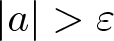
A set $S \subseteq \mathbb{R}$ is almost Erdős if, for every $\varepsilon \gt 0$, there exists a set $E \subseteq \mathbb{R}$ of positive Lebesgue measure such that $\{x \in S : ax+b \notin E\}$ is nonempty for all $|a| \gt \varepsilon$ and $b \in \mathbb{R}$. In this note, we show that any decreasing null sequence $(x_n)$ with decay rate greater than $1/2$ is an almost Erdős set.


Subspecialty neurology fellowship training is becoming increasingly more common and a requirement to practice at academic institutions. This is especially true for electroencephalography (EEG) and epilepsy, as neurology residency does not usually provide adequate exposure to this complex field. Little is known about the availability and content of epilepsy fellowships in Canada. This study aims to identify this information and characterize available programs. Eight pediatric and eight adult epilepsy fellowship programs were identified. There was a wide range in the availability of resources in many centers, but all centers provided exposure to core EEG and epilepsy skills.